En 2027, Genève ne va pas seulement accueillir un sommet de plus sur l’IA : elle va devenir, pour quelques jours, la salle de contrôle mondiale où se discutera très concrètement la manière dont nous voulons déployer l’IA dans l’économie réelle.
Ce qui sera vraiment sur la table
Au‑delà des annonces politiques, le sommet de Genève 2027 s’annonce comme un espace très opérationnel autour de trois grands blocs pour les entreprises.
Gouvernance & régulation de l’IA Cadres internationaux, droits fondamentaux, exigences de transparence, conformité avec les futures régulations (AI Act, lignes directrices nationales) : comment transformer ces textes en pratiques concrètes dans les organisations.
Cas d’usage à impact élevé Santé, finance, industrie, climat, services publics : les use cases présentés viseront moins le “proof of concept” que le passage à l’échelle, avec un accent sur la robustesse, la sécurité et la valeur business mesurable.
IA responsable, humaniste et durable Trust, souveraineté des données, impact social, réduction des inégalités : Genève, capitale du multilatéralisme, veut faire de ce sommet un lieu où la performance technologique est discutée au même niveau que l’éthique et le droit.
Un enjeu business, pas seulement éthique
Pour un comité de direction, ce sommet arrive à un moment charnière : l’IA n’est plus une option, mais son intégration “n’importe comment” devient un risque stratégique majeur.
Risque de non‑conformité réglementaire Les cadres se durcissent : privacy, explicabilité, traçabilité, devoir de diligence… Ne pas anticiper, c’est exposer son organisation à des sanctions, à des pertes de contrats et à un déficit de confiance.
Risque de décrochage concurrentiel Les entreprises qui structurent aujourd’hui leur feuille de route IA (data, modèles, gouvernance, compétences) prennent plusieurs années d’avance sur leur secteur en productivité, qualité de service et innovation.
Risque humain et culturel Sans une approche humaniste, l’IA génère anxiété, rejet, conflits sociaux et désengagement. À l’inverse, une IA pensée avec les équipes devient un formidable levier d’engagement, de développement de compétences et de sens.
Pour un décideur B2B, Genève 2027 est donc un laboratoire stratégique : venir, c’est benchmarker, se positionner et ajuster sa trajectoire avant que le cadre global ne se fige.
Ce que cela change concrètement pour les entreprises
L’après‑sommet ne se jouera pas dans les communiqués, mais dans les plans d’action que chaque organisation décidera d’assumer. Voici, très concrètement, ce qui peut changer.
Un cadre de gouvernance IA clarifié S’inspirer des lignes directrices qui émergeront à Genève pour structurer un comité IA, des politiques internes claires, des processus de validation des cas d’usage et un pilotage des risques lisible pour les Boards.
Des partenariats et coalitions nouvelles Genève veut se positionner comme pont entre Nord et Sud, public et privé, recherche et industrie : pour les entreprises, c’est une opportunité unique de co‑construire des standards, des alliances sectorielles et des projets multi‑pays.
Une bascule de l’IA “outil” vers l’IA “infrastructure stratégique” L’IA cesse d’être un sujet “innovation” isolé pour devenir un pilier de la stratégie d’entreprise, au même titre que la finance ou les RH : investissements ciblés, montée en compétence, nouveaux modèles de revenus, reconfiguration de la chaîne de valeur.
En tant qu’ambassadeur d’une IA responsable, humaniste et durable, je suis convaincu que Genève 2027 peut marquer le moment où nous sortons d’une IA subie pour entrer dans une intelligence réellement partagée – entre États, entreprises, chercheurs et citoyens.
Et vous, quel rôle voulez‑vous jouer à Genève 2027 ?
Si vous êtes dirigeant, membre d’un COMEX, DRH, CIO, CDO ou responsable innovation, la vraie question n’est plus “Faut‑il aller à ce sommet ?”, mais :
Que voulons‑nous y défendre comme vision de l’IA dans notre secteur ?
Quelles alliances stratégiques voulons‑nous y nouer ?
Quel plan d’action voulons‑nous ramener dans nos équipes après Genève ?
Je continuerai, d’ici 2027, à accompagner les organisations qui veulent faire de l’IA un levier de création de valeur responsable, alignée avec les humains, la planète et le long terme.
À Genève, la technologie sera au centre des discussions, mais c’est bien notre capacité collective à en faire un projet de société qui fera la différence.
I’m thrilled to share some exciting news — Achiever Magazine has featured me among “The 10 Most Visionary Business Leaders Making Waves in Industry, 2026.”
This recognition is much more than a personal milestone. It reflects the incredible journey of Syntezia Sàrl and the communities of values AgileNetup and Hack Your Style that believes in blending innovation, human creativity, and sustainability to build a better business future.
Being acknowledged alongside such forward-thinking leaders is both humbling and energizing.
It’s a reminder of why purpose-driven innovation matters — not just for growth, but for shaping meaningful progress that benefits people and the planet.
A heartfelt thank you to the Achiever Magazine team for showcasing these inspiring stories and for giving a voice to entrepreneurs and leaders who are making a difference in their fields.
Depuis l’explosion de ChatGPT, les entreprises se sont ruées sur l’intelligence artificielle générative avec une promesse simple : une révolution immédiate de la productivité. Pourtant, un rapport récent du MIT vient doucher cet optimisme : 95 % des projets pilotes en entreprise ne parviennent pas à délivrer une valeur mesurable sur le profit et les pertes (P&L).
Ce n’est pas la technologie qui est en cause, mais la manière dont les organisations tentent de l’intégrer.
Décryptage des raisons de ce naufrage et des secrets des 5 % qui réussissent.
1. Le syndrome de l’outil « statique »
L’une des découvertes majeures du MIT est le fossé d’apprentissage. Contrairement aux employés humains qui apprennent de leurs erreurs et s’adaptent au contexte de l’entreprise, la plupart des outils d’IA déployés restent « statiques ». Ils ne mémorisent pas les préférences des utilisateurs et ne s’améliorent pas avec l’usage.
Résultat : l’outil devient une curiosité technologique plutôt qu’un partenaire de travail, et finit par être délaissé.
2. Le piège du marketing et de la visibilité
L’étude souligne un biais d’investissement massif : les budgets sont majoritairement alloués aux fonctions Ventes et Marketing, car les cas d’usage (rédaction d’emails, création de contenu) sont très visibles. Pourtant, ce sont les domaines où le ROI est le plus faible. À l’inverse, les projets réussis se concentrent sur le « Back-Office » : automatisation de la conformité, analyse de risques financiers ou revue de documents juridiques. Moins spectaculaires, ces projets génèrent pourtant des millions d’économies réelles.
3. L’économie de l’IA « de l’ombre » (Shadow AI)
Pendant que les entreprises peinent à déployer des solutions officielles complexes, les employés utilisent massivement leurs comptes personnels (ChatGPT, Claude, Gemini) pour gagner du temps. Cette « économie de l’ombre » montre que l’IA fonctionne au niveau individuel, mais que les structures rigides des entreprises empêchent de passer à l’échelle industrielle.
4. Le dilemme « Build vs Buy »
L’étude du MIT révèle un chiffre frappant : les solutions achetées auprès de fournisseurs spécialisés ont deux fois plus de chances de réussir que les projets développés en interne. Construire son propre LLM ou sa propre infrastructure est un gouffre financier pour la plupart des entreprises qui n’ont ni les données structurées nécessaires, ni le talent interne pour maintenir ces systèmes.
Comment rejoindre les 5 % de gagnants ?
Pour franchir ce fossé, le MIT conseille de changer de paradigme :
Passer de l’outil à l’agent : Déployer des systèmes capables de retenir le contexte et de s’intégrer dans les flux de travail existants.
Viser le ROI, pas le buzz : Prioriser les gains d’efficacité opérationnelle internes avant de chercher à transformer l’expérience client.
L’intégration humaine : Traiter l’IA non comme un logiciel que l’on installe, mais comme une nouvelle compétence que l’organisation doit apprendre à manager sur le long terme.
En conclusion, l’IA n’est pas une « panacée magique » mais un levier qui exige une refonte profonde des processus métier. Ceux qui voient l’IA comme un simple gadget IT sont condamnés à rester dans les 95 % d’échecs.
Cette vidéo analyse en détail les conclusions du rapport du MIT et explique pourquoi la plupart des entreprises font fausse route dans leur stratégie d’adoption de l’IA.
Plus d’information sur l’IA dans mes collections d’e-books.
L’Intelligence Artificielle est partout. Upskilling IA Facile : Pourquoi choisir les eBooks pour se former ?
Sur LinkedIn, dans les réunions stratégiques, et même à la machine à café.
Si vous ressentez une légère pression pour vous « mettre à jour » ou faire de l’upskilling, vous n’êtes pas seul.
Mais face à l’océan de tutoriels YouTube de 10 minutes et de formations vidéo coûteuses qui durent des semaines, il existe une troisième voie, souvent négligée mais redoutablement efficace : les eBooks.
Oubliez l’image poussiéreuse du manuel technique de 800 pages. L’eBook moderne sur l’IA est agile, ciblé et constitue peut-être le moyen le plus flexible de maîtriser les outils (ChatGPT, Midjourney, Copilot, Gemini, Claude, Mistral, Perplexity…) ou les stratégies d’automatisation sans se ruiner ni y passer ses nuits.
Pourquoi l’eBook est le format roi pour l’IA
À l’ère de la vidéo reine, pourquoi revenir à la lecture ? Parce que l’IA est un sujet complexe qui demande de la concentration, pas juste du visionnage passif.
La rapidité de mise à jour : Contrairement à un livre papier qui met un an à être publié (une éternité en temps IA), un eBook peut être écrit, édité et publié en quelques semaines. Vous accédez aux informations « fraîches » immédiatement.
La fonction « Recherche » (Ctrl+F) : Vous avez besoin d’un « prompt » spécifique pour le marketing ? Dans un eBook, vous le trouvez en 3 secondes. Dans une vidéo de 2 heures, bon courage.
L’apprentissage à votre rythme : Pas besoin de mettre pause ou de revenir en arrière. Vous digérez l’information à la vitesse de votre cerveau.
L’Upskilling « Micro-Learning » : La méthode douce
L’avantage majeur des eBooks est qu’ils s’adaptent parfaitement à nos vies fragmentées. C’est ce qu’on appelle le micro-learning.
Dans les transports : 15 minutes de lecture sur votre téléphone pour comprendre le fonctionnement des LLM (Large Language Models).
Avant une réunion : 5 minutes pour consulter un chapitre sur « L’IA pour la gestion de projet ».
Le soir : Une lecture au calme pour approfondir les enjeux éthiques de l’IA.
Vous n’avez pas besoin de bloquer 4 heures dans votre agenda. L’eBook transforme les temps morts en temps de compétence.
Comment choisir les bons eBooks (Le piège à éviter)
Attention, tout n’est pas bon à prendre. Avec l’essor de l’IA, Amazon et les plateformes regorgent de livres écrits… par des IA, sans relecture humaine. Voici votre checklist pour choisir de la qualité :
Vérifiez la date de publication : Pour l’IA technique, évitez tout ce qui a plus de 6-12 mois. Pour la théorie ou l’éthique, vous pouvez remonter plus loin.
L’auteur est-il praticien ? Cherchez des auteurs qui utilisent l’IA dans leur métier (marketing, dev, RH) plutôt que des théoriciens purs.
Le sommaire est-il actionnable ? Privilégiez les livres qui promettent des « cas d’usage », des « templates » ou des « frameworks » plutôt que des généralités sur le futur.
Différents types d’eBooks pour démarrer votre Upskilling
Ne cherchez pas à tout apprendre d’un coup. Ciblez vos besoins :
Les Guides de « Prompt Engineering » :
Objectif : Apprendre à parler à la machine.
Pour qui : Tout le monde. C’est la compétence de base.
L’IA appliquée à votre métier (Niche) :
Exemples : « L’IA pour les rédacteurs web », « L’IA pour l’analyse financière », « 100 cas d’usage ».
Objectif : Gagner en productivité immédiate.
La Stratégie et l’Éthique :
Objectif : Comprendre l’impact global pour devenir un décideur éclairé, pas juste un exécutant.
Conclusion : Votre bibliothèque IA est votre futur !!!
L’upskilling en IA n’a pas besoin d’être douloureux ou hors de prix. Avec une tablette ou un simple smartphone, vous pouvez transformer votre carrière livre après livre.
C’est une approche moderne, calme et durable face à la frénésie technologique.
🏙️ Crafting a Greener Urban Economy: A Blueprint for Sustainable Prosperity
The future of global prosperity is intrinsically linked to the sustainability of our cities.
As urban centers continue to grow, the need to transition from a linear, « take-make-waste » model to a green and circular urban economy has never been more urgent.
A greener urban economy is not merely an environmental policy; it is a comprehensive strategy for economic growth that enhances well-being, promotes equity, and protects the planet’s ecological limits.
Foundational Principles of a Green Urban Economy
A successful transition is built on a few core, interconnected principles:
The Planetary Boundaries Principle: The economy must operate within the ecological limits of the planet. This means safeguarding, restoring, and investing in natural capital—like air, water, and biodiversity—and employing the precautionary principle to avoid irreversible damage.
The Circularity Principle: Moving away from a linear system, the green economy is inherently circular. This involves designing out waste and pollution, keeping products and materials in use at their highest value through reuse, refurbishment, and recycling, and regenerating natural systems.
The Well-being Principle: The primary purpose of a green economy is to create genuine, shared prosperity that supports the well-being of all residents. This includes not just financial wealth but also social, physical, and natural capital, ensuring access to essential services and opportunities for green and decent livelihoods.
The Justice Principle: Transition must be inclusive and equitable, sharing both benefits and costs fairly across generations and communities. It promotes a just transition, ensuring vulnerable groups are not left behind.
Key Strategies for a Green Urban Transformation
To operationalize these principles, cities must adopt multi-faceted, interconnected strategies across several key sectors:
1. Sustainable Infrastructure and Energy 💡
The built environment is a major energy consumer. Greening this sector is paramount.
Energy-Efficient Buildings: Implement stringent green building certification standards (like LEED or BREEAM) for all new construction and mandate retrofitting programs for existing buildings.8 This includes using high-quality insulation, efficient HVAC systems, and passive solar design.
Renewable Energy Integration: Decouple energy use from fossil fuels.9 Promote the integration of renewable energy technologies like solar panels and wind turbines into building designs and city infrastructure.10 For example, the city of Zurich gets about 90% of its power from renewable sources.11
Green Infrastructure (GI): Integrate nature-based solutions into city planning.12Green roofs (like those mandated in Basel, Switzerland), urban forests, and permeable pavements manage stormwater runoff, reduce the Urban Heat Island Effect, and improve air quality.13
2. Smart and Sustainable Mobility 🚲
Rethinking how people and goods move reduces emissions and enhances public health.14
Prioritize Public Transit and Active Transport: Invest heavily in efficient, electric public transit systems.15 Create extensive networks of dedicated cycling lanes and pedestrian-friendly streets, fostering a culture of active commuting.16Copenhagen, Denmark, is a world leader, with over half its residents commuting by bicycle.17
Embrace Smart Traffic Solutions: Utilize modern technologies for real-time tracking and smart traffic management to optimize flow and reduce congestion.18
Incentivize Electric Vehicles (EVs): Promote the adoption of electric vehicles and ensure a robust, city-wide network of charging stations.19Oslo, Norway has seen over 80% of its new car sales be electric, driven by strong incentives.20
3. Waste Management and Circularity ♻️
A green economy views waste as a resource.
Comprehensive Recycling and Composting: Implement comprehensive and easily accessible programs for recycling and composting.21
Adopt Circular Economy Policies: Implement policies that reduce single-use plastics and encourage product stewardship, where manufacturers are responsible for the entire lifecycle of their products.22 This aligns with the three circular economy principles: eliminate, circulate, and regenerate.
Innovative Waste-to-Resource Programs: Initiatives like Curitiba, Brazil’s « Green Exchange Program, » where residents trade recyclables for fresh produce, create both environmental and social benefits.23
4. Urban Agriculture and Local Food Systems 🍎
Localizing food production increases resilience and minimizes food miles.
Urban Farming and Gardens: Transform underutilized lots into productive community gardens, rooftop farms, and vertical farms.24 This not only provides fresh, healthy food but also creates green jobs and enhances community cohesion, as seen in projects like Growing Home, Inc. in Chicago.
Support Local and Sustainable Businesses: Provide incentives and support systems for local enterprises that adhere to sustainable production and consumption practices.
Benefits: Beyond Environmental Protection
The transition to a greener urban economy delivers powerful benefits that make cities more prosperous and resilient:
Benefit Category
Impact
Economic
Increased property values near green spaces; job creation in green sectors (e.g., green infrastructure, renewable energy); reduced energy and infrastructure costs for the city (e.g., less spent on stormwater management).
Social
Improved public health (reduced air pollution, increased physical activity); enhanced social cohesion and stronger community ties; a more equitable distribution of environmental benefits.
Environmental
Mitigation of the urban heat island effect; cleaner air and water; increased biodiversity within the city; and significant carbon sequestration.
Creating a greener urban economy is a complex, long-term project that requires collaboration among city governments, businesses, and citizens. By prioritizing smart, sustainable urban planning and embracing the principles of circularity and justice, cities can successfully transition to a model that delivers prosperity for all, within the limits of our planet.
🇪🇸 The Barcelona Superblocks Project: Reclaiming the City for People
The Barcelona Superblocks (or Superilles in Catalan) project is a compelling case study in creating a greener, more livable urban economy through radical urban redesign. It serves as a direct, actionable model for the principles of sustainability, circularity, and well-being discussed previously.
What is a Superblock?
A Superblock is an urban planning unit that typically groups nine standard city blocks (a 3×3 grid) into a single, larger neighborhood unit. The core concept is to redirect through-traffic to the perimeter roads, effectively reclaiming the inner streets for residents and community use.
Structure: It transforms the traditional road hierarchy. The surrounding streets handle major vehicle traffic, while the interior streets become « green streets » or citizen spaces.
Mobility: Vehicle access inside the Superblock is severely restricted to residents, delivery vehicles, and emergency services, with a maximum speed limit of 10 km/h (about walking speed).
Space Reallocation: This shift in mobility frees up to 70% of public space previously dedicated to cars (roads and parking).
🌿 Impact on Sustainability and Well-being
The Superblocks project is a holistic environmental and social intervention that delivers measurable benefits:
Area of Impact
Key Benefits & Statistics
Economic/Social Value
Air Quality
Significant reduction in air pollutants. The Sant Antoni Superblock saw a 33% reduction in NO2 levels (Nitrogen Dioxide, a key traffic pollutant).
Reduced public health costs associated with respiratory illnesses and premature deaths.
Noise Pollution
Interior streets see a sharp drop in noise levels, sometimes by 4 dB or more.
Improved quality of life, better sleep, and reduced mental health strain related to constant noise exposure.
Green Space
Reclaimed street areas are transformed into public squares, playgrounds, and urban green spaces, helping to combat the city’s low per-capita green space ratio.
Increased biodiversity, reduction of the Urban Heat Island Effect, and improved aesthetic appeal of the neighborhood, which can boost local property values.
Physical Activity
Safe, pleasant streets encourage walking and cycling. The policy promotes active transportation over sedentary commuting.
Improved public health outcomes from increased physical activity.
Social Cohesion
New public spaces become hubs for social interaction, community events, leisure, and play for children.
Stronger local communities and a more vibrant public life, fostering a sense of belonging and equity.
📈 Economic and Urban Planning Implications
The Superblocks model is a prime example of « tactical urbanism »—implementing low-cost, adaptable, and often temporary changes to test and refine a long-term urban vision.
Low Cost, High Impact: The initial interventions (changing signage, traffic direction, adding street furniture) are relatively low-cost compared to major infrastructure projects (like building subways or new highways). This makes the model financially viable and scalable.
Support for Local Business: By creating a more pedestrian-friendly environment, the Superblocks have been observed to increase foot traffic, which in turn supports local cafes, restaurants, and small retail shops. The shift prioritizes the local economy over drive-through commerce.
Redefining Mobility: The project is integrated with a broader city-wide strategy, including the expansion of the orthogonal bus network and the bike lane network, ensuring that while private vehicle use is disincentivized, efficient public transport alternatives are readily available.
The Barcelona Superblocks demonstrate that radical, people-centric urban redesign is a powerful, economically sound, and sustainable path for developing a greener urban economy. It successfully reclaims valuable public space and shifts the priority of the city from the movement of cars to the well-being and interaction of its citizens.
🇩🇰 Copenhagen’s Cycling Infrastructure vs. Barcelona’s Superblocks: Two Paths to a Greener Urban Economy
The green urban initiatives in Copenhagen and Barcelona offer two distinct, yet highly effective, blueprints for prioritizing people and the planet over private cars. While Barcelona’s Superblocks represent a radical, localized territorial intervention, Copenhagen’s cycling infrastructure is a comprehensive, network-based overhaul of an entire city’s mobility system.
Comparison of the Models
Feature
Copenhagen: Cycling Infrastructure
Barcelona: Superblocks (Superilles)
Primary Focus
Mobility (Mode Shift): Making cycling the fastest, safest, and most convenient way to commute.
Urban Space (Place-making): Reclaiming public space from cars to create local social and green hubs.
Neighborhood-level Clusters: Redesigning traffic flow within 3×3 block grids.
Goal
Achieve a 50% modal share for cycling for commuter trips (goal by 2025/2030) and $\text{CO}_2$ neutrality (goal by 2025).
Drastically reduce vehicular traffic, noise, and air pollution, and ensure every resident has a green space within 200m.
Mechanism
Infrastructure Investment: Heavy and sustained investment in high-quality, segregated, and connected cycle tracks.
Traffic Management: Redesigning the traffic grid (Cerdà’s grid) to reroute through-traffic to the perimeter.
1. Copenhagen: The Network-First Approach 🚲
Copenhagen’s strategy is built on the premise that people will cycle if it is demonstrably safer, faster, and easier than driving or using public transport.
Dedicated and Segregated Infrastructure: The key is the extensive network of raised, curbed cycle tracks that separate cyclists from both pedestrian sidewalks and vehicle traffic. This provides a high level of physical and perceived safety, making cycling accessible for all ages and abilities.
The Socio-Economic Case: Copenhagen has meticulously tracked the economic benefits of its cycling culture. Studies consistently show that the socio-economic benefit of a kilometer cycled outweighs the cost of a kilometer driven by car (due primarily to health savings from physical activity). Society gains DKK 4.79 (approx. €0.64) for every kilometer cycled.
Green Waves and Superhighways: The city uses Intelligent Transport Systems (ITS) to create « green waves » on major roads, where traffic lights are timed to allow cyclists traveling at an average speed of 20 km/h to pass through multiple intersections without stopping. Cycle Superhighways extend this efficient network into the wider metropolitan area.
2. Barcelona: The Place-making Approach 🌳
The Superblocks initiative focuses on redesigning the urban fabric to reclaim space from the « arrogance of the car » and return it to public life.
Reclaiming Public Space: By eliminating through-traffic within the nine-block unit, Barcelona transforms intersections into public squares and the interior streets into green, pedestrian-priority corridors. This directly addresses the critical lack of green space in the densely populated city.
Decentralized Benefits: The benefits are highly localized and tangible: residents in Superblock areas experience significant reductions in noise pollution and $\text{NO}_2$ levels, leading to quantifiable improvements in health and quality of life. The Institute for Global Health estimated that wide-scale Superblock implementation could prevent hundreds of premature deaths annually.
Forcing Modal Shift: Unlike Copenhagen, which entices people to cycle, Barcelona’s model forces a reduction in car use by making it highly inconvenient (rerouted traffic, 10 km/h speed limits inside the blocks). This creates a new mobility environment where walking, cycling, and public transport are the default, best options for local trips.
Synergies for a Greener Urban Future
Both models offer critical lessons for a greener urban economy:
Investment Justification: Copenhagen demonstrates that investment in sustainable mobility has a high, measurable socio-economic return, primarily through health savings and reduced congestion costs.
Multifunctional Space: Barcelona shows the power of repurposing urban space. By viewing a street as a flexible public asset rather than a fixed traffic conduit, cities can maximize ecological, social, and economic value simultaneously.
Holistic Design: The most resilient green cities will likely adopt elements of both: an efficient, city-wide, safe Copenhagen-style network for commuting and through-travel, combined with Barcelona-style decentralized placemaking to create vibrant, healthy neighborhood centers.
💰 The Economic Case for Cycling: Copenhagen’s Socio-Economic Calculation
You’re asking for the core economic justification behind Copenhagen’s aggressive promotion of cycling. The city uses a detailed Cost-Benefit Analysis (CBA) framework that calculates the socio-economic return of cycling compared to other modes of transport, primarily driving.
The key finding is not just that cycling is cheaper to support than driving, but that it generates a significant net benefit for society, while driving creates a net cost.
The Calculation: Net Societal Gain per Kilometre
Copenhagen’s analysis, as conducted by local and national authorities, quantifies the total impact of travel by factoring in various costs and benefits that are usually externalized (i.e., not paid for directly by the traveler).
The most commonly cited result shows that for every kilometer traveled:
Cycling: Society realizes a net gain of DKK 4.79 (Danish Kroner, approximately €0.64 or $0.69).
Driving a Car: Society incurs a net loss of DKK 0.69 (approximately €0.09 or $0.10).
This dramatic difference is due to the costs and benefits that are included in the calculation:
Negative Impact (due to sedentary lifestyle contribution)
Air Quality
Reduced emissions and associated public health costs.
Large Benefit (zero emissions)
Significant Cost
Climate Change
CO2 emissions and global warming costs.
Benefit (zero emissions)
Cost
Congestion
Time lost by others due to delays.
Benefit (takes up less space, less likely to cause congestion)
Significant Cost
Infrastructure
Maintenance and construction of roads/paths.
Cost (less than car infrastructure)
Cost (highest)
Accidents
Economic costs of injuries and fatalities (treatment, lost work).
Cost
Cost (higher risk of severe accidents)
The Dominant Factor: Public Health 🏥
The single largest differentiator in this socio-economic analysis is the Public Health Benefit derived from physical activity.
Reduced Healthcare Costs: Regular physical activity (like cycling) significantly reduces the incidence of chronic diseases, including type 2 diabetes, cardiovascular disease, and certain cancers. This translates directly into lower national healthcare expenditures.
Increased Productivity: Healthier citizens take fewer sick days and are more productive during their working hours. This provides a direct boost to the national economy.
Longevity and Quality of Life: The extended, healthier life years realized by cyclists are assigned a high economic value in the calculation.
Crucially: The health benefit of cycling far outweighs the costs associated with things like cycle track maintenance or the slight increase in accident risk compared to being sedentary.
Why the Loss for Cars? 📉
The negative value assigned to driving is primarily driven by three externalized costs:
Congestion Costs: The time lost by all travelers due to a single car on the road is a huge burden on the economy.
Air Pollution Costs: The local emissions lead to direct health damages and healthcare expenses for the public.
Climate Costs: The contribution to global CO2 emissions is factored in as an economic cost.
Copenhagen’s financial case for cycling is robust because it recognizes that transport policy is fundamentally a public health policy and an environmental policy. By making the active, sustainable choice the most economically beneficial for society, the city has created a virtuous cycle of investment, health, and green prosperity.
📈 The Economic Justification for Copenhagen’s Cycle Superhighways
The Cycle Superhighways (CSH) project in the Greater Copenhagen Region is a powerful example of using the detailed socio-economic benefits of cycling to justify a massive public infrastructure investment. This isn’t just about building bike lanes; it’s about creating a regional network that directly competes with car and public transport for long-distance commuters.
Key Financial Metrics and Returns
The economic case for the CSH network, which involves over 850 km of planned high-quality routes across 30 municipalities, is overwhelmingly positive:
Socio-Economic Surplus: The entire planned network is estimated to yield a socio-economic surplus of approximately $765 million (€765 million).
Internal Rate of Return (IRR): The project is estimated to have an Internal Rate of Return (IRR) of 11% to 23%. This figure represents the project’s profitability compared to the cost of capital. Crucially, this IRR often exceeds that of major road, railway, or subway projects in Denmark, demonstrating that it is one of the country’s most profitable public infrastructure investments.
Health Savings: The estimated annual savings in societal health costs alone reach approximately $40 million (€300 million DKK), due to the increased physical activity of thousands of commuters.
🏥 How the Economic Benefits Are Generated
The high return on investment is achieved by focusing on the same non-local, external benefits highlighted in the general cost-benefit analysis:
1. Targeting Long-Distance Commuters
The primary goal of the CSH is to attract commuters who travel 5 to 30 kilometers one-way—the distance where cars traditionally dominate. The CSH achieves this by prioritizing Speed, Comfort, and Safety for the cyclist:
Speed: Routes are direct with minimal stops. They use « green waves »—traffic lights timed to remain green for cyclists traveling at a steady speed (e.g., 20 km/h)—to eliminate frustrating waiting times.
Comfort: The routes feature smooth surfaces, consistent quality across municipal borders, and dedicated rest/service points.
Safety: The paths are often curb-separated and wide, ensuring a high level of both physical and perceived safety, making them attractive to new and less experienced cyclists.
2. Converting Car Commuters (Modal Shift)
The economic model is validated by the successful conversion of drivers. Evaluations of the completed CSH routes show an average increase in cyclists of around 23%, with approximately 14% of the new cyclists previously traveling by car.
By switching from car to bike for a long commute, society gains two economic advantages simultaneously:
The net loss incurred by the car trip (congestion, pollution, health costs) is eliminated.
The net gain generated by the cycle trip (health benefits, zero emissions) is realized.
The combined impact creates a significant socio-economic surplus.
3. Reducing System-Wide Costs
The CSH acts as an efficient means of congestion reduction in the heavily trafficked Capital Region. Congestion costs the region billions annually. By shifting tens of thousands of commuters off the roads, the CSH improves travel times for all remaining road users (freight, public transit, and cars), further boosting overall regional productivity.
The Governance Innovation
A key factor often overlooked is the institutional success of the CSH. The network spans 30 municipalities that all share different budgets and priorities. The project is governed by a cross-municipal collaboration that ensures a consistent, high-quality standard across all jurisdictional borders. This coordinated approach prevents « bike-lane gaps » that often undermine the effectiveness of single-city projects.
By providing a clear, evidence-based economic case focusing on public health and time savings, Copenhagen secured the necessary political buy-in and funding to create a regional network that serves as a global standard for greener urban mobility.
🤖 The Digital Engine: Smart City Technology in a Green Urban Economy
The transition to a greener urban economy is powered by Smart City technology—the integration of the Internet of Things (IoT), Artificial Intelligence (AI), and Big Data Analytics into urban infrastructure. This technology enables cities to move beyond fixed, reactive management systems to dynamic, data-driven optimization, drastically reducing resource use and waste, and creating new opportunities for green economic growth.
Core Technological Pillars and Green Applications
Smart city components provide the tools to monitor and manage resources with precision, leading to higher efficiency and a lower ecological footprint across every major urban sector.
1. Smart Energy and the Grid 💡
The goal is to move from centralized, polluting power generation to decentralized, clean energy management.
Smart Grids: These two-way communication networks monitor energy demand in real-time. They can integrate variable renewable energy sources (solar, wind) by managing energy flow and allowing buildings to feed excess power back into the system.
Smart Buildings (BMS):IoT sensors in commercial and residential buildings monitor occupancy, temperature, and light levels. A Building Management System (BMS) uses this data and AI algorithms to adjust heating, ventilation, and lighting automatically, leading to energy savings often exceeding 30%. The Edge in Amsterdam is a prime example, often cited as one of the world’s greenest and smartest buildings.
Smart Lighting: Streetlights with IoT sensors dim or turn off when roads are empty, significantly reducing electricity consumption (up to 70% in some cases) while maintaining public safety.
2. Sustainable Resource Management 💧🗑️
Technology minimizes waste and optimizes the use of precious resources like water.
Smart Water Systems: Sensors are embedded throughout the water supply network to detect pressure drops and flow anomalies in real-time. This enables cities (like Barcelona) to instantly identify and repair leaks, preventing massive water loss and reducing costs.
Smart Waste Management:IoT-enabled sensors in public trash bins monitor fill levels. This data is fed into an optimization platform that calculates the most efficient collection routes for sanitation trucks. This reduces fuel consumption, traffic congestion, and CO2 emissions by eliminating unnecessary collection trips (Source: Barcelona achieved a 30% reduction in collection costs).
Environmental Monitoring: A network of air quality sensors across the city provides real-time data on NO2, and ozone. This data informs policy decisions, such as rerouting traffic or guiding the placement of urban green spaces to maximize air purification benefits.
3. Intelligent Transportation Systems (ITS) 🚦
ITS uses data to manage traffic dynamically, prioritizing collective transport and reducing gridlock.
Adaptive Traffic Signals: AI-powered traffic lights adjust signal timings based on real-time vehicle flow and pedestrian density collected from sensors and cameras. This maximizes throughput, minimizes idling time, and reduces tailpipe emissions.
Smart Parking: Sensors indicate the real-time availability of parking spots. Drivers use an app to navigate directly to an open space, reducing the time spent circling city blocks—a major contributor to congestion and localized pollution.
Economic and Governance Benefits
The digital layer of a smart city provides more than just environmental savings; it forms the basis of a modern, efficient, and innovative economy:
Data-Driven Governance: Real-time data on resource use, pollution, and mobility allows city planners to make evidence-based decisions and measure the success of their green policies accurately. This shifts planning from reactive to predictive, for example, using Digital Twins—virtual replicas of the city—to simulate the impact of new infrastructure before construction.
New Green Industries: The deployment of smart city infrastructure creates demand for technology companies specializing in IoT hardware, data analytics, AI software, and systems integration, stimulating high-tech job creation within the green economy.
Operational Cost Savings: By eliminating waste (in energy, water, and fuel) and improving maintenance schedules (through predictive analytics), smart technologies yield significant, recurrent cost savings for city budgets.
The smart city is thus not just a greener city, but a more resilient, cost-effective, and innovation-driven hub that can adapt dynamically to challenges like population growth and climate change.
🛡️ Governance Challenges in Smart Green City Implementation
Implementing Smart City technologies to achieve a greener urban economy presents several significant governance challenges, particularly concerning data management, equity, and public trust. Cities must navigate these issues carefully to ensure the technology serves the common good rather than creating new forms of exclusion or vulnerability.
1. Data Privacy and Security Concerns 🔒
Smart cities rely on the collection and analysis of vast amounts of data—from energy consumption and travel patterns to public surveillance. This presents a major challenge to individual privacy.
Mass Surveillance: The extensive use of CCTV, facial recognition, and mobility tracking can lead to concerns about mass surveillance and the potential for misuse by authorities.
Data Aggregation and Anonymization: Cities must establish strict protocols to ensure data is effectively anonymized and aggregated so that useful trends can be identified without linking information back to individuals. The challenge lies in ensuring that anonymization techniques are robust against sophisticated re-identification attacks.
Cybersecurity: Smart infrastructure is interconnected, making it a lucrative target for cyberattacks. A security breach could not only compromise citizen data but also disrupt critical services like the power grid, water supply, or traffic control systems, leading to significant economic and safety consequences.
2. Digital and Socio-Economic Equity ⚖️
The benefits of smart, green technology must be distributed fairly, avoiding the creation of a two-tiered city where only certain neighborhoods or populations benefit.
The Digital Divide: If access to the new smart services (e.g., smart mobility apps, smart home incentives) requires high-speed internet or specific devices, this can exacerbate the existing digital divide, penalizing low-income or elderly residents.
Uneven Distribution of Infrastructure: Cities may prioritize smart deployments in commercial districts or affluent neighborhoods, leading to « smart ghettos » where marginalized areas continue to suffer from old, inefficient, and polluting infrastructure.
Job Displacement: Automation inherent in some smart technologies (e.g., automated waste collection) can lead to job displacement in traditional sectors, necessitating robust just transition programs for retraining and upskilling workers for the new green tech economy.
3. Ethical Oversight and Public Trust 🤝
Without public acceptance, smart initiatives—no matter how effective—are unlikely to succeed long-term.
Algorithmic Bias: The AI and machine learning algorithms used to manage city systems are only as fair as the data they are trained on. Biased data can lead to unfair or discriminatory outcomes in resource allocation, policing, or service provision.
Transparency and Explainability (XAI): City governments must be transparent about what data is being collected, how it is used, and how decisions are made by AI systems. Citizens must be able to understand and challenge decisions that affect them.
Democratic Accountability: Smart city projects are often led by private technology firms. The governance model must ensure that elected officials—not private companies—maintain control over the city’s data, strategic vision, and infrastructure. Cities must implement strong regulatory frameworks and public consultation processes to build and maintain trust.
To overcome these challenges, cities like Amsterdam and London have established Data Trusts and Ethical Charters to guide technology use, demonstrating a commitment to human-centric and legally compliant smart city governance.
Yes, cities are increasingly relying on innovative green financing mechanisms to fund large-scale, costly smart and green infrastructure projects, moving beyond traditional municipal budget allocations and federal grants. These mechanisms often blend public and private capital while linking financial returns to measurable environmental outcomes.
💵 Key Innovative Green Financing Mechanisms for Cities
The shift toward a greener urban economy requires mobilizing vast sums, which has led to the development of several sophisticated financial instruments and models:
1. Green Bonds and Sustainability Bonds
Green Bonds are a key debt instrument used by municipalities and public utilities to raise capital directly from investors specifically for environmentally beneficial projects.
Mechanism: The city issues a bond (a loan) to investors. The critical difference is that the proceeds must be earmarked exclusively for eligible green projects, such as:
Renewable energy (e.g., solar farms, district heating).
Energy efficiency (e.g., deep building retrofits).
Clean transportation (e.g., electric buses, bicycle superhighways).
Sustainable water management (e.g., wetland restoration).
Investor Appeal: Green Bonds attract a growing class of ESG (Environmental, Social, Governance) investors who prioritize sustainable returns, often allowing cities to achieve lower interest rates compared to general obligation bonds due to high demand.
Sustainability Bonds: A variation that funds projects with both green and social benefits, such as a low-carbon public transport project that specifically serves underserved neighborhoods. Paris has used sustainability bonds to finance projects that improve essential services and clean transport in deprived areas.
2. Energy Performance Contracting (EPC)
This mechanism transfers the financial risk of energy efficiency upgrades from the city to a private company.
Mechanism: An Energy Service Company (ESCO) finances, designs, installs, and manages energy-saving infrastructure (e.g., updating HVAC, replacing lighting with LEDs) in municipal buildings.
Repayment: The ESCO’s investment and profit are repaid over a long-term contract (typically 8–15 years) using the guaranteed energy savings realized by the upgrades.
Benefit: The city receives new, efficient infrastructure and lower energy bills without requiring upfront capital investment, making it ideal for budget-constrained local governments.
3. Property Assessed Clean Energy (PACE) / Property-Linked Finance (PLF)
PACE is an effective public-private partnership model primarily used to finance green upgrades for private buildings.
Mechanism: A city or municipal development fund provides upfront financing (or facilitates private financing) to commercial and residential property owners for clean energy, water efficiency, and resiliency projects (like solar panels or high-efficiency boilers).
Repayment: The property owner repays the financing through a special assessment added to their property tax bill over a long term (up to 20–30 years).
Security: Crucially, the debt is attached to the property, not the owner. If the property is sold, the new owner assumes the repayment obligation and the continued benefit of the efficiency improvements. This mitigates the risk for lenders and encourages deep retrofits.
These instruments tie investor returns directly to the environmental outcomes of a project, a form of pay-for-performance financing.
Mechanism: Investors provide upfront capital for green infrastructure, often for projects with inherent performance uncertainty (e.g., using green infrastructure like bioswales to manage stormwater).
Performance Tiers: If the project exceeds its pre-defined environmental goals (e.g., water quality improvement or reduced runoff), investors receive a higher return. If the project underperforms, the city or utility pays a lower rate.
Benefit: This model aligns investor interests with public goals, encourages innovation, and transfers performance risk away from the taxpayer. Washington D.C. used an EIB to fund green infrastructure for stormwater management.
5. Municipal Green Banks and Revolving Funds
A municipal Green Bank is a public or quasi-public entity established to use limited public funds to attract and leverage private capital into local clean energy markets.
Mechanism: Green Banks offer innovative financing products like loan guarantees, credit enhancements, and subordinated debt that reduce the risk for private lenders, making green projects more « bankable. »
Revolving Funds: In an Internal Revolving Fund (like the one used in Stuttgart, Germany), cost savings from energy efficiency projects are captured in a dedicated account and reinvested into future municipal green projects, creating a self-sustaining funding cycle.
These diverse financial tools are essential for cities to address the substantial investment gap needed to achieve climate goals and secure a prosperous, resilient, and green urban future.
Public-Private Partnerships (PPPs) are a crucial model for structuring the risk and financing of large-scale green infrastructure projects, particularly in the smart city context. They are essential when the complexity, capital requirement, and long-term operating expertise needed exceed the capacity of the municipal government alone.
🤝 How Public-Private Partnerships Finance Green Infrastructure
A PPP is a long-term contract between a public entity (the city) and a private party (a consortium of private companies) for the provision of a public asset or service, where the private party assumes substantial financial, technical, and operational risk.
1. Risk Allocation: The Core of the PPP Model
The primary function of a successful PPP is to allocate risks to the party best equipped to manage them. For green projects, this looks like the following:
Risk Category
Typically Assumed By
Rationale
Example Green Project Application
Construction/Technical
Private Partner
They have the expertise, technology, and project management skills to ensure on-time and on-budget delivery.
Building a new Waste-to-Energy facility or a city-wide Smart Grid.
Demand/Revenue
Public Partner (often) or Shared
Revenues often depend on policy decisions, regulated user fees, or public usage projections.
Operating a Clean Water Treatment Plant where tariffs are set by the city.
Financing
Private Partner
They secure the necessary capital from banks, equity, or bonds, allowing the city to keep the debt off its balance sheet.
Upfront investment for a Large-Scale District Heating System.
Regulatory/Political
Public Partner
Only the government can control regulatory changes, permitting, and land use.
Securing permits for offshore wind farm components that power the city.
2. Financing Structures for Green PPPs
PPPs leverage private finance through two main project delivery models:
a. Build-Own-Operate-Transfer (BOOT)
This is a common model for large infrastructure where the public sector hands off the entire lifecycle:
Build/Finance: Private consortium designs, builds, and finances the asset (e.g., a new electric bus fleet and charging depots).
Own/Operate: The private firm operates and maintains the asset for a concession period (e.g., 20–30 years), collecting fees or availability payments to recoup their investment and profit.
Transfer: The asset is transferred to the city at the end of the contract term, typically for a nominal fee.
b. Availability Payment Model
This model is favored when the private entity should not bear the risk of public usage (e.g., roads or public buildings).
Mechanism: The private partner builds and maintains the green asset (e.g., energy-efficient municipal buildings). The city makes periodic « availability payments » to the partner only if the asset meets defined performance standards (e.g., operational 99% of the time, meeting required energy efficiency targets).
Benefit: The city’s payment is directly linked to the performance and sustainability of the asset, incentivizing the private partner to build a high-quality, long-lasting, and efficient structure.
3. Advantages for Green City Projects
PPPs accelerate the deployment of green projects due to several key advantages:
Speed and Efficiency: Private sector expertise often results in faster project completion, reducing the time spent generating negative environmental impacts and accelerating the realization of public benefits.
Innovation: The private sector is incentivized to bring cutting-edge, low-carbon technologies (like the latest in smart water management or renewable energy integration) to the project to maximize efficiency and profit margins.
Reduced Burden on Public Budget: PPPs allow cities to procure essential green assets without immediately allocating a large amount of public debt, smoothing cash flow and dedicating tax revenues to core social services.
PPPs, when structured with transparent contracts and clear performance metrics tied to environmental outcomes, are a powerful tool for scaling up the ambitious infrastructure required for a truly green urban economy.
⚠️ Challenges and Criticisms of Public-Private Partnerships (PPPs)
While Public-Private Partnerships (PPPs) are a powerful mechanism for financing and delivering green infrastructure, they are not without significant challenges and criticisms. These issues, primarily related to long-term costs, transparency, and accountability, must be actively managed by the public sector to ensure the best outcome for the city and its citizens.
1. High Long-Term Costs and Financial Risk
A major criticism of the PPP model is that it often results in higher overall costs for the public sector in the long run compared to traditional public procurement.
Cost of Private Finance: Private finance (equity and debt) is typically more expensive than municipal borrowing (which benefits from low, tax-exempt interest rates). The private partner includes a risk premium and a required profit margin in the contract price, often leading to a higher total cost over the contract’s 20- to 30-year lifetime.
Contingent Liabilities: While PPPs keep debt off the city’s balance sheet initially, they create large, long-term contingent liabilities (future financial obligations like availability payments). If the private partner fails, the city may be forced to step in and assume the costs, placing an unforeseen burden on future generations.
2. Lack of Flexibility and Adaptability
Green and smart city projects, by their nature, require flexibility to adapt to rapid technological change (e.g., changes in battery technology, solar efficiency, or data standards).
Contractual Rigidity: PPP contracts are complex, rigid, and designed to cover a fixed scope for decades. Renegotiating these contracts to incorporate new, more efficient, or cheaper technologies can be extremely difficult, time-consuming, and expensive, hindering a city’s ability to maintain a truly cutting-edge green infrastructure.
Focus on Minimum Standards: The private sector is primarily incentivized to meet the minimum performance standards defined in the contract to maximize profit, potentially discouraging innovation beyond the contract’s scope once the asset is operational.
3. Transparency, Accountability, and Public Trust
The complex structure and private nature of financing can reduce public oversight and accountability.
Reduced Transparency: Detailed financial documents, risk assessments, and performance data are often considered proprietary by the private consortium. This lack of transparency can make it difficult for the public and oversight bodies to properly scrutinize the deal’s value-for-money and environmental performance.
Accountability Gap: When problems arise (e.g., a smart water system malfunctions or a public transit line is delayed), accountability can become fragmented between the public body, the private operator, and the maintenance subcontractor. This makes it challenging for citizens to identify who is responsible and demand corrective action.
Focus on Profit over Public Service: Critics argue that placing essential public services (like water or waste management) under the control of profit-driven entities can lead to a trade-off where cost-cutting measures compromise service quality or long-term public interest for short-term financial gains.
Mitigating the Risks
To mitigate these criticisms, cities must adopt a robust governance framework:
Internal Expertise: Cities need strong internal technical and legal expertise to effectively negotiate complex contracts and monitor performance throughout the project lifecycle.
Value for Money (VFM) Analysis: Thorough, independent analyses must prove that the PPP model offers better value than traditional procurement, especially by quantifying the value of risk transfer and life-cycle management.
Clear Exit Clauses and Buyout Options: Contracts must include clear and favorable provisions allowing the city to take over the asset if the private partner defaults or significantly underperforms on environmental metrics.
By being mindful of these pitfalls, cities can structure PPPs that effectively leverage private capital and expertise while safeguarding the public interest and the long-term goals of a greener urban economy.
📝 Blueprint for a Greener Urban Economy: A Synthesis
Creating a greener urban economy requires a holistic, integrated approach that simultaneously addresses strategy, infrastructure, technology, and finance. It is a shift from isolated environmental projects to a systemic, circular, and data-driven model that places environmental health and social equity at its core.
Here is a summary of the essential components we’ve discussed:
1. Foundational Strategy: The « Why » and « What » 🎯
This defines the guiding principles that must underpin all urban planning and economic activity.
Circularity: Shifting from a linear « take-make-waste » model to a circular one, where resources are reused and regenerated, and waste is designed out of the system.
Decoupling:Decoupling economic growth from resource consumption and environmental degradation.
Just Transition: Ensuring the transition to a green economy is equitable, providing support and retraining for workers in declining sectors and ensuring environmental benefits are shared across all communities.
Planetary Boundaries: Operating within the ecological limits of the planet, safeguarding and investing in natural capital (e.g., urban forests, clean water).
2. Infrastructure and Mobility: The Physical Change 🏗️
This involves physically redesigning the urban environment to reduce emissions and increase resilience.
Sustainable Mobility: Prioritizing active transport (like Copenhagen’s cycle superhighways) and efficient, electric public transit. Initiatives like Barcelona’s Superblocks demonstrate how reclaiming space from cars can improve local air quality and social cohesion.
Green Infrastructure (GI): Integrating nature-based solutions—such as green roofs, permeable pavements, and urban parks—to manage stormwater, reduce the Urban Heat Island Effect, and enhance biodiversity.
Energy-Efficient Buildings: Mandating stringent green building standards for new construction and executing large-scale retrofitting programs for existing housing stock.
3. Technology and Data: The Digital Enabler 🤖
Smart technology provides the tools for dynamic, efficient resource management, turning the city into a living laboratory for sustainability.
Smart Grids: Utilizing two-way energy management systems to integrate distributed renewable energy and balance supply and demand in real-time.
IoT for Resource Efficiency: Employing IoT sensors in waste bins, water pipes, and municipal buildings to optimize collection routes, detect leaks, and automate energy use, resulting in significant operational cost savings.
Intelligent Transportation Systems (ITS): Using AI and data analytics to manage traffic signals adaptively, reduce congestion, and prioritize public transport.
4. Governance and Finance: The « How » to Fund and Manage 💵
This ensures the long-term viability, ethical operation, and funding of green initiatives.
Innovative Financing: Using specialized instruments to attract private capital, such as:
Green Bonds: Earmarking debt for specific environmental projects.
Energy Performance Contracting (EPC): Repaying private investment using guaranteed energy savings.
PACE/PLF: Allowing property owners to finance green upgrades via their property tax bills.
Public-Private Partnerships (PPPs): Leveraging private sector expertise and finance for complex, long-term infrastructure projects (e.g., smart grids, clean transit) while rigorously managing risk allocation and ensuring public interest is paramount.
Ethical Governance: Establishing clear frameworks, like Data Trusts and Ethical Charters, to manage data privacy, prevent algorithmic bias, and maintain public trust and democratic accountability over smart city technologies.
By strategically combining these four pillars, cities can transform from environmental burdens into engines of sustainable prosperity, achieving economic stability and a higher quality of life for all residents.
🌳 COP30 à Belém : L’Amazonie au Cœur d’un Nouveau Pacte Climatique
La 30e Conférence des Parties (COP30) sur les changements climatiques, qui se tiendra à Belém au Brésil du 10 au 21 novembre 2025, est un événement décisif. En plein cœur de l’Amazonie brésilienne, cette COP est bien plus qu’une simple réunion ; elle est l’occasion de forger un nouveau pacte climatique mondial, avec la forêt tropicale et la justice climatique en thèmes centraux.
Les Enjeux Majeurs : Ambition et Financement
La COP30 intervient à un moment crucial, marquant le début du prochain cycle de soumission des Contributions Déterminées au Niveau National (CDN), les plans d’action climatique des pays, avec un horizon fixé à 2035.
Hausse de l’Ambition : L’enjeu principal est d’obtenir des CDN plus ambitieuses pour combler le fossé entre les engagements actuels et l’objectif de limiter le réchauffement à $1,5^\circ\text{C}$, conformément à l’Accord de Paris. Le Brésil, en tant que pays hôte, a la responsabilité d’encourager cet élan, en s’appuyant sur les résultats du Bilan Mondial (Global Stocktake) de la COP28.
Financement Climatique : Le financement sera un point de friction majeur. Il s’agit de réformer et d’augmenter considérablement l’aide internationale pour l’adaptation et l’atténuation. Des initiatives comme le « Baku to Belém Roadmap » visent à accroître le financement climatique international, avec un objectif de $\$1,3$ trillion par an d’ici 2035. La question de l’alignement des flux financiers mondiaux sur les objectifs climatiques sera également centrale.
Amazonie et Biodiversité : La localisation de la COP30 place la protection des forêts tropicales et de la bioéconomie au premier plan. Les discussions porteront sur la valorisation des chaînes de valeur fondées sur le vivant et le rôle des peuples autochtones et des communautés locales dans la conservation.
Risques et Obstacles à Surmonter
Malgré l’urgence, la conférence est confrontée à plusieurs défis qui pourraient entraver le succès des négociations.
Contexte Géopolitique Complexe : La montée des tensions internationales et la fragilité du multilatéralisme pourraient compliquer l’atteinte d’un consensus mondial fort. Les frictions commerciales et les incertitudes politiques au Brésil même (élections générales en 2026) peuvent peser sur la diplomatie climatique.
Insuffisance des CDN : Le risque de voir les pays soumettre des CDN qui manquent d’ambition, maintenant l’écart avec les objectifs de l’Accord de Paris, est réel. Il faudra un engagement fort des grandes économies pour inverser cette tendance.
Défis Logistiques et Sécuritaires : L’organisation d’un événement de cette ampleur dans une ville d’Amazonie soulève des questions de logistique, d’hébergement et de sécurité. Des préoccupations concernant la sécurité personnelle (crimes opportunistes, troubles civils) et les risques environnementaux (inondations, conditions météorologiques extrêmes) ont été soulevées pour les participants.
Opacité et Greenwashing : Un enjeu transversal est celui de la transparence et de la mesure de l’impact. Il faudra des outils robustes pour suivre la mise en œuvre des engagements, notamment ceux des acteurs non étatiques et des entreprises, afin d’éviter le greenwashing et d’assurer une responsabilité réelle.
💡 Opportunités : Accélération et Justice Climatique
La tenue de la COP30 en Amazonie offre des opportunités uniques pour transformer l’action climatique.
Plaider pour la Justice Climatique : Belém est l’occasion de placer les questions de justice sociale et climatique au cœur de l’agenda. Cela inclut la reconnaissance et le soutien accru aux peuples autochtones, dont les droits sont intrinsèquement liés à la conservation des écosystèmes.
Solutions Fondées sur la Nature (SfN) : L’Amazonie, avec son rôle crucial pour le climat et la biodiversité, met en lumière le potentiel des SfN. La COP30 peut encourager le développement d’une agriculture régénératrice et d’une bioéconomie durable, qui répondent aux défis environnementaux tout en soutenant la sécurité alimentaire.
Rôle des Acteurs Non-Étatiques : La conférence est une plateforme pour consolider et amplifier les engagements des villes, des entreprises et de la société civile, en reconnaissant leur rôle indispensable dans la mise en œuvre concrète de l’Accord de Paris.
Déplacement vers l’Implémentation : Le sommet vise à recentrer les discussions sur l’action et la mise en œuvre des engagements existants, en déplaçant l’accent des négociations formelles vers un « forum de mise en œuvre » avec un plan de suivi robuste.
La COP30 a le potentiel d’être un tournant décisif, non seulement pour l’ambition climatique, mais aussi pour l’établissement d’une feuille de route qui intègre la conservation des écosystèmes et la justice sociale comme piliers d’une transition mondiale durable.
L’espoir réside dans un « mutirão » (action collective au service du bien commun, en portugais) climatique qui place les communautés et la nature au centre de la solution.
🌿 Le Rôle Central de l’Amazonie : Bien Commun Mondial
Le choix de Belém, capitale de l’État du Pará, comme ville hôte est hautement symbolique. Il place l’Amazonie, le plus grand réservoir de biodiversité et régulateur climatique de la planète, au cœur des négociations.
1. Un Enjeu de Survie Climatique
Le point de bascule : L’Amazonie approche d’un point de bascule critique. Une déforestation excessive pourrait transformer de larges parties de la forêt en savane, libérant des quantités massives de carbone et aggravant le réchauffement climatique mondial. La COP30 doit aboutir à des engagements fermes et vérifiables pour stopper la déforestation et favoriser la régénération.
Biodiversité et services écosystémiques : La conférence met en lumière la nécessité de lier les agendas du climat et de la biodiversité. L’Amazonie fournit des services écosystémiques vitaux, allant de la régulation des pluies à l’absorption de $\text{CO}_2$. Les discussions se concentreront sur la valorisation de ces services.
2. Justice Climatique et Peuples Autochtones
Reconnaissance des gardiens : La COP30 est une plateforme pour mettre en avant le rôle essentiel des peuples autochtones et des communautés locales comme les meilleurs gardiens de la forêt. Les scientifiques confirment que les terres gérées par ces communautés affichent des taux de déforestation significativement plus bas.
Bioéconomie durable : Le Brésil promeut le concept de la bioéconomie, qui vise à développer des chaînes de valeur fondées sur l’utilisation durable des ressources de la forêt, comme les fruits, les graines ou les médecines traditionnelles, offrant une alternative économique à la déforestation. La justice climatique sera au cœur des débats, insistant sur le fait que ceux qui contribuent le moins au changement climatique (les communautés locales) sont ceux qui en subissent le plus les conséquences.
💰 La Question Cruciale du Financement Climatique
La COP30 sera un moment de vérité pour la finance climatique internationale, avec un accent mis sur la nécessité de passer de la promesse à l’investissement concret.
1. Le « Tropical Forest Forever Facility » (TFFF)
L’initiative phare portée par le Brésil est le Tropical Forest Forever Facility (TFFF).
Objectif et mécanisme : Il s’agit d’un fonds d’investissement proposé de $\$125$ milliards (dont $\$25$ milliards de capital initial souverain et $\$100$ milliards d’investissements privés ciblés) qui cherche à rémunérer la conservation active des forêts tropicales. Contrairement aux mécanismes basés uniquement sur la réduction de la déforestation (REDD+), le TFFF propose de verser des paiements annuels aux pays qui maintiennent leurs forêts intactes, à un taux fixé par hectare.
Financement innovant : Le TFFF est conçu comme un instrument de finance mixte (blended finance), s’appuyant sur les marchés financiers. Il vise à fournir un financement prévisible et à long terme (sur 20 ans) aux pays et aux communautés (avec un objectif de 20 % des fonds pour les peuples autochtones). Son succès dépendra des engagements initiaux des pays donateurs et des investisseurs privés à Belém.
2. Réforme du Financement Global
Au-delà du TFFF, la COP30 sera le théâtre de négociations intenses sur la réforme de la finance climatique globale.
L’objectif des 100 milliards de dollars : Même si les pays développés ont atteint l’objectif de mobiliser $\$100$ milliards par an pour l’action climatique des pays en développement, la COP30 doit redéfinir la prochaine cible de financement (le New Collective Quantified Goal ou NCQG), qui devrait être significativement plus élevée (avec un objectif de $\$1,3$ trillion par an d’ici 2035).
Le « Baku to Belém Roadmap » : Cette feuille de route, préparée par les présidences des COP29 et COP30, est axée sur la manière de mobiliser et d’aligner les flux financiers pour soutenir les objectifs de l’Accord de Paris. Elle vise à garantir que les fonds, tant publics que privés, cessent de financer des activités nuisibles au climat et soutiennent la transition.
En résumé, la COP30 à Belém est l’occasion de concrétiser une approche intégrée : celle où la protection de l’Amazonie et le soutien financier aux pays tropicaux ne sont plus des options, mais des investissements essentiels pour la stabilité climatique mondiale.
🤝 Acteurs Non-Étatiques Clés à la COP30
Ces acteurs sont essentiels pour combler le fossé entre les engagements nationaux (CDN) et les besoins réels pour atteindre l’objectif de $1,5^\circ\text{C}$.
🌳 Sur le Thème de l’Amazonie et de la Nature
Peuples Autochtones et Communautés Locales (PACL) :
Rôle : Ils seront les voix les plus puissantes à Belém, non seulement comme bénéficiaires des politiques, mais comme partenaires décisionnels et détenteurs de connaissances traditionnelles. Ils exigeront la reconnaissance de leurs droits territoriaux comme mesure climatique essentielle.
Action : Leurs organisations (comme la COIAB, Coordination des Organisations Indigènes de l’Amazonie Brésilienne) plaideront pour une allocation directe et significative des fonds (notamment via le TFFF) pour leurs projets de conservation et de bioéconomie.
ONG Environnementales et Scientifiques :
Rôle : Elles feront pression pour la transparence et la responsabilité, en surveillant les taux de déforestation et en évaluant l’intégrité des engagements de financement basés sur la nature.
Action : Des groupes comme Greenpeace ou le WWF utiliseront l’attention médiatique de la COP pour mettre en lumière les risques liés au point de bascule amazonien et proposer des modèles de développement forestier durable.
Entreprises de la Bioéconomie :
Rôle : Les entreprises brésiliennes et internationales qui investissent dans la bioéconomie légale (cosmétiques, produits alimentaires durables, pharmacie) verront la COP30 comme une vitrine pour démontrer qu’un développement économique sans déforestation est possible et rentable.
Action : Elles chercheront des partenariats pour sécuriser les chaînes d’approvisionnement sans déforestation et attirer les investissements du secteur privé vers l’innovation verte en Amazonie.
💲 Sur la Question du Financement Climatique
Institutions Financières et Banques de Développement (MDBs) :
Rôle : Des institutions comme la Banque mondiale (qui a confirmé son rôle d’hôte intérimaire du TFFF), le Fonds Monétaire International (FMI) et les Banques Multilatérales de Développement (MDBs) sont sous pression pour réformer leurs modèles de prêt afin qu’ils soient alignés sur l’objectif de $1,5^\circ\text{C}$.
Action : Elles devront annoncer des engagements concrets pour augmenter leur financement en faveur de l’adaptation et du climat. Leur soutien au TFFF et à la feuille de route de Baku à Belém sera un indicateur clé de leur volonté de changement.
Investisseurs Institutionnels et Fonds de Pension :
Rôle : Ces acteurs gèrent des trillions de dollars et sont de plus en plus influents. Ils chercheront des mécanismes de financement dérisqués pour la nature et les projets de transition dans le Sud Global.
Action : Ils pourraient annoncer des engagements de capitaux pour le TFFF ou pour d’autres Solutions fondées sur la Nature (SfN), marquant une transition de la simple exclusion d’actifs polluants à l’investissement actif dans la transition.
Villes et Réseaux Infranationalaux :
Rôle : Les villes, y compris les capitales amazoniennes, sont en première ligne des impacts climatiques. Elles sont devenues des moteurs de l’action climatique.
Action : Des réseaux comme C40 Cities ou ICLEI présenteront leurs plans d’action pour la résilience urbaine et l’adaptation, et plaideront pour un accès direct aux fonds climatiques internationaux, souvent monopolisés par les gouvernements centraux.
La COP30 à Belém sera l’occasion pour ces acteurs de démontrer que l’action climatique est désormais une réalité plurielle et multi-niveaux, nécessitant la collaboration du gouvernement, des entreprises, des investisseurs et des communautés locales pour réussir.
🇧🇷 Les Mesures Concrètes du Brésil pour l’Amazonie
Le gouvernement brésilien, sous la présidence de Lula, a clairement indiqué que la lutte contre la déforestation illégale est sa priorité majeure pour l’Amazonie et un pilier de sa politique climatique en vue de la COP30.
1. Rétablir le Plan d’Action Contre la Déforestation
Le PPCDAm relancé : Le Brésil a réactivé le Plan d’action pour la prévention et le contrôle de la déforestation en Amazonie légale (PPCDAm). Ce plan est un ensemble de politiques publiques et de mesures d’application de la loi qui avaient permis de réduire la déforestation de manière drastique entre 2004 et 2012.
Objectif Déforestation Zéro : L’engagement est de parvenir à la déforestation nette zéro en Amazonie d’ici 2030. Pour montrer sa bonne volonté avant la COP30, le gouvernement utilise déjà des satellites, des forces de police environnementale et des sanctions pour cibler l’exploitation forestière illégale et l’accaparement de terres.
2. Démontrer une Réduction des Taux de Déforestation
L’indicateur le plus crucial qui sera surveillé à l’approche de la COP30 est la baisse effective des taux de déforestation.
Résultats visibles : Après les fortes hausses de déforestation enregistrées durant les années précédentes, le Brésil doit démontrer une inversion claire et soutenue de la courbe. Chaque rapport mensuel et annuel sur la déforestation est analysé comme un baromètre de la crédibilité du Brésil et un signe envoyé à la communauté internationale quant à la faisabilité de ses objectifs.
Financement lié aux résultats : Une réduction prouvée est indispensable pour relancer et sécuriser le financement international des fonds de conservation, comme le Fonds Amazonie, qui reçoit des contributions de pays comme la Norvège et l’Allemagne, souvent conditionnées aux résultats anti-déforestation.
3. Délimitation des Terres Autochtones
Sécurité des gardiens : Un engagement fort est la délimitation et la protection accrue des terres indigènes. La création de nouvelles réserves et la reconnaissance des droits territoriaux des peuples autochtones sont des mesures concrètes, car ces zones sont statistiquement les mieux préservées. Cela renforce la composante de justice climatique et de droits humains de la présidence brésilienne.
Contrôle et surveillance : Ces actions sont accompagnées d’un renforcement des organismes de surveillance (comme l’IBAMA) et d’une militarisation des zones les plus touchées pour dissuader les activités illégales (exploitation minière, agricole et forestière).
4. Le Lancement du TFFF
Même si le Tropical Forest Forever Facility (TFFF) est un appel au financement international, le rôle du Brésil dans son lancement est une mesure concrète de leadership :
Capital de départ : Le président Lula a annoncé que le Brésil s’engagerait à investir le premier $\$1$ milliard dans ce fonds. Cet investissement initial vise à débloquer et à sécuriser des fonds souverains et privés supplémentaires de la part d’autres nations et d’acteurs financiers lors de la COP30.
Promotion du modèle : Le Brésil utilise tous les forums internationaux, y compris le G20 et les BRICS, pour promouvoir le TFFF comme un modèle de financement innovant et pérenne pour la conservation des forêts.
L’objectif du Brésil est d’arriver à Belém en démontrant des progrès mesurables sur le terrain, transformant ainsi la COP30 en une conférence axée sur l’implémentation et le partenariat pour la conservation, plutôt que sur de simples promesses.
📣 Le Rôle Amplifié de la Société Civile et des Jeunes
La COP30 sera marquée par une forte mobilisation des acteurs non-étatiques, qui chercheront à exercer une pression sur les négociations formelles (Zone Bleue) et à présenter des solutions concrètes.
Plaider pour la Justice et les Droits :
Les jeunes et les mouvements sociaux (comme les activistes pour la justice climatique) utiliseront Belém pour demander une accélération radicale des efforts d’atténuation. Ils mettront en avant le concept de « transition juste », exigeant que les coûts de la transition ne retombent pas sur les populations les plus vulnérables.
Les peuples autochtones (PACL), au cœur de l’Amazonie, joueront un rôle de premier plan. Ils ne se contenteront plus d’être observateurs, mais exigeront d’être partie prenante des décisions, en insistant sur le lien direct entre la protection de leurs droits territoriaux et la préservation de la forêt.
Défier le Multilatéralisme :
La société civile organisera des contre-sommets et des mobilisations pour dénoncer l’insuffisance des engagements étatiques (CDN) et l’influence des lobbys des énergies fossiles. Leur présence physique à Belém est un rappel constant de l’urgence.
Le Brésil a mis en place un « Cercle des Peuples » dans le cadre de sa présidence, une reconnaissance formelle (mais non décisionnelle) de l’importance des communautés traditionnelles et des peuples autochtones dans le dialogue climatique.
🟢 La Zone Verte : Vitrine de l’Action Locale
La Zone Verte est l’espace de la COP ouvert au grand public, aux entreprises, aux scientifiques et à la société civile. À Belém, cet espace revêtira une importance particulière en tant que vitrine de l’innovation amazonienne.
Objectif de la Zone Verte à Belém
Implication et Opportunités
Mettre en valeur la Bioéconomie
Présenter des produits, technologies et modèles économiques durables basés sur la biodiversité amazonienne (forêts non coupées).
Inclusion des Communautés
Servir de plateforme aux communautés autochtones et locales pour présenter leurs savoirs traditionnels et leurs projets de conservation et de développement.
Sensibilisation et Éducation
Offrir un espace de dialogue, de conférences et d’expositions pour sensibiliser le public brésilien et mondial aux défis spécifiques de l’Amazonie.
Financement et Partenariats
Permettre aux entreprises et aux investisseurs de se connecter directement avec des projets locaux concrets nécessitant des financements dans les domaines des Solutions fondées sur la Nature (SfN) et de l’agriculture régénératrice.
La Zone Verte sera essentielle pour traduire les objectifs politiques de la Zone Bleue en actions concrètes et en partenariats tangibles entre le secteur privé, la science et les communautés locales.
En plaçant la Zone Verte en Amazonie, le Brésil cherche à démontrer que l’action climatique est une action collective (mutirão), impliquant tous les niveaux de la société pour une transition juste et verte.
📝 Récapitulatif : Les Clés de la COP30 à Belém
La COP30 de Belém (novembre 2025) est un moment pivot, symboliquement ancré au cœur de l’Amazonie, qui déterminera la crédibilité de l’action climatique mondiale.
I. Les Enjeux Majeurs
Ambition des CDN : Lancer le prochain cycle de Contributions Déterminées au Niveau National (CDN) à horizon 2035, qui doivent être significativement rehaussées pour maintenir l’objectif de $1,5^\circ\text{C}$.
Financement : Négocier un nouvel objectif quantifié collectif de financement climat (NCQG) ambitieux et obtenir des engagements concrets pour le Tropical Forest Forever Facility (TFFF).
Forêts Tropicales : Placer la déforestation zéro et la protection de la biodiversité amazonienne au sommet de l’agenda, reconnaissant le rôle de l’Amazonie comme bien commun mondial.
II. Les Risques à Surveiller
Inertie des Engagements : Le risque que les pays soumettent des CDN insuffisantes, perpétuant l’écart entre les promesses et les besoins scientifiques.
Blocages Financiers : L’échec à mobiliser le capital public et privé nécessaire pour le TFFF et la réforme du financement des MDBs, compromettant l’adaptation dans le Sud Global.
Dépolitisation de l’Amazonie : Malgré la localisation, le risque que les enjeux de la déforestation et les droits des peuples autochtones soient relégués derrière les négociations techniques, notamment en raison de tensions internes au Brésil.
III. Les Opportunités Uniques
Justice et Inclusion : L’opportunité d’intégrer la justice climatique et de donner une voix et un rôle décisionnel de premier plan aux peuples autochtones et aux communautés locales dans la gouvernance climatique.
Bioéconomie Verte : Démontrer, via la Zone Verte, la viabilité d’une bioéconomie sans déforestation, en connectant les investisseurs aux projets locaux d’agriculture régénératrice et de conservation.
Action Collective : Renforcer le rôle des acteurs non-étatiques (villes, entreprises, jeunes) et transformer l’approche des COP, en mettant l’accent sur la mise en œuvre concrète des solutions sur le terrain.
Conclusion : Belém, l’Heure du Mutirão
La COP30 ne sera pas une conférence de plus si elle parvient à traduire l’urgence climatique en actions localisées, financées et justes.
C’est le moment d’un mutirão climatique—cette action collective chère au Brésil—pour sauver le poumon de la planète et garantir un avenir résilient.
Le CBAM et l’EU-ETS 2 : comprendre les nouvelles règles du jeu
Le mécanisme d’ajustement carbone aux frontières (CBAM) et le système d’échange de quotas d’émission de l’Union européenne (EU-ETS) sont deux outils clés de la politique climatique de l’UE.
Le CBAM, souvent appelé « taxe carbone aux frontières », est un droit de douane qui s’applique à l’importation de certains biens (comme le fer, l’acier, le ciment, l’aluminium, les engrais et l’électricité) dans l’UE. Son objectif est d’éviter la fuite de carbone, c’est-à-dire le déplacement de la production vers des pays où les normes environnementales sont moins strictes. Il garantit que les produits importés sont soumis à un prix du carbone similaire à celui des produits fabriqués dans l’UE.
L’EU-ETS est un marché du carbone qui impose une limite sur la quantité totale de certains gaz à effet de serre que les installations (usines, centrales électriques) peuvent émettre. Les entreprises doivent acheter des quotas d’émission pour chaque tonne de CO₂ qu’elles rejettent. L’EU-ETS 2, ou SEQE-UE 2, étend ce système à de nouveaux secteurs comme les bâtiments et le transport routier, et y applique un prix du carbone.
Transformer la contrainte en opportunité : devenir un leader bas carbone
Plutôt que de voir le CBAM et l’EU-ETS 2 comme de simples taxes, les entreprises peuvent les utiliser pour se positionner comme des leaders de la transition bas carbone. Voici comment :
1. Mesurer et réduire son empreinte carbone : la première étape
Le premier pas est de calculer avec précision l’empreinte carbone de vos produits et de vos activités. Cela inclut les émissions directes (scope 1), les émissions liées à l’énergie achetée (scope 2) et, de plus en plus, les émissions de la chaîne de valeur (scope 3). Plus votre empreinte est faible, plus vous êtes compétitif.
Pour le CBAM : une entreprise importatrice qui connaît l’empreinte carbone de ses fournisseurs peut mieux anticiper les coûts et choisir des fournisseurs moins émetteurs, voire négocier de meilleurs prix.
Pour l’EU-ETS 2 : une entreprise concernée par les nouvelles règles (transport, bâtiments) peut identifier les sources d’émissions et mettre en place des actions pour les réduire, ce qui diminue le besoin d’acheter des quotas d’émission coûteux.
2. Anticiper et investir dans des technologies propres
Ces réglementations incitent à l’investissement dans des technologies plus propres : électrification des flottes de véhicules, isolation des bâtiments, adoption de procédés de fabrication à faible émission, utilisation d’énergies renouvelables. Ces investissements, bien que coûteux à court terme, sont rentables à long terme car ils réduisent le fardeau fiscal lié au carbone.
Une entreprise qui investit dans l’efficacité énergétique de ses bâtiments aura un avantage direct lorsque l’EU-ETS 2 s’appliquera.
Un fabricant de produits qui dépend moins de matières premières à forte intensité carbone (comme le ciment ou l’acier traditionnels) sera moins affecté par le CBAM.
3. Communiquer sa performance environnementale : un atout marketing
Les consommateurs et les partenaires commerciaux sont de plus en plus sensibles aux questions environnementales. Une entreprise qui peut prouver ses efforts de réduction des émissions se distingue de ses concurrents. Cette transparence renforce la confiance et l’image de marque.
Mettez en avant le caractère « bas carbone » de vos produits sur vos emballages ou dans vos campagnes de communication.
Communiquez vos résultats et vos objectifs de réduction des émissions dans vos rapports de durabilité.
4. Bâtir une chaîne d’approvisionnement résiliente
Le CBAM et l’EU-ETS 2 peuvent révéler les vulnérabilités de votre chaîne d’approvisionnement. En identifiant les fournisseurs les plus émetteurs, vous pouvez entamer des collaborations pour les aider à réduire leurs émissions ou, si nécessaire, chercher des alternatives locales ou plus durables. Une chaîne d’approvisionnement plus « verte » est aussi une chaîne plus résiliente, moins exposée aux futurs coûts et réglementations liés au carbone.
En conclusion, le CBAM et l’EU-ETS 2 ne sont pas une fin en soi, mais des catalyseurs de la transition énergétique. Les entreprises qui agissent de manière proactive, en mesurant, en investissant et en communiquant sur leurs efforts, ne se contentent pas de se conformer à la loi : elles transforment une contrainte fiscale en un avantage concurrentiel durable.
L’Aquaponie : La révolution verte qui a la pêche !
Vous cherchez le jardinage du futur, mais vous êtes fatigué de vous battre contre les mauvaises herbes, le manque d’eau et les limaces qui font la fête sur vos salades ? J’ai la solution : l’aquaponie. Et non, ce n’est pas un nouveau sport nautique. Préparez-vous à plonger dans le monde fascinant où le jardinage rencontre l’aquaculture.
C’est quoi ce truc de fou ?
Imaginez un circuit fermé où des poissons travaillent main dans la main avec des plantes. C’est le principe de l’aquaponie, un mariage parfait entre l’hydroponie (la culture de plantes hors-sol) et l’aquaculture (l’élevage de poissons).
C’est un peu comme une colocation idéale. Les poissons font ce qu’ils font de mieux : ils produisent des déchets riches en nutriments. Ces déchets, pleins de bonne matière organique, sont ensuite transformés par des bactéries en nitrates, un super-engrais que les plantes adorent. Et les plantes, en échange, filtrent l’eau, la rendant propre et saine pour nos amis à écailles. Tout le monde y gagne ! Les poissons ont une eau cristalline, les plantes poussent à une vitesse folle sans aucun produit chimique, et vous, vous devenez le maître d’un écosystème autosuffisant.
Les avantages : Une botte secrète dans votre jardin
Moins de corvées, plus de récoltes ! Adieu le désherbage et l’arrosage intensif ! Le système utilise jusqu’à 90 % moins d’eau que l’agriculture traditionnelle. L’eau ne s’évapore pas, elle est recyclée en permanence. Vos vacances sont sauves, vous pouvez partir l’esprit tranquille !
C’est une explosion de saveurs. Les plantes cultivées en aquaponie peuvent pousser deux fois plus vite qu’en pleine terre. De plus, comme elles reçoivent un flux constant de nutriments naturels, le résultat est souvent plus savoureux et plus nutritif. Préparez-vous à impressionner vos amis avec des tomates et des herbes aromatiques dignes d’un chef étoilé.
Une solution super durable. C’est un pas de géant pour la planète. Vous réduisez votre empreinte écologique, évitez les produits chimiques et consommez des aliments ultra-locaux. Bref, vous devenez un héros écologique du quotidien.
Par où commencer ? Le petit guide du débutant
Vous rêvez déjà de votre propre mini-ferme aquaponique dans le salon ? Voici quelques conseils pour vous lancer.
Choisissez vos poissons. Le plus souvent, on commence avec des poissons rouges ou des tilapias. Ils sont robustes et s’adaptent bien. On pourrait dire qu’ils sont les poissons de la première rencontre.
Choisissez vos plantes. Les légumes-feuilles (laitues, épinards, etc.), les herbes aromatiques et les fraises sont d’excellents choix pour débuter. Les plantes gourmandes comme les tomates ou les courgettes peuvent venir plus tard, quand vous serez un pro.
Montez votre système. Il existe des kits complets pour débutants, ou vous pouvez construire le vôtre avec quelques bacs, une pompe et un peu de matériel. N’ayez pas peur de vous salir les mains !
L’aquaponie, c’est plus qu’une simple technique de jardinage, c’est une façon de repenser notre rapport à la nourriture et à la nature. Alors, si vous avez envie de cultiver vos propres légumes tout en regardant des poissons nager paisiblement, il est temps de vous jeter à l’eau !
Prêt à commencer votre propre aventure aquaponique ?
Announcing « Sustainable IT Use Cases: A Comprehensive Framework » by Yves Zieba
Are you ready to transform your organization’s IT into a powerful force for environmental sustainability and economic resilience? In an era where digital transformation accelerates alongside the urgent demand for climate action, IT stands at a critical crossroads. Traditional IT practices contribute significantly to carbon emissions, e-waste, and resource depletion. But what if your technology infrastructure could become a cornerstone of your sustainability strategy, driving both ecological responsibility and profound business value?
We are thrilled to announce the upcoming e-book, « Sustainable IT Use Cases: A Comprehensive Framework, » by acclaimed author Yves Zieba. This groundbreaking work is set to revolutionize the way organizations approach their digital future, providing a definitive guide to achieving the crucial balance between technological advancement and environmental stewardship.
Yves Zieba distills complex concepts into 100 actionable use cases, offering a complete blueprint for implementing Green IT across every layer of your enterprise.
From strategic governance and data center optimization to software development, cloud management, and end-user engagement, this book covers it all.
Inside, you will discover:
Strategic Roadmaps: Master Green IT governance, policy development, and carbon footprint measurement to embed sustainability at your organization’s core.
Operational Excellence: Optimize data centers with advanced cooling, virtualization, and DCIM systems for unparalleled energy efficiency.
Software & Data Solutions: Learn how to write green code, minimize data storage, and leverage AI for sustainable outcomes.
Circular Economy Integration: Implement responsible e-waste management and embrace circular procurement for IT hardware.
Future-Proofing: Explore emerging trends like green digital twins, ethical AI, and IT disaster recovery for climate resilience.
Tangible Benefits: Uncover how Green IT not only reduces your environmental impact but also cuts costs, boosts efficiency, enhances reputation, and ensures regulatory compliance.
Whether you’re a CIO, IT manager, sustainability lead, or a tech professional passionate about making a difference, « Sustainable IT Use Cases: A Comprehensive Framework » empowers you with the practical knowledge and proven strategies to build a truly sustainable and resilient digital future.
Stop viewing IT as an environmental burden and start leveraging it as your greatest asset for sustainability. Get ready to transform your organization’s IT landscape and contribute to a greener, more resilient world.
Today is the official release date of « Sustainable IT Use Cases: A Comprehensive Framework » and prepare to unlock the power of Green IT!
Transform your IT, transform your future !
You can access the e-book in Kindle format by clicking here:
Paris accueillait du 11 au 14 juin 2025 l’édition tant attendue de VivaTechnology, le rendez-vous incontournable de l’innovation et de la tech en Europe.
Au cœur de cet événement mondial, la French Tech, l’écosystème français des startups, a brillé de mille feux, témoignant de son dynamisme, de son ambition et de sa contribution croissante aux défis technologiques et sociétaux.
La French Tech : Un écosystème soutenu et structuré
Née en 2013, la Mission French Tech est l’administration d’État chargée de déployer les politiques publiques en faveur des startups et de fédérer un écosystème qui compte aujourd’hui près de 25 000 entreprises françaises, tant en France qu’à l’international.
Son objectif principal est de soutenir la structuration et la croissance de cet écosystème, en offrant un cadre propice à l’innovation et au développement.
Les activités de la French Tech s’articulent autour de plusieurs axes majeurs :
Accompagnement des startups : À travers des programmes phares comme le French Tech Next40/120, qui réunit les 120 scale-up françaises les plus performantes, la Mission French Tech offre un accompagnement individualisé et collectif sur des enjeux stratégiques tels que le développement international, le financement, le développement commercial (achats publics et privés), le recrutement, l’implantation territoriale, la propriété intellectuelle et les enjeux réglementaires. Le programme French Tech 2030, quant à lui, met l’accent sur les solutions répondant aux grands défis industriels et technologiques, de la transition écologique à la souveraineté numérique.
Promotion de l’écosystème : La French Tech œuvre activement à valoriser la « marque France » dans le domaine de la technologie, en mettant en lumière le fait que les startups françaises constituent un atout majeur sur la scène économique internationale. Elle organise ou participe à de nombreux événements nationaux et internationaux (comme le CES de Las Vegas ou le Web Summit) pour favoriser les rencontres entre startups, investisseurs et grands groupes.
Impulsion de synergies et de collaborations : L’initiative « Je choisis la French Tech » vise à doubler le recours aux solutions innovantes des startups par les acteurs privés et publics d’ici 2027, en encourageant les administrations publiques et les entreprises à privilégier les solutions françaises. Des événements dédiés facilitent les rencontres entre directions des achats et startups.
Engagement pour une tech plus inclusive et durable : La Mission French Tech s’est engagée pour un écosystème plus vertueux, paritaire, inclusif et respectueux de l’environnement. Des initiatives comme le Pacte Parité visent à réduire les inégalités et à promouvoir une meilleure représentation des femmes dans la tech.
Le programme French Tech Tremplin, quant à lui, favorise l’égalité des chances en accompagnant les entrepreneurs issus de milieux sous-représentés.
La French Tech à VivaTech 2025 : Un coup de projecteur sur l’innovation française
VivaTech 2025 représente un temps fort pour la French Tech, qui y déploie une présence significative pour mettre en avant ses champions et ses initiatives. Du 11 au 14 juin, la Mission French Tech était présente avec son propre stand, véritable vitrine de l’innovation française.
De nombreuses régions et communautés French Tech, telles que la French Tech Grand Paris, la French Tech Nouvelle-Aquitaine ou la French Tech Bourgogne-Franche-Comté, avaient également leurs propres pavillons et événements. Ces espaces offrent aux startups locales une visibilité unique, des opportunités de rencontrer des investisseurs et des clients potentiels, et d’accélérer leur développement.
Mes amis acteurs clés de l’innovation d’Auvergne Rhône Alpes étaient également présents en force.
La French Tech, avec sa forte proportion d’entreprises œuvrant dans la chaîne de valeur de l’IA (35% des entreprises du French Tech Next40/120), y a joué un rôle de premier plan. Des conférences, des démonstrations de solutions innovantes et des présentations sur l’impact de l’IA sur les grandes organisations étaient au programme.
J’ai pu découvrir notamment des startups développant des plateformes de Data Quality alimentées par l’IA, des solutions de transformation de processus métier via l’IA générative ou encore des outils de gouvernance, risques et conformité augmentés par l’IA.
VivaTech 2025 a été l’occasion pour la French Tech de réaffirmer son leadership en matière d’innovation, de démontrer sa capacité à relever les défis de demain et de renforcer son positionnement comme un acteur majeur de la scène technologique mondiale.
Grâce à la FrenchTech, j’avais pu présenté quelques unes de nos innovations « smart » et « objets connectés » à Bratislava lors de la présidence européenne de la Slovaquie il y a de cela 10 ans déjà.
10 ans plus tard, c’est toujours un plaisir de vous revoir !!! A la prochaine donc 🙂
L’intelligence artificielle (IA) n’est plus une simple vision futuriste ; elle s’est immiscée dans notre quotidien, transformant la manière dont nous travaillons, communiquons et interagissons avec le monde. Des assistants vocaux dans nos smartphones aux systèmes de recommandation des plateformes de streaming, l’IA est devenue un moteur silencieux de notre ère numérique.
Mais quels sont les véritables impacts de cette technologie sur la vie des citoyens, quelles opportunités nous offre-t-elle et quels risques devons-nous anticiper ?
Des opportunités incontestables
L’IA promet une multitude d’améliorations pour la vie des citoyens, touchant divers aspects de leur quotidien :
Amélioration des services de santé : L’IA révolutionne le diagnostic médical, permettant une détection plus précoce et plus précise de maladies complexes. Elle contribue également au développement de traitements personnalisés et à l’optimisation de la gestion des données patient, libérant du temps pour les professionnels de la santé.
Optimisation des transports : Les systèmes de navigation basés sur l’IA réduisent les embouteillages et les temps de trajet. À terme, les véhicules autonomes pourraient drastically diminuer les accidents de la route et rendre les déplacements plus accessibles à tous.
Personnalisation de l’éducation : L’IA peut adapter les méthodes d’enseignement aux besoins individuels de chaque élève, identifiant les lacunes et proposant des parcours d’apprentissage sur mesure. Cela pourrait conduire à une éducation plus inclusive et efficace.
Simplification des tâches quotidiennes : Des chatbots qui gèrent nos requêtes aux maisons intelligentes qui anticipent nos besoins, l’IA automatise de nombreuses tâches répétitives, nous laissant plus de temps pour des activités à plus forte valeur ajoutée ou de loisir.
Accès à l’information et à la culture : Les algorithmes de recommandation nous aident à découvrir de nouveaux contenus, qu’il s’agisse de films, de livres ou d’articles, élargissant nos horizons culturels et informationnels.
Des risques à ne pas sous-estimer
Cependant, l’intégration rapide de l’IA dans nos vies soulève également des préoccupations majeures :
Perte d’emplois et transformation du marché du travail : L’automatisation par l’IA menace de remplacer certains emplois, notamment ceux qui impliquent des tâches répétitives. Cela nécessite une anticipation et des programmes de reconversion pour les travailleurs concernés.
Questions éthiques et biais algorithmiques : Les systèmes d’IA sont entraînés sur d’énormes ensembles de données. Si ces données contiennent des biais (sociaux, raciaux, de genre), l’IA risque de les reproduire et même de les amplifier, conduisant à des discriminations. Par exemple, des algorithmes de reconnaissance faciale peuvent être moins précis sur certaines ethnies.
Problèmes de confidentialité et de sécurité des données : L’IA repose sur la collecte et l’analyse massives de données personnelles. Cela pose des défis considérables en matière de protection de la vie privée et de cybersécurité. Une mauvaise gestion de ces données pourrait avoir des conséquences désastreuses.
Dépendance technologique et diminution des compétences humaines : Une dépendance excessive à l’IA pourrait affaiblir certaines de nos capacités cognitives, comme la résolution de problèmes ou la prise de décision, si nous laissons entièrement les machines penser à notre place.
Manipulation et désinformation : L’IA peut être utilisée pour générer de faux contenus (deepfakes, textes) de manière très convaincante, rendant difficile la distinction entre le vrai et le faux, et potentiellement facilitant la propagation de la désinformation.
L’IA est une force de transformation puissante avec un potentiel immense pour améliorer la vie des citoyens.
Cependant, il est crucial d’aborder son développement et son intégration avec prudence et responsabilité. Pour maximiser les opportunités et minimiser les risques, une collaboration étroite entre les gouvernements, les entreprises, les chercheurs et la société civile est indispensable.
Cela implique la mise en place de cadres réglementaires robustes, une éducation accrue du public aux enjeux de l’IA, et un engagement collectif à construire une IA éthique et équitable.
Comment pensez-vous que l’IA va le plus changer votre propre quotidien dans les dix prochaines années ?
Le salon Vivatech 2025 vient de fermer ses portes, laissant derrière lui une impression durable de progrès technologique et d’innovation foisonnante.
Cette édition a une fois de plus démontré la capacité du salon à se positionner comme un carrefour mondial de l’innovation, attirant des géants de la technologie, des startups prometteuses et des délégations internationales venues présenter leurs avancées.
L’Intelligence Artificielle en chef de file
Sans surprise, l’Intelligence Artificielle (IA) a dominé les conversations et les démonstrations. Omniprésente, elle s’est manifestée sous diverses formes : de l’IA générative capable de créer du contenu textuel et visuel en un clin d’œil, aux systèmes d’IA embarqués améliorant l’efficacité énergétique ou la détection précoce de maladies.
De nombreuses entreprises ont mis en avant leurs solutions basées sur l’IA pour optimiser les processus industriels, personnaliser l’expérience client ou encore proposer des assistants virtuels toujours plus performants.
L’accent a été mis sur des IA plus éthiques et transparentes, avec un effort collectif pour adresser les préoccupations liées à la confidentialité des données et aux biais algorithmiques.
L’occasion idéale pour lancer mon e-book sur les 100 cas d’usage de l’IA en entreprise :
La Réalité Virtuelle et Augmentée : Une immersion toujours plus réelle
La Réalité Virtuelle (RV) et la Réalité Augmentée (RA) ont également eu leur part de projecteurs, offrant des expériences immersives bluffantes. Les progrès en matière de matériel ont permis des casques plus légers, des résolutions d’écran améliorées et des interactions plus naturelles.
Le Meta Quest a notamment attiré l’attention avec des démonstrations de ses dernières avancées, montrant comment la RV peut transformer le divertissement, l’éducation et même la collaboration professionnelle.
Les applications en RA, notamment pour l’assistance à la maintenance industrielle ou l’amélioration de l’expérience d’achat en magasin, ont également été très présentes.
Les géants français à l’honneur
Les grands groupes français ont une nouvelle fois démontré leur engagement en faveur de l’innovation :
L’Oréal a présenté des innovations de pointe en matière de beauté augmentée et personnalisée, grâce à l’IA et à la data. On a pu voir des diagnostics de peau basés sur l’IA, des simulateurs de maquillage en réalité augmentée et des solutions pour des produits cosmétiques ultra-personnalisés.
LVMH, fidèle à sa réputation, a exposé des innovations alliant luxe et technologie. De la traçabilité des produits via la blockchain à des expériences client immersives en magasin grâce à la RA, le groupe a montré comment la technologie peut sublimer l’artisanat et l’expérience haut de gamme.
Orange a mis en avant ses avancées en matière de connectivité 5G et 6G, essentielles pour le déploiement de l’IA et de la RV. Leurs démonstrations incluaient des solutions de cybersécurité avancées, des services de cloud edge et des applications de l’IoT pour les villes intelligentes.
TotalEnergies et Engie ont souligné leurs efforts pour accélérer la transition énergétique grâce à la technologie. Les innovations présentées portaient sur l’optimisation de la production d’énergies renouvelables via l’IA, le stockage d’énergie, les solutions de mobilité électrique et la gestion intelligente des réseaux énergétiques.
L’effervescence des startups
Vivatech est avant tout le salon des startups, et cette édition n’a pas dérogé à la règle. Des milliers de jeunes pousses venues du monde entier ont présenté leurs idées disruptives, couvrant un large éventail de secteurs : la santé connectée, l’agritech, la fintech, l’edtech, les RH et bien d’autres.
La diversité des solutions proposées, souvent axées sur la durabilité et l’impact social, a démontré la vitalité de l’écosystème entrepreneurial mondial.
Les espaces dédiés aux pitchs et aux rencontres investisseurs étaient particulièrement animés, soulignant l’importance de Vivatech comme tremplin pour ces entreprises en devenir.
Les pavillons des pays : Un aperçu de l’innovation mondiale
Les différents pavillons des pays présents ont offert un panorama fascinant des stratégies nationales en matière d’innovation. Chaque pavillon mettait en lumière les forces technologiques spécifiques de son pays, des initiatives gouvernementales en faveur de la recherche et développement, et les startups les plus prometteuses.
On a pu observer des délégations venues d’Europe, d’Asie, d’Amérique du Nord, d’Afrique et du Moyen-Orient, chacune présentant des innovations uniques, des technologies vertes développées en Scandinavie aux solutions de smart cities proposées par les pays asiatiques.
Cette diversité a renforcé le caractère international de Vivatech et a favorisé les échanges interculturels et les partenariats mondiaux.
En conclusion, Vivatech 2025 a confirmé sa position de rendez-vous incontournable pour l’innovation.
En mettant en lumière les dernières avancées en IA et RV, en présentant les efforts des grands groupes pour se réinventer, et en offrant une scène aux startups du monde entier, le salon a esquissé les contours d’un futur toujours plus connecté, intelligent et, espérons-le, durable.
Le programme « Just Transition » vise à promouvoir une transition équitable vers une économie durable, en mettant l’accent sur la création d’emplois « verts » et « bleus ».
Commençons par quelques définitions pour bien comprendre le périmètre et la différence entre ces deux couleurs d’emplois.
1. Green Jobs (Emplois Verts)
Les emplois verts se concentrent sur des secteurs qui contribuent à la protection de l’environnement. Cela inclut :
Énergies renouvelables : Installation et maintenance de panneaux solaires, éoliennes.
Efficacité énergétique : Amélioration de l’efficacité énergétique des bâtiments.
Agriculture durable : Pratiques agricoles respectueuses de l’environnement.
Gestion des déchets : Recyclage et réduction des déchets.
2. Blue Jobs (Emplois Bleus)
Les emplois bleus sont liés à la gestion et à la préservation des ressources maritimes et aquatiques. Cela comprend :
Pêche durable : Pratiques de pêche qui préservent les stocks et l’écosystème.
Tourisme durable : Activités touristiques respectueuses des environnements aquatiques.
Gestion des écosystèmes aquatiques : Protection des habitats marins et des rivières.
De façon pragmatique, quel plan d’actions peut se mettre en place pour une région comme Auvergne Rhône Alpes ou un canton comme celui de Genève ?
Auvergne-Rhône-Alpes
Formation et éducation : Développer des programmes de formation axés sur les compétences nécessaires pour les emplois verts (énergies renouvelables, agriculture durable).
Soutien aux startups : Encourager les entreprises innovantes dans le secteur des technologies vertes et durables.
Projets de rénovation énergétique : Lancer des initiatives de rénovation des bâtiments pour améliorer leur efficacité énergétique.
Canton de Genève
Politique de pêche durable : Mettre en place des régulations pour promouvoir des pratiques de pêche durables sur le lac Léman.
Tourisme écoresponsable : Développer des initiatives pour un tourisme qui préserve les ressources naturelles, comme des sentiers écologiques autour du lac.
Collaboration interrégionale : Établir des partenariats avec d’autres régions pour partager des meilleures pratiques en matière d’emplois verts et bleus.
En s’inspirant des principes du programme « Just Transition », ces régions peuvent non seulement favoriser la création d’emplois durables, mais aussi contribuer à la protection de l’environnement et à la résilience économique.
Avec l’entreprise Syntezia Sàrl, et avec nos partenaires qui partagent nos valeurs, nous facilitons cette transition vers des emplois verts et bleus, depuis de nombreuses années, notamment à travers des actions de sensibilisation, information, à travers nos analyses des besoins du marché en terme de compétences et d’emplois, dans le contenu de nos curriculums de formation continue et dans nos activités d’outplacement vers ces métiers de la transition juste.
Nous sommes également très actifs au niveau de l’accompagnement des startups greentech et des projets innovants de l’économie bleue.
Pour découvrir ces nouveaux métiers, identifier les compétences utiles qui permettent d’y accéder ou tout simplement pour en discuter, je vous invite à me contacter.
J’ai eu le plaisir de découvrir la magnifique ville d’Engelberg, dans le canton d’Obwald, réputé pour sa nature et son fromage à raclette.
J’y étais ce week end pour rejoindre mes collègues, partenaires et amis de l’écosystème de von Rundstedt Switzerland afin de célébrer ensemble les 10 ans de l’entreprise et se projeter vers l’avenir.
L’occasion pour moi de revoir de nombreux collègues et partenaires, et d’en découvrir de nouveaux, répartis dans les différentes villes et cantons suisses.
En marge de l’évènement, j’ai pu découvrir Engelberg à pied et profiter des premières neiges de la saison.
Situé dans la vallée et entouré de magnifiques paysages de montagne, Engelberg a également un monastère, tout proche des pistes de ski de fond.
En marge de cette magnifique fête d’anniversaire d’entreprise, j’ai pu prolonger le plaisir et découvrir la ville et les magnifiques panoramas d’Engelberg, ville également réputée pour le ski de fond en ville, et comme point de départ vers la montagne des Titlis.
Retour en images sur cette balade en ville avec le soleil, le froid, la neige fraiche et les illuminations de Noël fraichement installées.
Engelberg, nichée au cœur de la Suisse centrale, n’est pas seulement célèbre pour ses paysages alpins à couper le souffle, mais aussi pour son engagement envers un tourisme durable.
Si vous cherchez une destination où vos vacances peuvent contribuer positivement à l’environnement et à la communauté locale, Engelberg est l’endroit idéal.
1. Le ski écologique:
Engelberg est un paradis pour les amateurs de sports d’hiver, mais il s’efforce également de réduire son empreinte écologique.
Les stations de ski locales utilisent des énergies renouvelables pour leurs remontées mécaniques et encouragent le ski de fond comme alternative moins invasive pour l’environnement.
De plus, les pistes de ski sont conçues pour minimiser l’impact sur la faune alpine.
2. Hébergements respectueux de l’environnement:
Choisissez parmi une gamme d’hébergements allant des hôtels écologiques aux chalets traditionnels qui intègrent des pratiques durables.
Beaucoup d’établissements offrent des options de petit-déjeuner bio, utilisent des produits locaux, et ont des systèmes de gestion des déchets efficaces.
Par exemple, certains hôtels à Engelberg ont des programmes de compensation carbone pour les voyages des visiteurs.
3. Restauration locale et saisonnière:
La cuisine d’Engelberg est une célébration de la région.
Les restaurants mettent en avant des produits locaux, biologiques, et de saison, réduisant ainsi le transport et soutenant les agriculteurs locaux.
Ne manquez pas de goûter le fromage de la vallée ou une raclette préparée avec des ingrédients tout juste sortis des fermes environnantes.
4. Activités en plein air avec un impact minimal:
Randonnées: Des sentiers balisés vous invitent à explorer la beauté naturelle sans déranger la faune. Engelberg promeut le principe « Leave No Trace » (ne rien laisser derrière soi).
VTT et cyclisme: Avec des pistes conçues pour éviter les zones sensibles, vous pouvez pédaler à travers des paysages magnifiques tout en respectant l’environnement.
Parcours éducatifs: Participez à des visites guidées qui éduquent sur la biodiversité locale, la conservation et les efforts de durabilité.
5. Engagement communautaire:
En visitant Engelberg, vous soutenez directement l’économie locale. De nombreux projets communautaires, comme la préservation des sentiers de randonnée ou l’entretien des espaces naturels, bénéficient des taxes touristiques. Engagez-vous avec la communauté en participant à des ateliers ou à des événements culturels qui valorisent les traditions locales.
6. Transport durable:
Engelberg encourage l’utilisation des transports en commun ou le covoiturage (l’option que j’ai finalement choisie) pour se rendre à la station.
Une fois sur place, vous trouverez des options de mobilité douce comme les vélos électriques ou les sentiers de marche qui permettent de découvrir la région sans émissions de carbone.
Le bus de la gare aux remontées mécaniques qui emmènent les skieurs vers Titlis est gratuit.
Visiter Engelberg, c’est s’engager dans un tourisme qui respecte et préserve.
Ce ne sont pas seulement des vacances, mais une expérience enrichissante où chaque action contribue à la durabilité.
Que vous soyez un skieur passionné, un randonneur, ou simplement en quête de paix dans un cadre naturel, à 3h38 de train de Genève, Engelberg offre une escapade où vous pouvez profiter de la splendeur alpine tout en laissant un impact positif.
Planifiez votre visite et faites partie de cette communauté qui regarde vers l’avenir, un avenir où le tourisme et la durabilité vont de pair.
Avec l’émergence fracassante de l’IA, tout le monde y voit l’occasion de changer les règles du jeu commercial à son avantage.
Une fois que l’on a testé un nombre croissant d’outils, déterminer quel outil pour répondre à quel besoin demeure un défi. Toutes les comparer à chaque fois que l’on veut se lancer se révèle vite chronophage.
Pour vous aider à y voir plus clair, et pour gagner du temps dans votre choix, voici ce que je peux recommender selon vos besoins business.
Le choix de l’IA dépendra fortement du secteur, des besoins spécifiques en termes de génération de contenu, analyse de données, support client, ou développement technique, ainsi que de la capacité de l’IA à évoluer avec les régulations et les besoins de l’entreprise.
Des IA généralistes comme celles basées sur des modèles capables de conversation et de génération de texte peuvent être polyvalentes, mais des solutions spécialisées pourraient offrir des avantages ciblés pour des industries spécifiques.
Pour déterminer quelle intelligence artificielle (IA) choisir pour un objectif commercial spécifique ou pour un besoin particulier, il est crucial de considérer les fonctionnalités et les avantages que chaque IA peut apporter à votre entreprise. Je vous propose une approche en 4 étapes pour vous aider dans vos choix.
Évaluer vos besoins spécifiques : Comprendre exactement ce que votre entreprise cherche à accomplir avec l’IA.
Prendre en compte l’évolutivité : Assurez-vous que l’IA peut grandir avec votre entreprise.
Considérer la sécurité et la conformité : Avec l’IA, la gestion des données et la conformité aux régulations sont primordiales.
Intégration et compatibilité : Vérifiez comment l’IA peut s’intégrer avec vos systèmes et outils existants (CRM, ERP ou autre)
Voici mon analyse basée sur les tendances et les utilisations courantes pour choisir votre outil selon votre besoin:
Génération de contenu et marketing :
ChatGPT ou des services similaires de génération de texte peuvent être excellents pour la création de contenu marketing, des emails de campagne, et des articles de blog. Ils sont polyvalents et peuvent aider à automatiser une grande partie du contenu.
Murf pour la génération de voix pourrait être idéal si votre business implique des podcasts, des vidéos de formation, ou tout contenu audio où une voix naturelle et engageante est nécessaire.
Analyse de données et insights :
Pour les entreprises cherchant à optimiser leurs stratégies de vente ou de marketing, des IA pour des stratégies d’analyse de données sur mesure pourraient être cruciales. Ces IA sont conçues pour fournir des insights spécifiques à votre secteur.
Assistance juridique :
Une IA dédiée aux cabinets d’avocats ou aux avocats indépendants pourrait être un choix judicieux pour automatiser des processus juridiques, analyser des contrats, ou même aider dans la recherche juridique.
Chatbots et service client :
Claude AI ou d’autres chatbots avancés comme Gemini peuvent être utilisés pour améliorer le service client en fournissant des réponses instantanées, personnalisées, et en aidant à la gestion des interactions clients via diverses plateformes comme Messenger, Slack, ou intégrées dans des sites web.
Développement et programmation :
Pour les développeurs, des outils comme Copilot sont devenus indispensables pour accélérer le développement de code, suggérant des lignes de code et identifiant des erreurs avant même qu’elles ne se manifestent.
Éducation et formation :
Socratic ou des IA similaires adaptées à l’éducation peuvent être utilisées pour créer des contenus éducatifs, aider dans les devoirs, ou fournir des explications interactives et visuelles, ce qui est utile pour les startups dans l’éducation ou les entreprises offrant des formations.
Conformité et réglementation :
Avec l’entrée en vigueur de réglementations comme l’IA Act, des IA spécialisées dans la conformité réglementaire pourraient devenir cruciales pour les entreprises afin de s’assurer qu’elles respectent les nouvelles lois et directives.
Envie de tester des solutions « outsider » pour vous différencier ?
Je vous en propose quelques unes pour varier les plaisirs :
Perplexity AI :
Perplexity AI se présente comme un moteur de recherche conversationnel alimenté par l’IA, qui répond aux questions en utilisant un langage naturel, en fournissant des réponses basées sur des sources web tout en citant ces sources. Il opère sur un modèle freemium, où la version gratuite utilise son propre grand modèle de langage (LLM), tandis que la version payante, Perplexity Pro, offre accès à des modèles plus avancés comme GPT-4 et Claude 3.5. Ce service est particulièrement utile pour la recherche conversationnelle, l’aide à la décision, et l’apprentissage, en raison de sa capacité à fournir des réponses contextuelles et fiables basées sur le web en temps réel.
Stable Diffusion :
Stable Diffusion est un modèle de génération d’images basé sur la technique de diffusion, qui excelle dans la création d’images à partir de descriptions textuelles. Il est capable de produire des images détaillées et de haute qualité, bien qu’il soit limité par sa compréhension des nuances humaines comme les visages et les membres. Avec des mises à jour comme la version 2.0, il a introduit des fonctionnalités comme la génération d’images à résolution plus élevée et l’utilisation de l’information de profondeur pour une cohérence accrue. C’est un outil puissant pour les artistes et les créatifs cherchant à transformer des idées en visuels.
MindStudio :
Bien que les informations sur MindStudio soient moins détaillées, dans le contexte des technologies de génération de contenu, on pourrait inférer que MindStudio, si c’est un service ou un outil similaire à ceux mentionnés, pourrait être impliqué dans la création ou l’assistance à la pensée créative, potentiellement via des interfaces de génération d’images ou de contenu textuel basées sur l’IA.
Midjourney :
Midjourney est reconnu pour sa capacité à générer des images d’art de haute qualité avec une grande diversité de styles, allant du surréaliste au classique. Il se distingue par son approche interactive et collaborative, permettant aux utilisateurs de s’engager dans des ateliers et des sessions de création, ce qui le rend non seulement un outil de génération d’images mais aussi une plateforme communautaire pour l’art numérique.
Heygen :
Heygen n’est pas explicitement mentionné dans les sources fournies, mais dans le contexte des technologies similaires, Heygen pourrait être associé à des outils de génération de contenu vidéo ou audio par l’IA, potentiellement impliquant la synthèse vocale ou la création de vidéos animées avec des avatars ou des voix synthétiques, ce qui est utile pour le marketing, l’éducation, ou le divertissement.
Whisper :
Whisper est un système de reconnaissance vocale développé par xAI, destiné à transcrire le langage parlé en texte avec une grande précision. Cela le rend invaluable pour des applications nécessitant la transcription, comme la sous-titrage automatique, la dictée, ou l’analyse de contenu audio dans des environnements commerciaux ou éducatifs.
Chacun de ces outils ou services « outsiders » représente une avancée dans la manière dont l’IA peut interagir avec les humains, soit en générant du contenu visuel ou textuel, soit en transcrivant ou en analysant le langage parlé. Ils sont conçus pour améliorer l’efficacité, la créativité, ou l’accès à l’information, chacun dans leur domaine spécifique d’application.
Et vous, avez vous fait les mêmes choix pour vos propres besoins ?
24% d’efficacité ici, 32% d’efficience là, toujours disponible, le jour, la nuit, le week-end…
Non, ce n’est pas l’employé du mois…
C’est ce que l’on entend au sujet des technologies d’IA.
Peut-on continuer de faire comme si les technologies d’IA n’existaient pas ?
Que peut-elle réellement faire pour nous, entreprises ?
Quels risques devons nous anticiper ?
Les technologies d’Intelligence Artificielle (IA) présentent pour les entreprises un mélange complexe d’opportunités et de risques, reflétant la dualité de cette révolution technologique dans le monde des affaires.
Les Opportunités à saisir :
Automatisation et Efficacité : L’IA permet l’automatisation des tâches répétitives, libérant ainsi les employés pour des activités à plus forte valeur ajoutée. Cela peut mener à une réduction des coûts opérationnels et une augmentation de l’efficacité.
Prise de Décision Éclairée : Grâce à l’analyse de données à grande échelle, l’IA aide à identifier des tendances, à prévoir les comportements de marché, et à fournir des insights pour des décisions stratégiques, améliorant ainsi la réactivité et la compétitivité des entreprises.
Personnalisation et Expérience Client : L’IA peut offrir des expériences client personnalisées, comme des recommandations basées sur les préférences ou l’historique d’achat, ce qui peut accroître la satisfaction et la fidélité des clients.
Innovation et Création de Valeur : En facilitant le développement de nouveaux produits et services, l’IA ouvre des marchés émergents et peut transformer des secteurs entiers, comme la santé avec des diagnostics assistés par IA, ou le transport avec l’automobile autonome.
Sécurité et Gestion des Risques : Des applications d’IA peuvent améliorer la détection de fraudes, la gestion des risques, et même la cybersécurité, en identifiant des anomalies dans les comportements ou les transactions.
Les Risques à anticiper :
Biais et Discrimination : Les modèles d’IA, si mal conçus ou mal entraînés, peuvent perpétuer ou amplifier des biais présents dans les données d’entraînement, menant à des décisions discriminatoires ou injustes.
Sécurité et Vie Privée : L’IA nécessite souvent l’accès à de grandes quantités de données, ce qui peut poser des risques concernant la confidentialité et la sécurité des informations personnelles ou sensibles des clients et des employés.
Impact sur l’Emploi : L’automatisation peut réduire la demande pour certaines compétences humaines, entraînant des inquiétudes quant à la perte d’emplois et nécessitant une requalification de la main-d’œuvre.
Dépendance Technologique : Une trop grande dépendance à l’égard de l’IA pourrait réduire la capacité d’innovation humaine et la résilience des entreprises face aux failles ou aux défaillances technologiques.
Régulation et Conformité : Avec l’émergence de réglementations comme le Règlement sur l’IA de l’UE, les entreprises doivent naviguer dans un cadre légal évolutif, s’assurant que leurs applications d’IA respectent les normes de transparence, de traçabilité, et d’équité.
Risques de Sécurité Nationale et Démocratique : L’IA peut être utilisée de manière malveillante pour des cyberattaques, la manipulation de l’information, ou dans des systèmes de surveillance étatique, posant des questions sur la démocratie et la vie privée.
Pour maximiser les opportunités tout en minimisant les risques, les entreprises doivent adopter une approche équilibrée, investissant dans la formation continue, la gouvernance des données, et l’éthique de l’IA.
Elles doivent également rester à l’affût des développements réglementaires et technologiques pour s’adapter rapidement aux nouvelles exigences et aux innovations.
L’IA est là pour rester et l’adopter n’est plus un débat. En revanche, déterminer par où commencer, comment l’introduire auprès des employés et comment être en mesure de déterminer son impact, voilà où se trouvent les enjeux d’aujourd’hui.
Cette gestion proactive de l’IA peut conduire à une transformation durable et bénéfique pour les entreprises (réduire les coûts, augmenter les revenus), tout en contribuant positivement à la société.
Personnellement, j’utilise notamment ChatGPT, Grok, Breeze, Deepl, Gemini comme outils et quelques autres technologies d’IA selon les cas d’usage et les départements d’entreprise.
Pour en savoir plus, n’hésitez pas à me contacter.
Et vous, quels outils avez vous choisi pour quel objectif ?
Les visites se succèdent, on a viré x fois nos commerciaux, mais rien n’y fait, plus personne ne veut venir dans nos bureaux…
Comment booster l’attractivité d’un espace vide ?
Comment attirer puis fidéliser la GenZ à venir voir puis à rester ?
Comment rester dans le coup et anticiper les tendances quand on est propriétaire des murs ?
Depuis la crise du COVID19, de nombreux employés ne sont pas retournés à 100% sur leur lieu de travail. Désormais, leurs attentes ont énormément changé.
N’est-ce pas cool de changer de bureaux (devrais-je dire lieu ?) tous les jours ?
C’est très agréable comme style de vie, mais cela a des conséquences (risque d’isolement, instabilité, absence de relations sociales régulières…). Et puis, quand on commence un nouveau projet ambitieux, on a envie d’un bel endroit pour se poser avec son équipe.
Ce nomadisme des slashers a pour conséquence l’augmentation des surfaces de bureaux peu ou pas occupées. Cela challenge le modèle économique des acteurs de l’immobilier commercial.
La plupart des employeurs visent le retour des employés (mais ils rament), et les promoteurs s’emploient à remplir de nouveau les surfaces de bureau, mais aujourd’hui, une table, des chaises, le wifi et du café, sont devenus des « commodités banales » que l’on trouve partout ou presque, autrement dit nécessaire, mais pas suffisant ni différentiant pour attirer les personnes, et encore moins les bons projets.
S’improviser « fablab » ou « makerspace » ou « hackerspace » avec une imprimante 3D dans un coin de la cave. cela ne fonctionne plus vraiment (à part pour les quelques puristes du Do It Yourself (DIY) et de la culture libre). Qui a envie de vivre au milieu des machines et de leurs fumées dans des zones industrielles insipides et reculées ou dans des vieux sous-sols sombres et humides ?
Même la proximité et le marketing de lieux ne suffisent plus, car les occupants sont devenus des cibles mobiles.
Deux grandes possibilités s’offrent aux promoteurs immobiliers : soit on métamorfose (en habitation) si c’est autorisé, soit on revoit sa copie pour proposer des espaces mieux positionnés, qui offrent une valeur ajouté.
Alors que faire pour muscler son genre et augmenter l’attractivité d’un lieu d’innovation, faciliter l’émergence de communauté de valeurs et d’intérêt, initier les échanges entre locataires des surfaces si on a des m2 vides (le chrono tourne et les loyers ne rentrent pas) ?
Équipements Spécialisés vs. Polyvalence :
Ateliers Spécialisés : Si l’on cherche à attirer une expertise ou des équipements très spécifiques (comme des laboratoires de biotechnologie, des ateliers de haute couture technologique, ou des centres de recherche avancée en physique), ces lieux jouent alors sur la spécialisation et les technologies de pointe.
Accessibilité et Communauté :
Makerspaces Commerciaux : Des endroits comme TechShop (avant sa faillite :-)) offraient des formations professionnelles et une accessibilité 24/7, le modèle reste intéressant si l’on valorise la capacité d’accès et la formation structurée.
Incubateurs et Accélérateurs : Pour les startups et innovateurs, des incubateurs qui fournissent non seulement un espace de travail mais aussi du mentoring, des réseaux, et du financement, peuvent être attrayants pour lever des fonds et recruter des équipes.
Éducation et Formation :
Universités et Écoles Techniques : Si l’objectif est l’éducation formelle, les universités ou les écoles techniques avec des laboratoires intégrés offrent une structure éducative, des diplômes, et des ressources pédagogiques qui sont adaptés pour une formation académique ou professionnelle.
Innovation et Recherche :
Centres de Recherche et Développement (R&D) : Pour les projets de recherche avancée ou l’innovation technologique, les centres de R&D avec des budgets substantiels pour la recherche permettent d’avoir une capacité d’innovation et de développement de prototypes très sophistiqués.
Accessibilité et Coût :
Services d’Imprimantes 3D à la Demande : Pour des personnes ou des petites entreprises qui n’ont pas besoin d’un accès constant mais plutôt de services ponctuels, des services en ligne ou des boutiques qui offrent des impressions 3D ou d’autres fabrications sur demande peuvent être très économiques et pratiques.
Flexibilité et Nomadisme :
Espaces de Travail Nomades : Avec l’avènement du travail à distance et de la technologie cloud, certains entrepreneurs pourraient trouver que des espaces de coworking avec un bar ou des bars avec un espace de coworking 🙂 selon la façon dont on voit les choses, sont suffisants et maximisent leur bonheur au travail. Des services à la demande de fabrication sur demande ou des espaces de fabrication mobile (comme des imprimantes 3D portables) adaptés à un mode de vie nomade ou très flexible.
Finalement, la clé dans tout cela, c’est d’anticiper les usages futurs, notamment ceux des nouvelles générations Z et Alpha.
Ma prédiction sur les communautés d’ « infidèles aux bureaux » semble se réaliser. Pour le moment, la GenZ veut surtout profiter de la vie et les vieux bureaux ne font pas partie de leurs plans.
Je fais le pari qu’ils voudront le meilleur des différents concepts et quelques playstations !!! On y travaille notamment avec AgileNetup et Syntezia Smart Building Automation 🙂
Et vous, quelles sont vos priorités quand vous choisissez vos lieux ?
Comment parvenez vous à garder vos surfaces bankables ?
C’est une des questions que nous avons explorées à l’occasion de la table ronde à l’Espace André Malraux de Nantua, un magnifique écrin, tout proche du lac, dans un des haut lieux de la gastronomie, de la nature et de la résistance, pendant une soirée débat dans le cadre du MAIF numérique éthique tour qui présentait des solutions pédagogiques et numériques pour les petits et pour les grands.
Le soleil était au rendez vous sur les rives du lac de Nantua et aux abords de la médiathèque et de l’espace André Malraux.
Il y avait foule pour découvrir les robots, les casques de réalités virtuelles, les stands de sensibilisation à la cyber sécurité, aux risques de harcèlement en ligne. Cette journée était une belle occasion de présenter les solutions de recyclage des appareils électroniques et les imprimantes 3D des fablabs voisins, mais aussi de mettre en valeur les filières et les matériaux naturels comme le bois local, et de trouver des alternatives pour sortir du plastique.
Très impressionné par le travail de préparation, d’animation, de sensibilisation des conseillers numériques de Haut Bugey Agglomération, et par la mobilisation des acteurs de l’écosystème de Nantua à cette occasion.
Le numérique éthique tour fédéré par la MAIF propose notamment d’aller de ville en ville avec un camion et des stands/présentoirs amovibles en bois très bien conçu. Une sorte de fablab itinérant pour aller à la rencontre des territoires et des citoyen.ne.s.
Ce tour faisait escale à Nantua cette semaine, et j’ai eu le plaisir de participer à la table ronde sur l’impact de l’intelligence artificielle sur les métiers d’aujourd’hui et de demain. Après avoir été chaleureusement accueilli par Monsieur le Maire de Nantua, Jean-Pascal Thomasset, nous avons pu explorer les nouveaux risques et les belles opportunités que l’intelligence artificielle créé, notamment du point de vue de l’avenir des métiers.
Ravi de revoir pour l’occasion, Pascal Minguet Deschamps, avec qui nous avons pu échanger lors de cette table ronde. Nos parcours se croisent décidemment lors de belles occasions, souvent sur les sujets de médias, de santé, de protection de la nature, de gastronomie, de tiers-lieux et de fablabs et j’apprends beaucoup à chacun de nos retours d’expérience !!!
A l’évidence, l’IA représente une opportunité à saisir pour l’avenir d’une ville de 4000 habitants, telle que Nantua et pour une agglomération telle que celle du Haut Bugey.
Les questions posées par le public ont porté sur les conséquences éthiques et sociétales de l’IA.
Ravi d’avoir pu soutenir cette belle initiative de sensibilisation à l’importance du numérique éthique et durable. Les sujets sont très proches de ceux que nous traitons dans les chartes et dans les labels de l’Institut du Numérique Responsable (INR / l’ISIT) en France ou en Suisse.
Je n’oublie pas que la MAIF avait déjà été il y a 10 ans notre premier assureur lorsque nous étions quelques pionniers à vouloir faire de l’innovation numérique dans des espaces ouverts et inclusifs, (des fablabs, des makers spaces ou des hackerspaces : anglicismes pour ateliers partagés et lieux de créativité et d’innovation ouverte), et dans des tiers-lieux et que leurs conseils nous ont sensibilisé aux risques à couvrir dans de tels espaces créatifs et à la responsabilité des dirigeants de tels lieux hybrides.
A l’époque, ils nous ont ouvert la porte et ont accepté de nous assurer quand d’autres assureurs ne comprenaient pas ce que voulait dire « fablab » ou refusait tout simplement de couvrir (comprendre?) un concept qui ne rentre pas dans leurs cases.
Notre format coordonné et animé de main de maître par Odile Verdure Labeille, (Conseillère Numérique France Services), sur l’intelligence artificielle et sur les métiers de demain, est désormais bien rodé !!!
Au plaisir de poursuivre les débats aux quatre coins de la Région Auvergne Rhône-Alpes, de la France ou sur les chemins de l’Europe ou de la francophonie 😉 !!!
Au moment où Elon Musk annonce l’arrivée de ses humanoïdes, et en pleine mutation des formes de travail et de qualité de vie, à quoi allons-nous désormais occuper nos journées ?
Allons-nous juste avoir rien à faire (ennui total ou vacances perpétuelles) ?
Est-ce que cela va au contraire nous permettre de réaliser toutes nos envies créatives et découpler notre motivation, enfin débarassés des tâches ingrates ?
Allons-nous tous devoir nous mettre à programmer des robots, pour qu’ils deviennent nos parfaits petits domestiques ?
Annonce du Tesla Bot par Elon Musk, le 20 Août 2021
L’annonce du robot humanoïde de Tesla pose pas mal de questions, et nous invite à regarder ce qui se passe dans l’industrie de la mobilité. Bon nombre de technologies testées par les voitures et les avions, peuvent désormais équiper des humanoïdes.
« Fondamentalement, si vous pensez à ce que nous faisons actuellement avec les voitures, Tesla est sans doute la plus grande entreprise de robotique du monde, car nos voitures sont comme des robots semi-sensibles sur roues », a déclaré Elon Musk.
« Avec l’ordinateur de conduite entièrement autonome, […] qui continuera d’évoluer, et Dojo et tous les réseaux neuronaux qui reconnaissent le monde, qui comprennent comment naviguer dans le monde, il est assez logique de mettre cela sur une forme humanoïde. »
Le robot est « destiné à être amical (encore heureux !!!) et à naviguer dans un monde conçu pour les humains », a-t-il ajouté. Il a également précisé qu’ils le développent de manière à ce que les humains puissent le fuir (là, cela fait déjà plus peur) et le maîtriser facilement.
Il pèsera 125 livres et aura une démarche de 8 km par heure, (je ne sais pas trop pourquoi, sans doute une question d’équilibre…) et son visage sera un écran qui affichera des informations importantes.
Il est intéressant de noter qu’Elon Musk imagine que cette machine remplacera une grande partie des tâches humaines fastidieuses qui occupent actuellement la vie de tant de gens – pas seulement le travail, mais aussi des choses comme les courses et d’autres tâches quotidiennes. Il a évoqué un avenir dans lequel le travail physique serait un choix, (ok, mais quel choix!) avec toutes les implications que cela pourrait avoir pour l’économie.
Il est intéressant de noter qu’Elon Musk imagine que cette machine remplacera une grande partie des tâches humaines fastidieuses qui occupent actuellement la vie de tant de gens – pas seulement le travail, mais aussi des choses comme les courses et d’autres tâches quotidiennes. Il a évoqué un avenir dans lequel le travail physique serait un choix, avec toutes les implications que cela pourrait avoir pour l’économie.
« À long terme, je pense qu’il faut instaurer un revenu de base universel », a déclaré Elon Musk. « Mais pas tout de suite parce que le robot ne fonctionne pas ».
Elon Musk a terminé en invitant les ingénieurs à « rejoindre notre équipe et à nous aider à construire cela. »
N’oubliez pas que Tesla n’est pas le seul constructeur automobile, ni même la seule entreprise, à produire un robot humanoïde. Le robot Asimo de Honda existe depuis des décennies et il est incroyablement avancé. Toyota et General Motors ont également leurs propres robots, alors pourquoi sommes-nous si excités par celui de Tesla ? Le pouvoir magique des gurus du marketing de l’entreprise, peut-être ?
Est-ce simplement parce que c’est Tesla ? Ou est-ce à cause de ce superordinateur basé sur la vision, potentiellement très puissant, qui l’alimentera ?
Qui sait si ce robot humanoïde donnera lieu à quelque chose, mais nous continuerons à nous divertir avec les mises à jour de Tesla jusqu’à ce que nous puissions acheter l’une de ces choses dans un magasin et l’emmener chez nous pour acheter nos œufs.
Pour vous, cette intelligence artificielle, c’est plutôt de l’utopie ou c’est un signal fort que la réalité rattrape la fiction beaucoup plus vite que nous l’imaginions ?
Urgence climatique, plan climat, loi pour le climat, journées mondiales diverses et variées, COP 25, 26, 27, 28, débat sur la transition énergétique ou l’économie bas carbone… ce ne sont pas les grands plans stratégiques et les grandes rencontres au sommet qui manquent, avec pour objectif commun la baisse des émissions de CO2 et de gaz à effets de serre. Fresque, jeux, colloques, votes, les initiatives s’enchaînent, il y a urgence. Malgré toutes ces bonnes volontés, on a parfois l’impression que rien ne bouge.
A l’autre bout de la chaîne, vous, moi, en train de nous demander ce que nous pourrions bien faire à notre humble niveau, dans nos habitudes ou comportements de tous les jours pour contribuer concrêtement à améliorer les choses, ou au moins à ne pas les empirer.
Entre ces approches macro (que certains critiqueront comme étant « hors sol », sans plan d’action et donc sans réel impact ou résultat), et votre cahier d’idées ou le mien sans moyen, comment trouver le bon chemin, celui qui consiste à avoir un impact plus grand qu’au niveau individuel, sans pour autant tomber dans les pièges de la réunionite qui n’avance pas et ne mène à rien ?
Dès lors, comment passer du « micro au macro » et du « macro au micro » sans se perdre ?
Ce « morceau du milieu » qui manque, je crois qu’il tient en fait, aux outils et aux méthodes qui permettent aux bonnes idées d’être testées et expérimentées à une plus grande échelle, et d’être facilement adaptable, réplicable, modifiable pour être déployées et adoptées par d’autres ailleurs. Comment faire pour que ce « mix & remix » de votre idée fonctionne ?
Très bien alors, admettons que nous ayons une bonne idée, avec un impact environnemental positif, par où commencer ?
C’est justement ce sur quoi nous travaillons avec les différents cercles de médiation de Syntezia sur des sujets tels que :
Le transport longue distance intense en carbone (comprendre pour ou contre l’hydrogène vert des bus, camions, bateaux, avions!)
Les nouvelles formes de mobilité urbaine décarbonnée (one-wheel, e-scooter, vélo électrique, trotinette, vélo cargo, EV…)
Le smart home, le smart building et le smart city (c’est bien gentil d’être smart à tous les niveaux, mais comment mesurer l’impact réel une fois que les usagers arrivent dans les murs !)
Les énergies décarbonnées du futur (hydrogène, batteries, micro-grid…)
L’économie circulaire (notamment dans le textile et la mode, que nous savons si problématique)
Les alternatives aux plastiques à usage unique
La protection de la biodiversité terrestre et marine
Les projets de digitalisation, objets connectés, intelligence artificielle, RPA, wearables, qualité de vie, blockchain ou crypto-monnaies (qui font beaucoup parler d’eux ces temps-ci)
Réduire les emballages (éco-conception, vrac…)
Nous participons avec nos idées et nos projets innovants à alimenter le dispositif suisse d’accélérateur d’innovation, qui permet un accompagnement méthodologique (par les fablabs et les living labs) et un financement des idées retenues mois après mois par un jury appelé « innovation committee ».
Concrêtement, qu’est-ce que cela permet de faire avec les bonnes idées ?
Vos idées peuvent être partagées publiquement sur une plateforme d’innovation ouverte afin de recevoir des commentaires d’autres acteurs de l’innovation. Il y a de la valeur dans l’échange, dans les commentaires, et c’est aussi parfois une bonne façon d’identifier un futur partenaire, qui cherche à faire sensiblement la même chose que vous ! Cela peut aussi permettre à un recruteur ou à des financiers de trouver des projets à impact.
Comment savoir si mon idée a le potentiel d’aller plus loin ?
Nous avons tout un processus pour cela, cela commence par la constitution d’une équipe de 2 personnes minimum (tout seul, c’est moins drôle!), l’ébauche d’une idée de décarbonation, vous pouvez ensuite la soumettre et vous rapprocher de nous pour étudier ensemble comment notre démarche de living lab (proche de celle du design thinking, avec une emphase particulière sur l’empathie et l’impact) va pouvoir vous aider à bien vous préparer avant de passer devant le jury et de savoir si votre équipe et si votre idée peuvent être accompagnées méthodologiquement et financées.
Si ça m’intéresse, et si j’ai une idée, je fais comment ?
Nous vous invitons simplement à vous faire connaître avec ce formulaire simple et nous vous contacterons très rapidement pour prendre rendez-vous, et discuter de la meilleure approche méthodologique pour se structurer.
Là tout de suite, je n’ai pas vraiment l’idée du siècle, mais le sujet m’intéresse, et je donnerais volontiers un coup de main, comment faire ?
Cela tombe bien, de nombreuses équipes émergentes cherchent des compétences, des co-financements et des partenaires de mise en oeuvre, et cela pourrait être vous !
Nous organisons des séances pour faciliter les rencontres, la mise en réseau par thème et les discussions.
Le CES2021 sera un CES à distance, pour le monde entier, sur nos propres écrans. Pas de super voyage à Las Vegas pour cette édition.
Le CES continuera par contre à faire ce qu’il fait de mieux : présenter les dernières innovations et idées technologiques et établir le programme de ce qui se passera dans le secteur au cours des mois et des années à venir.
Big data connections. IOT – internet of things. Future technology digital concept on blurred abstract background of world map night city scape
Beaucoup de choses sont en place pour permettre à 5G de vraiment dominer les débats au CES, d’autant plus que ce salon se veut plus virtuel et s’appuie davantage sur des panels et des discussions que sur des démonstrations de gadgets. Les opérateurs commencent à avoir une couverture nationale de la 5G dans certains pays. Tous les fabricants de téléphones, y compris et surtout Apple, sont à bord. Au-delà de l’annonce de Samsung, vous ne verrez probablement pas beaucoup d’appareils 5G au salon. La discussion portera essentiellement sur les applications à long terme de la 5G, comme par exemple, la façon dont nous exploitons la 5G pour résoudre certains des problèmes exposés par le coronavirus. Les discussions porteront également sur l’utilisation de la 5G pour réduire la fracture numérique, ainsi que pour améliorer les expériences en matière de télémédecine , d’apprentissage et de travail à distance ou télétravail.
Comment voler la vedette et faire le buzz pendant ce CES 21 ?
Le petit jeu reste le même : dénicher les produits les plus convaincants et les histoires les plus importantes, et déterminer les 3 ou 4 priorités sur lesquelles se positionner maintenant pour être compétitif dans 3-5 ans.
Pour vous préparer au spectacle virtuel de cette année, voici un aperçu de ce à quoi vous pouvez vous attendre au CES 2021.
La 5G sera importante, encore une fois
Big data connections. IOT – internet of things. Future technology digital concept on blurred abstract background of world map night city scape
En temps normal, Samsung a le plus grand stand du salon, l’événement de presse le plus spectaculaire et un flot de nouvelles annonces sur les téléviseurs, les appareils audio, les ordinateurs, les appareils électroménagers et les chatbots bizarres comme ceux de l’année dernière sur l’IA au néon. Samsung organise un événement Samsung Unpacked – apparemment pour son prochain smartphone phare, le Galaxy S21 – le même jour que l’ouverture du salon virtuel du CES, le jeudi 14 janvier. Samsung co-localise essentiellement son plus grand événement mobile de l’année au CES pour 2021.
Le plus gros gadget sera au centre de l’attention.
Les constructeurs automobiles utilisent le CES comme plateforme pour parler de ce qu’ils appellent la « numérisation et l’électrification » de la voiture depuis plus d’une décennie maintenant. Ce sont surtout les plus grands constructeurs automobiles du monde qui en parlent, qui fabriquent de beaux prototypes mais qui ont traîné des pieds pour réaliser de réels progrès.
Cependant, l’élan s’accélère en 2021, qui est une année charnière pour les véhicules électriques. Les constructeurs automobiles convertissent certaines des marques les plus emblématiques de l’industrie en VE, notamment la Mustang, la Ford F-150 et le Hummer. Tesla vient d’atteindre le demi-million de véhicules vendus en 2020, un chiffre longtemps décrié et mis en doute par l’industrie automobile. Le mardi 12 janvier, Mary Barra, PDG de General Motors, prononcera le discours d’ouverture du CES et de nouvelles annonces de véhicules vont être faites.
Les OLED transparents vont créer le buzz avec de nouveaux cas d’usage
Avec le télétravail et le confinement, comme nous sommes plus nombreux à la maison, à observer les chaînes d’informations (ou les dernières séries de Netflix!), les téléviseurs sont très demandés. C’est pourquoi nous sommes toujours attentifs aux prochaines attractions télévisuelles au CES. Il y a toujours une télévision massive ou une télévision à enrouleur ou une autre nouvelle technologie d’écran impressionnante – bien que rusée – qui devient le fleuron du CES. Cette année, il s’agira probablement des écrans OLED transparents de LG. Ceux-ci passent de 10 % à 40 % de transparence, ce qui ouvre de nouvelles possibilités pour de nombreux cas d’utilisation créative. Parmi ceux que LG présentera au CES 2021, citons un lit intelligent où l’écran OLED s’élève du pied de lit, une fenêtre de métro intelligente où les plans et les horaires sont superposés sur la vitre, et une cloison de restaurant entre les cabines où vous pouvez voir de grandes images des articles du menu et même regarder un chef cuisiner préparer votre repas.
La pandémie mondiale et un wagon de solutions miracles plus ou moins pertinentes
Les entreprises vont proposer de nombreuses technologies pour aider les gens à faire face aux craintes liées à COVID-19 (ou à ses variants, mutants… diverses et variés). Elles s’attaquent aussi à la situation de confinement ou d’enfermement dans la vie et au travail et à l’apprentissage à domicile. Dans les domaines de la santé et de la maison intelligente, nous allons notamment découvrir des masques high-tech, des purificateurs d’air intelligents, davantage d’appareils mains libres, des lampes UV-C pour tuer les germes. Les fabricants d’ordinateurs vont certainement se pencher sur toutes celles et tous ceux qui travaillent à domicile pour leur proposer des appareils et des accessoires qui leur faciliteront la vie au travail. Les vendeurs de divertissement à domicile proposeront des téléviseurs, des barres de son et des appareils et services de diffusion en continu à un public qui n’a toujours pas accès à la quasi-totalité de ses divertissements dans le salon.
Moins de fournisseurs que les années précédentes
Cette année, le CES virtuel mettra en vedette environ 2 000 fournisseurs. Pour situer le contexte, le salon de l’année dernière à Las Vegas en comptait 4 500.
Le CES souffre donc, comme tous les grands salons et congrès. Cette édition en ligne sera une première. Voyons le résultat en terme d’audience et si le CES21 parvient à se réinventer dans ce modèle 100 % en ligne.
I have the great pleasure to participate in the jury of plastic revolution, which takes place this afternoon.
From 4pm live on Facebook Livestream, you will be able to discover the best ideas and the personalities that make up the jury.
With this award we celebrate Young impact innovators!
We want to honour great ideas, people and initiatives that develop and implement strong ideas against the plastic insanity. We can no longer stand by and watch animals perish, our food become contaminated and our environment destroyed.
This afternoon, we will celebrate the shapers who actively initiate the Plastic Revolution in 9 main areas !
Here is the agenda for this afternoon.
Agenda: 4pm – welcome and intro 4pm15 – start of pitches (starting with ecopals) each pitch maximum 5min + short recap+questions by jury
Ideas will be judged on how well your idea achieves the following results:
Impact – How much plastic does your idea conserve?
Reach – How many people will be affected by your idea?
Implementation – What is the feasibility of your solution being implemented at global scale?
Environmental – What is the overall environmental impact of your idea?
Mardi prochain, le 4 février 2020, j’ai le plaisir de participer au BlueInvest Day 2020, qui se déroulera à Bruxelles.
Comment la nouvelle Europe post-Brexit va-t-elle s’y prendre pour mettre en place le nouveau Green Deal ?
Quelles sont les start-ups et les scale-ups qui vont briller lors du concours de pitch ?
Quels seront les dispositifs clés d’accompagnement de l’innovation pour l’économie bleue ?
Nous découvrirons cela sur des sujets aussi importants que :
L’énergie propre de l’océan.
Solutions, procédés et technologies innovants dans le domaine des énergies renouvelables et de l’énergie des océans.
L’océan intelligent.
Technologies, produits et solutions numériques de la prochaine génération dans le domaine de l’intelligence artificielle, de la robotique, des ports et terminaux intelligents, de la télédétection et de la navigation.
Nourriture et aliments pour animaux provenant de l’océan.
Nouvelles denrées alimentaires et nouveaux aliments pour animaux innovants issus de l’aquaculture et de ressources biologiques aquatiques renouvelables.
Bioéconomie bleue et solutions vertes.
Nouveaux produits, nouvelles technologies, solutions innovantes et processus ingénieux issus de ressources biologiques aquatiques renouvelables, y compris les emballages et les produits médicaux/pharmaceutiques. Elle couvre également les solutions visant à « écologiser » les industries maritimes traditionnelles, les déchets marins, l’économie circulaire, la gestion du capital naturel/des ressources océaniques, entre autres.
Le BlueInvest Day se tiendra à Bruxelles le 4 février 2020. Vous pouvez nous y rencontrer le jour de l’évènement ou les jours suivants à Bruxelles en dehors de l’événement. Nous serons heureux de vous parler de votre projet, de votre portefeuille d’investissement, de votre idée innovante ou de votre dernière entreprise. Cette journée annuelle BlueInvest Day 2020 réunira des innovateurs, des entrepreneurs, des investisseurs business coach et des facilitateurs de la Blue Economy. Notre objectif sera de vous offrir de nouvelles opportunités commerciales concrètes et une visibilité accrue.
20 des meilleures start-ups et PME européennes de l’économie bleue se présenteront sur la scène principale devant un jury d’investisseurs pour les BlueInvest Awards. Rencontrez les fondateurs de produits, solutions et technologies de nouvelle génération, hautement innovants et perturbateurs pour l’économie bleue.
La journée BlueInvest offrira également de nombreuses opportunités pour des solutions, des projets et des initiatives qui favorisent l’économie circulaire, la décarbonisation, la lutte contre le changement climatique ou qui sont en rapport avec les objectifs de développement durable, que vous soyez ou non sur la scène principale.
Les présentations seront diffusées en direct pour une exposition maximale aux clients et partenaires potentiels. Les finalistes bénéficieront d’un coaching et d’un retour d’information de la part de nos spécialistes du secteur avant l’événement.
Pendant l’évènement, vous pourrez entrez en contact avec des capitaines d’industrie, des investisseurs d’impact et des représentants de haut niveau du gouvernement, du secteur public, du secteur privé, des PME, des extrapolations et des start-ups. Parmi les sujets dont nous aimerions discuter avec vous, citons notamment :
Arrivée matinale. Passage devant la Tour emblématique de la ville. Ici, c’est la Macédoine !
La découpe laser a tourné à plein régime, pour illustrer nos modes de transport en triangle pour co-créer des solutions de mobilité urbaine dans les centres villes pour l’expérience du « Last mile » de demain.
Métamorphose de la table de ma chambre en « fablab éphémère »: carte, ficelle, scotch, et bien sûr Icosahedrons, qui ne me quittent plus.
Avant d’animer l’atelier sur le « futur de la mobilité des centres urbains » pour de vrai, on le teste avec nos amis des francophonies Living Lab.Restaurants, bar, terrasse, c’est dehors que cela se passe à Thessalonique !Visite du musée des instruments de musique grecs anciens: passionnant et envoûtant à écouter.Thessalonique, la nuit. Vie étudiante, musique et petit vent marinThessaloniki Concert Hall, networking « with a view ». L’occasion de rencontrer les acteurs des différents groupes de travail: « santé », « ruralité », « énergie, eau & environnement », « intelligence artificielle », « innovation sociale ».The « future of urban center mobility » workshop, où comment trouver des parcours pour chacun dans un hypercentre surchargé d’automobiles. Super moment. Nous avons aussi co-animé un atelier sur la démocratie avec le Genève Lab.En haut, avec Zsuzsanna Bodi et Seth Schultz pour co-animer des ateliers. #OLLD19#actionorientedtaskforces#scaleup#community#rural#health#socialinnovation#AI#energy@openlivinglabs Research and Innovation round table sessions and lotus game. #HLEG high level report #Enoll#EASME#resilience#water#energies#sustainablecities#mayors .
En bas, présentation des meilleurs documents de recherche et d’innovation, disponibles dans les conférences proceedings, et pour l’action task force et l’atelier sur « Energies et environnement ».
Notre papier de recherche, co-rédigé avec Isis Gouédard, a été sélectionné, notre présentation a permis de proposer à notre audience de considérer que l’on peut être sérieux tout en utilisant les mécanismes des jeux.
Dernier tour de cette magnifique ville avant de reprendre l’avion pour Genève et éviter le blocage causé par la venue du premier ministre grec le jour de notre retour (visiblement attendu avec quelques revendications!)
Peut on collaborer sur tout ? Oui, on peut collaborer sur tout, mais pas avec n’importe qui (clin d’oeil évidemment à Coluche, on a les références qu’on peut).
De pair à pair ? Ok, mais pas avec toi !
Tout le monde parle de l’économie collaborative au niveau « macro », c’est certain, cela va être un carton, oui mais personne ne nous a vraiment bien expliqué comment collaborer au niveau « micro ».
A l’heure où l’on voit bien que nous allons devoir collaborer de plus en plus plutôt que d’entrer en compétition systématique, où l’on se rend compte que les modèles économiques qui reposaient sur une asymétrie de l’information, ou un accès privilégié aux ressources naturelles, doivent se réinventer, et où intelligence artificielle, blockchain, automatisme et objets connectés prennent une place grandissante dans notre vie, comment faire pour bien s’entourer ? Avec qui allons-nous être compatible, complémentaire et avec qui allons nous avoir envie et plaisir à collaborer ?
Qui es-tu bel(le) inconnu(e) ? Es-tu compatible et complémentaire avec moi ?
Jusqu’à présent, il était clairement établi que l’on ne choisissait pas les personnes avec qui on travaille, ni son chef, ni ses collègues, ni ses clients. Il faut faire avec. Mais, cela, c’était avant !
Désormais, nous tendons vers une société où nous serons toutes et tous, à la fois plus indépendants, plus résilients, mais vraisemblablement moins fidèles à nos employeurs, car moins fidélisés.
Dès lors, trouver les bons associés, les bons amis, les bons partenaires devient encore plus important.
Comment faire pour trouver les bons et les garder ?
Comment les chercher, comment les trouver, comment se mettre d’accord et comment durer ensemble pour former une belle équipe d’associés.
Vaste question, large débat.
Les modèles d’association et autre pacte d’actionnaire existent depuis bien longtemps, mais ce n’est pas de cela dont il s’agit.
Pour que l’économie soit collaborative, il faut trouver les bonnes personnes avec qui on peut collaborer.
Ce n’est pas uniquement une question de proximité. Ce n’est pas uniquement la fréquentation d’un même lieu qui va tout faire et qui va permettre la collaboration. Les lieux, aussi agréables soient-ils, ont par ailleurs aussi des hauts et des bas, voir ce qui arrive à WeWork. Nous pensions qu’ils allaient manger tout cru tous les espaces sympas de coworking, il y a quelques mois, et les voilà en difficulté.
Alors les réseaux sociaux peut-être? Le monde virtuel créateur de lien. Et bien, non. N’importe qui contacte n’importe qui d’autre pour tout un tas de mauvaise raisons, notamment pour leur vendre ce qu’ils n’ont pas vraiment demandé. Il suffit de payer un peu pour pouvoir envoyer un message direct à quasiment n’importe quelle personne cible dans LinkedIN. Sans présentation, sans intermédiaire, sans briser la glace, sans même devoir prendre un café !!!
C’est sans doute beaucoup plus subtile que cela. Trouver les bonnes personnes (de préférence) avant de s’associer, c’est en fait un travail de longue aleine. C’est de plus en plus complexe et multi-dimensions et c’est précisemment pour cela que cela devient intéressant.
Etre 100% nomade et sans attache alors ? Et bien, non plus. Voir les mésaventures de The Shared Brain, uberisateur uberisé ? pourtant super prometteur à leurs débuts.
Il doit bien y a quelques pistes intéressantes pour ne pas se tromper. Je pense notamment à The Slicing Pie pour proposer une méthode fair et équitable pour s’associer.
Ah oui, en plus de trouver les bonnes personnes, il faut aussi que le modèle collaboratif (contribution & rétribution) soit équitable, sinon, personne n’a envie d’être le dindon de la farce. Ensuite il faut se mettre d’accord sur les rôles, les responsabilités. Après cela ne fonctionne quasiment jamais comme prévu…
Bref, tout cela pour dire que je n’ai pas encore trouvé la solution. En design thinking, j’ai appris que ce n’est pas grave, et que l’essentiel, c’est de passer plus de temps dans la phase d’empathie. Finalement, cette phase d’empathie est plutôt agréable, voire carrément très agréable.
On rencontre des personnes toutes plus intéressantes les unes que les autres. C’est en tout cas ce qui m’arrive en 2019, et c’est super agréable !
Notamment en cette période de rentrée avec notamment notre petit groupe de réflection sur les communautés d’intérêt, et de valeurs, la mise en place de la SBA Suisse, l’organisation du Global Goals Jam à Genève, le déplacement à Thessalonique pour les Open Living Lab Days, l’initiative Isynnov, le Living Lab de Mobilité Douce SnailMobLab, le hackaton, le défilé de mode éthique et responsable, la célébration du bicentenaire de l’ESCP à Genève, et tous nos petits groupes de travail secrets. Bref, un belle liste d’expériences magnifiques et de rencontres inspirantes. Pourvu que cela dure !
Et si le bon modèle, c’était chacun chez soi et on se rencontre quand on en a besoin ?
Tous indépendants ? tous autonomes ? tous interdépendants ? C’est probablement ce vers quoi nous nous dirigeons dans notre merveilleux monde des MeetUps, des start-ups, des scale-ups et des entrepreneurs (« wannabe », « dontwannabe » et « nottoosureyet » entrepreneurs).
Des associations de petits groupes à géométrie variable, le temps d’un projet qui se passe bien. Sans doute pas plus. Nous nous dirigerions donc vraisemblablement vers de nouvelles formes de collaboration. Finies les réunions inutiles et interminables (tant mieux), et découvrons ces milles endroits où nous allons réinventer le monde !
Une mauvaise expérience ? Arrêtons tout de suite et plus jamais cela.
Un ego surdimensionné, un mauvais payeur, un incompétent ? Aujourd’hui cela se sait très vite. Savoir qui éviter, c’est devenu aussi très important.
Evidemment que lorsque l’on croise quelqu’un et que cela se passe mal, on a désormais beaucoup plus de latitude pour ne plus jamais perdre de temps avec cette personne. (évidemment cela ne vaut que si ce n’est pas votre chef ou votre client principal), mais disons à minimum que nous pouvons chercher plus facilement des alternatives.
Une bonne expérience ? Cela donne envie de recommencer et d’aller plus loin dans la collaboration.
Alors que retenir de tout cela ? Faisons quelques hypothèses prospectives.
Peut-être que les nouvelles formes de gouvernance, plus horizontales, moins centralisées, plus participatives, plus simples, vont elles-aussi se développer et trouver leurs places. A condition que cela n’empêche pas d’avancer. N’a t-on pas trop entendu l’adage : « Tout seul, on va plus vite, ensemble on va plus loin. » Peut-être mais cela dépend aussi avec qui ? Aucune envie d’aller plus loin plus longtemps avec des personnes qui ne sont même pas drôles !!! C’est un peu comme choisir avec qui on va passer nos prochaines vacances. Vaut mieux bien s’entendre.
Peut-être que les communautés de valeur et d’intérêt vont se faire et se défaire plus rapidement, au fur et à mesure que l’on clarifie les visions que l’on croyait partagées, et que l’on explicite les divergences émergentes.
Peut-être aussi que les espaces d’innovation vont se remplir et se vider encore plus rapidement que ce que nous pensions.
Avant, nous travaillons pour un employeur toute sa vie, et on travaillait avec les mêmes collègues toute sa vie. Il fallait faire avec les bons et les moins bons ! Je ne sais pas si c’était la panacée, mais c’était en tout cas relativement stable et prévisible. Nous avions le temps de les évaluer, de es apprivoiser, de créer la relation de confiance et de trouver nos affinités dans le temps long.
Aujourd’hui, et sans doute encore plus demain, nous devons nous préparer à collaborer avec beaucoup plus de personnes différentes dans des temps beaucoup plus courts.
Alors comment choisir, comment filtrer, comment sélectionner ?
Les hard-skills ? CEO/CFO/CTO… ? Mouais. C’est bien mais cela ne suffit pas pour constituer une équipe de rock-stars. Cela implique que nous devons déveloper nos aptitudes de flexibilité et notre capacité à accorder sa confiance et à tolérer l’autre beaucoup plus vite, voire instantanément et a priori.
Là encore, pas certain que nous y soyons toutes et tous bien préparés.
Existe-t-il des canaux, des formations, des livres pour ne pas se tromper, pour faire les bons choix ? Plus important que du recrutement, plus important que de la prospection commerciale. Comment trouver l’oiseau rare, en qui avoir confiance ?
Et toi, quel est ton pipeline d’associés potentiels ?
Si choisir ses associés, c’est au moins aussi important que trouver son prochain client, comment mettre en place une veille active pour faire appel aux bonnes personnes au bon moment ?
Je rêve de trouver celles et ceux qui me font avancer, qui me font aller plus loin, et que je peux aider et soutenir. Et vous, comment vous y arrivez comment ? 🙂































































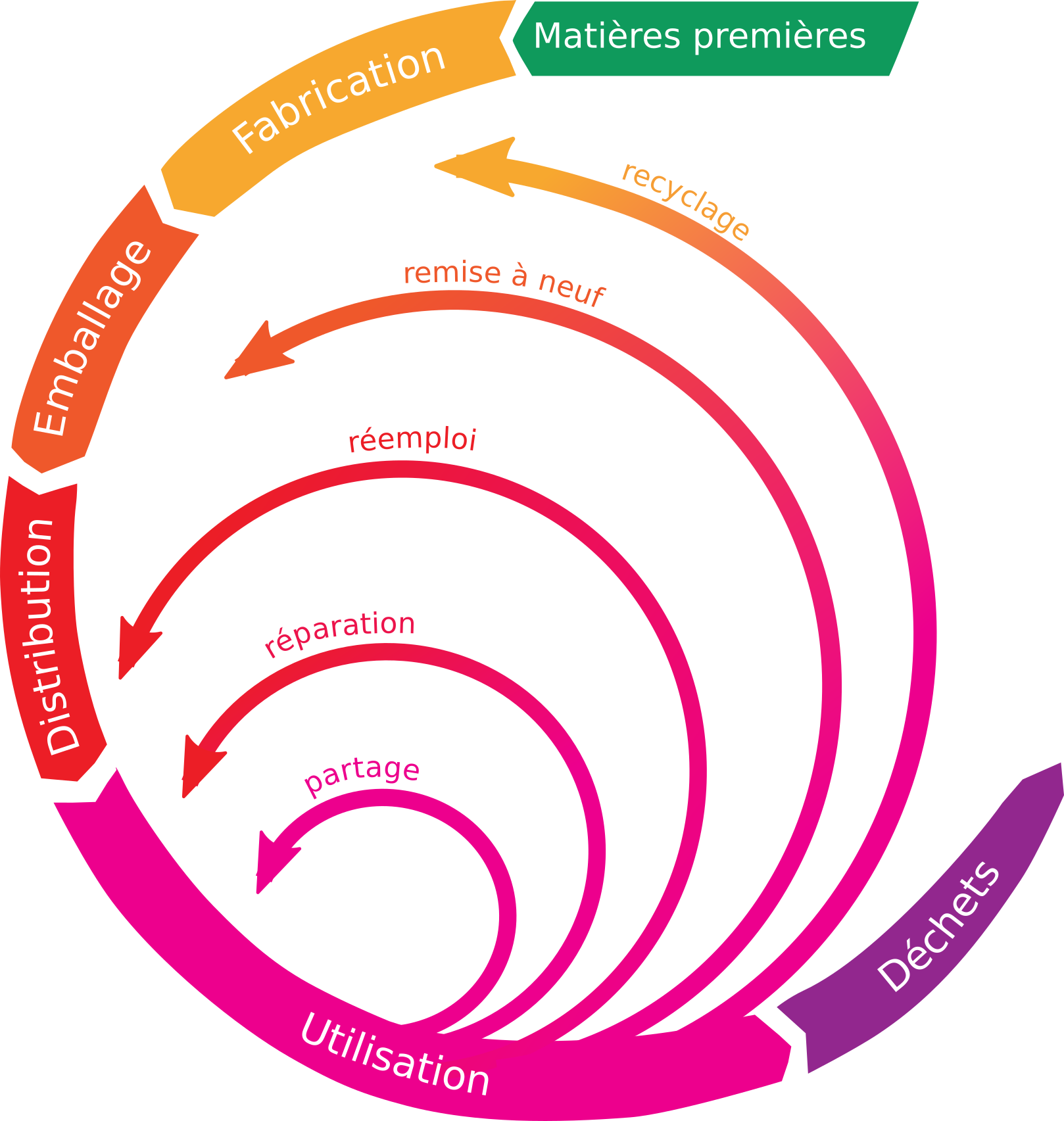


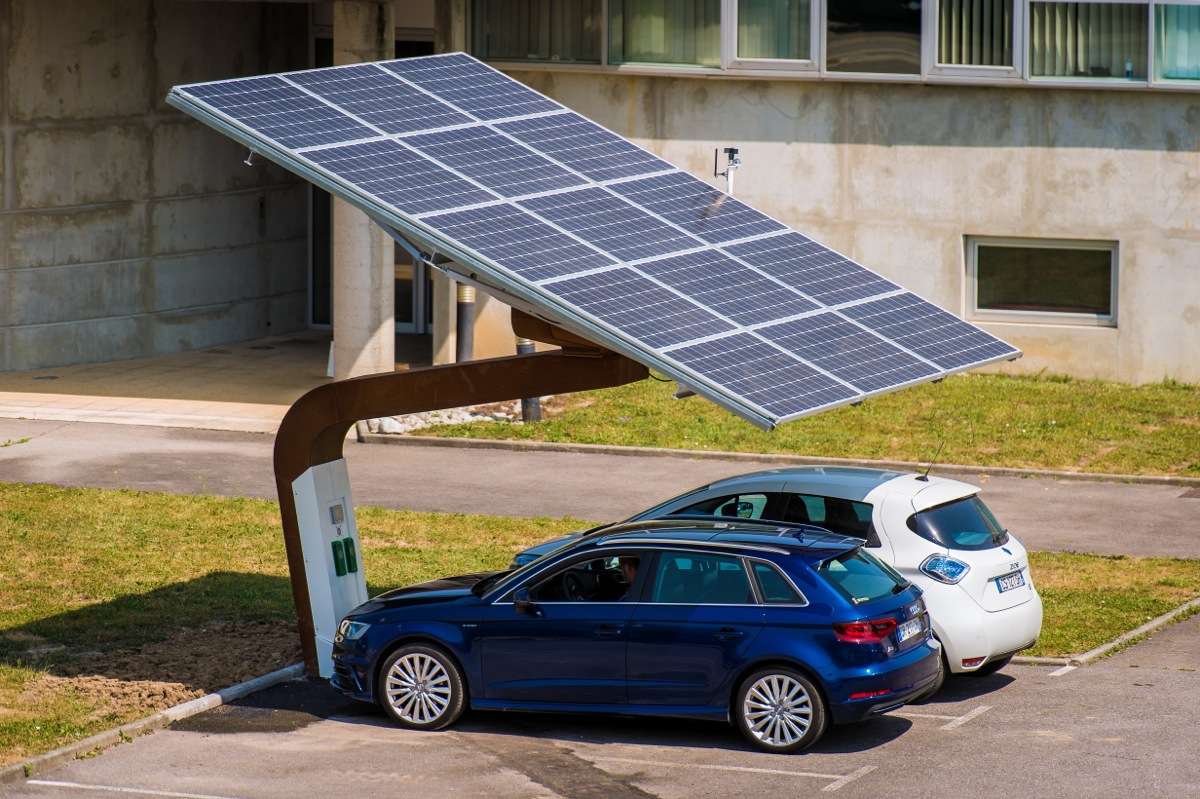
































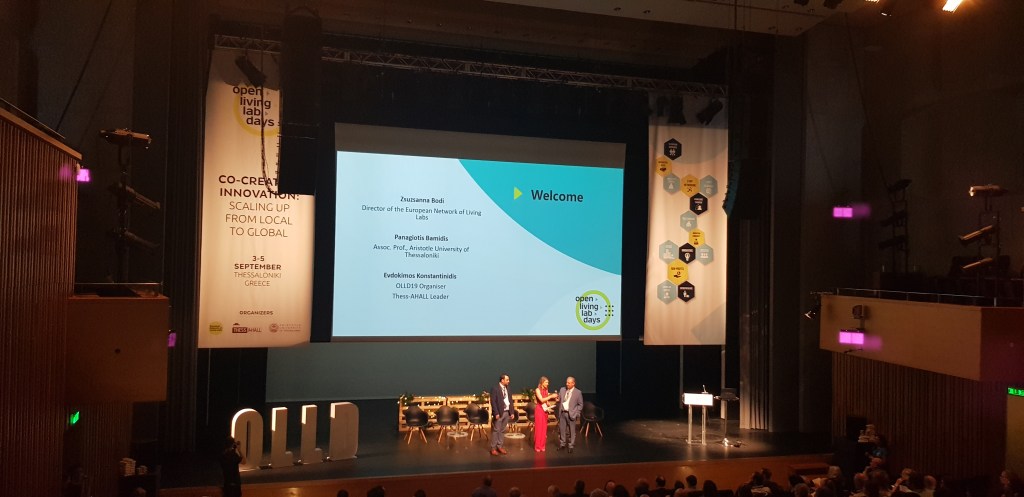
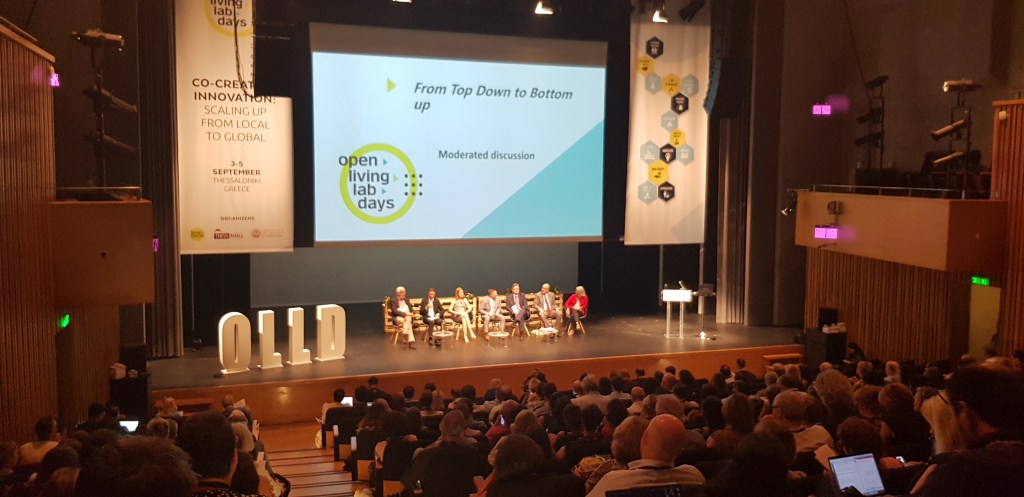






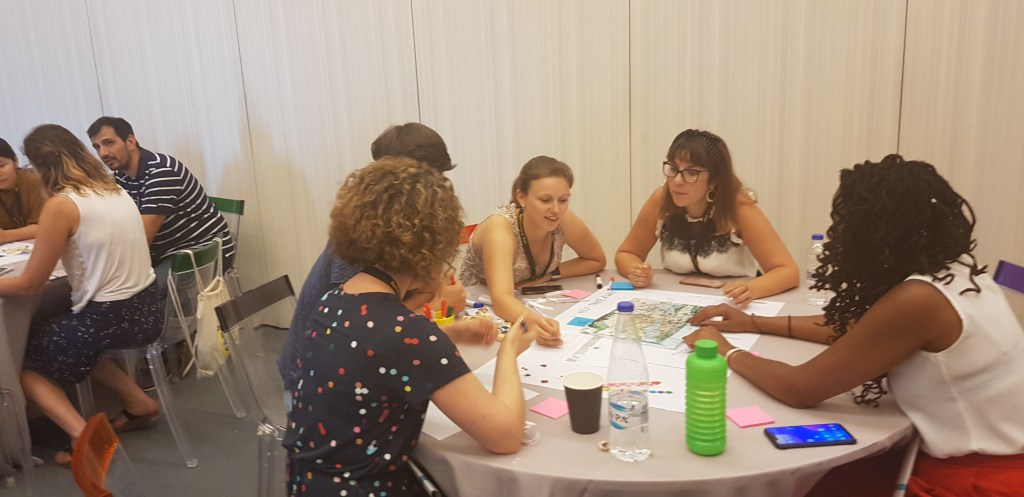
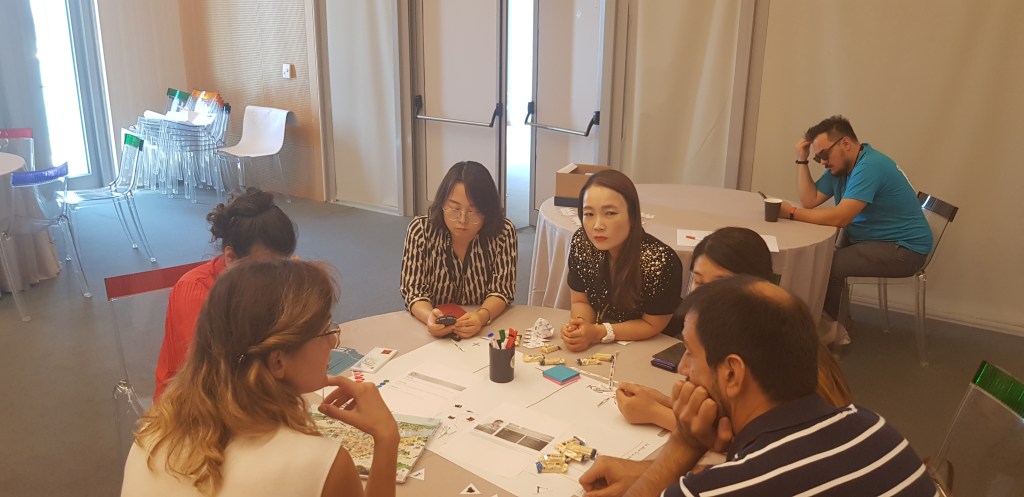
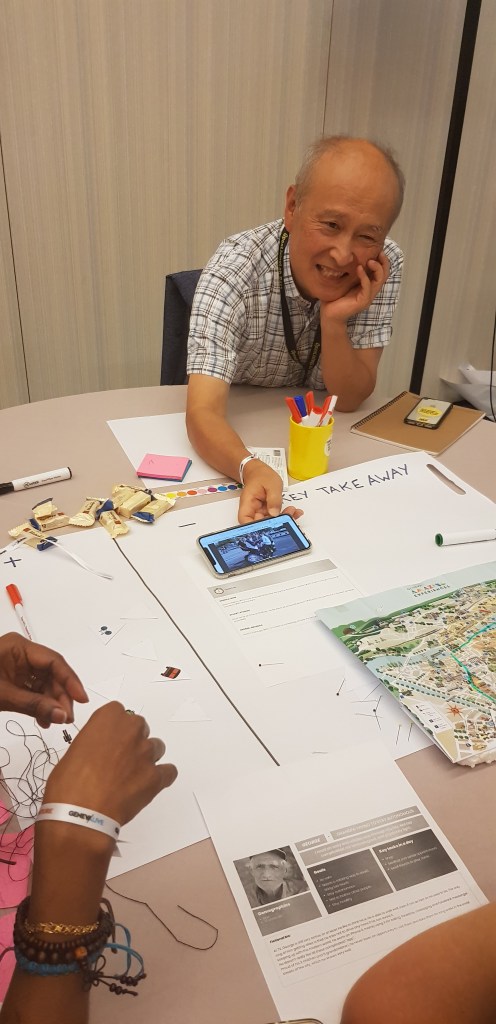








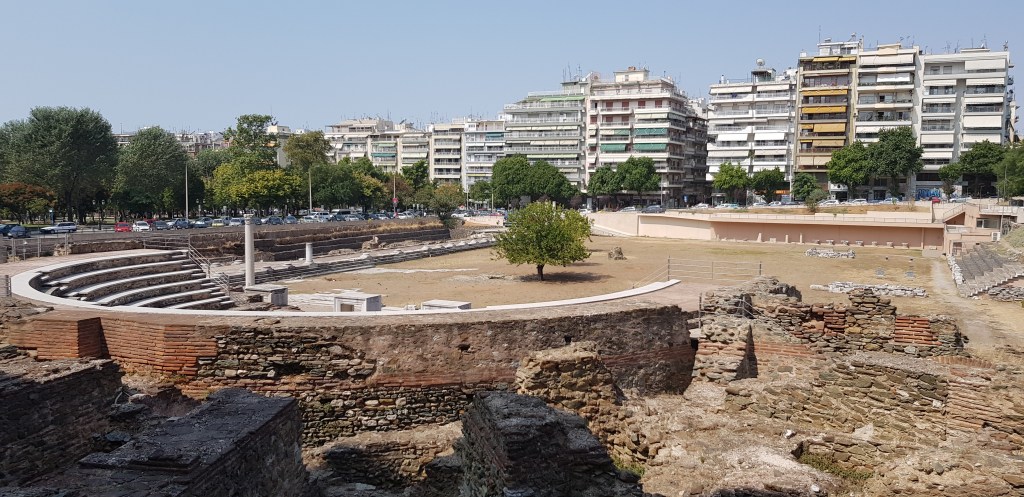

















 Shaping tomorrow
Vous devez être connecté pour poster un commentaire.