Key Insights from the Frontlines of Decarbonization
The transition to a low-carbon economy is no longer just about setting targets; it’s about the « how. » Recent climate action benchmarks reveal a shift toward sophisticated, integrated solutions that prove sustainability and profitability aren’t just compatible—they are mutually reinforcing.
From the depths of the Amazon to the precision of 3D-printed infrastructure, here are the dominant themes and practical takeaways shaping the corporate sustainability landscape today.
Core Thematic Insights
1. The Scope 3 Frontier
The most significant impact often lies outside a company’s four walls. We are seeing a massive pivot toward value chain engagement. Leading organizations are no longer just asking suppliers for data; they are actively co-creating solutions through reverse logistics and circular material use to tackle upstream and downstream emissions.
2. The Circular Economy as a Financial Lever
« Waste » is being rebranded as a resource. Converting pharmacy paper waste into packaging or re-refining used lubricating oil into base oil isn’t just an environmental win—it’s a cost-saving measure. By transforming waste, companies are simultaneously cutting emissions and insulating themselves from raw material price volatility.
3. Nature, Forests, and Finance
In regions like the Amazon, conservation is becoming a business model. By combining blockchain-based forest assets with financial inclusion and conservation finance, companies are aligning their growth with the protection of biodiversity and community development.
4. Technology Meets Process Change
There is no « silver bullet » solution. The most effective actions mix:
Digital Tools: Satellite monitoring and blockchain for transparency.
Engineering Innovation: 3D-printed concrete foundations that reduce material use.
Governance: Green equity designations and supplier reward programs.
Real-World Excellence: Illustrative Examples
Sector
Innovation in Action
Agriculture
Outcome-based payments in dairy that reward farmers for specific progress in animal welfare, grazing, and carbon sequestration.
Industry
3D-printed foundations for substations that reduce both project timelines and carbon footprints.
Finance
The rise of « Green Equity » designations on stock exchanges, helping investors identify firms with majority green revenues.
Supply Chain
Decarbonization networks that provide suppliers with free consulting and diagnostics to set science-based targets.
Practical Takeaways for Your Organization
Start Where the Leverage Is
Don’t get stuck in the « incrementalism trap » of only looking at direct operations. Working with financial partners, customers, and tier-one suppliers often delivers a much larger total impact.
Pair Incentives with Support
If you want your partners to change, you must enable them. High-impact cases show that incentive schemes (like supplier awards) only work when paired with technical assistance and data tools.
Build Radical Partnerships
Systemic change is a team sport. Whether it’s collaborating with NGOs, industry platforms like CEBDS, or investment banks, the most successful climate actions are built on coalitions rather than solo efforts.
Test, Learn, and Scale
The path to net-zero is paved with pilots. Distinguish your « quick wins » from long-term structural changes. Test a model in a single region or product line, prove the ROI, and then scale across the enterprise.
I’m thrilled to share some exciting news — Achiever Magazine has featured me among “The 10 Most Visionary Business Leaders Making Waves in Industry, 2026.”
This recognition is much more than a personal milestone. It reflects the incredible journey of Syntezia Sàrl and the communities of values AgileNetup and Hack Your Style that believes in blending innovation, human creativity, and sustainability to build a better business future.
Being acknowledged alongside such forward-thinking leaders is both humbling and energizing.
It’s a reminder of why purpose-driven innovation matters — not just for growth, but for shaping meaningful progress that benefits people and the planet.
A heartfelt thank you to the Achiever Magazine team for showcasing these inspiring stories and for giving a voice to entrepreneurs and leaders who are making a difference in their fields.
Maîtriser l’IA sans savoir coder : le guide du professionnel 3.0
L’intelligence artificielle (IA) n’est plus un sujet réservé aux ingénieurs ou aux geeks.
Aujourd’hui, des outils puissants permettent à tout professionnel – qu’il soit consultant, marketeur, formateur ou dirigeant – d’intégrer l’IA dans son travail sans écrire une seule ligne de code.
Voici comment transformer ton quotidien professionnel à l’aide de l’IA, simplement et efficacement.
1. Comprendre ce que fait réellement l’IA
Avant de se lancer, il faut rompre avec l’idée que “maîtriser l’IA” signifie construire des algorithmes. En réalité, il s’agit de comprendre comment utiliser les outils existants pour automatiser, analyser et créer. L’IA moderne repose sur trois piliers accessibles :
L’automatisation (emails, tâches répétitives, gestion de données).
L’analyse de texte ou de données pour la prise de décision.
La génération de contenu intelligent : texte, images, vidéos, discours.
L’objectif n’est pas de coder, mais de piloter l’IA comme un outil stratégique.
2. Les outils no-code à connaître en 2026
Le paysage technologique regorge d’outils “no-code” qui démocratisent l’IA :
ChatGPT / Perplexity pour la recherche, la synthèse et la rédaction.
Notion AI ou ClickUp AI pour la gestion de projets assistée.
Canva Magic Studio pour créer des visuels ou présentations intuitives.
Runway, Pika ou Descript pour la création vidéo automatisée.
Zapier, Make, et Airtable AI pour automatiser des workflows complexes.
Ces solutions nécessitent de la curiosité et un peu de méthode, mais pas de compétences techniques.
3. Devenir un “AI Strategist” plutôt qu’un technicien
Les entreprises recherchent de plus en plus des profils capables de poser les bonnes questions aux IA et d’intégrer leurs résultats dans des stratégies concrètes. Cela s’appelle le prompt engineering : l’art de donner des instructions précises à une IA pour obtenir des résultats utiles.
Exemple : au lieu de demander “écris-moi un mail”, tu peux indiquer “rédige un mail commercial de 100 mots, ton professionnel, pour présenter une offre de conseil en greentech à un directeur RSE”. Résultat : une réponse pertinente et immédiatement exploitable.
4. Créer sa propre “boîte à outils IA”
Pour aller plus loin, construis ta stack IA personnelle :
Un outil d’écriture et d’analyse (ChatGPT, Claude, Perplexity).
Un moteur de création visuelle (Canva, Leonardo AI).
Un outil d’automatisation (Zapier).
Un système d’organisation (Notion/ClickUp).
L’idée est d’orchestrer ces outils pour gagner du temps, renforcer ta créativité et te positionner comme un professionnel augmenté.
5. Prendre l’avantage compétitif dès maintenant
Les professionnels qui utilisent l’IA sans coder sont aujourd’hui ceux qui innovent le plus vite. Le secret réside moins dans la technologie que dans la capacité à expérimenter, itérer, et comprendre les opportunités que l’IA ouvre dans ton métier.
En 2026, maîtriser l’IA, ce n’est pas devenir programmeur : c’est devenir architecte des intelligences qui t’entourent. Si tu sais poser les bonnes questions, tu sais déjà coder… avec des mots.
The Dealmaker’s Digital Co-Pilot: How AI is Revolutionizing Mergers & Acquisitions
In the high-stakes world of Mergers and Acquisitions (M&A), information is currency and speed is the ultimate competitive advantage.
For decades, the industry relied on armies of analysts burning the midnight oil to sift through data rooms.
Today, that paradigm is shifting.
Artificial Intelligence (AI) is no longer just a buzzword in finance; it is becoming a fundamental infrastructure for dealmaking.
By augmenting human intuition with computational power, AI is transforming M&A from a reactive, labor-intensive process into a proactive, data-driven discipline.
Phase 1: Deal Sourcing & Origination
The traditional approach to finding a target company often relied on personal networks, limited databases, and « who you know. » AI blows the aperture wide open.
Market Scanning at Scale: AI algorithms can scan millions of private companies globally, analyzing unstructured data that traditional screeners miss. This includes patent filings, social media sentiment, web traffic patterns, and hiring trends.
Predictive Targeting: Instead of waiting for a company to go up for sale, AI models can identify « pre-sale » signals—such as a sudden change in executive leadership or a shift in capital expenditure—alerting buyers to a potential opportunity before it hits the market.
Strategic Fit Analysis: Machine learning models can analyze a buyer’s existing portfolio and automatically suggest targets that offer the highest synergy potential, scientifically validating the strategic rationale before a handshake ever takes place.
Phase 2: Due Diligence – The Efficiency Engine
Due diligence is historically the bottleneck of M&A—a grueling process of reviewing thousands of contracts and financial records. This is where AI’s impact is most immediate and tangible.
Key Stat: AI tools can reduce contract review time by up to 30-90%, allowing teams to focus on strategy rather than syntax.
Automated Document Analysis
Modern Virtual Data Rooms (VDRs) are now equipped with Natural Language Processing (NLP). These tools can ingest thousands of PDFs and instantly extract key clauses.
Red Flag Detection: AI can instantly flag problematic « change of control » clauses, non-compete expirations, or unusual indemnity terms across thousands of supplier contracts.
Financial Forensics: AI auditors can scan general ledgers to identify accounting irregularities or revenue recognition anomalies that a weary human eye might miss after 12 hours of review.
Phase 3: Valuation & Modeling
Valuation has always been part art, part science. AI pushes the « science » aspect further, reducing the reliance on static Excel spreadsheets and « gut feeling. »
Scenario Modeling: AI can run Monte Carlo simulations on a massive scale, testing thousands of variables (market conditions, supply chain shocks, interest rates) to provide a probability-weighted range of outcomes rather than a single static valuation.
removing Bias: Human dealmakers often suffer from « deal fever »—becoming emotionally invested in a transaction. AI offers an objective « second opinion » based purely on historical data and predictive analytics, helping investment committees avoid overpaying.
Phase 4: Post-Merger Integration (PMI)
More than half of all M&A deals fail to realize their projected value, usually due to failed integration. AI acts as a bridge during this fragile transition.
Cultural Compatibility: Advanced sentiment analysis can scan internal communications (like Glassdoor reviews or sanitized internal emails) to map the cultural « DNA » of both firms, predicting where friction will occur so leaders can address it proactively.
Operational Synergies: AI tools can map IT systems and supply chains of both merged entities to instantly identify duplicate redundancies and optimal integration paths, accelerating the « Day 1 » readiness.
The Strategic Advantage: Why Adopt Now?
Benefit
Description
Speed to Close
Accelerates the timeline from LOI (Letter of Intent) to Close, reducing the risk of deal fatigue or market shifts killing the transaction.
Risk Mitigation
Uncovers « skeletons in the closet » during diligence that manual sampling would miss.
Cost Efficiency
Reduces legal and advisory billable hours spent on low-level document churning.
Data Advantage
Provides a competitive edge in auctions by allowing bidders to price deals with higher confidence and speed.
The Human Element
It is crucial to note that AI is not replacing the investment banker or the M&A lawyer.
It is elevating them. By automating the drudgery of data collection and review, AI frees up senior professionals to do what they do best: negotiate, strategize, and build relationships.
Conclusion
The future of M&A is not « AI vs. Human »; it is « AI-Enabled Human. »
Firms that refuse to adopt these technologies risk being left behind—outpaced by competitors who can source better deals faster, diligence them more thoroughly, and integrate them more successfully.
Rewiring for value: How SMEs and the Public Sector can seize the AI advantage
The era of AI experimentation is over.
According to McKinsey’s “The State of AI: Global Survey 2025,” organizations are moving past pilots and fundamentally “rewiring” their core operations to capture trillions in potential economic value.
With over 88% of organizations now reporting AI use in at least one business function—and the adoption of Generative AI (Gen AI) spiking across the board—the competitive landscape is shifting rapidly.
For Small and Medium-sized Enterprises (SMEs) and Public Sector organizations, this shift presents both an existential challenge and a massive opportunity.
The 2025 survey highlights that the true advantage lies not in adopting the technology, but in the transformation it drives.
1. AI for SMEs: Bridging the Adoption Divide
The McKinsey survey is clear: larger organizations (those with over $500 million in revenue) are accelerating their AI transformation faster than smaller counterparts. This trend signals a growing AI divide, largely because extracting value requires structural changes—including redesigning workflows, dedicating C-suite oversight, and making significant talent investments—which often strain the limited resources of SMEs.
The SME Strategy: Focus on Targeted, High-Impact Gen AI
Instead of attempting enterprise-wide overhauls, the successful SME must focus on adopting AI in strategic areas where low-cost Gen AI tools can deliver immediate, measurable impact:
Customer Operations: Deploying Gen AI assistants to deflect routine queries and reduce customer handle time is a low-barrier-to-entry use case cited in the survey findings. This frees human staff to handle complex issues, a direct path to improving customer satisfaction and competitive differentiation.
Marketing and Sales: Leveraging AI for content creation, personalized customer outreach, and audience modeling can dramatically boost marketing performance and accelerate time-to-market without requiring large, dedicated teams.
Software Engineering (for tech-focused SMEs): Gen AI coding assistants significantly augment developer productivity, allowing small teams to achieve disproportionate output.
From Technology to Transformation
The most crucial takeaway for SMEs is that the value of AI is unlocked through workflow redesign. Simply layering AI onto existing broken processes will yield minimal results. SMEs must:
Prioritize Reskilling: The report notes that organizations are increasingly focused on upskilling existing staff rather than just hiring scarce AI talent. For SMEs, this is vital. Retraining employees to work alongside AI tools (e.g., prompt engineering, data literacy) is more feasible and cost-effective than a large-scale hiring spree.
Adopt Hybrid Governance: Smaller organizations are more likely to use hybrid or partially centralized models for AI adoption. This flexible approach, which distributes some resources across functions while maintaining central oversight for data standards, allows SMEs to adapt quickly without the rigidity of a massive Center of Excellence.
2. The Public Sector: Scaling Efficiency and Trust
For Public Sector organizations, AI’s potential is measured not just in EBIT (Earnings Before Interest and Taxes) impact, but in improved citizen services, operational efficiency, and strengthened compliance. While the Public Sector was not exclusively detailed, the survey’s findings on the necessity of governance and structural change apply directly to government bodies and agencies.
AI’s Value Proposition in Governance and Operations
Public Sector entities must focus on the AI use cases that streamline complex, high-volume processes and enhance decision-making:
Operations and Efficiency: Implementing AI for predictive maintenance (e.g., infrastructure), smart scheduling (e.g., transport, resources), and automated workflows can cut operational downtime and dramatically improve throughput—core drivers of public service value.
Risk and Compliance: AI-driven anomaly detection strengthens fraud prevention and enhances regulatory reporting capabilities, a critical function for maintaining public trust and fiscal responsibility.
Citizen Engagement: Using Gen AI for service portals can deflect routine citizen queries (e.g., license renewals, benefits information), ensuring 24/7 service availability and reducing the burden on human staff.
The Imperative of Responsible AI Governance
A standout theme in the 2025 survey is the maturation of Responsible AI (RAI). As AI scales, so do risks related to:
Inaccuracy/Hallucination in Gen AI outputs.
Data privacy and cybersecurity vulnerabilities.
Ethical concerns around bias and explainability.
For the Public Sector, where services must be equitable and transparent, formal AI governance is non-negotiable. McKinsey notes that executive ownership of AI governance is a key differentiator for success. Public sector leaders must follow suit, moving beyond awareness to implement robust model monitoring tools, formal review boards, and transparency standards for every AI application. Responsible deployment builds the critical public trust necessary for widespread AI adoption in government services.
Conclusion: Transformation, not just technology
The McKinsey “State of AI: Global Survey 2025” serves as a rallying cry:
AI is no longer a side project; it is now a strategy lever.
Whether it’s an SME looking to maximize a small team’s output or a government agency aiming to serve millions more efficiently, success hinges on the willingness to fundamentally redesign workflows and treat AI as a core organizational design question.
The organizations that are succeeding are those focused on embedding AI into their corporate strategy, prioritizing reskilling, and building robust governance frameworks. For SMEs and the Public Sector alike, the future advantage belongs to those who adapt now and start the essential work of rewiring their enterprises for the age of artificial intelligence.
🏙️ Crafting a Greener Urban Economy: A Blueprint for Sustainable Prosperity
The future of global prosperity is intrinsically linked to the sustainability of our cities.
As urban centers continue to grow, the need to transition from a linear, « take-make-waste » model to a green and circular urban economy has never been more urgent.
A greener urban economy is not merely an environmental policy; it is a comprehensive strategy for economic growth that enhances well-being, promotes equity, and protects the planet’s ecological limits.
Foundational Principles of a Green Urban Economy
A successful transition is built on a few core, interconnected principles:
The Planetary Boundaries Principle: The economy must operate within the ecological limits of the planet. This means safeguarding, restoring, and investing in natural capital—like air, water, and biodiversity—and employing the precautionary principle to avoid irreversible damage.
The Circularity Principle: Moving away from a linear system, the green economy is inherently circular. This involves designing out waste and pollution, keeping products and materials in use at their highest value through reuse, refurbishment, and recycling, and regenerating natural systems.
The Well-being Principle: The primary purpose of a green economy is to create genuine, shared prosperity that supports the well-being of all residents. This includes not just financial wealth but also social, physical, and natural capital, ensuring access to essential services and opportunities for green and decent livelihoods.
The Justice Principle: Transition must be inclusive and equitable, sharing both benefits and costs fairly across generations and communities. It promotes a just transition, ensuring vulnerable groups are not left behind.
Key Strategies for a Green Urban Transformation
To operationalize these principles, cities must adopt multi-faceted, interconnected strategies across several key sectors:
1. Sustainable Infrastructure and Energy 💡
The built environment is a major energy consumer. Greening this sector is paramount.
Energy-Efficient Buildings: Implement stringent green building certification standards (like LEED or BREEAM) for all new construction and mandate retrofitting programs for existing buildings.8 This includes using high-quality insulation, efficient HVAC systems, and passive solar design.
Renewable Energy Integration: Decouple energy use from fossil fuels.9 Promote the integration of renewable energy technologies like solar panels and wind turbines into building designs and city infrastructure.10 For example, the city of Zurich gets about 90% of its power from renewable sources.11
Green Infrastructure (GI): Integrate nature-based solutions into city planning.12Green roofs (like those mandated in Basel, Switzerland), urban forests, and permeable pavements manage stormwater runoff, reduce the Urban Heat Island Effect, and improve air quality.13
2. Smart and Sustainable Mobility 🚲
Rethinking how people and goods move reduces emissions and enhances public health.14
Prioritize Public Transit and Active Transport: Invest heavily in efficient, electric public transit systems.15 Create extensive networks of dedicated cycling lanes and pedestrian-friendly streets, fostering a culture of active commuting.16Copenhagen, Denmark, is a world leader, with over half its residents commuting by bicycle.17
Embrace Smart Traffic Solutions: Utilize modern technologies for real-time tracking and smart traffic management to optimize flow and reduce congestion.18
Incentivize Electric Vehicles (EVs): Promote the adoption of electric vehicles and ensure a robust, city-wide network of charging stations.19Oslo, Norway has seen over 80% of its new car sales be electric, driven by strong incentives.20
3. Waste Management and Circularity ♻️
A green economy views waste as a resource.
Comprehensive Recycling and Composting: Implement comprehensive and easily accessible programs for recycling and composting.21
Adopt Circular Economy Policies: Implement policies that reduce single-use plastics and encourage product stewardship, where manufacturers are responsible for the entire lifecycle of their products.22 This aligns with the three circular economy principles: eliminate, circulate, and regenerate.
Innovative Waste-to-Resource Programs: Initiatives like Curitiba, Brazil’s « Green Exchange Program, » where residents trade recyclables for fresh produce, create both environmental and social benefits.23
4. Urban Agriculture and Local Food Systems 🍎
Localizing food production increases resilience and minimizes food miles.
Urban Farming and Gardens: Transform underutilized lots into productive community gardens, rooftop farms, and vertical farms.24 This not only provides fresh, healthy food but also creates green jobs and enhances community cohesion, as seen in projects like Growing Home, Inc. in Chicago.
Support Local and Sustainable Businesses: Provide incentives and support systems for local enterprises that adhere to sustainable production and consumption practices.
Benefits: Beyond Environmental Protection
The transition to a greener urban economy delivers powerful benefits that make cities more prosperous and resilient:
Benefit Category
Impact
Economic
Increased property values near green spaces; job creation in green sectors (e.g., green infrastructure, renewable energy); reduced energy and infrastructure costs for the city (e.g., less spent on stormwater management).
Social
Improved public health (reduced air pollution, increased physical activity); enhanced social cohesion and stronger community ties; a more equitable distribution of environmental benefits.
Environmental
Mitigation of the urban heat island effect; cleaner air and water; increased biodiversity within the city; and significant carbon sequestration.
Creating a greener urban economy is a complex, long-term project that requires collaboration among city governments, businesses, and citizens. By prioritizing smart, sustainable urban planning and embracing the principles of circularity and justice, cities can successfully transition to a model that delivers prosperity for all, within the limits of our planet.
🇪🇸 The Barcelona Superblocks Project: Reclaiming the City for People
The Barcelona Superblocks (or Superilles in Catalan) project is a compelling case study in creating a greener, more livable urban economy through radical urban redesign. It serves as a direct, actionable model for the principles of sustainability, circularity, and well-being discussed previously.
What is a Superblock?
A Superblock is an urban planning unit that typically groups nine standard city blocks (a 3×3 grid) into a single, larger neighborhood unit. The core concept is to redirect through-traffic to the perimeter roads, effectively reclaiming the inner streets for residents and community use.
Structure: It transforms the traditional road hierarchy. The surrounding streets handle major vehicle traffic, while the interior streets become « green streets » or citizen spaces.
Mobility: Vehicle access inside the Superblock is severely restricted to residents, delivery vehicles, and emergency services, with a maximum speed limit of 10 km/h (about walking speed).
Space Reallocation: This shift in mobility frees up to 70% of public space previously dedicated to cars (roads and parking).
🌿 Impact on Sustainability and Well-being
The Superblocks project is a holistic environmental and social intervention that delivers measurable benefits:
Area of Impact
Key Benefits & Statistics
Economic/Social Value
Air Quality
Significant reduction in air pollutants. The Sant Antoni Superblock saw a 33% reduction in NO2 levels (Nitrogen Dioxide, a key traffic pollutant).
Reduced public health costs associated with respiratory illnesses and premature deaths.
Noise Pollution
Interior streets see a sharp drop in noise levels, sometimes by 4 dB or more.
Improved quality of life, better sleep, and reduced mental health strain related to constant noise exposure.
Green Space
Reclaimed street areas are transformed into public squares, playgrounds, and urban green spaces, helping to combat the city’s low per-capita green space ratio.
Increased biodiversity, reduction of the Urban Heat Island Effect, and improved aesthetic appeal of the neighborhood, which can boost local property values.
Physical Activity
Safe, pleasant streets encourage walking and cycling. The policy promotes active transportation over sedentary commuting.
Improved public health outcomes from increased physical activity.
Social Cohesion
New public spaces become hubs for social interaction, community events, leisure, and play for children.
Stronger local communities and a more vibrant public life, fostering a sense of belonging and equity.
📈 Economic and Urban Planning Implications
The Superblocks model is a prime example of « tactical urbanism »—implementing low-cost, adaptable, and often temporary changes to test and refine a long-term urban vision.
Low Cost, High Impact: The initial interventions (changing signage, traffic direction, adding street furniture) are relatively low-cost compared to major infrastructure projects (like building subways or new highways). This makes the model financially viable and scalable.
Support for Local Business: By creating a more pedestrian-friendly environment, the Superblocks have been observed to increase foot traffic, which in turn supports local cafes, restaurants, and small retail shops. The shift prioritizes the local economy over drive-through commerce.
Redefining Mobility: The project is integrated with a broader city-wide strategy, including the expansion of the orthogonal bus network and the bike lane network, ensuring that while private vehicle use is disincentivized, efficient public transport alternatives are readily available.
The Barcelona Superblocks demonstrate that radical, people-centric urban redesign is a powerful, economically sound, and sustainable path for developing a greener urban economy. It successfully reclaims valuable public space and shifts the priority of the city from the movement of cars to the well-being and interaction of its citizens.
🇩🇰 Copenhagen’s Cycling Infrastructure vs. Barcelona’s Superblocks: Two Paths to a Greener Urban Economy
The green urban initiatives in Copenhagen and Barcelona offer two distinct, yet highly effective, blueprints for prioritizing people and the planet over private cars. While Barcelona’s Superblocks represent a radical, localized territorial intervention, Copenhagen’s cycling infrastructure is a comprehensive, network-based overhaul of an entire city’s mobility system.
Comparison of the Models
Feature
Copenhagen: Cycling Infrastructure
Barcelona: Superblocks (Superilles)
Primary Focus
Mobility (Mode Shift): Making cycling the fastest, safest, and most convenient way to commute.
Urban Space (Place-making): Reclaiming public space from cars to create local social and green hubs.
Neighborhood-level Clusters: Redesigning traffic flow within 3×3 block grids.
Goal
Achieve a 50% modal share for cycling for commuter trips (goal by 2025/2030) and $\text{CO}_2$ neutrality (goal by 2025).
Drastically reduce vehicular traffic, noise, and air pollution, and ensure every resident has a green space within 200m.
Mechanism
Infrastructure Investment: Heavy and sustained investment in high-quality, segregated, and connected cycle tracks.
Traffic Management: Redesigning the traffic grid (Cerdà’s grid) to reroute through-traffic to the perimeter.
1. Copenhagen: The Network-First Approach 🚲
Copenhagen’s strategy is built on the premise that people will cycle if it is demonstrably safer, faster, and easier than driving or using public transport.
Dedicated and Segregated Infrastructure: The key is the extensive network of raised, curbed cycle tracks that separate cyclists from both pedestrian sidewalks and vehicle traffic. This provides a high level of physical and perceived safety, making cycling accessible for all ages and abilities.
The Socio-Economic Case: Copenhagen has meticulously tracked the economic benefits of its cycling culture. Studies consistently show that the socio-economic benefit of a kilometer cycled outweighs the cost of a kilometer driven by car (due primarily to health savings from physical activity). Society gains DKK 4.79 (approx. €0.64) for every kilometer cycled.
Green Waves and Superhighways: The city uses Intelligent Transport Systems (ITS) to create « green waves » on major roads, where traffic lights are timed to allow cyclists traveling at an average speed of 20 km/h to pass through multiple intersections without stopping. Cycle Superhighways extend this efficient network into the wider metropolitan area.
2. Barcelona: The Place-making Approach 🌳
The Superblocks initiative focuses on redesigning the urban fabric to reclaim space from the « arrogance of the car » and return it to public life.
Reclaiming Public Space: By eliminating through-traffic within the nine-block unit, Barcelona transforms intersections into public squares and the interior streets into green, pedestrian-priority corridors. This directly addresses the critical lack of green space in the densely populated city.
Decentralized Benefits: The benefits are highly localized and tangible: residents in Superblock areas experience significant reductions in noise pollution and $\text{NO}_2$ levels, leading to quantifiable improvements in health and quality of life. The Institute for Global Health estimated that wide-scale Superblock implementation could prevent hundreds of premature deaths annually.
Forcing Modal Shift: Unlike Copenhagen, which entices people to cycle, Barcelona’s model forces a reduction in car use by making it highly inconvenient (rerouted traffic, 10 km/h speed limits inside the blocks). This creates a new mobility environment where walking, cycling, and public transport are the default, best options for local trips.
Synergies for a Greener Urban Future
Both models offer critical lessons for a greener urban economy:
Investment Justification: Copenhagen demonstrates that investment in sustainable mobility has a high, measurable socio-economic return, primarily through health savings and reduced congestion costs.
Multifunctional Space: Barcelona shows the power of repurposing urban space. By viewing a street as a flexible public asset rather than a fixed traffic conduit, cities can maximize ecological, social, and economic value simultaneously.
Holistic Design: The most resilient green cities will likely adopt elements of both: an efficient, city-wide, safe Copenhagen-style network for commuting and through-travel, combined with Barcelona-style decentralized placemaking to create vibrant, healthy neighborhood centers.
💰 The Economic Case for Cycling: Copenhagen’s Socio-Economic Calculation
You’re asking for the core economic justification behind Copenhagen’s aggressive promotion of cycling. The city uses a detailed Cost-Benefit Analysis (CBA) framework that calculates the socio-economic return of cycling compared to other modes of transport, primarily driving.
The key finding is not just that cycling is cheaper to support than driving, but that it generates a significant net benefit for society, while driving creates a net cost.
The Calculation: Net Societal Gain per Kilometre
Copenhagen’s analysis, as conducted by local and national authorities, quantifies the total impact of travel by factoring in various costs and benefits that are usually externalized (i.e., not paid for directly by the traveler).
The most commonly cited result shows that for every kilometer traveled:
Cycling: Society realizes a net gain of DKK 4.79 (Danish Kroner, approximately €0.64 or $0.69).
Driving a Car: Society incurs a net loss of DKK 0.69 (approximately €0.09 or $0.10).
This dramatic difference is due to the costs and benefits that are included in the calculation:
Negative Impact (due to sedentary lifestyle contribution)
Air Quality
Reduced emissions and associated public health costs.
Large Benefit (zero emissions)
Significant Cost
Climate Change
CO2 emissions and global warming costs.
Benefit (zero emissions)
Cost
Congestion
Time lost by others due to delays.
Benefit (takes up less space, less likely to cause congestion)
Significant Cost
Infrastructure
Maintenance and construction of roads/paths.
Cost (less than car infrastructure)
Cost (highest)
Accidents
Economic costs of injuries and fatalities (treatment, lost work).
Cost
Cost (higher risk of severe accidents)
The Dominant Factor: Public Health 🏥
The single largest differentiator in this socio-economic analysis is the Public Health Benefit derived from physical activity.
Reduced Healthcare Costs: Regular physical activity (like cycling) significantly reduces the incidence of chronic diseases, including type 2 diabetes, cardiovascular disease, and certain cancers. This translates directly into lower national healthcare expenditures.
Increased Productivity: Healthier citizens take fewer sick days and are more productive during their working hours. This provides a direct boost to the national economy.
Longevity and Quality of Life: The extended, healthier life years realized by cyclists are assigned a high economic value in the calculation.
Crucially: The health benefit of cycling far outweighs the costs associated with things like cycle track maintenance or the slight increase in accident risk compared to being sedentary.
Why the Loss for Cars? 📉
The negative value assigned to driving is primarily driven by three externalized costs:
Congestion Costs: The time lost by all travelers due to a single car on the road is a huge burden on the economy.
Air Pollution Costs: The local emissions lead to direct health damages and healthcare expenses for the public.
Climate Costs: The contribution to global CO2 emissions is factored in as an economic cost.
Copenhagen’s financial case for cycling is robust because it recognizes that transport policy is fundamentally a public health policy and an environmental policy. By making the active, sustainable choice the most economically beneficial for society, the city has created a virtuous cycle of investment, health, and green prosperity.
📈 The Economic Justification for Copenhagen’s Cycle Superhighways
The Cycle Superhighways (CSH) project in the Greater Copenhagen Region is a powerful example of using the detailed socio-economic benefits of cycling to justify a massive public infrastructure investment. This isn’t just about building bike lanes; it’s about creating a regional network that directly competes with car and public transport for long-distance commuters.
Key Financial Metrics and Returns
The economic case for the CSH network, which involves over 850 km of planned high-quality routes across 30 municipalities, is overwhelmingly positive:
Socio-Economic Surplus: The entire planned network is estimated to yield a socio-economic surplus of approximately $765 million (€765 million).
Internal Rate of Return (IRR): The project is estimated to have an Internal Rate of Return (IRR) of 11% to 23%. This figure represents the project’s profitability compared to the cost of capital. Crucially, this IRR often exceeds that of major road, railway, or subway projects in Denmark, demonstrating that it is one of the country’s most profitable public infrastructure investments.
Health Savings: The estimated annual savings in societal health costs alone reach approximately $40 million (€300 million DKK), due to the increased physical activity of thousands of commuters.
🏥 How the Economic Benefits Are Generated
The high return on investment is achieved by focusing on the same non-local, external benefits highlighted in the general cost-benefit analysis:
1. Targeting Long-Distance Commuters
The primary goal of the CSH is to attract commuters who travel 5 to 30 kilometers one-way—the distance where cars traditionally dominate. The CSH achieves this by prioritizing Speed, Comfort, and Safety for the cyclist:
Speed: Routes are direct with minimal stops. They use « green waves »—traffic lights timed to remain green for cyclists traveling at a steady speed (e.g., 20 km/h)—to eliminate frustrating waiting times.
Comfort: The routes feature smooth surfaces, consistent quality across municipal borders, and dedicated rest/service points.
Safety: The paths are often curb-separated and wide, ensuring a high level of both physical and perceived safety, making them attractive to new and less experienced cyclists.
2. Converting Car Commuters (Modal Shift)
The economic model is validated by the successful conversion of drivers. Evaluations of the completed CSH routes show an average increase in cyclists of around 23%, with approximately 14% of the new cyclists previously traveling by car.
By switching from car to bike for a long commute, society gains two economic advantages simultaneously:
The net loss incurred by the car trip (congestion, pollution, health costs) is eliminated.
The net gain generated by the cycle trip (health benefits, zero emissions) is realized.
The combined impact creates a significant socio-economic surplus.
3. Reducing System-Wide Costs
The CSH acts as an efficient means of congestion reduction in the heavily trafficked Capital Region. Congestion costs the region billions annually. By shifting tens of thousands of commuters off the roads, the CSH improves travel times for all remaining road users (freight, public transit, and cars), further boosting overall regional productivity.
The Governance Innovation
A key factor often overlooked is the institutional success of the CSH. The network spans 30 municipalities that all share different budgets and priorities. The project is governed by a cross-municipal collaboration that ensures a consistent, high-quality standard across all jurisdictional borders. This coordinated approach prevents « bike-lane gaps » that often undermine the effectiveness of single-city projects.
By providing a clear, evidence-based economic case focusing on public health and time savings, Copenhagen secured the necessary political buy-in and funding to create a regional network that serves as a global standard for greener urban mobility.
🤖 The Digital Engine: Smart City Technology in a Green Urban Economy
The transition to a greener urban economy is powered by Smart City technology—the integration of the Internet of Things (IoT), Artificial Intelligence (AI), and Big Data Analytics into urban infrastructure. This technology enables cities to move beyond fixed, reactive management systems to dynamic, data-driven optimization, drastically reducing resource use and waste, and creating new opportunities for green economic growth.
Core Technological Pillars and Green Applications
Smart city components provide the tools to monitor and manage resources with precision, leading to higher efficiency and a lower ecological footprint across every major urban sector.
1. Smart Energy and the Grid 💡
The goal is to move from centralized, polluting power generation to decentralized, clean energy management.
Smart Grids: These two-way communication networks monitor energy demand in real-time. They can integrate variable renewable energy sources (solar, wind) by managing energy flow and allowing buildings to feed excess power back into the system.
Smart Buildings (BMS):IoT sensors in commercial and residential buildings monitor occupancy, temperature, and light levels. A Building Management System (BMS) uses this data and AI algorithms to adjust heating, ventilation, and lighting automatically, leading to energy savings often exceeding 30%. The Edge in Amsterdam is a prime example, often cited as one of the world’s greenest and smartest buildings.
Smart Lighting: Streetlights with IoT sensors dim or turn off when roads are empty, significantly reducing electricity consumption (up to 70% in some cases) while maintaining public safety.
2. Sustainable Resource Management 💧🗑️
Technology minimizes waste and optimizes the use of precious resources like water.
Smart Water Systems: Sensors are embedded throughout the water supply network to detect pressure drops and flow anomalies in real-time. This enables cities (like Barcelona) to instantly identify and repair leaks, preventing massive water loss and reducing costs.
Smart Waste Management:IoT-enabled sensors in public trash bins monitor fill levels. This data is fed into an optimization platform that calculates the most efficient collection routes for sanitation trucks. This reduces fuel consumption, traffic congestion, and CO2 emissions by eliminating unnecessary collection trips (Source: Barcelona achieved a 30% reduction in collection costs).
Environmental Monitoring: A network of air quality sensors across the city provides real-time data on NO2, and ozone. This data informs policy decisions, such as rerouting traffic or guiding the placement of urban green spaces to maximize air purification benefits.
3. Intelligent Transportation Systems (ITS) 🚦
ITS uses data to manage traffic dynamically, prioritizing collective transport and reducing gridlock.
Adaptive Traffic Signals: AI-powered traffic lights adjust signal timings based on real-time vehicle flow and pedestrian density collected from sensors and cameras. This maximizes throughput, minimizes idling time, and reduces tailpipe emissions.
Smart Parking: Sensors indicate the real-time availability of parking spots. Drivers use an app to navigate directly to an open space, reducing the time spent circling city blocks—a major contributor to congestion and localized pollution.
Economic and Governance Benefits
The digital layer of a smart city provides more than just environmental savings; it forms the basis of a modern, efficient, and innovative economy:
Data-Driven Governance: Real-time data on resource use, pollution, and mobility allows city planners to make evidence-based decisions and measure the success of their green policies accurately. This shifts planning from reactive to predictive, for example, using Digital Twins—virtual replicas of the city—to simulate the impact of new infrastructure before construction.
New Green Industries: The deployment of smart city infrastructure creates demand for technology companies specializing in IoT hardware, data analytics, AI software, and systems integration, stimulating high-tech job creation within the green economy.
Operational Cost Savings: By eliminating waste (in energy, water, and fuel) and improving maintenance schedules (through predictive analytics), smart technologies yield significant, recurrent cost savings for city budgets.
The smart city is thus not just a greener city, but a more resilient, cost-effective, and innovation-driven hub that can adapt dynamically to challenges like population growth and climate change.
🛡️ Governance Challenges in Smart Green City Implementation
Implementing Smart City technologies to achieve a greener urban economy presents several significant governance challenges, particularly concerning data management, equity, and public trust. Cities must navigate these issues carefully to ensure the technology serves the common good rather than creating new forms of exclusion or vulnerability.
1. Data Privacy and Security Concerns 🔒
Smart cities rely on the collection and analysis of vast amounts of data—from energy consumption and travel patterns to public surveillance. This presents a major challenge to individual privacy.
Mass Surveillance: The extensive use of CCTV, facial recognition, and mobility tracking can lead to concerns about mass surveillance and the potential for misuse by authorities.
Data Aggregation and Anonymization: Cities must establish strict protocols to ensure data is effectively anonymized and aggregated so that useful trends can be identified without linking information back to individuals. The challenge lies in ensuring that anonymization techniques are robust against sophisticated re-identification attacks.
Cybersecurity: Smart infrastructure is interconnected, making it a lucrative target for cyberattacks. A security breach could not only compromise citizen data but also disrupt critical services like the power grid, water supply, or traffic control systems, leading to significant economic and safety consequences.
2. Digital and Socio-Economic Equity ⚖️
The benefits of smart, green technology must be distributed fairly, avoiding the creation of a two-tiered city where only certain neighborhoods or populations benefit.
The Digital Divide: If access to the new smart services (e.g., smart mobility apps, smart home incentives) requires high-speed internet or specific devices, this can exacerbate the existing digital divide, penalizing low-income or elderly residents.
Uneven Distribution of Infrastructure: Cities may prioritize smart deployments in commercial districts or affluent neighborhoods, leading to « smart ghettos » where marginalized areas continue to suffer from old, inefficient, and polluting infrastructure.
Job Displacement: Automation inherent in some smart technologies (e.g., automated waste collection) can lead to job displacement in traditional sectors, necessitating robust just transition programs for retraining and upskilling workers for the new green tech economy.
3. Ethical Oversight and Public Trust 🤝
Without public acceptance, smart initiatives—no matter how effective—are unlikely to succeed long-term.
Algorithmic Bias: The AI and machine learning algorithms used to manage city systems are only as fair as the data they are trained on. Biased data can lead to unfair or discriminatory outcomes in resource allocation, policing, or service provision.
Transparency and Explainability (XAI): City governments must be transparent about what data is being collected, how it is used, and how decisions are made by AI systems. Citizens must be able to understand and challenge decisions that affect them.
Democratic Accountability: Smart city projects are often led by private technology firms. The governance model must ensure that elected officials—not private companies—maintain control over the city’s data, strategic vision, and infrastructure. Cities must implement strong regulatory frameworks and public consultation processes to build and maintain trust.
To overcome these challenges, cities like Amsterdam and London have established Data Trusts and Ethical Charters to guide technology use, demonstrating a commitment to human-centric and legally compliant smart city governance.
Yes, cities are increasingly relying on innovative green financing mechanisms to fund large-scale, costly smart and green infrastructure projects, moving beyond traditional municipal budget allocations and federal grants. These mechanisms often blend public and private capital while linking financial returns to measurable environmental outcomes.
💵 Key Innovative Green Financing Mechanisms for Cities
The shift toward a greener urban economy requires mobilizing vast sums, which has led to the development of several sophisticated financial instruments and models:
1. Green Bonds and Sustainability Bonds
Green Bonds are a key debt instrument used by municipalities and public utilities to raise capital directly from investors specifically for environmentally beneficial projects.
Mechanism: The city issues a bond (a loan) to investors. The critical difference is that the proceeds must be earmarked exclusively for eligible green projects, such as:
Renewable energy (e.g., solar farms, district heating).
Energy efficiency (e.g., deep building retrofits).
Clean transportation (e.g., electric buses, bicycle superhighways).
Sustainable water management (e.g., wetland restoration).
Investor Appeal: Green Bonds attract a growing class of ESG (Environmental, Social, Governance) investors who prioritize sustainable returns, often allowing cities to achieve lower interest rates compared to general obligation bonds due to high demand.
Sustainability Bonds: A variation that funds projects with both green and social benefits, such as a low-carbon public transport project that specifically serves underserved neighborhoods. Paris has used sustainability bonds to finance projects that improve essential services and clean transport in deprived areas.
2. Energy Performance Contracting (EPC)
This mechanism transfers the financial risk of energy efficiency upgrades from the city to a private company.
Mechanism: An Energy Service Company (ESCO) finances, designs, installs, and manages energy-saving infrastructure (e.g., updating HVAC, replacing lighting with LEDs) in municipal buildings.
Repayment: The ESCO’s investment and profit are repaid over a long-term contract (typically 8–15 years) using the guaranteed energy savings realized by the upgrades.
Benefit: The city receives new, efficient infrastructure and lower energy bills without requiring upfront capital investment, making it ideal for budget-constrained local governments.
3. Property Assessed Clean Energy (PACE) / Property-Linked Finance (PLF)
PACE is an effective public-private partnership model primarily used to finance green upgrades for private buildings.
Mechanism: A city or municipal development fund provides upfront financing (or facilitates private financing) to commercial and residential property owners for clean energy, water efficiency, and resiliency projects (like solar panels or high-efficiency boilers).
Repayment: The property owner repays the financing through a special assessment added to their property tax bill over a long term (up to 20–30 years).
Security: Crucially, the debt is attached to the property, not the owner. If the property is sold, the new owner assumes the repayment obligation and the continued benefit of the efficiency improvements. This mitigates the risk for lenders and encourages deep retrofits.
These instruments tie investor returns directly to the environmental outcomes of a project, a form of pay-for-performance financing.
Mechanism: Investors provide upfront capital for green infrastructure, often for projects with inherent performance uncertainty (e.g., using green infrastructure like bioswales to manage stormwater).
Performance Tiers: If the project exceeds its pre-defined environmental goals (e.g., water quality improvement or reduced runoff), investors receive a higher return. If the project underperforms, the city or utility pays a lower rate.
Benefit: This model aligns investor interests with public goals, encourages innovation, and transfers performance risk away from the taxpayer. Washington D.C. used an EIB to fund green infrastructure for stormwater management.
5. Municipal Green Banks and Revolving Funds
A municipal Green Bank is a public or quasi-public entity established to use limited public funds to attract and leverage private capital into local clean energy markets.
Mechanism: Green Banks offer innovative financing products like loan guarantees, credit enhancements, and subordinated debt that reduce the risk for private lenders, making green projects more « bankable. »
Revolving Funds: In an Internal Revolving Fund (like the one used in Stuttgart, Germany), cost savings from energy efficiency projects are captured in a dedicated account and reinvested into future municipal green projects, creating a self-sustaining funding cycle.
These diverse financial tools are essential for cities to address the substantial investment gap needed to achieve climate goals and secure a prosperous, resilient, and green urban future.
Public-Private Partnerships (PPPs) are a crucial model for structuring the risk and financing of large-scale green infrastructure projects, particularly in the smart city context. They are essential when the complexity, capital requirement, and long-term operating expertise needed exceed the capacity of the municipal government alone.
🤝 How Public-Private Partnerships Finance Green Infrastructure
A PPP is a long-term contract between a public entity (the city) and a private party (a consortium of private companies) for the provision of a public asset or service, where the private party assumes substantial financial, technical, and operational risk.
1. Risk Allocation: The Core of the PPP Model
The primary function of a successful PPP is to allocate risks to the party best equipped to manage them. For green projects, this looks like the following:
Risk Category
Typically Assumed By
Rationale
Example Green Project Application
Construction/Technical
Private Partner
They have the expertise, technology, and project management skills to ensure on-time and on-budget delivery.
Building a new Waste-to-Energy facility or a city-wide Smart Grid.
Demand/Revenue
Public Partner (often) or Shared
Revenues often depend on policy decisions, regulated user fees, or public usage projections.
Operating a Clean Water Treatment Plant where tariffs are set by the city.
Financing
Private Partner
They secure the necessary capital from banks, equity, or bonds, allowing the city to keep the debt off its balance sheet.
Upfront investment for a Large-Scale District Heating System.
Regulatory/Political
Public Partner
Only the government can control regulatory changes, permitting, and land use.
Securing permits for offshore wind farm components that power the city.
2. Financing Structures for Green PPPs
PPPs leverage private finance through two main project delivery models:
a. Build-Own-Operate-Transfer (BOOT)
This is a common model for large infrastructure where the public sector hands off the entire lifecycle:
Build/Finance: Private consortium designs, builds, and finances the asset (e.g., a new electric bus fleet and charging depots).
Own/Operate: The private firm operates and maintains the asset for a concession period (e.g., 20–30 years), collecting fees or availability payments to recoup their investment and profit.
Transfer: The asset is transferred to the city at the end of the contract term, typically for a nominal fee.
b. Availability Payment Model
This model is favored when the private entity should not bear the risk of public usage (e.g., roads or public buildings).
Mechanism: The private partner builds and maintains the green asset (e.g., energy-efficient municipal buildings). The city makes periodic « availability payments » to the partner only if the asset meets defined performance standards (e.g., operational 99% of the time, meeting required energy efficiency targets).
Benefit: The city’s payment is directly linked to the performance and sustainability of the asset, incentivizing the private partner to build a high-quality, long-lasting, and efficient structure.
3. Advantages for Green City Projects
PPPs accelerate the deployment of green projects due to several key advantages:
Speed and Efficiency: Private sector expertise often results in faster project completion, reducing the time spent generating negative environmental impacts and accelerating the realization of public benefits.
Innovation: The private sector is incentivized to bring cutting-edge, low-carbon technologies (like the latest in smart water management or renewable energy integration) to the project to maximize efficiency and profit margins.
Reduced Burden on Public Budget: PPPs allow cities to procure essential green assets without immediately allocating a large amount of public debt, smoothing cash flow and dedicating tax revenues to core social services.
PPPs, when structured with transparent contracts and clear performance metrics tied to environmental outcomes, are a powerful tool for scaling up the ambitious infrastructure required for a truly green urban economy.
⚠️ Challenges and Criticisms of Public-Private Partnerships (PPPs)
While Public-Private Partnerships (PPPs) are a powerful mechanism for financing and delivering green infrastructure, they are not without significant challenges and criticisms. These issues, primarily related to long-term costs, transparency, and accountability, must be actively managed by the public sector to ensure the best outcome for the city and its citizens.
1. High Long-Term Costs and Financial Risk
A major criticism of the PPP model is that it often results in higher overall costs for the public sector in the long run compared to traditional public procurement.
Cost of Private Finance: Private finance (equity and debt) is typically more expensive than municipal borrowing (which benefits from low, tax-exempt interest rates). The private partner includes a risk premium and a required profit margin in the contract price, often leading to a higher total cost over the contract’s 20- to 30-year lifetime.
Contingent Liabilities: While PPPs keep debt off the city’s balance sheet initially, they create large, long-term contingent liabilities (future financial obligations like availability payments). If the private partner fails, the city may be forced to step in and assume the costs, placing an unforeseen burden on future generations.
2. Lack of Flexibility and Adaptability
Green and smart city projects, by their nature, require flexibility to adapt to rapid technological change (e.g., changes in battery technology, solar efficiency, or data standards).
Contractual Rigidity: PPP contracts are complex, rigid, and designed to cover a fixed scope for decades. Renegotiating these contracts to incorporate new, more efficient, or cheaper technologies can be extremely difficult, time-consuming, and expensive, hindering a city’s ability to maintain a truly cutting-edge green infrastructure.
Focus on Minimum Standards: The private sector is primarily incentivized to meet the minimum performance standards defined in the contract to maximize profit, potentially discouraging innovation beyond the contract’s scope once the asset is operational.
3. Transparency, Accountability, and Public Trust
The complex structure and private nature of financing can reduce public oversight and accountability.
Reduced Transparency: Detailed financial documents, risk assessments, and performance data are often considered proprietary by the private consortium. This lack of transparency can make it difficult for the public and oversight bodies to properly scrutinize the deal’s value-for-money and environmental performance.
Accountability Gap: When problems arise (e.g., a smart water system malfunctions or a public transit line is delayed), accountability can become fragmented between the public body, the private operator, and the maintenance subcontractor. This makes it challenging for citizens to identify who is responsible and demand corrective action.
Focus on Profit over Public Service: Critics argue that placing essential public services (like water or waste management) under the control of profit-driven entities can lead to a trade-off where cost-cutting measures compromise service quality or long-term public interest for short-term financial gains.
Mitigating the Risks
To mitigate these criticisms, cities must adopt a robust governance framework:
Internal Expertise: Cities need strong internal technical and legal expertise to effectively negotiate complex contracts and monitor performance throughout the project lifecycle.
Value for Money (VFM) Analysis: Thorough, independent analyses must prove that the PPP model offers better value than traditional procurement, especially by quantifying the value of risk transfer and life-cycle management.
Clear Exit Clauses and Buyout Options: Contracts must include clear and favorable provisions allowing the city to take over the asset if the private partner defaults or significantly underperforms on environmental metrics.
By being mindful of these pitfalls, cities can structure PPPs that effectively leverage private capital and expertise while safeguarding the public interest and the long-term goals of a greener urban economy.
📝 Blueprint for a Greener Urban Economy: A Synthesis
Creating a greener urban economy requires a holistic, integrated approach that simultaneously addresses strategy, infrastructure, technology, and finance. It is a shift from isolated environmental projects to a systemic, circular, and data-driven model that places environmental health and social equity at its core.
Here is a summary of the essential components we’ve discussed:
1. Foundational Strategy: The « Why » and « What » 🎯
This defines the guiding principles that must underpin all urban planning and economic activity.
Circularity: Shifting from a linear « take-make-waste » model to a circular one, where resources are reused and regenerated, and waste is designed out of the system.
Decoupling:Decoupling economic growth from resource consumption and environmental degradation.
Just Transition: Ensuring the transition to a green economy is equitable, providing support and retraining for workers in declining sectors and ensuring environmental benefits are shared across all communities.
Planetary Boundaries: Operating within the ecological limits of the planet, safeguarding and investing in natural capital (e.g., urban forests, clean water).
2. Infrastructure and Mobility: The Physical Change 🏗️
This involves physically redesigning the urban environment to reduce emissions and increase resilience.
Sustainable Mobility: Prioritizing active transport (like Copenhagen’s cycle superhighways) and efficient, electric public transit. Initiatives like Barcelona’s Superblocks demonstrate how reclaiming space from cars can improve local air quality and social cohesion.
Green Infrastructure (GI): Integrating nature-based solutions—such as green roofs, permeable pavements, and urban parks—to manage stormwater, reduce the Urban Heat Island Effect, and enhance biodiversity.
Energy-Efficient Buildings: Mandating stringent green building standards for new construction and executing large-scale retrofitting programs for existing housing stock.
3. Technology and Data: The Digital Enabler 🤖
Smart technology provides the tools for dynamic, efficient resource management, turning the city into a living laboratory for sustainability.
Smart Grids: Utilizing two-way energy management systems to integrate distributed renewable energy and balance supply and demand in real-time.
IoT for Resource Efficiency: Employing IoT sensors in waste bins, water pipes, and municipal buildings to optimize collection routes, detect leaks, and automate energy use, resulting in significant operational cost savings.
Intelligent Transportation Systems (ITS): Using AI and data analytics to manage traffic signals adaptively, reduce congestion, and prioritize public transport.
4. Governance and Finance: The « How » to Fund and Manage 💵
This ensures the long-term viability, ethical operation, and funding of green initiatives.
Innovative Financing: Using specialized instruments to attract private capital, such as:
Green Bonds: Earmarking debt for specific environmental projects.
Energy Performance Contracting (EPC): Repaying private investment using guaranteed energy savings.
PACE/PLF: Allowing property owners to finance green upgrades via their property tax bills.
Public-Private Partnerships (PPPs): Leveraging private sector expertise and finance for complex, long-term infrastructure projects (e.g., smart grids, clean transit) while rigorously managing risk allocation and ensuring public interest is paramount.
Ethical Governance: Establishing clear frameworks, like Data Trusts and Ethical Charters, to manage data privacy, prevent algorithmic bias, and maintain public trust and democratic accountability over smart city technologies.
By strategically combining these four pillars, cities can transform from environmental burdens into engines of sustainable prosperity, achieving economic stability and a higher quality of life for all residents.
Climate Education Day 2025 #ClimateEdu25 is a flagship event dedicated to highlighting the critical role of education in building a climate-resilient future. Organized by the Education for Climate Coalition, the 2025 event centers on the theme « Learning to Prepare, » focusing on how education can foster a culture of preparedness in the face of climate change.
Held annually, this virtual event brings together a global community of educators, students, policymakers, and innovators to share pioneering research, green inspiration, and transformative learning strategies.
The Theme: Learning to Prepare
The 2025 theme, « Learning to Prepare, » emphasizes the proactive role of education in equipping societies with the necessary knowledge and skills to navigate climate disruptions and uncertainty. Special attention is given to the principles of the EU Preparedness Union Strategy, exploring how they can inform and inspire educational approaches across Europe and beyond. The day explores how formal and informal educational settings can become active hubs for environmental awareness and resilient practices.
Key Goals and Session Highlights
Climate Education Day is a platform for showcasing action and fostering collaboration. The 2025 programme features a variety of sessions designed to inspire and provide actionable strategies:
Global Lessons for European Learning: A roundtable discussion on translating international climate policy commitments into practical, resilience-building strategies for education and training systems.
Community Action for Future-Ready Learners: A dive into how local actors, from classrooms to communities, can collaborate to help learners build the skills needed to address climate challenges from an early age.
Youth Climate LAB Action Outlook: Celebrating youth-led ideas for embedding climate resilience into education, including outcomes and an action package focusing on traditional ecological knowledge.
Green Education Projects: Schools as Living Labs: Showcasing winning projects that transform schools into active centers for sustainability, integrating environmental awareness and green practices into everyday life.
Green Education Projects: GreenComp Meets STEM: Presentations on projects that successfully combine the GreenComp framework (European framework for sustainability competences) with Science, Technology, Engineering, and Mathematics (STEM) education to foster future-ready learning.
Green Education Projects: Citizenship Education: Exploring innovative projects that empower learners to become engaged, climate-conscious, and socially responsible citizens.
Why Climate Education Matters
The need for robust climate education is more urgent than ever. It is essential for:
Building Resilience: Providing learners with the knowledge and practical skills to adapt to the environmental changes already underway.
Fostering Green Skills: Preparing the next generation for the rapidly growing green economy and the demand for a climate-educated workforce.
Addressing Climate Anxiety: Giving young people age-appropriate information, a sense of agency, and the tools to process their emotional responses to the climate crisis.
Civic Engagement: Empowering students to become informed decision-makers and active participants in shaping sustainable communities and policies.
How to Get Involved (#ClimateEdu25)
Participation is encouraged from all stakeholders passionate about the intersection of education and climate action:
Register and Attend: The event is primarily online, making it accessible to a wide global audience. Check the official European Commission’s Education for Climate Coalition website for registration details and the full programme.
Showcase Your Work: Educators, researchers, and project coordinators can submit their innovative Green Education Actions for a chance to be featured and present their work during the event’s spotlight sessions.
Join the Conversation Online: Follow the hashtag $\text{\#ClimateEdu25}$ on social media to participate in discussions, share resources, and connect with other members of the climate education community. Share your school’s or organization’s efforts to prepare students for a climate-ready society.
Implement in Your Institution: Use the inspiration and resources from the day to start or enhance your own school’s Climate Action Plan, focusing on turning educational spaces into active hubs for sustainability.
The rapid adoption of AI, exemplified by ChatGPT’s unprecedented growth, presents a clear inflection point.
While many organizations are focused on simply deploying AI tools, the true competitive advantage lies in developing a cognitive collaboration with AI.
This shift in mindset from implementation to collaboration is essential for fundamentally enhancing human problem-solving capacity and unlocking substantial productivity gains.
The Gap: AI Literacy vs. Productivity Gains
Current data highlights a stark contrast: a significant majority (74%) of individuals lack AI literacy, yet a large percentage (88%) of AI collaborators report substantial productivity gains. This indicates that the benefits of AI are not reserved for a tech-savvy elite. Instead, they are accessible to those who learn to effectively partner with these tools. The key is to move beyond viewing AI as a simple tool and instead see it as a partner in a cognitive process. This partnership allows for a synergistic relationship where the AI augments human strengths, and humans provide the context, creativity, and critical thinking that AI currently lacks.
The synergy: faster completion and higher quality
MIT research validates this synergistic effect, showing that AI collaboration leads to a 40% faster completion time and an 18% superior output quality.
This is not about the AI doing the work for us; it’s about the combined effort of human and machine.
Consider a data analyst using an AI to quickly process and visualize a massive dataset.
The AI handles the computational heavy lifting, identifying patterns and generating charts, while the human provides the domain expertise to interpret the findings and derive strategic insights.
This is a powerful example of AI as a cognitive co-pilot.
The strategic shift: from tools to capabilities
Organizations that only ask about AI implementation are focused on the « how-to » of tool deployment, which is a transactional approach.
They are merely adopting new software. In contrast, organizations that ask about AI collaboration are focused on the « how-to » of building new cognitive capabilities within their workforce.
This strategic insight explains the 13.8% productivity improvements seen in these forward-thinking organizations.
They are not just leveraging a tool; they are developing a new way of working that fundamentally alters their problem-solving capacity.
Our approach: developing cognitive collaboration
To foster this cognitive collaboration, organizations and individuals must focus on three key areas:
Upskilling in AI Literacy: This goes beyond basic familiarity with AI tools. It involves understanding the strengths and limitations of AI, knowing how to formulate effective prompts, and critically evaluating AI-generated outputs. It is about learning to speak the language of AI.
Developing a Collaborative Mindset: Encourage a culture where AI is seen as a partner, not a replacement. Promote experimentation and shared learning. This shift in mindset is crucial for fostering an environment where individuals feel empowered to explore how AI can augment their unique skills.
Integrating AI into Workflows: Rather than using AI as a standalone tool, integrate it directly into existing problem-solving workflows. This could involve using AI to brainstorm ideas, analyze complex data, draft initial documents, or even simulate different scenarios. The goal is to make AI a seamless part of the cognitive loop, where humans and machines continuously inform and enhance each other’s work.
By embracing this strategic shift from simply deploying tools to actively building enhanced cognitive capabilities, organizations can move beyond mere adoption and truly leverage AI to solve problems in ways that were previously unimaginable.
The future of work is not about humans vs. AI, but about humans with AI.
The media industry, still grappling with the aftershocks of digital disruption, now faces an unprecedented challenge: an AI tsunami. This isn’t just another technological tremor; it’s an economic earthquake threatening to sweep away traditional business models and reshape the very foundations of how content is created, distributed, consumed, and, most crucially, monetized.
For news organizations, the stakes couldn’t be higher. Eroding revenues, talent drain, and an increased vulnerability to misinformation are just a few of the perilous costs of inaction. But what if this impending wave isn’t just a threat, but an opportunity?
In his urgent and insightful ebook, « The AI Tsunami, » Yves Zieba, a leading expert in ethical innovation and digital transformation, dissects the profound impact of AI on media, offering not just a stark warning, but a strategic roadmap for survival and success.
Beyond the Hype: Unpacking AI’s Transformative Power
Yves Zieba’s work dives deep into the tangible ways AI is already reshaping the media landscape:
Hyper-Personalization and Deep Engagement: Imagine content so perfectly tailored to individual preferences that it fosters unparalleled loyalty and retention. AI-powered models are driving this hyper-personalization, creating deeply engaging experiences that traditional methods simply can’t match. This isn’t just about recommending the next article; it’s about building lasting relationships with audiences.
Scaled Efficiency and Niche Domination: The promise of AI extends to drastically reducing production costs and expanding reach. By automating mundane tasks, generating preliminary content, and optimizing workflows, media organizations can achieve scaled efficiency, allowing them to dominate niche markets that were once economically unfeasible.
Precision Monetization: New Frontiers of Revenue: The days of broad-brush advertising are numbered. AI unlocks new frontiers in precision monetization, from advanced, highly targeted advertising to the lucrative potential of data licensing and the development of novel, AI-powered products. This shift demands a rethinking of revenue streams, moving towards more intelligent and data-driven approaches.
The Perilous Cost of Inaction
While the opportunities are vast, the cost of standing still is catastrophic.
Traditional media outlets risk eroding revenues, losing top talent to more innovative competitors, and finding themselves increasingly vulnerable to the spread of misinformation in an information ecosystem increasingly shaped by AI. The wave is coming, and those unprepared will be overwhelmed.
An Ethical Compass for a New Era
Crucially, Yves Zieba emphasizes that navigating this AI-powered future isn’t just about technological adoption; it’s about ethical responsibility. « The AI Tsunami » provides a robust ethical compass for media organizations, guiding them through the moral landscape of AI. This includes ensuring transparency in AI’s role, actively combating bias in algorithms and content, and ultimately, protecting user trust in an increasingly complex and algorithmically driven world.
A Strategic Roadmap for Survival and Thrival
« The AI Tsunami » isn’t just an analysis; it’s a call to action. Yves Zieba offers a strategic roadmap for media organizations – from global giants to independent outlets – to not only survive but thrive by embracing AI responsibly. This means understanding the forces at play, identifying actionable pathways, and building resilient, ethical, and impactful media in the age of AI.
Don’t just watch the wave – learn how to ride it.
For media executives, journalists, and anyone concerned about the future of informed societies, « The AI Tsunami » is a vital guide to understanding the profound changes underway and charting a course for a future where AI empowers, rather than diminishes, the vital role of media.
🚀 New eBook Launch: The Automated CEO – Your Guide to Robotic Process Automation (RPA)
We’re thrilled to announce the release of our latest eBook, The Automated CEO — a must-read for today’s forward-thinking C-suite leaders who want to harness the full potential of Robotic Process Automation (RPA) to drive innovation, agility, and growth.
💡 What’s inside? This comprehensive guide is more than theory — it’s packed with 100 actionable “power plays” that show you exactly how RPA can:
✅ Streamline operations and eliminate inefficiencies ✅ Slash costs and increase profit margins ✅ Enhance customer experiences through faster, smarter processes ✅ Free up human capital to focus on creativity, strategy, and value creation
Whether you’re leading in finance, human resources, supply chain, or cutting-edge industries like aerospace, fashion, or climate tech, this book gives you the strategic lens to reshape your business with intelligent automation.
📈 Build your RPA roadmap Learn how to assess automation readiness, design scalable workflows, measure ROI, and inspire buy-in at every level of your organization. The Automated CEO walks you through the journey from pilot projects to enterprise-wide transformation.
🔥 Bust the myths – Embrace the future Still think RPA is just about bots handling repetitive tasks? Think again. This eBook debunks common myths and reframes automation as a driver of human-centric, innovation-led growth.
Who should read this?
CEOs & Founders
CIOs, CTOs, COOs
Transformation leaders
Automation strategists
Innovation officers
Consultants and advisors
If you’re shaping the future of your organization, this guide is your blueprint.
🎯 Ready to Lead in the Age of Automation?
Download The Automated CEO today and become the visionary leader your business needs.
We’re witnessing a profound shift that promises to reshape our economic future: the move from compliance-driven sustainability to innovation-driven regeneration.
For too long, « sustainability » has been viewed as a set of rules, a box to tick, a cost to bear.
Companies have strived to reduce their negative impact, often driven by regulations and the fear of penalties. While essential, this approach inherently frames environmental and social responsibility as a limitation.
The Industrial Renaissance Project is flipping that script entirely.
It’s about recognizing that the future of economic progress isn’t a zero-sum game between people, planet, and profit. Instead, it’s a systems-level redesign opportunity – one where innovation becomes the engine of positive impact.
This is where our transformative Innovation Labs come in. These immersive strategy spaces are where the magic happens, allowing participants to:
Prototype entirely new business models that are inherently regenerative, generating value for all stakeholders.
Unlock novel financing architectures, moving beyond traditional funding to fuel truly impactful ventures.
Reimagine supply chains as dynamic systems, not linear flows, fostering circularity and resilience.
What does this mean for a canton like Geneva?
For a region renowned for its international organizations, finance, and innovation, this shift is monumental. Geneva is uniquely positioned to lead this charge:
From Burden to Opportunity: We can move beyond merely adhering to environmental standards to actively fostering businesses that create positive environmental and social impact. This opens doors for entirely new industries and job creation in green tech, circular economy solutions, and regenerative agriculture.
Economic Diversification & Resilience: By embracing regeneration, Geneva can diversify its economic base, reducing reliance on traditional sectors and building a more robust, future-proof economy. Our Innovation Labs will be crucial in nurturing these nascent industries.
Enhanced Global Attractiveness: In a world increasingly focused on responsible practices, Geneva’s commitment to innovation-driven regeneration will amplify its appeal as a magnet for ethical investment, top talent, and conscious tourism. We become a global beacon for what a truly regenerative economy looks like.
Leveraging Our Strengths: Geneva’s strong academic institutions, its financial prowess, and its role as an international hub provide fertile ground for this evolution. We can leverage these assets to become a living laboratory for sustainable urban development and responsible business.
The time for incremental change is over. The Industrial Renaissance Project calls for a bold, innovative leap forward.
Here in Geneva, we’re ready to answer that call, turning challenges into unparalleled opportunities for a truly regenerative future.
Announcing « Sustainable IT Use Cases: A Comprehensive Framework » by Yves Zieba
Are you ready to transform your organization’s IT into a powerful force for environmental sustainability and economic resilience? In an era where digital transformation accelerates alongside the urgent demand for climate action, IT stands at a critical crossroads. Traditional IT practices contribute significantly to carbon emissions, e-waste, and resource depletion. But what if your technology infrastructure could become a cornerstone of your sustainability strategy, driving both ecological responsibility and profound business value?
We are thrilled to announce the upcoming e-book, « Sustainable IT Use Cases: A Comprehensive Framework, » by acclaimed author Yves Zieba. This groundbreaking work is set to revolutionize the way organizations approach their digital future, providing a definitive guide to achieving the crucial balance between technological advancement and environmental stewardship.
Yves Zieba distills complex concepts into 100 actionable use cases, offering a complete blueprint for implementing Green IT across every layer of your enterprise.
From strategic governance and data center optimization to software development, cloud management, and end-user engagement, this book covers it all.
Inside, you will discover:
Strategic Roadmaps: Master Green IT governance, policy development, and carbon footprint measurement to embed sustainability at your organization’s core.
Operational Excellence: Optimize data centers with advanced cooling, virtualization, and DCIM systems for unparalleled energy efficiency.
Software & Data Solutions: Learn how to write green code, minimize data storage, and leverage AI for sustainable outcomes.
Circular Economy Integration: Implement responsible e-waste management and embrace circular procurement for IT hardware.
Future-Proofing: Explore emerging trends like green digital twins, ethical AI, and IT disaster recovery for climate resilience.
Tangible Benefits: Uncover how Green IT not only reduces your environmental impact but also cuts costs, boosts efficiency, enhances reputation, and ensures regulatory compliance.
Whether you’re a CIO, IT manager, sustainability lead, or a tech professional passionate about making a difference, « Sustainable IT Use Cases: A Comprehensive Framework » empowers you with the practical knowledge and proven strategies to build a truly sustainable and resilient digital future.
Stop viewing IT as an environmental burden and start leveraging it as your greatest asset for sustainability. Get ready to transform your organization’s IT landscape and contribute to a greener, more resilient world.
Today is the official release date of « Sustainable IT Use Cases: A Comprehensive Framework » and prepare to unlock the power of Green IT!
Transform your IT, transform your future !
You can access the e-book in Kindle format by clicking here:
« AI for Ultra High Net Worth Individuals » Ebook Launched!
July 8, 2025 – Today marks the highly anticipated launch of « AI for Ultra High Net Worth Individuals, » a groundbreaking ebook poised to redefine how the world’s wealthiest navigate and amplify their financial success. While specifically tailored for the intricate needs of UHNWIs, this insightful guide offers invaluable wisdom and actionable strategies for anyone eager to harness the power of Artificial Intelligence to generate and grow wealth.
In an era where technological advancements are rapidly reshaping the global financial landscape, understanding and leveraging AI is no longer an option – it’s a necessity. « AI for Ultra High Net Worth Individuals » delves deep into how AI is revolutionizing wealth management, investment strategies, and proactive financial decision-making.
Why is this ebook a must-read, not just for UHNWIs, but for anyone aiming to make money?
The principles and applications of AI discussed within this ebook, while scaled for the vast portfolios of UHNWIs, are fundamentally transferable and immensely powerful for individuals at any stage of their financial journey. Here’s how:
Smarter investment decisions: AI excels at processing and analyzing massive datasets in real-time – from market indicators and company financials to economic trends and news sentiment. The ebook reveals how AI can identify hidden correlations, predict market shifts, and uncover investment opportunities that human analysis might miss. For the aspiring investor, this means learning how to leverage data-driven insights to make more informed choices, even with smaller capital.
Enhanced risk management: Volatility is a constant in financial markets. « AI for Ultra High Net Worth Individuals » explores how AI can assess and mitigate risks with unprecedented precision. By simulating various economic scenarios and detecting early signs of market downturns, AI empowers users to manage risk proactively. This translates to safeguarding your capital and making resilient investment choices, regardless of your net worth.
Personalized financial strategies: UHNWIs benefit from highly customized financial planning. This ebook demonstrates how AI can tailor investment strategies based on individual goals, risk tolerance, and evolving market conditions. The core takeaway for all readers is the power of personalized insights to optimize portfolio composition and align financial decisions with specific objectives.
Automated efficiencies and productivity: AI can automate tedious and time-consuming tasks, from data entry and document processing to compliance checks. While UHNWIs utilize this to streamline complex operations, anyone can apply the principles of AI-driven automation to improve their personal financial management, saving time and reducing errors.
Access to cutting-edge tools and concepts: The ebook introduces readers to the latest AI applications in finance, including machine learning for predictive analytics, natural language processing for sentiment analysis, and generative AI for personalized communication and report generation. Understanding these tools provides a significant competitive edge in today’s digital economy.
Beyond human limitations: AI’s ability to process millions of data points in seconds, identify intricate patterns, and continuously learn from new data surpasses human capabilities. By understanding how UHNWIs leverage this advantage, individuals can adopt a similar mindset to analyze their own financial data, identify trends, and uncover opportunities for wealth creation.
« The financial landscape is evolving at an unprecedented pace, and Artificial Intelligence is at the very heart of this transformation, » says Yves Zieba, author of « AI for Ultra High Net Worth Individuals. » « While the title suggests a focus on UHNWIs, the fundamental principles of leveraging AI for financial gain are universal. My aim with this ebook is to demystify AI for a broader audience and empower anyone with the ambition to make money to harness this incredible technology. »
Whether you are a seasoned investor or just starting your journey towards financial prosperity, « AI for Ultra High Net Worth Individuals » offers a compelling roadmap to navigating the future of finance with intelligence and foresight.
« AI for Ultra High Net Worth Individuals » is now available for purchase on Amazon.
In today’s fast-paced business environment, the integration of artificial intelligence (AI) is no longer a luxury; it is a necessity.
Entrepreneurs, who are often tasked with wearing multiple hats, can leverage AI to streamline operations, enhance decision-making, and ultimately drive growth.
In this article, I will delve into the significance of AI for entrepreneurs and explore how it can transform their businesses.
Understanding AI’s Role in Entrepreneurship
AI encompasses a range of technologies, from machine learning to natural language processing, that enable machines to mimic human intelligence. For entrepreneurs, this means accessing tools and insights that can significantly improve business efficiency and customer engagement.
1. Enhanced decision-making
One of the most critical aspects of entrepreneurship is making informed decisions. AI can analyze vast amounts of data quickly, providing entrepreneurs with actionable insights. By utilizing predictive analytics, entrepreneurs can forecast market trends, identify customer preferences, and assess risks with greater accuracy. This data-driven approach empowers entrepreneurs to make decisions grounded in evidence rather than intuition.
2. Automating routine tasks
Entrepreneurs often find themselves bogged down by repetitive administrative tasks. AI-powered tools can automate these mundane activities, freeing up valuable time for entrepreneurs to focus on strategic initiatives. From automating customer inquiries through chatbots to managing inventory with AI algorithms, entrepreneurs can enhance productivity and efficiency across various aspects of their operations.
3. Personalizing customer experiences
In an age where customer experience is paramount, AI can help entrepreneurs create tailored interactions that resonate with their audience. By analyzing customer data, AI can identify preferences and behaviors, enabling businesses to personalize marketing strategies and product recommendations. This level of customization not only improves customer satisfaction but also drives loyalty and repeat business.
4. Enhancing marketing strategies
AI is revolutionizing the marketing landscape. Entrepreneurs can leverage AI tools to analyze consumer behavior and optimize their marketing campaigns. With AI-driven insights, entrepreneurs can segment their audience more effectively, target potential customers with precision, and allocate marketing budgets more efficiently. This data-centric approach ensures higher returns on investment and minimizes wasteful spending.
5. Facilitating innovation
Entrepreneurs thrive on innovation, and AI can be a powerful catalyst for creative thinking. By analyzing market gaps and emerging trends, AI can provide entrepreneurs with insights that inspire new product development or service enhancements. Moreover, AI can simulate various scenarios, allowing entrepreneurs to test ideas before launching them in the market.
6. Scalability and growth
As businesses grow, the complexity of operations increases. AI provides entrepreneurs with scalable solutions that can adapt to changing business needs. Whether it’s scaling customer service through AI chatbots or leveraging machine learning algorithms for supply chain optimization, AI helps entrepreneurs manage growth without compromising on quality.
Challenges and considerations
While the benefits of AI are substantial, entrepreneurs should also be aware of potential challenges. Implementing AI solutions requires a clear strategy, investment in technology, and a willingness to adapt to new processes. Additionally, ethical considerations regarding data privacy and bias must be taken into account to ensure responsible AI use.
Learn about AI use cases for entrepreneurs
The importance of AI for entrepreneurs cannot be overstated. By embracing AI technologies, entrepreneurs can unlock new avenues for growth, enhance customer experiences, and improve operational efficiency.
As the business landscape continues to evolve, those who harness the power of AI will be better equipped to navigate challenges and seize opportunities.
As I continue to advocate for the integration of AI in entrepreneurship, I encourage fellow entrepreneurs to explore the potential of AI in their ventures.
Unlocking Potential: Announcing My Latest E-Book in the « 100 AI Use Cases » Collection
In the dynamic landscape of entrepreneurship, adaptability and innovation are key to success. As I continue to explore the transformative power of artificial intelligence, I am thrilled to announce the release of my latest e-book, « 100 AI Use Cases: Empowering Entrepreneurs. »
Why This E-Book?
Entrepreneurs often face numerous challenges, from identifying market opportunities to optimizing operations. This e-book is designed specifically for those who are looking to harness the power of AI to streamline processes, enhance decision-making, and drive growth.
What’s Inside?
The e-book features:
Practical Applications: Real-world examples of how entrepreneurs are using AI to solve problems and seize opportunities.
Actionable Insights: Step-by-step guides on implementing AI tools tailored to various business models and industries.
Expert Advice: Contributions from industry leaders sharing their experiences and strategies for integrating AI into their ventures.
Who Should Read This?
Whether you’re a startup founder, a seasoned business owner, or an aspiring entrepreneur, this e-book is for you. It offers insights that can help you stay ahead in a competitive market and leverage AI as a catalyst for innovation.
How to access the e-book
The e-book is available for download.
Join the Conversation
I’d love to hear your thoughts! Share your experiences with AI in your entrepreneurial journey using the hashtag #AIForEntrepreneurs.
Let’s create a community where we can learn from each other and drive the future of business together.
Thank you for your continued support, and I hope this e-book becomes a valuable resource in your entrepreneurial toolkit!
Together, we can drive innovation and shape the future of business in a rapidly changing world.
In today’s fast-paced business environment, digital transformation is no longer an option but a necessity for corporates aiming to stay competitive. At the forefront of this transformation is Artificial Intelligence (AI), which not only streamlines processes but also enhances decision-making across various departments. This article explores how AI accelerates digital transformation, particularly in Human Resources (HR), Finance, and Marketing.
1. Human Resources (HR)
a. Recruitment and Talent Management
AI revolutionizes the recruitment process by automating candidate screening and enhancing talent acquisition. By utilizing algorithms to analyze resumes and match them with job descriptions, companies can quickly identify the best candidates. This not only reduces the time spent on hiring but also minimizes human biases, leading to more diverse and qualified teams.
b. Employee Engagement and Retention
AI-driven tools can analyze employee feedback, performance metrics, and engagement levels to provide actionable insights. Predictive analytics can foresee turnover trends, enabling HR to implement strategies that enhance employee satisfaction and retention. This proactive approach contributes significantly to a positive workplace culture.
c. Learning and Development
Personalized learning experiences powered by AI can cater to the specific needs of employees. By analyzing performance data, AI can recommend tailored training programs, fostering continuous professional development. This not only boosts employee skills but also aligns workforce capabilities with organizational goals.
In finance, AI automates repetitive tasks such as data entry, invoice processing, and reconciliations. This automation reduces manual errors and frees up valuable time for finance professionals to focus on strategic decision-making and problem-solving.
b. Enhanced Decision-Making
AI algorithms can analyze vast amounts of financial data to uncover trends and insights that human analysts might overlook. This data-driven approach aids in forecasting, budgeting, and risk management, enabling finance teams to make more informed decisions that drive business growth.
c. Fraud Detection
AI systems are adept at detecting anomalies in financial transactions, which helps in identifying fraudulent activities early. By continuously monitoring transactions and learning from patterns, AI enhances the security of financial operations, safeguarding corporate assets.
AI enables marketers to analyze customer behavior and preferences at an unprecedented scale. By leveraging data analytics, companies can segment their audiences more effectively and create personalized marketing campaigns that resonate with individual customers, resulting in higher engagement and conversion rates.
b. Predictive Analytics
Predictive analytics powered by AI can forecast market trends and customer needs. This foresight allows marketing teams to tailor their strategies proactively, ensuring they stay ahead of competitors and meet customer demands effectively.
c. Automation of Marketing Campaigns
AI tools can automate various aspects of marketing campaigns, from content generation to social media scheduling. This not only increases efficiency but also allows marketers to focus on creative strategies and relationship-building with customers.
AI is a key enabler of digital transformation across corporates, driving significant advancements in HR, Finance, and Marketing. By automating processes, enhancing decision-making, and personalizing customer experiences, AI empowers organizations to adapt to the ever-changing business landscape.
As companies continue to embrace these technologies, the synergy between AI and digital transformation will undoubtedly shape the future of work, making it imperative for corporates to invest in AI-driven solutions.
Your Blueprint for B2B Digital Marketing Domination!
Are your B2B digital marketing efforts falling short in a rapidly evolving landscape? Is your corporate struggling to break through the noise, generate high-quality leads, and demonstrate tangible ROI? We’re thrilled to announce the launch of « Beyond the Click: Ignite Your B2B Digital Marketing with 100 Game-Changing Strategies! » — your definitive guide to transforming your B2B digital strategy from conventional to cutting-edge.
In today’s competitive environment, simply « getting clicks » isn’t enough. You need conversions, loyal customers, and a clear path to measurable growth. This essential e-book moves past basic tactics, offering 100 actionable use cases designed specifically for corporates aiming for unparalleled growth.
What Awaits You Inside « Beyond the Click »?
« Beyond the Click » isn’t just theory; it’s a practical blueprint for innovation. We’ve meticulously crafted chapters that delve deep into the most critical areas of modern B2B digital marketing:
Master Hyper-Personalization & ABM
Discover how to implement AI-driven content recommendations, dynamic website experiences, and tailored outreach that treats every target account as a market of one. Move beyond generic messaging and connect with your audience on a truly individual level.
Unleash the Power of AI & Advanced Analytics
Leverage predictive lead scoring, churn prevention, and multi-touch attribution to make data-driven decisions that save money and drive revenue. Understand your data like never before and make every marketing dollar count.
Optimize Content & Distribution
Craft interactive content, harness short-form video, and atomize your messaging for maximum impact across all channels. Learn how to create content that captivates and converts, then distribute it effectively to reach your ideal audience.
Elevate Customer Experience & Advocacy
Build seamless onboarding, proactive support, and powerful referral programs that turn clients into loyal advocates. Happy customers are your best marketers – discover how to nurture them into powerful advocates for your brand.
Maximize Social Media & Emerging Tech
Drive thought leadership on LinkedIn, explore VR/AR for product demos, and use chatbots for instant engagement. Stay ahead of the curve by leveraging the latest social media trends and emerging technologies.
Forge Seamless Sales & Marketing Alignment
Implement shared dashboards, automated lead routing, and joint KPIs for unified revenue growth. Break down silos and create a cohesive strategy that drives both sales and marketing towards shared objectives.
Boost Website & SEO Performance
Apply advanced technical SEO, personalized landing pages, and voice search optimization for unrivaled organic visibility. Ensure your website is a powerful lead-generating machine, easily found by your target audience.
Dominate Digital Advertising
Master programmatic ads, LinkedIn Matched Audiences, and geofencing for precision targeting and optimized ROAS. Get the most out of your ad spend with strategies designed for maximum return on investment.
Build a Future-Proof Tech Stack
Unify data with a CDP, automate with a MAP, and secure your operations with robust cybersecurity. Learn how to select and implement the right technologies to support your marketing efforts now and in the future.
Each use case in « Beyond the Click » is designed to help your corporate accelerate its digital marketing maturity, streamline operations, and ultimately, unlock immense financial gains by saving costs and significantly boosting revenue.
Stop settling for clicks and start securing conversions. Transform your B2B digital marketing, one powerful strategy at a time.
Meet a visionary architect of sustainable change featured in Europe’s Top Leaders List.
We are thrilled to announce that Yves Zieba, a prominent figure in ethical innovation and sustainable transformation, has been featured in the prestigious publication, « The Trailblazers: Europe’s Top Visionary Leaders to Watch in 2025. »
This recognition underscores his profound impact and forward-thinking approach in shaping the future of business and society.
« The Trailblazers » series highlights individuals who are not just adapting to change but are actively driving it, setting new benchmarks for leadership and innovation across Europe.
Yves Zieba’s inclusion is a testament to his unwavering commitment to integrating ethical practices with cutting-edge technology, fostering a more sustainable and impactful global landscape.
Who is Yves Zieba?
Yves Zieba is a multifaceted professional renowned for his expertise in strategy consulting, innovation advising, and sustainability.
With a rich background that includes studies at esteemed institutions like ESCP Business School, IMD, and London Business School, Yves Zieba has honed a unique blend of business acumen and a deep commitment to societal improvement.
He is the founder of his own consulting and innovation firm, established in 2015, with a clear mission: to help businesses embed sustainability and ethical practices into their core operations. His work champions Environmental, Social, and Governance (ESG) principles, focusing not only on reducing environmental impact but also on addressing critical social issues such as inequality and diversity.
Why is Yves Zieba a « Trailblazer »?
His visionary leadership is marked by several key characteristics that align perfectly with the ethos of « The Trailblazers »:
Ethical Innovation: He advocates for a holistic approach to innovation, ensuring that technological advancements serve a greater purpose beyond profit. His focus is on creating solutions that benefit both businesses and the communities they serve.
Sustainable Transformation: Yves is a strong proponent of the Blue Economy and other sustainable models, guiding companies towards decarbonization and nature-based solutions. He is actively involved in projects that contribute to the UN Global Goals.
Global Network Vision: Looking ahead to 2025 and beyond, Yves Zieba is actively working on establishing a global open innovation network. This ambitious initiative aims to connect businesses, startups, and social enterprises that share a common commitment to sustainability, facilitating access to resources, funding, and knowledge for groundbreaking solutions.
Mentorship and Empowerment: Beyond his direct consultancy, Yves is dedicated to mentoring young entrepreneurs and sharing his vast knowledge. He believes in empowering the next generation of leaders to take bold steps towards a more responsible future.
Digital Transformation with a conscience: His expertise extends to advanced digital transformation, including AI, blockchain, IoT, and quantum computing, always with an emphasis on sustainable IT and responsible implementation.
A Glimpse into Yves’s Vision for 2025
For Yves Zieba, 2025 is not just another year; it’s a pivotal moment for redefining the intersection of business and sustainability. He envisions a future where collective action drives solutions to the world’s most pressing challenges. His planned sustainability-focused incubators are set to nurture innovative ideas in clean energy, green tech, and social equity, laying the groundwork for a truly impactful shift.
We encourage everyone to delve into « The Trailblazers » to gain deeper insights into the minds of leaders like Yves Zieba, who are setting the pace for positive change across Europe.
Le salon Vivatech 2025 vient de fermer ses portes, laissant derrière lui une impression durable de progrès technologique et d’innovation foisonnante.
Cette édition a une fois de plus démontré la capacité du salon à se positionner comme un carrefour mondial de l’innovation, attirant des géants de la technologie, des startups prometteuses et des délégations internationales venues présenter leurs avancées.
L’Intelligence Artificielle en chef de file
Sans surprise, l’Intelligence Artificielle (IA) a dominé les conversations et les démonstrations. Omniprésente, elle s’est manifestée sous diverses formes : de l’IA générative capable de créer du contenu textuel et visuel en un clin d’œil, aux systèmes d’IA embarqués améliorant l’efficacité énergétique ou la détection précoce de maladies.
De nombreuses entreprises ont mis en avant leurs solutions basées sur l’IA pour optimiser les processus industriels, personnaliser l’expérience client ou encore proposer des assistants virtuels toujours plus performants.
L’accent a été mis sur des IA plus éthiques et transparentes, avec un effort collectif pour adresser les préoccupations liées à la confidentialité des données et aux biais algorithmiques.
L’occasion idéale pour lancer mon e-book sur les 100 cas d’usage de l’IA en entreprise :
La Réalité Virtuelle et Augmentée : Une immersion toujours plus réelle
La Réalité Virtuelle (RV) et la Réalité Augmentée (RA) ont également eu leur part de projecteurs, offrant des expériences immersives bluffantes. Les progrès en matière de matériel ont permis des casques plus légers, des résolutions d’écran améliorées et des interactions plus naturelles.
Le Meta Quest a notamment attiré l’attention avec des démonstrations de ses dernières avancées, montrant comment la RV peut transformer le divertissement, l’éducation et même la collaboration professionnelle.
Les applications en RA, notamment pour l’assistance à la maintenance industrielle ou l’amélioration de l’expérience d’achat en magasin, ont également été très présentes.
Les géants français à l’honneur
Les grands groupes français ont une nouvelle fois démontré leur engagement en faveur de l’innovation :
L’Oréal a présenté des innovations de pointe en matière de beauté augmentée et personnalisée, grâce à l’IA et à la data. On a pu voir des diagnostics de peau basés sur l’IA, des simulateurs de maquillage en réalité augmentée et des solutions pour des produits cosmétiques ultra-personnalisés.
LVMH, fidèle à sa réputation, a exposé des innovations alliant luxe et technologie. De la traçabilité des produits via la blockchain à des expériences client immersives en magasin grâce à la RA, le groupe a montré comment la technologie peut sublimer l’artisanat et l’expérience haut de gamme.
Orange a mis en avant ses avancées en matière de connectivité 5G et 6G, essentielles pour le déploiement de l’IA et de la RV. Leurs démonstrations incluaient des solutions de cybersécurité avancées, des services de cloud edge et des applications de l’IoT pour les villes intelligentes.
TotalEnergies et Engie ont souligné leurs efforts pour accélérer la transition énergétique grâce à la technologie. Les innovations présentées portaient sur l’optimisation de la production d’énergies renouvelables via l’IA, le stockage d’énergie, les solutions de mobilité électrique et la gestion intelligente des réseaux énergétiques.
L’effervescence des startups
Vivatech est avant tout le salon des startups, et cette édition n’a pas dérogé à la règle. Des milliers de jeunes pousses venues du monde entier ont présenté leurs idées disruptives, couvrant un large éventail de secteurs : la santé connectée, l’agritech, la fintech, l’edtech, les RH et bien d’autres.
La diversité des solutions proposées, souvent axées sur la durabilité et l’impact social, a démontré la vitalité de l’écosystème entrepreneurial mondial.
Les espaces dédiés aux pitchs et aux rencontres investisseurs étaient particulièrement animés, soulignant l’importance de Vivatech comme tremplin pour ces entreprises en devenir.
Les pavillons des pays : Un aperçu de l’innovation mondiale
Les différents pavillons des pays présents ont offert un panorama fascinant des stratégies nationales en matière d’innovation. Chaque pavillon mettait en lumière les forces technologiques spécifiques de son pays, des initiatives gouvernementales en faveur de la recherche et développement, et les startups les plus prometteuses.
On a pu observer des délégations venues d’Europe, d’Asie, d’Amérique du Nord, d’Afrique et du Moyen-Orient, chacune présentant des innovations uniques, des technologies vertes développées en Scandinavie aux solutions de smart cities proposées par les pays asiatiques.
Cette diversité a renforcé le caractère international de Vivatech et a favorisé les échanges interculturels et les partenariats mondiaux.
En conclusion, Vivatech 2025 a confirmé sa position de rendez-vous incontournable pour l’innovation.
En mettant en lumière les dernières avancées en IA et RV, en présentant les efforts des grands groupes pour se réinventer, et en offrant une scène aux startups du monde entier, le salon a esquissé les contours d’un futur toujours plus connecté, intelligent et, espérons-le, durable.
Opportunities for Innovative Corporates Under the European Ocean Pact
The European Ocean Pact, unveiled by the European Commission in June 2025, presents a transformative framework aimed at addressing the critical challenges facing our oceans. This initiative not only focuses on environmental sustainability but also opens a plethora of opportunities for innovative corporates looking to engage in the blue economy. Here’s how businesses can capitalize on the opportunities presented by the Ocean Pact.
1. Investment in Sustainable Technologies
The Ocean Pact emphasizes the need for sustainable practices across various sectors, including fisheries, aquaculture, and maritime transport. Corporates can invest in innovative technologies that enhance resource efficiency, reduce waste, and promote eco-friendly operational practices. This includes:
Renewable Energy Solutions: Companies can develop offshore wind and ocean energy technologies, contributing to the EU’s climate goals.
Sustainable Aquaculture Systems: Innovations in aquaculture that minimize environmental impact and enhance productivity will be crucial.
2. Research and Development Collaborations
The Pact highlights the importance of research and innovation in achieving its objectives. Corporates have the opportunity to partner with research institutions and universities to:
Develop New Solutions: Collaborate on projects aimed at restoring marine ecosystems or improving marine biodiversity.
Access Funding: Engage in EU-funded research initiatives that support innovative ocean technologies and sustainable practices.
3. Enhanced Market Access
The Ocean Pact aims to create a more cohesive regulatory framework for maritime activities. This presents corporates with:
Easier Compliance: Streamlined regulations can reduce barriers to entry, making it easier for businesses to operate within the blue economy.
New Markets: As the demand for sustainable products grows, companies that align with the Pact’s goals can tap into emerging markets focused on eco-friendly goods and services.
4. Public-Private Partnerships
The Ocean Pact encourages collaboration between public authorities and private entities. Corporates can leverage this by:
Engaging in Joint Ventures: Participate in projects that focus on marine conservation, sustainable tourism, or coastal community development.
Influencing Policy: Work with government bodies to shape policies that favor innovative practices and technologies.
5. Consumer Engagement and Brand Loyalty
As public awareness of ocean health grows, consumers increasingly favor brands that demonstrate environmental responsibility. Corporates can:
Enhance Brand Image: Aligning business practices with the Ocean Pact can improve corporate reputation and customer loyalty.
Educational Initiatives: Invest in community-based programs that promote ocean literacy, thereby engaging customers and building a positive brand narrative.
6. Access to Funding Mechanisms
The Ocean Pact encourages investments in sustainable initiatives, creating access to various funding sources:
EU Grants and Loans: Corporates can apply for financial support from EU programs aimed at fostering sustainable blue economy projects.
Impact Investment: Attract impact investors interested in supporting businesses that contribute positively to ocean health and sustainability.
Conclusion
The European Ocean Pact is more than just an environmental initiative; it is a gateway for innovative corporates to engage in the blue economy. By leveraging the opportunities presented by the Pact, businesses can not only contribute to the health of our oceans but also drive growth and innovation in their sectors. As the EU leads the charge in sustainable ocean governance, corporates that align with these goals stand to gain significantly in terms of market access, brand loyalty, and long-term profitability.
Une révolution inspirée par les neurosciences et les technologies émergentes
L’éducation est à un tournant décisif.
Les avancées en neuroscience, en particulier la compréhension de la neuroplasticité, redéfinissent notre approche de l’apprentissage.
Ce changement de paradigme, associé à des technologies innovantes comme l’intelligence artificielle (IA) et la réalité virtuelle (VR), ouvre des perspectives fascinantes pour créer un environnement d’apprentissage plus inclusif et efficace. Je partage avec vous ce que j’ai pu découvrir à l’occasion du 50ème anniversaire du Salon International des Inventions de Genève. Une des catégories était consacré à l’éducation et aux « edtech ».
Neuroplasticité et apprentissage actif
La neuroplasticité nous enseigne que le cerveau humain est capable de se réorganiser en réponse à l’expérience.
Cette capacité d’adaptation signifie que l’apprentissage peut se produire à tout moment de la vie.
Des jeux éducatifs interactifs, tels que ceux développés par le projet Kahoot!en Norvège, exploitent cette dynamique en engageant les étudiants dans des quiz ludiques.
En Suisse, des plateformes comme LearningApps permettent de créer des exercices interactifs adaptés aux différents styles d’apprentissage, renforçant ainsi la mémorisation et la compréhension des concepts.
Conception Universelle des Apprentissages (CUA)
La CUA est essentielle pour créer des environnements d’apprentissage accessibles à tous. En intégrant des outils d’apprentissage interactifs, comme ClassDojo, qui offre des retours instantanés et un suivi personnalisé, les enseignants peuvent mieux répondre aux besoins des élèves.
En France, l’utilisation delivres numériques adaptéspour les élèves dyslexiques a montré des résultats prometteurs, illustrant l’importance de l’inclusion dans le système éducatif.
L’Intelligence Artificielle (IA) : Un tuteur intelligent
L’IA a le potentiel de transformer l’éducation en offrant des solutions personnalisées. Des plateformes comme Squirrel AI en Chine adaptent le contenu pédagogique en fonction des performances des élèves, permettant un apprentissage sur mesure.
En Europe, des projets similaires émergent. Par exemple, des universités suisses développent des systèmes d’IA capables d’analyser les réponses des étudiants et de fournir des recommandations d’apprentissage spécifiques.
IA et analyse des données
L’utilisation de l’IA permet également une analyse approfondie des données d’apprentissage.
En suivant les interactions des élèves avec le contenu, les systèmes peuvent identifier les lacunes de compréhension et proposer des ressources supplémentaires.
Cela favorise non seulement un apprentissage individualisé, mais encourage également l’auto-réflexion chez les étudiants.
Réalité Virtuelle : immersion et engagement
La réalité virtuelle (VR) offre des expériences d’apprentissage immersives qui peuvent transformer la manière dont les étudiants interagissent avec le contenu.
Des universités en Suisse, comme l’Université de Lausanne, utilisent la VR pour simuler des environnements historiques, permettant aux étudiants de « vivre » l’histoire au lieu de la lire.
Ce type d’apprentissage immersif augmente l’engagement des étudiants et facilite une compréhension plus profonde des concepts.
Prototypes VR et usines virtuelles
Des prototypes de VR, comme les usines virtuelles, permettent aux étudiants d’interagir avec des processus de production en temps réel.
Ces environnements virtuels offrent une formation pratique sans les contraintes d’un cadre physique, préparant ainsi les étudiants aux défis du monde professionnel.
Des projets pilotes en Europe montrent que les étudiants peuvent acquérir des compétences techniques en manipulant des outils virtuels dans des simulations réalistes.
Eye Tracking et personnalisation de l’apprentissage
Une autre innovation prometteuse est l’utilisation de la technologie d’eye tracking en VR. En suivant le regard des étudiants, les systèmes peuvent déterminer quelles parties du contenu attirent leur attention et adapter l’expérience en conséquence.
Cela permet de créer des parcours d’apprentissage encore plus personnalisés, en identifiant les éléments qui suscitent le plus d’intérêt et ceux qui nécessitent une attention accrue.
Engagement étudiant.e et créativité
L’intégration de ces technologies favorise également l’engagement des étudiants. Les méthodes d’enseignement traditionnelles sont souvent perçues comme passives, mais les outils interactifs et immersifs encouragent une participation active. Des projets de recherche au sein de l’Espace Européen de l’Éducation (ESA) mettent en avant des prototypes innovants qui exploitent cette notion d’engagement. Par exemple, des plateformes de réalité augmentée permettent aux étudiants de collaborer sur des projets en temps réel, transformant l’apprentissage en une expérience communautaire.
Soutien ciblé et accessibilité
Les technologies assistives, telles que les logiciels de reconnaissance vocale et les applications d’apprentissage personnalisées, jouent un rôle crucial dans l’inclusivité de l’éducation.
En Suisse, des projets comme Read&Write offrent un soutien ciblé aux élèves en difficulté, leur permettant d’accéder à des ressources éducatives de manière autonome.
Ces outils favorisent l’autonomie des élèves, tout en leur fournissant les moyens nécessaires pour surmonter les obstacles.
Conclusion : Une éducation transformée
L’avenir de l’éducation sera marqué par une intégration harmonieuse de la neuroscience, de la technologie et de la créativité. En Europe et en Suisse, des exemples concrets d’innovation montrent que nous sommes déjà sur la bonne voie.
En adoptant ces nouvelles méthodes et outils, nous pouvons non seulement améliorer l’apprentissage, mais aussi préparer les étudiants à devenir des penseurs critiques et créatifs, capables de s’adapter aux défis du XXIe siècle.
L’éducation doit évoluer pour devenir un écosystème d’apprentissage inclusif et dynamique, où chaque étudiant peut réaliser son potentiel.
Grâce à la science et à la technologie, nous avons l’opportunité de transformer cette vision positive en réalité, ouvrant ainsi la voie à une nouvelle ère éducative, plus inclusive, plus motivante pour les apprenants.
Récemment, plusieurs entreprises m’interpellent au sujet de l’intelligence artificielle. Leurs directions se demandent s’il faut « s’y mettre » sans trop savoir par où commencer.
Ils se demandent surtout s’il y a des risques associés à l’adoption de l’IA. La peur semble l’emporter, alors que je pense qu’il y a surtout une tonne d’opportunités à explorer et un domaine des possibles vertigineux.
Je partage donc avec vous ma veille active des cas d’usage concrêts mis en place pour les entreprises pour les aider à démarrer dans l’IA.
Quel est l’intérêt de l’IA pour les entreprises ? Quelles opportunités peuvent elles saisir ?
J’en vois 3 principales : l’efficacité, la personnalisation et la prise de décision.
Cette année l’intelligence artificielle (IA) s’est profondément intégrée dans les opérations des entreprises, offrant une gamme de solutions.
Service Client : Les chatbots et assistants virtuels propulsés par l’IA offrent un service client 24/7, réduisant les délais de réponse et augmentant la satisfaction client par des interactions personnalisées.
Ressources Humaines : L’IA simplifie le recrutement via l’analyse des CV, l’identification de talents cachés, et l’anticipation des besoins en formation. Elle aide également à personnaliser les parcours de développement des employés.
Marketing Personnalisé : L’analyse des comportements clients permet de proposer des recommandations personnalisées, optimisant l’engagement et la conversion.
Optimisation des Processus : Dans la logistique, l’IA optimise les stocks, les itinéraires de livraison, et la gestion des ressources, réduisant ainsi les coûts et améliorant l’efficacité.
Prise de Décision : L’analyse prédictive aide les entreprises à anticiper les tendances du marché, identifier de nouvelles opportunités, et ajuster leurs stratégies en temps réel.
Maintenance Prédictive : Utilisée dans l’industrie et la fabrication, l’IA prédit les pannes avant qu’elles n’arrivent, augmentant la fiabilité des équipements et diminuant les coûts de maintenance.
Génération de Contenu : L’IA générative produit du contenu (texte, images, vidéos) rapidement, ce qui peut économiser du temps et des ressources, permettant aux employés de se concentrer sur des tâches plus stratégiques.
Automatisation des Tâches Administratives : De la génération de documents à la gestion des congés, l’IA automatise diverses tâches administratives, libérant du temps pour des activités plus créatives ou stratégiques.
Analyse de Données : L’IA permet une analyse en profondeur des données, fournissant des insights qui peuvent révolutionner la manière dont les entreprises comprennent leurs marchés, leurs clients, et leurs opérations.
Sécurité et Surveillance : L’IA aide dans la détection des anomalies et la surveillance en temps réel, améliorant la sécurité et la gestion des risques.
Ces applications de l’IA en entreprise démontrent non seulement une amélioration de l’efficacité et de la compétitivité mais aussi une transformation profonde des modèles d’affaires, des interactions client, et des processus internes.
Quels sont les risques à se lancer ?
Les entreprises qui se lancent dans l’intégration de l’intelligence artificielle en 2024 s’exposent à une série de risques qui peuvent affecter leur fonctionnement, leur réputation, et leur compétitivité :
Cybersécurité et Protection des Données : L’IA, en utilisant des quantités massives de données, devient une cible attractive pour les cyberattaques. Les entreprises doivent veiller à la sécurité de ces données, car une brèche pourrait exposer des informations confidentielles, entraînant des pertes financières, des sanctions légales, et une perte de confiance des clients.
Biais et Éthique : L’IA peut reproduire ou amplifier des biais présents dans les données d’entraînement, ce qui peut mener à des décisions injustes ou discriminatoires. Les entreprises doivent investir dans des méthodes pour détecter et corriger ces biais, tout en assurant que les applications de l’IA respectent les normes éthiques et légales, comme le règlement européen sur l’IA qui impose des exigences strictes pour les systèmes d’IA à risque élevé.
Dépendance et Compétence Humaine : Une trop grande dépendance envers l’IA peut diminuer les compétences humaines dans les secteurs où l’IA prend des décisions ou optimise des processus. Il y a le risque de perdre l’expertise humaine, rendant les entreprises vulnérables si l’IA échoue ou si des changements rapides dans la technologie rendent obsolètes leurs systèmes d’IA.
Impact sur l’Emploi : L’automatisation par l’IA peut réduire la demande pour certains types de travaux, ce qui pourrait entraîner des licenciements ou une reconversion professionnelle pour les employés. Les entreprises doivent anticiper ces changements et offrir des programmes de formation pour éviter le désarroi social et maintenir la satisfaction des employés.
Responsabilité et Transparence : Avec l’IA prenant des décisions, déterminer la responsabilité en cas d’erreur ou d’accident peut devenir complexe. La transparence des algorithmes, expliquant comment et pourquoi les décisions sont prises, devient cruciale pour la confiance des consommateurs et la conformité légale.
Coûts et Retour sur Investissement : Développer ou intégrer des solutions d’IA peut être coûteux, avec des investissements en recherche, développement, et maintenance. Il y a un risque que le retour sur investissement ne soit pas aussi rapide ou élevé que prévu, surtout si la technologie évolue rapidement, nécessitant des mises à jour constantes.
Réglementations et Conformité : Les régulations en matière d’IA, comme celles en cours d’adoption en Europe, peuvent changer rapidement. Les entreprises doivent rester à jour avec ces évolutions pour éviter des sanctions et s’assurer que leur adoption de l’IA est conforme aux lois en vigueur.
Perception Publique et Marque : L’utilisation de l’IA, surtout dans des secteurs sensibles comme la santé ou la justice, peut affecter la perception publique. Les entreprises doivent gérer cette perception pour éviter des réactions négatives ou des mouvements de boycott.
Innovation et Concurrence : Si l’IA est mal intégrée, elle pourrait freiner l’innovation en standardisant les processus créatifs ou décisionnels, rendant les entreprises moins agiles face à la concurrence ou aux changements du marché.
En naviguant ces risques, les entreprises doivent adopter une approche proactive, investissant dans la formation, la recherche, et le développement, tout en gardant un œil sur l’évolution des technologies et des régulations.
L’IA offre des opportunités significatives, mais sa gestion requiert une vigilance continue et une stratégie bien pensée pour minimiser ses risques.
Bref, en conclusion, l’adoption de l’IA permet aux entreprises de se réinventer, offrant des solutions plus agiles et adaptées à un marché en constante évolution. Pour en savoir plus, pour tester certains outils, découvrir les risques et les opportunités spécifiques à votre activité, selon les forces et les faiblesses actuelles de votre entreprise, n’hésitez pas à me contacter pour en discuter. (Yves Zieba, +41795611054)
Et selon vous, quels sont les principaux risques et les principales opportunités ?
Innover, c’est souvent un réflexe de survie pour les entreprises.
Un produit qui ne se vend pas comme prévu, il faut innover pour en créer un autre.
Un processus qui n’est pas efficace ou qui prend trop de temps, il faut trouver une meilleure façon de parvenir au même résultat.
Un client pas satisfait, on doit regarder comment améliorer son expérience.
Sans innovation, bye bye les revenus futurs de l’entreprise, car la compétition ne dort pas.
Bref, innover, c’est le nerf de la guerre économique.
Pour y parvenir, avec l’expérience, j’ai pratiqué avec mes clients plusieurs méthodes (effectuation, design thinking, pensée systémique, intelligence collective, design fiction…).
Quel retour d’expérience à ce jour ?
Quelle est finalement la meilleure méthode ?
Comment choisir la bonne méthode selon le contexte du client (tel qu’elle ou il l’exprime) ?
Choisir la méthode d’innovation la plus appropriée dépend de plusieurs facteurs.
Voici quelques critères à considérer :
1. Objectifs du projet
Nature du problème : S’agit-il d’un problème complexe ou d’un défi bien défini ?
Type de solution recherchée : Recherchez-vous une solution technique, sociale, ou organisationnelle ?
2. Contexte et environnement
Culture d’entreprise : Certaines méthodes sont mieux adaptées à des ambiances collaboratives (ex. : design thinking).
Ressources disponibles : Temps, budget et compétences de l’équipe peuvent influencer le choix.
3. Implication des utilisateurs
Degré d’engagement des utilisateurs : Si l’implication des utilisateurs est primordiale, le human-centered design ou le design thinking sont des choix judicieux.
Tests et itérations : Si vous avez besoin de prototypes rapides, le design sprint peut être efficace.
4. Complexité et incertitude
Cas d’incertitude : Pour des environnements incertains, l’effectuation peut aider à naviguer à travers le flou.
Pensée systémique : Si vous devez comprendre des systèmes complexes et leurs interactions, cette approche est particulièrement utile.
5. Innovation radicale vs. incrémentale
Innovation radicale : Des méthodes comme le design fiction peuvent être utilisées pour explorer des idées futuristes.
Innovation incrémentale : Le design thinking ou le human-centered design sont souvent plus adaptés pour des améliorations progressives.
6. Durée et intensité du processus
Projets à court terme : Des méthodes comme le design sprint sont conçues pour produire des résultats rapides.
Projets à long terme : Approches plus approfondies comme la pensée systémique peuvent nécessiter un engagement plus long.
Conclusion
En résumé, il est crucial de bien définir le contexte, les objectifs et les ressources avant de choisir une méthode d’innovation. Parfois, une combinaison de plusieurs méthodes peut également être la solution la plus efficace.
Et vous, comment abordez-vous le challenge de l’innovation dans votre organisation ?
C’est une des questions que nous avons explorées à l’occasion de la table ronde à l’Espace André Malraux de Nantua, un magnifique écrin, tout proche du lac, dans un des haut lieux de la gastronomie, de la nature et de la résistance, pendant une soirée débat dans le cadre du MAIF numérique éthique tour qui présentait des solutions pédagogiques et numériques pour les petits et pour les grands.
Le soleil était au rendez vous sur les rives du lac de Nantua et aux abords de la médiathèque et de l’espace André Malraux.
Il y avait foule pour découvrir les robots, les casques de réalités virtuelles, les stands de sensibilisation à la cyber sécurité, aux risques de harcèlement en ligne. Cette journée était une belle occasion de présenter les solutions de recyclage des appareils électroniques et les imprimantes 3D des fablabs voisins, mais aussi de mettre en valeur les filières et les matériaux naturels comme le bois local, et de trouver des alternatives pour sortir du plastique.
Très impressionné par le travail de préparation, d’animation, de sensibilisation des conseillers numériques de Haut Bugey Agglomération, et par la mobilisation des acteurs de l’écosystème de Nantua à cette occasion.
Le numérique éthique tour fédéré par la MAIF propose notamment d’aller de ville en ville avec un camion et des stands/présentoirs amovibles en bois très bien conçu. Une sorte de fablab itinérant pour aller à la rencontre des territoires et des citoyen.ne.s.
Ce tour faisait escale à Nantua cette semaine, et j’ai eu le plaisir de participer à la table ronde sur l’impact de l’intelligence artificielle sur les métiers d’aujourd’hui et de demain. Après avoir été chaleureusement accueilli par Monsieur le Maire de Nantua, Jean-Pascal Thomasset, nous avons pu explorer les nouveaux risques et les belles opportunités que l’intelligence artificielle créé, notamment du point de vue de l’avenir des métiers.
Ravi de revoir pour l’occasion, Pascal Minguet Deschamps, avec qui nous avons pu échanger lors de cette table ronde. Nos parcours se croisent décidemment lors de belles occasions, souvent sur les sujets de médias, de santé, de protection de la nature, de gastronomie, de tiers-lieux et de fablabs et j’apprends beaucoup à chacun de nos retours d’expérience !!!
A l’évidence, l’IA représente une opportunité à saisir pour l’avenir d’une ville de 4000 habitants, telle que Nantua et pour une agglomération telle que celle du Haut Bugey.
Les questions posées par le public ont porté sur les conséquences éthiques et sociétales de l’IA.
Ravi d’avoir pu soutenir cette belle initiative de sensibilisation à l’importance du numérique éthique et durable. Les sujets sont très proches de ceux que nous traitons dans les chartes et dans les labels de l’Institut du Numérique Responsable (INR / l’ISIT) en France ou en Suisse.
Je n’oublie pas que la MAIF avait déjà été il y a 10 ans notre premier assureur lorsque nous étions quelques pionniers à vouloir faire de l’innovation numérique dans des espaces ouverts et inclusifs, (des fablabs, des makers spaces ou des hackerspaces : anglicismes pour ateliers partagés et lieux de créativité et d’innovation ouverte), et dans des tiers-lieux et que leurs conseils nous ont sensibilisé aux risques à couvrir dans de tels espaces créatifs et à la responsabilité des dirigeants de tels lieux hybrides.
A l’époque, ils nous ont ouvert la porte et ont accepté de nous assurer quand d’autres assureurs ne comprenaient pas ce que voulait dire « fablab » ou refusait tout simplement de couvrir (comprendre?) un concept qui ne rentre pas dans leurs cases.
Notre format coordonné et animé de main de maître par Odile Verdure Labeille, (Conseillère Numérique France Services), sur l’intelligence artificielle et sur les métiers de demain, est désormais bien rodé !!!
Au plaisir de poursuivre les débats aux quatre coins de la Région Auvergne Rhône-Alpes, de la France ou sur les chemins de l’Europe ou de la francophonie 😉 !!!
Au moment où Elon Musk annonce l’arrivée de ses humanoïdes, et en pleine mutation des formes de travail et de qualité de vie, à quoi allons-nous désormais occuper nos journées ?
Allons-nous juste avoir rien à faire (ennui total ou vacances perpétuelles) ?
Est-ce que cela va au contraire nous permettre de réaliser toutes nos envies créatives et découpler notre motivation, enfin débarassés des tâches ingrates ?
Allons-nous tous devoir nous mettre à programmer des robots, pour qu’ils deviennent nos parfaits petits domestiques ?
Annonce du Tesla Bot par Elon Musk, le 20 Août 2021
L’annonce du robot humanoïde de Tesla pose pas mal de questions, et nous invite à regarder ce qui se passe dans l’industrie de la mobilité. Bon nombre de technologies testées par les voitures et les avions, peuvent désormais équiper des humanoïdes.
« Fondamentalement, si vous pensez à ce que nous faisons actuellement avec les voitures, Tesla est sans doute la plus grande entreprise de robotique du monde, car nos voitures sont comme des robots semi-sensibles sur roues », a déclaré Elon Musk.
« Avec l’ordinateur de conduite entièrement autonome, […] qui continuera d’évoluer, et Dojo et tous les réseaux neuronaux qui reconnaissent le monde, qui comprennent comment naviguer dans le monde, il est assez logique de mettre cela sur une forme humanoïde. »
Le robot est « destiné à être amical (encore heureux !!!) et à naviguer dans un monde conçu pour les humains », a-t-il ajouté. Il a également précisé qu’ils le développent de manière à ce que les humains puissent le fuir (là, cela fait déjà plus peur) et le maîtriser facilement.
Il pèsera 125 livres et aura une démarche de 8 km par heure, (je ne sais pas trop pourquoi, sans doute une question d’équilibre…) et son visage sera un écran qui affichera des informations importantes.
Il est intéressant de noter qu’Elon Musk imagine que cette machine remplacera une grande partie des tâches humaines fastidieuses qui occupent actuellement la vie de tant de gens – pas seulement le travail, mais aussi des choses comme les courses et d’autres tâches quotidiennes. Il a évoqué un avenir dans lequel le travail physique serait un choix, (ok, mais quel choix!) avec toutes les implications que cela pourrait avoir pour l’économie.
Il est intéressant de noter qu’Elon Musk imagine que cette machine remplacera une grande partie des tâches humaines fastidieuses qui occupent actuellement la vie de tant de gens – pas seulement le travail, mais aussi des choses comme les courses et d’autres tâches quotidiennes. Il a évoqué un avenir dans lequel le travail physique serait un choix, avec toutes les implications que cela pourrait avoir pour l’économie.
« À long terme, je pense qu’il faut instaurer un revenu de base universel », a déclaré Elon Musk. « Mais pas tout de suite parce que le robot ne fonctionne pas ».
Elon Musk a terminé en invitant les ingénieurs à « rejoindre notre équipe et à nous aider à construire cela. »
N’oubliez pas que Tesla n’est pas le seul constructeur automobile, ni même la seule entreprise, à produire un robot humanoïde. Le robot Asimo de Honda existe depuis des décennies et il est incroyablement avancé. Toyota et General Motors ont également leurs propres robots, alors pourquoi sommes-nous si excités par celui de Tesla ? Le pouvoir magique des gurus du marketing de l’entreprise, peut-être ?
Est-ce simplement parce que c’est Tesla ? Ou est-ce à cause de ce superordinateur basé sur la vision, potentiellement très puissant, qui l’alimentera ?
Qui sait si ce robot humanoïde donnera lieu à quelque chose, mais nous continuerons à nous divertir avec les mises à jour de Tesla jusqu’à ce que nous puissions acheter l’une de ces choses dans un magasin et l’emmener chez nous pour acheter nos œufs.
Pour vous, cette intelligence artificielle, c’est plutôt de l’utopie ou c’est un signal fort que la réalité rattrape la fiction beaucoup plus vite que nous l’imaginions ?










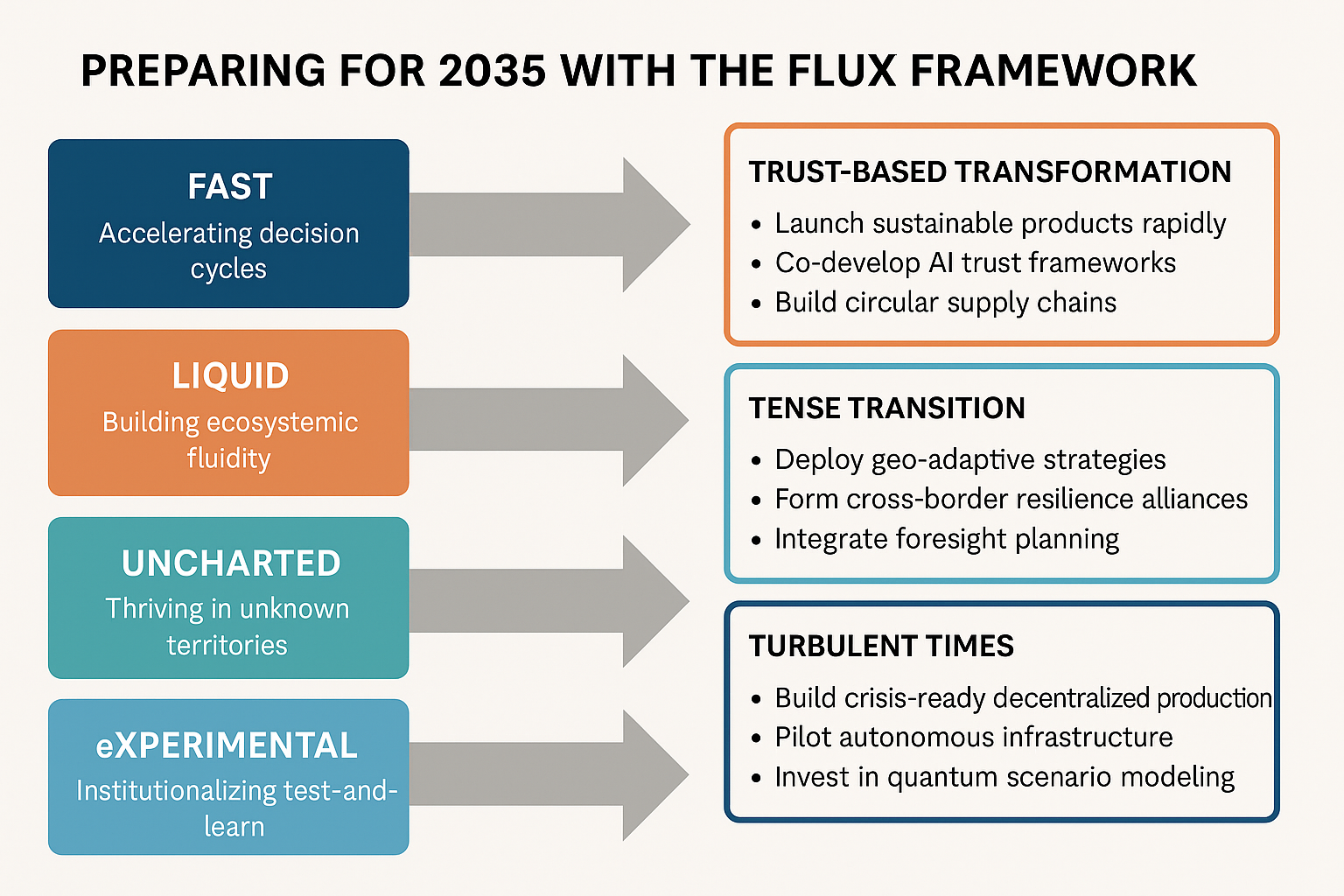


































 Shaping tomorrow
Vous devez être connecté pour poster un commentaire.