Au delà de l’humain

IA, surhommes et la quête de performances et de longévité illimitées

L’humanité est à un carrefour fascinant, un point où la science-fiction d’hier est en passe de devenir la réalité d’aujourd’hui. Avec l’avènement rapide de l’intelligence artificielle (IA) et l’exploration audacieuse des limites de la biologie humaine, nous nous posons une question fondamentale : qu’est-ce que cela signifie d’être humain à l’ère de l’amélioration technologique et biologique ?

Nous ne parlons plus seulement de prothèses sophistiquées ou de médicaments améliorant légèrement nos capacités. Nous entrons dans un domaine où l’IA pourrait devenir une extension de notre intellect, où la génétique et la bio-ingénierie pourraient repousser les frontières de notre corps, nous menant vers des performances et une longévité qui étaient jadis l’apanage des mythes.

Mais alors que nous contemplons ce futur aux possibilités vertigineuses, une multitude de questions cruciales émergent. Elles ne sont pas seulement techniques ou scientifiques ; elles sont éthiques, sociétales et profondément philosophiques.

L’IA comme extension de l’esprit humain :

  • Si l’IA peut nous aider à traiter des informations à des vitesses et des échelles inégalées, serons-nous vraiment plus intelligents, ou simplement plus dépendants ?
  • Jusqu’où irons-nous dans l’intégration de l’IA à notre cognition ? Des implants neuraux aux interfaces cerveau-ordinateur, où se situe la limite entre l’humain et la machine ?
  • L’IA, en améliorant nos capacités de prise de décision, nous rendra-t-elle plus efficaces, ou risquons-nous de perdre une part de notre intuition et de notre subjectivité ?

La naissance du « surhomme » :

  • Si la génétique nous permet d’éliminer les maladies, d’améliorer nos capacités physiques et cognitives, à quel moment un « humain amélioré » devient-il un « surhomme » ?
  • Ces améliorations seront-elles accessibles à tous, ou créeront-elles une nouvelle fracture, une élite biologique qui creusera un fossé encore plus grand entre les nantis et les démunis ?
  • Comment la société réagira-t-elle à l’émergence d’individus dotés de capacités physiques ou mentales largement supérieures à la moyenne ? Cela mènera-t-il à une nouvelle forme de discrimination ou à une transformation radicale de notre conception de la normalité ?

La quête de la longévité illimitée :

  • Si nous parvenons à repousser significativement les limites de la vieillesse et de la mort, quelles seront les implications démographiques, environnementales et économiques ?
  • Un monde où la longévité est considérablement accrue changerait-il notre perception du temps, du travail, de la famille, et même du sens de la vie ?
  • La quête de l’immortalité biologique est-elle un objectif louable, ou risquons-nous de perdre ce qui rend la vie précieuse : sa finitude ?

Questions éthiques et existentielles :

  • Qui définira les limites de ce qui est acceptable en matière d’amélioration humaine et d’intégration de l’IA ? Les gouvernements, les scientifiques, les entreprises, ou la société dans son ensemble ?
  • Nos valeurs humaines, notre compassion, notre empathie, notre créativité, seraient-elles préservées ou altérées dans un monde où la performance prime ?
  • Au-delà des performances et de la longévité, quelle est la finalité de cette quête ? Est-ce pour nous épanouir davantage, ou pour nous conformer à un idéal de perfection dicté par la technologie ?

La discussion autour de l’IA, des surhommes et de la quête de la performance et de la longévité illimitées n’est pas une conversation pour un futur lointain ; elle est pour maintenant. Les décisions que nous prenons aujourd’hui façonneront le destin de notre espèce.

Qu’en pensez-vous ? Où nous mènent ces avancées ? Quelles sont vos plus grandes peurs et vos plus grands espoirs face à ce futur qui se dessine ?

Partagez vos réflexions dans les commentaires ci-dessous !

Unlock your financial future

« AI for Ultra High Net Worth Individuals » Ebook Launched!

July 8, 2025 – Today marks the highly anticipated launch of « AI for Ultra High Net Worth Individuals, » a groundbreaking ebook poised to redefine how the world’s wealthiest navigate and amplify their financial success. While specifically tailored for the intricate needs of UHNWIs, this insightful guide offers invaluable wisdom and actionable strategies for anyone eager to harness the power of Artificial Intelligence to generate and grow wealth.

In an era where technological advancements are rapidly reshaping the global financial landscape, understanding and leveraging AI is no longer an option – it’s a necessity. « AI for Ultra High Net Worth Individuals » delves deep into how AI is revolutionizing wealth management, investment strategies, and proactive financial decision-making.

Why is this ebook a must-read, not just for UHNWIs, but for anyone aiming to make money?

The principles and applications of AI discussed within this ebook, while scaled for the vast portfolios of UHNWIs, are fundamentally transferable and immensely powerful for individuals at any stage of their financial journey. Here’s how:

  • Smarter investment decisions: AI excels at processing and analyzing massive datasets in real-time – from market indicators and company financials to economic trends and news sentiment. The ebook reveals how AI can identify hidden correlations, predict market shifts, and uncover investment opportunities that human analysis might miss. For the aspiring investor, this means learning how to leverage data-driven insights to make more informed choices, even with smaller capital.
  • Enhanced risk management: Volatility is a constant in financial markets. « AI for Ultra High Net Worth Individuals » explores how AI can assess and mitigate risks with unprecedented precision. By simulating various economic scenarios and detecting early signs of market downturns, AI empowers users to manage risk proactively. This translates to safeguarding your capital and making resilient investment choices, regardless of your net worth.
  • Personalized financial strategies: UHNWIs benefit from highly customized financial planning. This ebook demonstrates how AI can tailor investment strategies based on individual goals, risk tolerance, and evolving market conditions. The core takeaway for all readers is the power of personalized insights to optimize portfolio composition and align financial decisions with specific objectives.
  • Automated efficiencies and productivity: AI can automate tedious and time-consuming tasks, from data entry and document processing to compliance checks. While UHNWIs utilize this to streamline complex operations, anyone can apply the principles of AI-driven automation to improve their personal financial management, saving time and reducing errors.
  • Access to cutting-edge tools and concepts: The ebook introduces readers to the latest AI applications in finance, including machine learning for predictive analytics, natural language processing for sentiment analysis, and generative AI for personalized communication and report generation. Understanding these tools provides a significant competitive edge in today’s digital economy.
  • Beyond human limitations: AI’s ability to process millions of data points in seconds, identify intricate patterns, and continuously learn from new data surpasses human capabilities. By understanding how UHNWIs leverage this advantage, individuals can adopt a similar mindset to analyze their own financial data, identify trends, and uncover opportunities for wealth creation.

« The financial landscape is evolving at an unprecedented pace, and Artificial Intelligence is at the very heart of this transformation, » says Yves Zieba, author of « AI for Ultra High Net Worth Individuals. » « While the title suggests a focus on UHNWIs, the fundamental principles of leveraging AI for financial gain are universal. My aim with this ebook is to demystify AI for a broader audience and empower anyone with the ambition to make money to harness this incredible technology. »

Whether you are a seasoned investor or just starting your journey towards financial prosperity, « AI for Ultra High Net Worth Individuals » offers a compelling roadmap to navigating the future of finance with intelligence and foresight.

« AI for Ultra High Net Worth Individuals » is now available for purchase on Amazon.

Here is the direct link : https://www.amazon.fr/dp/B0DJB4LWHC

Unlocking new avenues for growth

The Importance of AI for Entrepreneurs

In today’s fast-paced business environment, the integration of artificial intelligence (AI) is no longer a luxury; it is a necessity.

Entrepreneurs, who are often tasked with wearing multiple hats, can leverage AI to streamline operations, enhance decision-making, and ultimately drive growth.

In this article, I will delve into the significance of AI for entrepreneurs and explore how it can transform their businesses.

Understanding AI’s Role in Entrepreneurship

AI encompasses a range of technologies, from machine learning to natural language processing, that enable machines to mimic human intelligence. For entrepreneurs, this means accessing tools and insights that can significantly improve business efficiency and customer engagement.

1. Enhanced decision-making

One of the most critical aspects of entrepreneurship is making informed decisions. AI can analyze vast amounts of data quickly, providing entrepreneurs with actionable insights. By utilizing predictive analytics, entrepreneurs can forecast market trends, identify customer preferences, and assess risks with greater accuracy. This data-driven approach empowers entrepreneurs to make decisions grounded in evidence rather than intuition.

2. Automating routine tasks

Entrepreneurs often find themselves bogged down by repetitive administrative tasks. AI-powered tools can automate these mundane activities, freeing up valuable time for entrepreneurs to focus on strategic initiatives. From automating customer inquiries through chatbots to managing inventory with AI algorithms, entrepreneurs can enhance productivity and efficiency across various aspects of their operations.

3. Personalizing customer experiences

In an age where customer experience is paramount, AI can help entrepreneurs create tailored interactions that resonate with their audience. By analyzing customer data, AI can identify preferences and behaviors, enabling businesses to personalize marketing strategies and product recommendations. This level of customization not only improves customer satisfaction but also drives loyalty and repeat business.

4. Enhancing marketing strategies

AI is revolutionizing the marketing landscape. Entrepreneurs can leverage AI tools to analyze consumer behavior and optimize their marketing campaigns. With AI-driven insights, entrepreneurs can segment their audience more effectively, target potential customers with precision, and allocate marketing budgets more efficiently. This data-centric approach ensures higher returns on investment and minimizes wasteful spending.

5. Facilitating innovation

Entrepreneurs thrive on innovation, and AI can be a powerful catalyst for creative thinking. By analyzing market gaps and emerging trends, AI can provide entrepreneurs with insights that inspire new product development or service enhancements. Moreover, AI can simulate various scenarios, allowing entrepreneurs to test ideas before launching them in the market.

6. Scalability and growth

As businesses grow, the complexity of operations increases. AI provides entrepreneurs with scalable solutions that can adapt to changing business needs. Whether it’s scaling customer service through AI chatbots or leveraging machine learning algorithms for supply chain optimization, AI helps entrepreneurs manage growth without compromising on quality.

Challenges and considerations

While the benefits of AI are substantial, entrepreneurs should also be aware of potential challenges. Implementing AI solutions requires a clear strategy, investment in technology, and a willingness to adapt to new processes. Additionally, ethical considerations regarding data privacy and bias must be taken into account to ensure responsible AI use.

Learn about AI use cases for entrepreneurs

The importance of AI for entrepreneurs cannot be overstated. By embracing AI technologies, entrepreneurs can unlock new avenues for growth, enhance customer experiences, and improve operational efficiency.

As the business landscape continues to evolve, those who harness the power of AI will be better equipped to navigate challenges and seize opportunities.

As I continue to advocate for the integration of AI in entrepreneurship, I encourage fellow entrepreneurs to explore the potential of AI in their ventures.

Unlocking Potential: Announcing My Latest E-Book in the « 100 AI Use Cases » Collection

In the dynamic landscape of entrepreneurship, adaptability and innovation are key to success. As I continue to explore the transformative power of artificial intelligence, I am thrilled to announce the release of my latest e-book, « 100 AI Use Cases: Empowering Entrepreneurs. »

Why This E-Book?

Entrepreneurs often face numerous challenges, from identifying market opportunities to optimizing operations. This e-book is designed specifically for those who are looking to harness the power of AI to streamline processes, enhance decision-making, and drive growth.

What’s Inside?

The e-book features:

  • Practical Applications: Real-world examples of how entrepreneurs are using AI to solve problems and seize opportunities.
  • Actionable Insights: Step-by-step guides on implementing AI tools tailored to various business models and industries.
  • Expert Advice: Contributions from industry leaders sharing their experiences and strategies for integrating AI into their ventures.

Who Should Read This?

Whether you’re a startup founder, a seasoned business owner, or an aspiring entrepreneur, this e-book is for you. It offers insights that can help you stay ahead in a competitive market and leverage AI as a catalyst for innovation.

How to access the e-book

The e-book is available for download.

Join the Conversation

I’d love to hear your thoughts! Share your experiences with AI in your entrepreneurial journey using the hashtag #AIForEntrepreneurs.

Let’s create a community where we can learn from each other and drive the future of business together.

Thank you for your continued support, and I hope this e-book becomes a valuable resource in your entrepreneurial toolkit!

Together, we can drive innovation and shape the future of business in a rapidly changing world.

Best,

Yves Zieba

How AI Enhances Business Processes in HR, Finance, Marketing

Focus on HR, Finance, and Marketing

In today’s fast-paced business environment, digital transformation is no longer an option but a necessity for corporates aiming to stay competitive. At the forefront of this transformation is Artificial Intelligence (AI), which not only streamlines processes but also enhances decision-making across various departments. This article explores how AI accelerates digital transformation, particularly in Human Resources (HR), Finance, and Marketing.

1. Human Resources (HR)

a. Recruitment and Talent Management

AI revolutionizes the recruitment process by automating candidate screening and enhancing talent acquisition. By utilizing algorithms to analyze resumes and match them with job descriptions, companies can quickly identify the best candidates. This not only reduces the time spent on hiring but also minimizes human biases, leading to more diverse and qualified teams.

b. Employee Engagement and Retention

AI-driven tools can analyze employee feedback, performance metrics, and engagement levels to provide actionable insights. Predictive analytics can foresee turnover trends, enabling HR to implement strategies that enhance employee satisfaction and retention. This proactive approach contributes significantly to a positive workplace culture.

c. Learning and Development

Personalized learning experiences powered by AI can cater to the specific needs of employees. By analyzing performance data, AI can recommend tailored training programs, fostering continuous professional development. This not only boosts employee skills but also aligns workforce capabilities with organizational goals.

To find out more :

https://yveszieba.me/2025/06/22/how-artificial-intelligence-will-transform-human-resources/

2. Finance

a. Automated Processes

In finance, AI automates repetitive tasks such as data entry, invoice processing, and reconciliations. This automation reduces manual errors and frees up valuable time for finance professionals to focus on strategic decision-making and problem-solving.

b. Enhanced Decision-Making

AI algorithms can analyze vast amounts of financial data to uncover trends and insights that human analysts might overlook. This data-driven approach aids in forecasting, budgeting, and risk management, enabling finance teams to make more informed decisions that drive business growth.

c. Fraud Detection

AI systems are adept at detecting anomalies in financial transactions, which helps in identifying fraudulent activities early. By continuously monitoring transactions and learning from patterns, AI enhances the security of financial operations, safeguarding corporate assets.

To find out more : https://yveszieba.me/2025/06/21/the-future-of-finance-just-landed/

3. Marketing

a. Customer Insights and Personalization

AI enables marketers to analyze customer behavior and preferences at an unprecedented scale. By leveraging data analytics, companies can segment their audiences more effectively and create personalized marketing campaigns that resonate with individual customers, resulting in higher engagement and conversion rates.

b. Predictive Analytics

Predictive analytics powered by AI can forecast market trends and customer needs. This foresight allows marketing teams to tailor their strategies proactively, ensuring they stay ahead of competitors and meet customer demands effectively.

c. Automation of Marketing Campaigns

AI tools can automate various aspects of marketing campaigns, from content generation to social media scheduling. This not only increases efficiency but also allows marketers to focus on creative strategies and relationship-building with customers.

To find out more :

https://yveszieba.me/2025/06/23/announcing-beyond-the-click/

Conclusion

AI is a key enabler of digital transformation across corporates, driving significant advancements in HR, Finance, and Marketing. By automating processes, enhancing decision-making, and personalizing customer experiences, AI empowers organizations to adapt to the ever-changing business landscape.

As companies continue to embrace these technologies, the synergy between AI and digital transformation will undoubtedly shape the future of work, making it imperative for corporates to invest in AI-driven solutions.

To find out more : https://yveszieba.me/2025/06/06/artificial-intelligence-100-use-cases-for-corporates/

Exploring diverse intelligences: human, animal, plant, and AI

Embracing « Intelligence(s) »: A Journey Through Human, Animal, Plant, and Artificial Intelligence

In an age where the boundaries of knowledge are constantly expanding, the concept of « Intelligence(s) » invites us to explore the diverse forms of intelligence that shape our world. This multifaceted exploration encompasses not only human intelligence but also the remarkable capabilities of animals, plants, and artificial systems. Each form of intelligence offers unique insights and perspectives, enriching our understanding of life on Earth and beyond.

Human Intelligence:

The Power of Thought and Emotion intelligence is characterized by our ability to think critically, solve complex problems, and navigate the intricacies of social relationships. It encompasses cognitive functions such as reasoning, learning, and emotional intelligence—the ability to understand and manage our own emotions and those of others.

As humans, we possess a unique capacity for creativity and innovation, allowing us to develop technologies, art, and philosophies that reflect our experiences and aspirations. Yet, with this power comes responsibility. We must harness our intelligence to address pressing global challenges, from climate change to social inequality, ensuring that our progress benefits all of humanity.

Animal Intelligence: The Wisdom of Nature

Animal intelligence, though different from our own, showcases a remarkable array of adaptations and problem-solving skills. From the intricate communication systems of dolphins to the social structures of elephants, animals exhibit intelligence that is often deeply attuned to their environments.

Studies in animal cognition reveal insights into their emotional lives and social behaviors, challenging our preconceived notions of intelligence. For instance, crows are known for their tool-making abilities, while octopuses demonstrate problem-solving skills that rival those of many mammals. By understanding animal intelligence, we gain a deeper appreciation for the interconnectedness of life and the importance of biodiversity.

Plant Intelligence: The Silent Sentinels

While often overlooked, plant intelligence represents a fascinating frontier in our understanding of life. Plants possess sophisticated mechanisms to sense and respond to their environment, from the way they grow towards sunlight to their ability to communicate with one another through chemical signals.

Recent research has shown that plants can exhibit behaviors akin to learning and memory. For instance, some plants can « remember » past environmental conditions and adjust their growth accordingly. This silent intelligence challenges our traditional views of sentience and highlights the intricate web of life that connects all living beings.

Artificial Intelligence: The New Frontier

Artificial intelligence (AI) has emerged as a powerful tool that mirrors certain aspects of human intelligence. Through machine learning and neural networks, AI systems can analyze vast amounts of data, recognize patterns, and even generate creative content. From virtual assistants to advanced robotics, AI is transforming industries and reshaping our daily lives.

However, as we develop these technologies, ethical considerations arise. We must ask ourselves: How do we ensure that AI serves humanity and promotes social good? By fostering collaboration between researchers, policymakers, and the public, we can guide the development of AI in a direction that aligns with our values.

The Path Forward: Integrating Intelligence(s)

As we explore these diverse forms of intelligence, we find that they are not mutually exclusive. Instead, they interact in complex ways, influencing one another and enriching our understanding of life. The challenge lies in integrating these perspectives to create a holistic view of intelligence.

Education plays a pivotal role in this integration. By fostering curiosity and encouraging interdisciplinary approaches, we can inspire future generations to appreciate the richness of intelligence in all its forms. Collaborative initiatives, such as community science projects and interdisciplinary research, can bridge gaps between disciplines and promote a deeper understanding of our world.

Conclusion: A Shared Journey

The exploration of « Intelligence(s) » is a shared journey that invites us to reflect on our place within the web of life. By recognizing the value of human, animal, plant, and artificial intelligence, we can cultivate a more compassionate and informed society. Together, let us celebrate the diversity of intelligence and work towards a future where all forms of life thrive in harmony.

L’IA : Une solution contre l’infobésité

Nous sommes confrontés à une quantité écrasante d’informations.

Ce phénomène, souvent désigné sous le terme d’infobésité, peut entraîner une surcharge cognitive, une confusion et une prise de décision inefficace. L’intelligence artificielle (IA) émerge comme un allié puissant pour lutter contre cette surcharge informationnelle. Cet article explore comment l’IA peut aider à gérer l’infobésité et à améliorer notre interaction avec les données.

Comprendre l’infobésité

L’infobésité désigne la surabondance d’informations disponibles, notamment en ligne. Cette situation est exacerbée par la prolifération des contenus sur les réseaux sociaux, les blogs, les sites d’actualités et d’autres plateformes numériques. En conséquence, il devient de plus en plus difficile pour les individus de filtrer, comprendre et utiliser ces informations de manière efficace.

L’IA comme outil de filtrage

1. Algorithmes de recommandation

Les systèmes d’IA utilisent des algorithmes de recommandation pour personnaliser le contenu en fonction des préférences et des comportements des utilisateurs. Par exemple, des plateformes comme Netflix ou Spotify recommandent des films et des musiques en analysant les habitudes de consommation. Cela permet aux utilisateurs de découvrir des contenus pertinents sans être submergés par une multitude d’options.

2. Traitement Automatique du Langage Naturel (TALN)

Le TALN permet à l’IA de comprendre et d’interpréter le langage humain. En analysant des textes et en extrayant des informations clés, les outils d’IA peuvent résumer des articles, des rapports ou des livres, facilitant ainsi la consommation d’informations. Par exemple, des applications comme SummarizeBot peuvent condenser des contenus longs en résumés digestes.

3. Analyse de sentiment

L’analyse de sentiment permet de comprendre les émotions et les opinions exprimées dans les données textuelles. En utilisant cette technologie, les entreprises peuvent filtrer les informations pour ne conserver que celles qui correspondent à leurs objectifs stratégiques, réduisant ainsi le bruit informationnel.

L’IA et la personnalisation de l’information

1. Filtrage personnalisé

Grâce à l’IA, il est possible de créer des tableaux de bord personnalisés qui affichent uniquement les informations pertinentes pour chaque utilisateur. Cela aide à concentrer l’attention sur des données spécifiques, réduisant ainsi la surcharge cognitive.

2. Alertes intelligentes

Les systèmes d’IA peuvent envoyer des alertes basées sur des événements ou des changements significatifs dans des domaines d’intérêt spécifiques. Cela permet aux utilisateurs de rester informés sans avoir à surveiller constamment des flux d’informations.

Avantages pour les entreprises

1. Prise de décision améliorée

En utilisant l’IA pour filtrer et synthétiser les informations, les entreprises peuvent prendre des décisions plus éclairées et rapides, en évitant les pièges de la surcharge d’informations.

2. Gain de temps

L’IA permet aux employés de se concentrer sur des tâches à forte valeur ajoutée plutôt que de passer des heures à trier des informations. Cela augmente la productivité globale de l’entreprise.

3. Satisfaction des clients

En fournissant des informations pertinentes et ciblées, les entreprises peuvent améliorer l’expérience utilisateur, renforçant ainsi la satisfaction et la fidélité des clients.

Conclusion

L’infobésité est un défi majeur dans notre société moderne, mais l’intelligence artificielle offre des solutions prometteuses pour y faire face. En facilitant le filtrage, la personnalisation et l’analyse des informations, l’IA peut transformer la manière dont nous interagissons avec les données. En intégrant ces technologies, les entreprises et les individus peuvent non seulement surmonter la surcharge informationnelle, mais également en tirer parti pour améliorer la prise de décision et la productivité. Adopter l’IA dans la lutte contre l’infobésité est donc une démarche essentielle pour naviguer efficacement dans l’océan d’informations d’aujourd’hui.

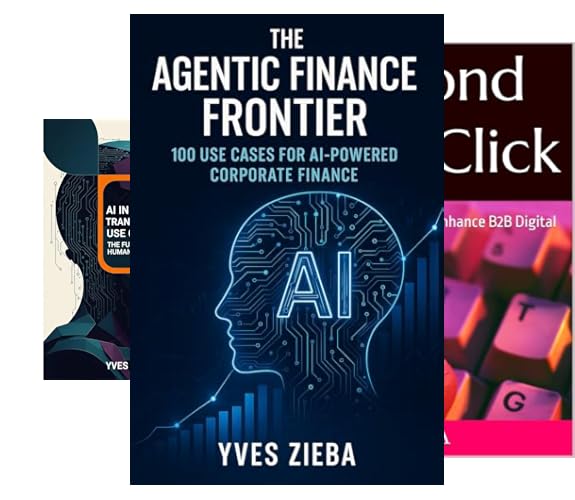
Announcing « Beyond the Click »

Your Blueprint for B2B Digital Marketing Domination!

Are your B2B digital marketing efforts falling short in a rapidly evolving landscape? Is your corporate struggling to break through the noise, generate high-quality leads, and demonstrate tangible ROI? We’re thrilled to announce the launch of « Beyond the Click: Ignite Your B2B Digital Marketing with 100 Game-Changing Strategies! » — your definitive guide to transforming your B2B digital strategy from conventional to cutting-edge.

In today’s competitive environment, simply « getting clicks » isn’t enough. You need conversions, loyal customers, and a clear path to measurable growth. This essential e-book moves past basic tactics, offering 100 actionable use cases designed specifically for corporates aiming for unparalleled growth.


What Awaits You Inside « Beyond the Click »?

« Beyond the Click » isn’t just theory; it’s a practical blueprint for innovation. We’ve meticulously crafted chapters that delve deep into the most critical areas of modern B2B digital marketing:

Master Hyper-Personalization & ABM

Discover how to implement AI-driven content recommendations, dynamic website experiences, and tailored outreach that treats every target account as a market of one. Move beyond generic messaging and connect with your audience on a truly individual level.

Unleash the Power of AI & Advanced Analytics

Leverage predictive lead scoring, churn prevention, and multi-touch attribution to make data-driven decisions that save money and drive revenue. Understand your data like never before and make every marketing dollar count.

Optimize Content & Distribution

Craft interactive content, harness short-form video, and atomize your messaging for maximum impact across all channels. Learn how to create content that captivates and converts, then distribute it effectively to reach your ideal audience.

Elevate Customer Experience & Advocacy

Build seamless onboarding, proactive support, and powerful referral programs that turn clients into loyal advocates. Happy customers are your best marketers – discover how to nurture them into powerful advocates for your brand.

Maximize Social Media & Emerging Tech

Drive thought leadership on LinkedIn, explore VR/AR for product demos, and use chatbots for instant engagement. Stay ahead of the curve by leveraging the latest social media trends and emerging technologies.

Forge Seamless Sales & Marketing Alignment

Implement shared dashboards, automated lead routing, and joint KPIs for unified revenue growth. Break down silos and create a cohesive strategy that drives both sales and marketing towards shared objectives.

Boost Website & SEO Performance

Apply advanced technical SEO, personalized landing pages, and voice search optimization for unrivaled organic visibility. Ensure your website is a powerful lead-generating machine, easily found by your target audience.

Dominate Digital Advertising

Master programmatic ads, LinkedIn Matched Audiences, and geofencing for precision targeting and optimized ROAS. Get the most out of your ad spend with strategies designed for maximum return on investment.

Build a Future-Proof Tech Stack

Unify data with a CDP, automate with a MAP, and secure your operations with robust cybersecurity. Learn how to select and implement the right technologies to support your marketing efforts now and in the future.


Each use case in « Beyond the Click » is designed to help your corporate accelerate its digital marketing maturity, streamline operations, and ultimately, unlock immense financial gains by saving costs and significantly boosting revenue.

Stop settling for clicks and start securing conversions. Transform your B2B digital marketing, one powerful strategy at a time.


Ready to ignite your B2B digital marketing?

Un écosystème en pleine effervescence

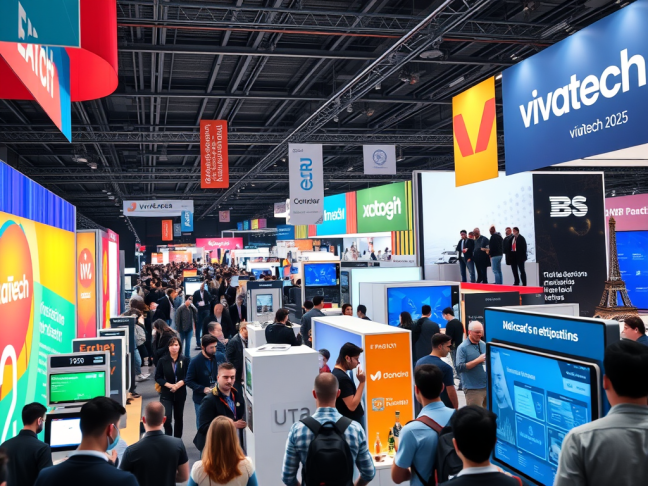
La French Tech à VivaTech 2025

Paris accueillait du 11 au 14 juin 2025 l’édition tant attendue de VivaTechnology, le rendez-vous incontournable de l’innovation et de la tech en Europe.

Au cœur de cet événement mondial, la French Tech, l’écosystème français des startups, a brillé de mille feux, témoignant de son dynamisme, de son ambition et de sa contribution croissante aux défis technologiques et sociétaux.

La French Tech : Un écosystème soutenu et structuré

Née en 2013, la Mission French Tech est l’administration d’État chargée de déployer les politiques publiques en faveur des startups et de fédérer un écosystème qui compte aujourd’hui près de 25 000 entreprises françaises, tant en France qu’à l’international.

Son objectif principal est de soutenir la structuration et la croissance de cet écosystème, en offrant un cadre propice à l’innovation et au développement.

Les activités de la French Tech s’articulent autour de plusieurs axes majeurs :

  • Accompagnement des startups : À travers des programmes phares comme le French Tech Next40/120, qui réunit les 120 scale-up françaises les plus performantes, la Mission French Tech offre un accompagnement individualisé et collectif sur des enjeux stratégiques tels que le développement international, le financement, le développement commercial (achats publics et privés), le recrutement, l’implantation territoriale, la propriété intellectuelle et les enjeux réglementaires. Le programme French Tech 2030, quant à lui, met l’accent sur les solutions répondant aux grands défis industriels et technologiques, de la transition écologique à la souveraineté numérique.

  • Promotion de l’écosystème : La French Tech œuvre activement à valoriser la « marque France » dans le domaine de la technologie, en mettant en lumière le fait que les startups françaises constituent un atout majeur sur la scène économique internationale. Elle organise ou participe à de nombreux événements nationaux et internationaux (comme le CES de Las Vegas ou le Web Summit) pour favoriser les rencontres entre startups, investisseurs et grands groupes.

  • Engagement pour une tech plus inclusive et durable : La Mission French Tech s’est engagée pour un écosystème plus vertueux, paritaire, inclusif et respectueux de l’environnement. Des initiatives comme le Pacte Parité visent à réduire les inégalités et à promouvoir une meilleure représentation des femmes dans la tech.

  • Le programme French Tech Tremplin, quant à lui, favorise l’égalité des chances en accompagnant les entrepreneurs issus de milieux sous-représentés.

La French Tech à VivaTech 2025 : Un coup de projecteur sur l’innovation française

VivaTech 2025 représente un temps fort pour la French Tech, qui y déploie une présence significative pour mettre en avant ses champions et ses initiatives. Du 11 au 14 juin, la Mission French Tech était présente avec son propre stand, véritable vitrine de l’innovation française.

De nombreuses régions et communautés French Tech, telles que la French Tech Grand Paris, la French Tech Nouvelle-Aquitaine ou la French Tech Bourgogne-Franche-Comté, avaient également leurs propres pavillons et événements. Ces espaces offrent aux startups locales une visibilité unique, des opportunités de rencontrer des investisseurs et des clients potentiels, et d’accélérer leur développement.

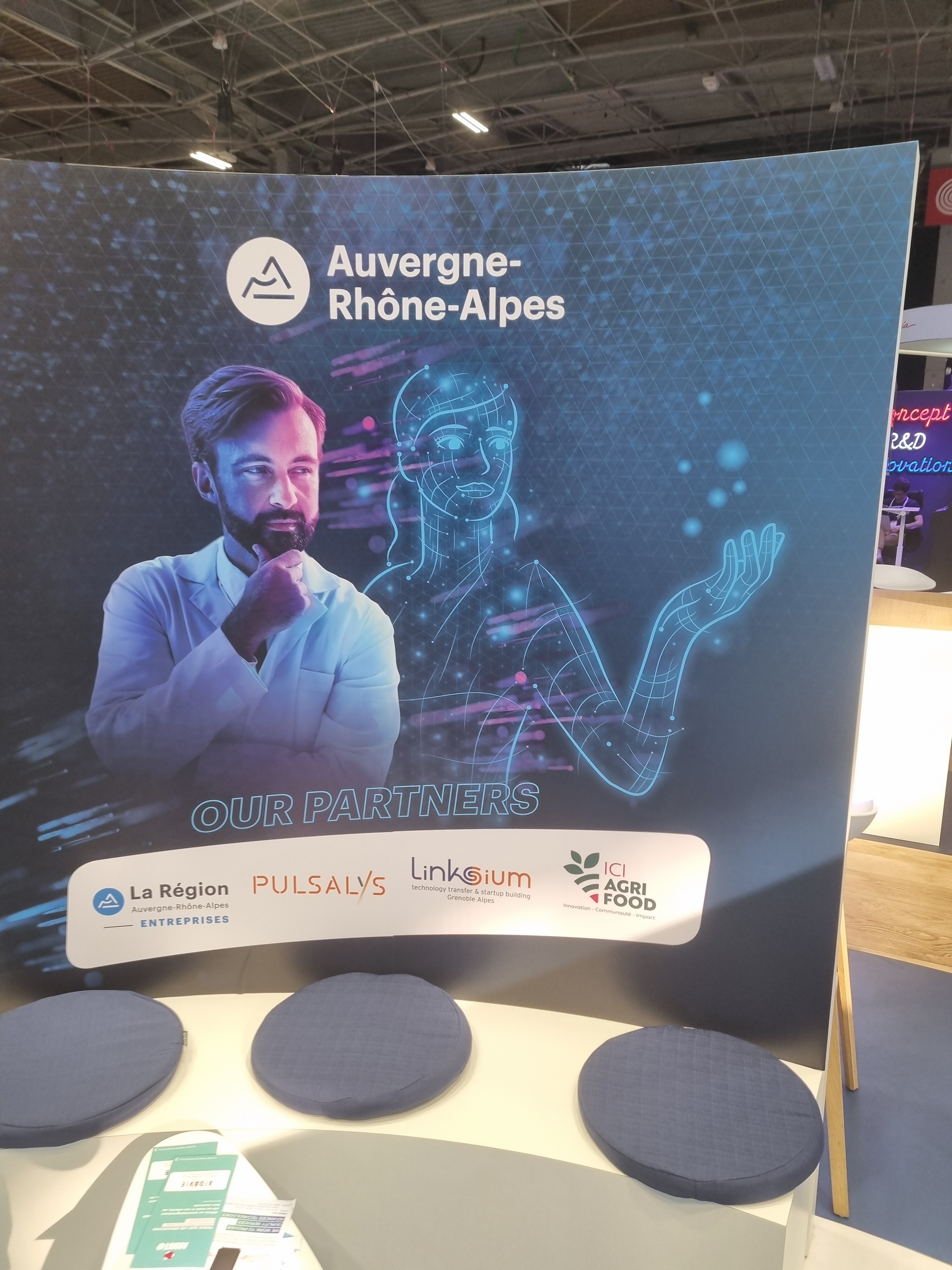
Mes amis acteurs clés de l’innovation d’Auvergne Rhône Alpes étaient également présents en force.

L’intelligence artificielle (IA) était l’une des thématiques centrales de cette édition 2025.

La French Tech, avec sa forte proportion d’entreprises œuvrant dans la chaîne de valeur de l’IA (35% des entreprises du French Tech Next40/120), y a joué un rôle de premier plan. Des conférences, des démonstrations de solutions innovantes et des présentations sur l’impact de l’IA sur les grandes organisations étaient au programme.

J’ai pu découvrir notamment des startups développant des plateformes de Data Quality alimentées par l’IA, des solutions de transformation de processus métier via l’IA générative ou encore des outils de gouvernance, risques et conformité augmentés par l’IA.

VivaTech 2025 a été l’occasion pour la French Tech de réaffirmer son leadership en matière d’innovation, de démontrer sa capacité à relever les défis de demain et de renforcer son positionnement comme un acteur majeur de la scène technologique mondiale.

Grâce à la FrenchTech, j’avais pu présenté quelques unes de nos innovations « smart » et « objets connectés » à Bratislava lors de la présidence européenne de la Slovaquie il y a de cela 10 ans déjà.

10 ans plus tard, c’est toujours un plaisir de vous revoir !!! A la prochaine donc 🙂

L’IA au quotidien, pour toi et moi

Opportunités et risques pour les citoyen.ne.s

L’intelligence artificielle (IA) n’est plus une simple vision futuriste ; elle s’est immiscée dans notre quotidien, transformant la manière dont nous travaillons, communiquons et interagissons avec le monde. Des assistants vocaux dans nos smartphones aux systèmes de recommandation des plateformes de streaming, l’IA est devenue un moteur silencieux de notre ère numérique.

Mais quels sont les véritables impacts de cette technologie sur la vie des citoyens, quelles opportunités nous offre-t-elle et quels risques devons-nous anticiper ?

Des opportunités incontestables

L’IA promet une multitude d’améliorations pour la vie des citoyens, touchant divers aspects de leur quotidien :

  • Amélioration des services de santé : L’IA révolutionne le diagnostic médical, permettant une détection plus précoce et plus précise de maladies complexes. Elle contribue également au développement de traitements personnalisés et à l’optimisation de la gestion des données patient, libérant du temps pour les professionnels de la santé.
  • Optimisation des transports : Les systèmes de navigation basés sur l’IA réduisent les embouteillages et les temps de trajet. À terme, les véhicules autonomes pourraient drastically diminuer les accidents de la route et rendre les déplacements plus accessibles à tous.
  • Personnalisation de l’éducation : L’IA peut adapter les méthodes d’enseignement aux besoins individuels de chaque élève, identifiant les lacunes et proposant des parcours d’apprentissage sur mesure. Cela pourrait conduire à une éducation plus inclusive et efficace.
  • Simplification des tâches quotidiennes : Des chatbots qui gèrent nos requêtes aux maisons intelligentes qui anticipent nos besoins, l’IA automatise de nombreuses tâches répétitives, nous laissant plus de temps pour des activités à plus forte valeur ajoutée ou de loisir.
  • Accès à l’information et à la culture : Les algorithmes de recommandation nous aident à découvrir de nouveaux contenus, qu’il s’agisse de films, de livres ou d’articles, élargissant nos horizons culturels et informationnels.

Des risques à ne pas sous-estimer

Cependant, l’intégration rapide de l’IA dans nos vies soulève également des préoccupations majeures :

  • Perte d’emplois et transformation du marché du travail : L’automatisation par l’IA menace de remplacer certains emplois, notamment ceux qui impliquent des tâches répétitives. Cela nécessite une anticipation et des programmes de reconversion pour les travailleurs concernés.

  • Questions éthiques et biais algorithmiques : Les systèmes d’IA sont entraînés sur d’énormes ensembles de données. Si ces données contiennent des biais (sociaux, raciaux, de genre), l’IA risque de les reproduire et même de les amplifier, conduisant à des discriminations. Par exemple, des algorithmes de reconnaissance faciale peuvent être moins précis sur certaines ethnies.

  • Problèmes de confidentialité et de sécurité des données : L’IA repose sur la collecte et l’analyse massives de données personnelles. Cela pose des défis considérables en matière de protection de la vie privée et de cybersécurité. Une mauvaise gestion de ces données pourrait avoir des conséquences désastreuses.

  • Dépendance technologique et diminution des compétences humaines : Une dépendance excessive à l’IA pourrait affaiblir certaines de nos capacités cognitives, comme la résolution de problèmes ou la prise de décision, si nous laissons entièrement les machines penser à notre place.

  • Manipulation et désinformation : L’IA peut être utilisée pour générer de faux contenus (deepfakes, textes) de manière très convaincante, rendant difficile la distinction entre le vrai et le faux, et potentiellement facilitant la propagation de la désinformation.

L’IA est une force de transformation puissante avec un potentiel immense pour améliorer la vie des citoyens.

Cependant, il est crucial d’aborder son développement et son intégration avec prudence et responsabilité. Pour maximiser les opportunités et minimiser les risques, une collaboration étroite entre les gouvernements, les entreprises, les chercheurs et la société civile est indispensable.

Cela implique la mise en place de cadres réglementaires robustes, une éducation accrue du public aux enjeux de l’IA, et un engagement collectif à construire une IA éthique et équitable.

Comment pensez-vous que l’IA va le plus changer votre propre quotidien dans les dix prochaines années ?

How Artificial Intelligence will transform Human Resources

AI in HR : 100 transformative use cases

In today’s rapidly evolving business landscape, artificial intelligence (AI) is not just a buzzword; it’s a powerful tool reshaping various sectors, including Human Resources (HR).

The integration of AI into HR processes is set to revolutionize how organizations attract, hire, and manage talent. Let’s explore how AI is changing the HR landscape and why you should consider reading our comprehensive e-book on the various use cases of AI in HR.

The Impact of AI on Human Resources

1. Streamlined Recruitment Processes

AI-powered tools can significantly enhance the recruitment process. By automating resume screening and shortlisting candidates based on predefined criteria, HR professionals can save time and focus on engaging with top talent. Machine learning algorithms can analyze historical hiring data to identify patterns and predict the success of candidates in specific roles.

2. Enhanced candidate experience

Chatbots and virtual assistants are becoming commonplace in HR. These AI-driven tools can answer candidate queries in real-time, provide updates on application statuses, and even schedule interviews. This not only improves the candidate experience but also allows HR teams to manage multiple applicants efficiently.

3. Data-Driven Decision Making

AI enables HR teams to gather and analyze vast amounts of data related to employee performance, engagement, and turnover. By leveraging these insights, organizations can make informed decisions about employee development, retention strategies, and workforce planning.

4. Personalized learning and development

AI can help tailor learning and development programs to individual employee needs. By analyzing skills gaps and career aspirations, AI systems can recommend personalized training resources, ensuring employees receive the support they need to grow within the organization.

5. Improved employee engagement

AI tools can measure employee engagement levels through sentiment analysis and feedback collection. This allows HR teams to identify areas of concern and take proactive measures to foster a positive workplace culture.

6. Predictive analytics for retention

By leveraging predictive analytics, AI can help HR professionals identify employees who may be at risk of leaving the organization. This insight allows for timely interventions, such as career development discussions or improved workplace conditions, to enhance retention rates.

Discover more in my e-book

These are just a few examples of how AI is transforming HR practices. To dive deeper into the myriad of use cases and learn how your organization can benefit from AI in HR, we invite you to read our detailed e-book.

In this e-book, you’ll find:

  • In-depth case studies of successful AI implementations in HR
  • Practical tips for integrating AI into your HR processes
  • Insights from industry experts on the future of HR with AI

Download the E-Book now!

Join the conversation about the future of HR and discover how AI can elevate your HR practices to new heights. Embrace the change and stay ahead of the curve!


By understanding and utilizing AI in HR, organizations can not only enhance their operational efficiency but also create a more engaging and productive work environment.

Don’t miss out on the opportunity to transform your HR strategy—download my e-book today!