
AI in Mergers & Acquisitions: The Future of Dealmaking

The Dealmaker’s Digital Co-Pilot: How AI is Revolutionizing Mergers & Acquisitions

In the high-stakes world of Mergers and Acquisitions (M&A), information is currency and speed is the ultimate competitive advantage.

For decades, the industry relied on armies of analysts burning the midnight oil to sift through data rooms.

Today, that paradigm is shifting.

Artificial Intelligence (AI) is no longer just a buzzword in finance; it is becoming a fundamental infrastructure for dealmaking.

By augmenting human intuition with computational power, AI is transforming M&A from a reactive, labor-intensive process into a proactive, data-driven discipline.

Phase 1: Deal Sourcing & Origination

The traditional approach to finding a target company often relied on personal networks, limited databases, and « who you know. » AI blows the aperture wide open.

  • Market Scanning at Scale: AI algorithms can scan millions of private companies globally, analyzing unstructured data that traditional screeners miss. This includes patent filings, social media sentiment, web traffic patterns, and hiring trends.
  • Predictive Targeting: Instead of waiting for a company to go up for sale, AI models can identify « pre-sale » signals—such as a sudden change in executive leadership or a shift in capital expenditure—alerting buyers to a potential opportunity before it hits the market.
  • Strategic Fit Analysis: Machine learning models can analyze a buyer’s existing portfolio and automatically suggest targets that offer the highest synergy potential, scientifically validating the strategic rationale before a handshake ever takes place.

Phase 2: Due Diligence – The Efficiency Engine

Due diligence is historically the bottleneck of M&A—a grueling process of reviewing thousands of contracts and financial records. This is where AI’s impact is most immediate and tangible.

Key Stat: AI tools can reduce contract review time by up to 30-90%, allowing teams to focus on strategy rather than syntax.

Automated Document Analysis

Modern Virtual Data Rooms (VDRs) are now equipped with Natural Language Processing (NLP). These tools can ingest thousands of PDFs and instantly extract key clauses.

  • Red Flag Detection: AI can instantly flag problematic « change of control » clauses, non-compete expirations, or unusual indemnity terms across thousands of supplier contracts.
  • Financial Forensics: AI auditors can scan general ledgers to identify accounting irregularities or revenue recognition anomalies that a weary human eye might miss after 12 hours of review.

Phase 3: Valuation & Modeling

Valuation has always been part art, part science. AI pushes the « science » aspect further, reducing the reliance on static Excel spreadsheets and « gut feeling. »

  • Scenario Modeling: AI can run Monte Carlo simulations on a massive scale, testing thousands of variables (market conditions, supply chain shocks, interest rates) to provide a probability-weighted range of outcomes rather than a single static valuation.
  • removing Bias: Human dealmakers often suffer from « deal fever »—becoming emotionally invested in a transaction. AI offers an objective « second opinion » based purely on historical data and predictive analytics, helping investment committees avoid overpaying.

Phase 4: Post-Merger Integration (PMI)

More than half of all M&A deals fail to realize their projected value, usually due to failed integration. AI acts as a bridge during this fragile transition.

  • Cultural Compatibility: Advanced sentiment analysis can scan internal communications (like Glassdoor reviews or sanitized internal emails) to map the cultural « DNA » of both firms, predicting where friction will occur so leaders can address it proactively.
  • Operational Synergies: AI tools can map IT systems and supply chains of both merged entities to instantly identify duplicate redundancies and optimal integration paths, accelerating the « Day 1 » readiness.

The Strategic Advantage: Why Adopt Now?

BenefitDescription
Speed to CloseAccelerates the timeline from LOI (Letter of Intent) to Close, reducing the risk of deal fatigue or market shifts killing the transaction.
Risk MitigationUncovers « skeletons in the closet » during diligence that manual sampling would miss.
Cost EfficiencyReduces legal and advisory billable hours spent on low-level document churning.
Data AdvantageProvides a competitive edge in auctions by allowing bidders to price deals with higher confidence and speed.

The Human Element

It is crucial to note that AI is not replacing the investment banker or the M&A lawyer.

It is elevating them. By automating the drudgery of data collection and review, AI frees up senior professionals to do what they do best: negotiate, strategize, and build relationships.

Conclusion

The future of M&A is not « AI vs. Human »; it is « AI-Enabled Human. »

Firms that refuse to adopt these technologies risk being left behind—outpaced by competitors who can source better deals faster, diligence them more thoroughly, and integrate them more successfully.

To find out more :

Unlocking AI Value for SMEs and Public Sectors

Rewiring for value: How SMEs and the Public Sector can seize the AI advantage

The era of AI experimentation is over.

According to McKinsey’s “The State of AI: Global Survey 2025,” organizations are moving past pilots and fundamentally “rewiring” their core operations to capture trillions in potential economic value.

With over 88% of organizations now reporting AI use in at least one business function—and the adoption of Generative AI (Gen AI) spiking across the board—the competitive landscape is shifting rapidly.

For Small and Medium-sized Enterprises (SMEs) and Public Sector organizations, this shift presents both an existential challenge and a massive opportunity.

The 2025 survey highlights that the true advantage lies not in adopting the technology, but in the transformation it drives.


1. AI for SMEs: Bridging the Adoption Divide

The McKinsey survey is clear: larger organizations (those with over $500 million in revenue) are accelerating their AI transformation faster than smaller counterparts. This trend signals a growing AI divide, largely because extracting value requires structural changes—including redesigning workflows, dedicating C-suite oversight, and making significant talent investments—which often strain the limited resources of SMEs.

The SME Strategy: Focus on Targeted, High-Impact Gen AI

Instead of attempting enterprise-wide overhauls, the successful SME must focus on adopting AI in strategic areas where low-cost Gen AI tools can deliver immediate, measurable impact:

  • Customer Operations: Deploying Gen AI assistants to deflect routine queries and reduce customer handle time is a low-barrier-to-entry use case cited in the survey findings. This frees human staff to handle complex issues, a direct path to improving customer satisfaction and competitive differentiation.
  • Marketing and Sales: Leveraging AI for content creation, personalized customer outreach, and audience modeling can dramatically boost marketing performance and accelerate time-to-market without requiring large, dedicated teams.
  • Software Engineering (for tech-focused SMEs): Gen AI coding assistants significantly augment developer productivity, allowing small teams to achieve disproportionate output.

From Technology to Transformation

The most crucial takeaway for SMEs is that the value of AI is unlocked through workflow redesign. Simply layering AI onto existing broken processes will yield minimal results. SMEs must:

  1. Prioritize Reskilling: The report notes that organizations are increasingly focused on upskilling existing staff rather than just hiring scarce AI talent. For SMEs, this is vital. Retraining employees to work alongside AI tools (e.g., prompt engineering, data literacy) is more feasible and cost-effective than a large-scale hiring spree.
  2. Adopt Hybrid Governance: Smaller organizations are more likely to use hybrid or partially centralized models for AI adoption. This flexible approach, which distributes some resources across functions while maintaining central oversight for data standards, allows SMEs to adapt quickly without the rigidity of a massive Center of Excellence.

2. The Public Sector: Scaling Efficiency and Trust

For Public Sector organizations, AI’s potential is measured not just in EBIT (Earnings Before Interest and Taxes) impact, but in improved citizen services, operational efficiency, and strengthened compliance. While the Public Sector was not exclusively detailed, the survey’s findings on the necessity of governance and structural change apply directly to government bodies and agencies.

AI’s Value Proposition in Governance and Operations

Public Sector entities must focus on the AI use cases that streamline complex, high-volume processes and enhance decision-making:

  • Operations and Efficiency: Implementing AI for predictive maintenance (e.g., infrastructure), smart scheduling (e.g., transport, resources), and automated workflows can cut operational downtime and dramatically improve throughput—core drivers of public service value.
  • Risk and Compliance: AI-driven anomaly detection strengthens fraud prevention and enhances regulatory reporting capabilities, a critical function for maintaining public trust and fiscal responsibility.
  • Citizen Engagement: Using Gen AI for service portals can deflect routine citizen queries (e.g., license renewals, benefits information), ensuring 24/7 service availability and reducing the burden on human staff.

The Imperative of Responsible AI Governance

A standout theme in the 2025 survey is the maturation of Responsible AI (RAI). As AI scales, so do risks related to:

  • Inaccuracy/Hallucination in Gen AI outputs.
  • Data privacy and cybersecurity vulnerabilities.
  • Ethical concerns around bias and explainability.

For the Public Sector, where services must be equitable and transparent, formal AI governance is non-negotiable. McKinsey notes that executive ownership of AI governance is a key differentiator for success. Public sector leaders must follow suit, moving beyond awareness to implement robust model monitoring tools, formal review boards, and transparency standards for every AI application. Responsible deployment builds the critical public trust necessary for widespread AI adoption in government services.


Conclusion: Transformation, not just technology

The McKinsey “State of AI: Global Survey 2025” serves as a rallying cry:

AI is no longer a side project; it is now a strategy lever.

Whether it’s an SME looking to maximize a small team’s output or a government agency aiming to serve millions more efficiently, success hinges on the willingness to fundamentally redesign workflows and treat AI as a core organizational design question.

The organizations that are succeeding are those focused on embedding AI into their corporate strategy, prioritizing reskilling, and building robust governance frameworks. For SMEs and the Public Sector alike, the future advantage belongs to those who adapt now and start the essential work of rewiring their enterprises for the age of artificial intelligence.

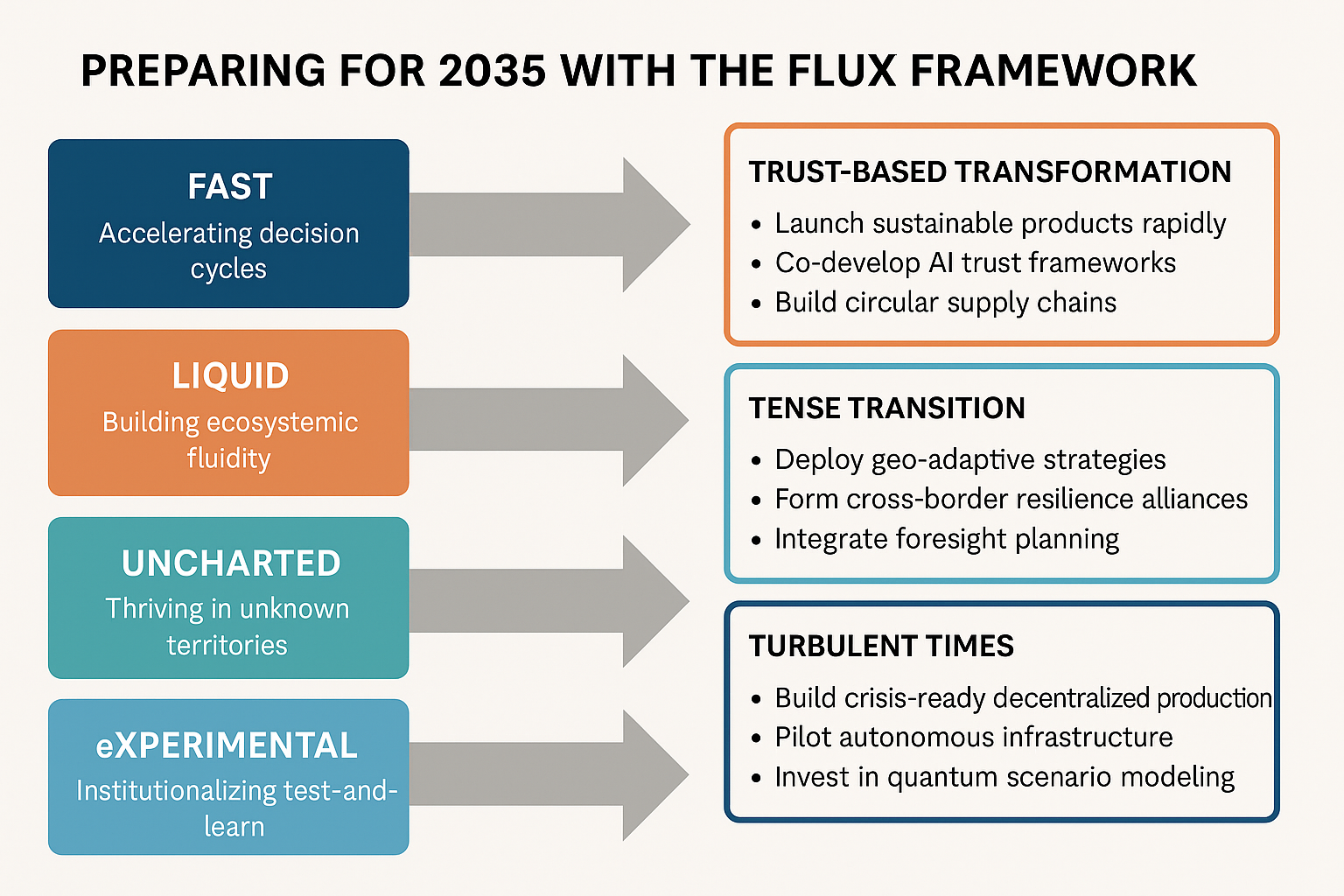
What 2035 Holds: AI, Climate, and Geopolitics Outlook

🌍 2035 Executive Summary

Scenarios & Strategic Outlook

By 2035, the global landscape will be shaped by the interplay of AI, climate change, and geopolitics.
Three plausible scenarios emerge:

  • Trust-Based Transformation (35% likelihood)
  • Tense Transition (45% likelihood)
  • Turbulent Times (20% likelihood)

This executive summary presents a probability-weighted outlook combining all three scenarios to guide strategic decision-making.


🔑 Key Insights for 2035

  • Global GDP → Expected to grow by ~18% from 2025 levels, but regional disparities persist.
  • AI Adoption → Moderate-to-high (~65% penetration), though fragmentation slows interoperability.
  • Climate Trajectory → Warming projected around +2.4 °C by 2100, increasing economic damages and disaster frequency.
  • Jobs & Skills → Net job losses of ~15% likely in low- and mid-skill sectors; massive reskilling efforts will be critical.
  • Inequality → Expected to widen slightly unless proactive redistribution and upskilling policies are implemented.
  • Energy Transition → On track for ~60% decarbonization by 2035, but net zero by 2050 remains unlikely without acceleration.
  • Geopolitics → Increasing regional blocs and moderate instability; limited global coordination.
  • Social Trust → Partial recovery possible, but misinformation and AI distrust remain key risks.

📊 Scenario Probability Overview

ScenarioProbabilityKey Characteristics
Trust-Based Transformation35%Responsible AI, strong global cooperation, rapid sustainability gains
Tense Transition45%Fragmented AI ecosystems, uneven economic gains, rising climate costs
Turbulent Times20%Conflict, tech distrust, climate chaos, institutional fragility


🚀 Strategic Recommendations

  1. Invest in Responsible AI
    • Prioritize human-centered, transparent AI to build trust and ensure equitable adoption.
  2. Accelerate Decarbonization
    • Push investments in renewable energy, carbon capture, and climate adaptation technologies.
  3. Strengthen Workforce Resilience
    • Implement large-scale reskilling programs to offset automation-driven job losses.
  4. Foster Global Cooperation
    • Align AI ethics, cybersecurity standards, and climate policies to reduce fragmentation risks.
  5. Prepare for Instability
    • Build contingency plans for supply chain disruptions, cyber threats, and climate shocks.

More info about FLUX framework:

Cultivating cognitive collaboration with AI

It is not about deploying AI tools

The rapid adoption of AI, exemplified by ChatGPT’s unprecedented growth, presents a clear inflection point.

While many organizations are focused on simply deploying AI tools, the true competitive advantage lies in developing a cognitive collaboration with AI.

This shift in mindset from implementation to collaboration is essential for fundamentally enhancing human problem-solving capacity and unlocking substantial productivity gains.


The Gap: AI Literacy vs. Productivity Gains

Current data highlights a stark contrast: a significant majority (74%) of individuals lack AI literacy, yet a large percentage (88%) of AI collaborators report substantial productivity gains. This indicates that the benefits of AI are not reserved for a tech-savvy elite. Instead, they are accessible to those who learn to effectively partner with these tools. The key is to move beyond viewing AI as a simple tool and instead see it as a partner in a cognitive process. This partnership allows for a synergistic relationship where the AI augments human strengths, and humans provide the context, creativity, and critical thinking that AI currently lacks.


The synergy: faster completion and higher quality

MIT research validates this synergistic effect, showing that AI collaboration leads to a 40% faster completion time and an 18% superior output quality.

This is not about the AI doing the work for us; it’s about the combined effort of human and machine.

Consider a data analyst using an AI to quickly process and visualize a massive dataset.

The AI handles the computational heavy lifting, identifying patterns and generating charts, while the human provides the domain expertise to interpret the findings and derive strategic insights.

This is a powerful example of AI as a cognitive co-pilot.


The strategic shift: from tools to capabilities

Organizations that only ask about AI implementation are focused on the « how-to » of tool deployment, which is a transactional approach.

They are merely adopting new software. In contrast, organizations that ask about AI collaboration are focused on the « how-to » of building new cognitive capabilities within their workforce.

This strategic insight explains the 13.8% productivity improvements seen in these forward-thinking organizations.

They are not just leveraging a tool; they are developing a new way of working that fundamentally alters their problem-solving capacity.


Our approach: developing cognitive collaboration

To foster this cognitive collaboration, organizations and individuals must focus on three key areas:

  • Upskilling in AI Literacy: This goes beyond basic familiarity with AI tools. It involves understanding the strengths and limitations of AI, knowing how to formulate effective prompts, and critically evaluating AI-generated outputs. It is about learning to speak the language of AI.
  • Developing a Collaborative Mindset: Encourage a culture where AI is seen as a partner, not a replacement. Promote experimentation and shared learning. This shift in mindset is crucial for fostering an environment where individuals feel empowered to explore how AI can augment their unique skills.
  • Integrating AI into Workflows: Rather than using AI as a standalone tool, integrate it directly into existing problem-solving workflows. This could involve using AI to brainstorm ideas, analyze complex data, draft initial documents, or even simulate different scenarios. The goal is to make AI a seamless part of the cognitive loop, where humans and machines continuously inform and enhance each other’s work.

By embracing this strategic shift from simply deploying tools to actively building enhanced cognitive capabilities, organizations can move beyond mere adoption and truly leverage AI to solve problems in ways that were previously unimaginable.

The future of work is not about humans vs. AI, but about humans with AI. 

Navigating the future

We are thrilled to announce the publication of a groundbreaking new framework by Yves Zieba, designed to help organizations thrive in an era of unprecedented change.

This work introduces a new paradigm for leadership and strategy, offering a fresh perspective on how to navigate the complexities of today’s business environment. Adaptability is key. leaders must embrace new skills for transforming challenges into opportunities.


What is the framework?

The framework is a strategic model built on core principles, each addressing a key aspect of modern challenges:

  • In a world of continuous and compounding change, the framework emphasizes agility and real-time adaptation. Leaders must foster a culture where teams can pivot quickly in response to new information.
  • It recognizes the dissolution of traditional industry boundaries and the blurring of sectors. Success hinges on collaboration and the creation of fluid ecosystems.
  • As we enter the AI era, historical data and conventional models may fail. This principle highlights the need for strategic experimentation and foresight to navigate uncertainty.
  • The framework advocates for a test-and-learn mindset over linear planning. It encourages organizations to embrace a non-linear approach, seeing failures as learning opportunities.

Unlock growth with RPA: Learn from the Automated CEO

🚀 New eBook Launch: The Automated CEO – Your Guide to Robotic Process Automation (RPA)

We’re thrilled to announce the release of our latest eBook, The Automated CEO — a must-read for today’s forward-thinking C-suite leaders who want to harness the full potential of Robotic Process Automation (RPA) to drive innovation, agility, and growth.

💡 What’s inside?
This comprehensive guide is more than theory — it’s packed with 100 actionable “power plays” that show you exactly how RPA can:

✅ Streamline operations and eliminate inefficiencies
✅ Slash costs and increase profit margins
✅ Enhance customer experiences through faster, smarter processes
✅ Free up human capital to focus on creativity, strategy, and value creation

Whether you’re leading in finance, human resources, supply chain, or cutting-edge industries like aerospace, fashion, or climate tech, this book gives you the strategic lens to reshape your business with intelligent automation.

📈 Build your RPA roadmap
Learn how to assess automation readiness, design scalable workflows, measure ROI, and inspire buy-in at every level of your organization. The Automated CEO walks you through the journey from pilot projects to enterprise-wide transformation.

🔥 Bust the myths – Embrace the future
Still think RPA is just about bots handling repetitive tasks? Think again. This eBook debunks common myths and reframes automation as a driver of human-centric, innovation-led growth.

Who should read this?

  • CEOs & Founders
  • CIOs, CTOs, COOs
  • Transformation leaders
  • Automation strategists
  • Innovation officers
  • Consultants and advisors

If you’re shaping the future of your organization, this guide is your blueprint.


🎯 Ready to Lead in the Age of Automation?

Download The Automated CEO today and become the visionary leader your business needs.

👉 https://www.amazon.fr/dp/B0FJT82649


More e-books available here : https://www.amazon.fr/s?i=digital-text&rh=p_27%3AYves%2BZieba&s=relevancerank&text=Yves+Zieba&ref=dp_byline_sr_ebooks_1

#RPA #Automation #DigitalTransformation #Leadership #FutureOfWork #Innovation #TheAutomatedCEO #CIO #COO #AI #Robotics #BusinessStrategy

The Dawn of Regeneration

How Geneva is redefining economic progress

We’re witnessing a profound shift that promises to reshape our economic future: the move from compliance-driven sustainability to innovation-driven regeneration.

For too long, « sustainability » has been viewed as a set of rules, a box to tick, a cost to bear.

Companies have strived to reduce their negative impact, often driven by regulations and the fear of penalties. While essential, this approach inherently frames environmental and social responsibility as a limitation.

The Industrial Renaissance Project is flipping that script entirely.

It’s about recognizing that the future of economic progress isn’t a zero-sum game between people, planet, and profit. Instead, it’s a systems-level redesign opportunity – one where innovation becomes the engine of positive impact.

This is where our transformative Innovation Labs come in. These immersive strategy spaces are where the magic happens, allowing participants to:

Prototype entirely new business models that are inherently regenerative, generating value for all stakeholders.

Unlock novel financing architectures, moving beyond traditional funding to fuel truly impactful ventures.

Reimagine supply chains as dynamic systems, not linear flows, fostering circularity and resilience.

What does this mean for a canton like Geneva?

For a region renowned for its international organizations, finance, and innovation, this shift is monumental. Geneva is uniquely positioned to lead this charge:

From Burden to Opportunity: We can move beyond merely adhering to environmental standards to actively fostering businesses that create positive environmental and social impact. This opens doors for entirely new industries and job creation in green tech, circular economy solutions, and regenerative agriculture.

Economic Diversification & Resilience: By embracing regeneration, Geneva can diversify its economic base, reducing reliance on traditional sectors and building a more robust, future-proof economy. Our Innovation Labs will be crucial in nurturing these nascent industries.

Enhanced Global Attractiveness: In a world increasingly focused on responsible practices, Geneva’s commitment to innovation-driven regeneration will amplify its appeal as a magnet for ethical investment, top talent, and conscious tourism. We become a global beacon for what a truly regenerative economy looks like.

Leveraging Our Strengths: Geneva’s strong academic institutions, its financial prowess, and its role as an international hub provide fertile ground for this evolution. We can leverage these assets to become a living laboratory for sustainable urban development and responsible business.

The time for incremental change is over. The Industrial Renaissance Project calls for a bold, innovative leap forward.

Here in Geneva, we’re ready to answer that call, turning challenges into unparalleled opportunities for a truly regenerative future.

Yves Zieba

#IndustrialRenaissance #InnovationDrivenRegeneration #CircularEconomy #SustainableDevelopment #GenevaInnovation #FutureOfBusiness #RegenerativeEconomy

Master Sustainable IT: Actionable Insights from New E-Book

Announcing « Sustainable IT Use Cases: A Comprehensive Framework » by Yves Zieba

Are you ready to transform your organization’s IT into a powerful force for environmental sustainability and economic resilience? In an era where digital transformation accelerates alongside the urgent demand for climate action, IT stands at a critical crossroads. Traditional IT practices contribute significantly to carbon emissions, e-waste, and resource depletion. But what if your technology infrastructure could become a cornerstone of your sustainability strategy, driving both ecological responsibility and profound business value?

We are thrilled to announce the upcoming e-book, « Sustainable IT Use Cases: A Comprehensive Framework, » by acclaimed author Yves Zieba. This groundbreaking work is set to revolutionize the way organizations approach their digital future, providing a definitive guide to achieving the crucial balance between technological advancement and environmental stewardship.

Yves Zieba distills complex concepts into 100 actionable use cases, offering a complete blueprint for implementing Green IT across every layer of your enterprise.

From strategic governance and data center optimization to software development, cloud management, and end-user engagement, this book covers it all.

Inside, you will discover:

  • Strategic Roadmaps: Master Green IT governance, policy development, and carbon footprint measurement to embed sustainability at your organization’s core.
  • Operational Excellence: Optimize data centers with advanced cooling, virtualization, and DCIM systems for unparalleled energy efficiency.
  • Software & Data Solutions: Learn how to write green code, minimize data storage, and leverage AI for sustainable outcomes.
  • Circular Economy Integration: Implement responsible e-waste management and embrace circular procurement for IT hardware.
  • Future-Proofing: Explore emerging trends like green digital twins, ethical AI, and IT disaster recovery for climate resilience.
  • Tangible Benefits: Uncover how Green IT not only reduces your environmental impact but also cuts costs, boosts efficiency, enhances reputation, and ensures regulatory compliance.

Whether you’re a CIO, IT manager, sustainability lead, or a tech professional passionate about making a difference, « Sustainable IT Use Cases: A Comprehensive Framework » empowers you with the practical knowledge and proven strategies to build a truly sustainable and resilient digital future.

Stop viewing IT as an environmental burden and start leveraging it as your greatest asset for sustainability. Get ready to transform your organization’s IT landscape and contribute to a greener, more resilient world.

Today is the official release date of « Sustainable IT Use Cases: A Comprehensive Framework » and prepare to unlock the power of Green IT!

Transform your IT, transform your future !

You can access the e-book in Kindle format by clicking here:

Unlock your financial future

« AI for Ultra High Net Worth Individuals » Ebook Launched!

July 8, 2025 – Today marks the highly anticipated launch of « AI for Ultra High Net Worth Individuals, » a groundbreaking ebook poised to redefine how the world’s wealthiest navigate and amplify their financial success. While specifically tailored for the intricate needs of UHNWIs, this insightful guide offers invaluable wisdom and actionable strategies for anyone eager to harness the power of Artificial Intelligence to generate and grow wealth.

In an era where technological advancements are rapidly reshaping the global financial landscape, understanding and leveraging AI is no longer an option – it’s a necessity. « AI for Ultra High Net Worth Individuals » delves deep into how AI is revolutionizing wealth management, investment strategies, and proactive financial decision-making.

Why is this ebook a must-read, not just for UHNWIs, but for anyone aiming to make money?

The principles and applications of AI discussed within this ebook, while scaled for the vast portfolios of UHNWIs, are fundamentally transferable and immensely powerful for individuals at any stage of their financial journey. Here’s how:

  • Smarter investment decisions: AI excels at processing and analyzing massive datasets in real-time – from market indicators and company financials to economic trends and news sentiment. The ebook reveals how AI can identify hidden correlations, predict market shifts, and uncover investment opportunities that human analysis might miss. For the aspiring investor, this means learning how to leverage data-driven insights to make more informed choices, even with smaller capital.
  • Enhanced risk management: Volatility is a constant in financial markets. « AI for Ultra High Net Worth Individuals » explores how AI can assess and mitigate risks with unprecedented precision. By simulating various economic scenarios and detecting early signs of market downturns, AI empowers users to manage risk proactively. This translates to safeguarding your capital and making resilient investment choices, regardless of your net worth.
  • Personalized financial strategies: UHNWIs benefit from highly customized financial planning. This ebook demonstrates how AI can tailor investment strategies based on individual goals, risk tolerance, and evolving market conditions. The core takeaway for all readers is the power of personalized insights to optimize portfolio composition and align financial decisions with specific objectives.
  • Automated efficiencies and productivity: AI can automate tedious and time-consuming tasks, from data entry and document processing to compliance checks. While UHNWIs utilize this to streamline complex operations, anyone can apply the principles of AI-driven automation to improve their personal financial management, saving time and reducing errors.
  • Access to cutting-edge tools and concepts: The ebook introduces readers to the latest AI applications in finance, including machine learning for predictive analytics, natural language processing for sentiment analysis, and generative AI for personalized communication and report generation. Understanding these tools provides a significant competitive edge in today’s digital economy.
  • Beyond human limitations: AI’s ability to process millions of data points in seconds, identify intricate patterns, and continuously learn from new data surpasses human capabilities. By understanding how UHNWIs leverage this advantage, individuals can adopt a similar mindset to analyze their own financial data, identify trends, and uncover opportunities for wealth creation.

« The financial landscape is evolving at an unprecedented pace, and Artificial Intelligence is at the very heart of this transformation, » says Yves Zieba, author of « AI for Ultra High Net Worth Individuals. » « While the title suggests a focus on UHNWIs, the fundamental principles of leveraging AI for financial gain are universal. My aim with this ebook is to demystify AI for a broader audience and empower anyone with the ambition to make money to harness this incredible technology. »

Whether you are a seasoned investor or just starting your journey towards financial prosperity, « AI for Ultra High Net Worth Individuals » offers a compelling roadmap to navigating the future of finance with intelligence and foresight.

« AI for Ultra High Net Worth Individuals » is now available for purchase on Amazon.

Here is the direct link : https://www.amazon.fr/dp/B0DJB4LWHC

Unlocking new avenues for growth

The Importance of AI for Entrepreneurs

In today’s fast-paced business environment, the integration of artificial intelligence (AI) is no longer a luxury; it is a necessity.

Entrepreneurs, who are often tasked with wearing multiple hats, can leverage AI to streamline operations, enhance decision-making, and ultimately drive growth.

In this article, I will delve into the significance of AI for entrepreneurs and explore how it can transform their businesses.

Understanding AI’s Role in Entrepreneurship

AI encompasses a range of technologies, from machine learning to natural language processing, that enable machines to mimic human intelligence. For entrepreneurs, this means accessing tools and insights that can significantly improve business efficiency and customer engagement.

1. Enhanced decision-making

One of the most critical aspects of entrepreneurship is making informed decisions. AI can analyze vast amounts of data quickly, providing entrepreneurs with actionable insights. By utilizing predictive analytics, entrepreneurs can forecast market trends, identify customer preferences, and assess risks with greater accuracy. This data-driven approach empowers entrepreneurs to make decisions grounded in evidence rather than intuition.

2. Automating routine tasks

Entrepreneurs often find themselves bogged down by repetitive administrative tasks. AI-powered tools can automate these mundane activities, freeing up valuable time for entrepreneurs to focus on strategic initiatives. From automating customer inquiries through chatbots to managing inventory with AI algorithms, entrepreneurs can enhance productivity and efficiency across various aspects of their operations.

3. Personalizing customer experiences

In an age where customer experience is paramount, AI can help entrepreneurs create tailored interactions that resonate with their audience. By analyzing customer data, AI can identify preferences and behaviors, enabling businesses to personalize marketing strategies and product recommendations. This level of customization not only improves customer satisfaction but also drives loyalty and repeat business.

4. Enhancing marketing strategies

AI is revolutionizing the marketing landscape. Entrepreneurs can leverage AI tools to analyze consumer behavior and optimize their marketing campaigns. With AI-driven insights, entrepreneurs can segment their audience more effectively, target potential customers with precision, and allocate marketing budgets more efficiently. This data-centric approach ensures higher returns on investment and minimizes wasteful spending.

5. Facilitating innovation

Entrepreneurs thrive on innovation, and AI can be a powerful catalyst for creative thinking. By analyzing market gaps and emerging trends, AI can provide entrepreneurs with insights that inspire new product development or service enhancements. Moreover, AI can simulate various scenarios, allowing entrepreneurs to test ideas before launching them in the market.

6. Scalability and growth

As businesses grow, the complexity of operations increases. AI provides entrepreneurs with scalable solutions that can adapt to changing business needs. Whether it’s scaling customer service through AI chatbots or leveraging machine learning algorithms for supply chain optimization, AI helps entrepreneurs manage growth without compromising on quality.

Challenges and considerations

While the benefits of AI are substantial, entrepreneurs should also be aware of potential challenges. Implementing AI solutions requires a clear strategy, investment in technology, and a willingness to adapt to new processes. Additionally, ethical considerations regarding data privacy and bias must be taken into account to ensure responsible AI use.

Learn about AI use cases for entrepreneurs

The importance of AI for entrepreneurs cannot be overstated. By embracing AI technologies, entrepreneurs can unlock new avenues for growth, enhance customer experiences, and improve operational efficiency.

As the business landscape continues to evolve, those who harness the power of AI will be better equipped to navigate challenges and seize opportunities.

As I continue to advocate for the integration of AI in entrepreneurship, I encourage fellow entrepreneurs to explore the potential of AI in their ventures.

Unlocking Potential: Announcing My Latest E-Book in the « 100 AI Use Cases » Collection

In the dynamic landscape of entrepreneurship, adaptability and innovation are key to success. As I continue to explore the transformative power of artificial intelligence, I am thrilled to announce the release of my latest e-book, « 100 AI Use Cases: Empowering Entrepreneurs. »

Why This E-Book?

Entrepreneurs often face numerous challenges, from identifying market opportunities to optimizing operations. This e-book is designed specifically for those who are looking to harness the power of AI to streamline processes, enhance decision-making, and drive growth.

What’s Inside?

The e-book features:

  • Practical Applications: Real-world examples of how entrepreneurs are using AI to solve problems and seize opportunities.
  • Actionable Insights: Step-by-step guides on implementing AI tools tailored to various business models and industries.
  • Expert Advice: Contributions from industry leaders sharing their experiences and strategies for integrating AI into their ventures.

Who Should Read This?

Whether you’re a startup founder, a seasoned business owner, or an aspiring entrepreneur, this e-book is for you. It offers insights that can help you stay ahead in a competitive market and leverage AI as a catalyst for innovation.

How to access the e-book

The e-book is available for download.

Join the Conversation

I’d love to hear your thoughts! Share your experiences with AI in your entrepreneurial journey using the hashtag #AIForEntrepreneurs.

Let’s create a community where we can learn from each other and drive the future of business together.

Thank you for your continued support, and I hope this e-book becomes a valuable resource in your entrepreneurial toolkit!

Together, we can drive innovation and shape the future of business in a rapidly changing world.

Best,

Yves Zieba

How AI Enhances Business Processes in HR, Finance, Marketing

Focus on HR, Finance, and Marketing

In today’s fast-paced business environment, digital transformation is no longer an option but a necessity for corporates aiming to stay competitive. At the forefront of this transformation is Artificial Intelligence (AI), which not only streamlines processes but also enhances decision-making across various departments. This article explores how AI accelerates digital transformation, particularly in Human Resources (HR), Finance, and Marketing.

1. Human Resources (HR)

a. Recruitment and Talent Management

AI revolutionizes the recruitment process by automating candidate screening and enhancing talent acquisition. By utilizing algorithms to analyze resumes and match them with job descriptions, companies can quickly identify the best candidates. This not only reduces the time spent on hiring but also minimizes human biases, leading to more diverse and qualified teams.

b. Employee Engagement and Retention

AI-driven tools can analyze employee feedback, performance metrics, and engagement levels to provide actionable insights. Predictive analytics can foresee turnover trends, enabling HR to implement strategies that enhance employee satisfaction and retention. This proactive approach contributes significantly to a positive workplace culture.

c. Learning and Development

Personalized learning experiences powered by AI can cater to the specific needs of employees. By analyzing performance data, AI can recommend tailored training programs, fostering continuous professional development. This not only boosts employee skills but also aligns workforce capabilities with organizational goals.

To find out more :

https://yveszieba.me/2025/06/22/how-artificial-intelligence-will-transform-human-resources/

2. Finance

a. Automated Processes

In finance, AI automates repetitive tasks such as data entry, invoice processing, and reconciliations. This automation reduces manual errors and frees up valuable time for finance professionals to focus on strategic decision-making and problem-solving.

b. Enhanced Decision-Making

AI algorithms can analyze vast amounts of financial data to uncover trends and insights that human analysts might overlook. This data-driven approach aids in forecasting, budgeting, and risk management, enabling finance teams to make more informed decisions that drive business growth.

c. Fraud Detection

AI systems are adept at detecting anomalies in financial transactions, which helps in identifying fraudulent activities early. By continuously monitoring transactions and learning from patterns, AI enhances the security of financial operations, safeguarding corporate assets.

To find out more : https://yveszieba.me/2025/06/21/the-future-of-finance-just-landed/

3. Marketing

a. Customer Insights and Personalization

AI enables marketers to analyze customer behavior and preferences at an unprecedented scale. By leveraging data analytics, companies can segment their audiences more effectively and create personalized marketing campaigns that resonate with individual customers, resulting in higher engagement and conversion rates.

b. Predictive Analytics

Predictive analytics powered by AI can forecast market trends and customer needs. This foresight allows marketing teams to tailor their strategies proactively, ensuring they stay ahead of competitors and meet customer demands effectively.

c. Automation of Marketing Campaigns

AI tools can automate various aspects of marketing campaigns, from content generation to social media scheduling. This not only increases efficiency but also allows marketers to focus on creative strategies and relationship-building with customers.

To find out more :

https://yveszieba.me/2025/06/23/announcing-beyond-the-click/

Conclusion

AI is a key enabler of digital transformation across corporates, driving significant advancements in HR, Finance, and Marketing. By automating processes, enhancing decision-making, and personalizing customer experiences, AI empowers organizations to adapt to the ever-changing business landscape.

As companies continue to embrace these technologies, the synergy between AI and digital transformation will undoubtedly shape the future of work, making it imperative for corporates to invest in AI-driven solutions.

To find out more : https://yveszieba.me/2025/06/06/artificial-intelligence-100-use-cases-for-corporates/

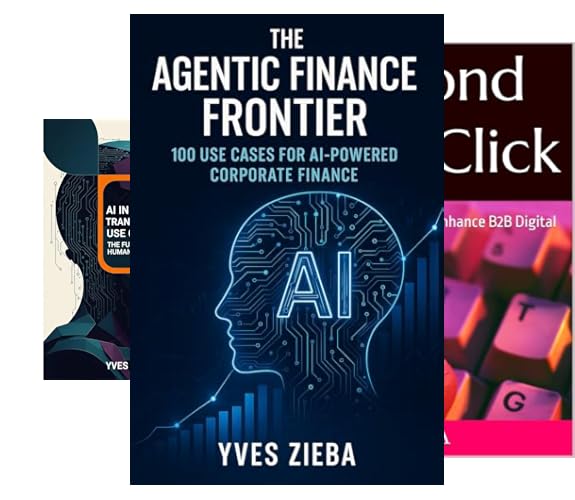
Announcing « Beyond the Click »

Your Blueprint for B2B Digital Marketing Domination!

Are your B2B digital marketing efforts falling short in a rapidly evolving landscape? Is your corporate struggling to break through the noise, generate high-quality leads, and demonstrate tangible ROI? We’re thrilled to announce the launch of « Beyond the Click: Ignite Your B2B Digital Marketing with 100 Game-Changing Strategies! » — your definitive guide to transforming your B2B digital strategy from conventional to cutting-edge.

In today’s competitive environment, simply « getting clicks » isn’t enough. You need conversions, loyal customers, and a clear path to measurable growth. This essential e-book moves past basic tactics, offering 100 actionable use cases designed specifically for corporates aiming for unparalleled growth.


What Awaits You Inside « Beyond the Click »?

« Beyond the Click » isn’t just theory; it’s a practical blueprint for innovation. We’ve meticulously crafted chapters that delve deep into the most critical areas of modern B2B digital marketing:

Master Hyper-Personalization & ABM

Discover how to implement AI-driven content recommendations, dynamic website experiences, and tailored outreach that treats every target account as a market of one. Move beyond generic messaging and connect with your audience on a truly individual level.

Unleash the Power of AI & Advanced Analytics

Leverage predictive lead scoring, churn prevention, and multi-touch attribution to make data-driven decisions that save money and drive revenue. Understand your data like never before and make every marketing dollar count.

Optimize Content & Distribution

Craft interactive content, harness short-form video, and atomize your messaging for maximum impact across all channels. Learn how to create content that captivates and converts, then distribute it effectively to reach your ideal audience.

Elevate Customer Experience & Advocacy

Build seamless onboarding, proactive support, and powerful referral programs that turn clients into loyal advocates. Happy customers are your best marketers – discover how to nurture them into powerful advocates for your brand.

Maximize Social Media & Emerging Tech

Drive thought leadership on LinkedIn, explore VR/AR for product demos, and use chatbots for instant engagement. Stay ahead of the curve by leveraging the latest social media trends and emerging technologies.

Forge Seamless Sales & Marketing Alignment

Implement shared dashboards, automated lead routing, and joint KPIs for unified revenue growth. Break down silos and create a cohesive strategy that drives both sales and marketing towards shared objectives.

Boost Website & SEO Performance

Apply advanced technical SEO, personalized landing pages, and voice search optimization for unrivaled organic visibility. Ensure your website is a powerful lead-generating machine, easily found by your target audience.

Dominate Digital Advertising

Master programmatic ads, LinkedIn Matched Audiences, and geofencing for precision targeting and optimized ROAS. Get the most out of your ad spend with strategies designed for maximum return on investment.

Build a Future-Proof Tech Stack

Unify data with a CDP, automate with a MAP, and secure your operations with robust cybersecurity. Learn how to select and implement the right technologies to support your marketing efforts now and in the future.


Each use case in « Beyond the Click » is designed to help your corporate accelerate its digital marketing maturity, streamline operations, and ultimately, unlock immense financial gains by saving costs and significantly boosting revenue.

Stop settling for clicks and start securing conversions. Transform your B2B digital marketing, one powerful strategy at a time.


Ready to ignite your B2B digital marketing?

A Visionary Voice in « The Trailblazers: Europe’s Top Visionary Leaders to Watch in 2025 »

Meet a visionary architect of sustainable change featured in Europe’s Top Leaders List.

We are thrilled to announce that Yves Zieba, a prominent figure in ethical innovation and sustainable transformation, has been featured in the prestigious publication, « The Trailblazers: Europe’s Top Visionary Leaders to Watch in 2025. »

This recognition underscores his profound impact and forward-thinking approach in shaping the future of business and society.

« The Trailblazers » series highlights individuals who are not just adapting to change but are actively driving it, setting new benchmarks for leadership and innovation across Europe.

Yves Zieba’s inclusion is a testament to his unwavering commitment to integrating ethical practices with cutting-edge technology, fostering a more sustainable and impactful global landscape.

Who is Yves Zieba?

Yves Zieba is a multifaceted professional renowned for his expertise in strategy consulting, innovation advising, and sustainability.

With a rich background that includes studies at esteemed institutions like ESCP Business School, IMD, and London Business School, Yves Zieba has honed a unique blend of business acumen and a deep commitment to societal improvement.

He is the founder of his own consulting and innovation firm, established in 2015, with a clear mission: to help businesses embed sustainability and ethical practices into their core operations. His work champions Environmental, Social, and Governance (ESG) principles, focusing not only on reducing environmental impact but also on addressing critical social issues such as inequality and diversity.

Why is Yves Zieba a « Trailblazer »?

His visionary leadership is marked by several key characteristics that align perfectly with the ethos of « The Trailblazers »:

  • Ethical Innovation: He advocates for a holistic approach to innovation, ensuring that technological advancements serve a greater purpose beyond profit. His focus is on creating solutions that benefit both businesses and the communities they serve.
  • Sustainable Transformation: Yves is a strong proponent of the Blue Economy and other sustainable models, guiding companies towards decarbonization and nature-based solutions. He is actively involved in projects that contribute to the UN Global Goals.
  • Global Network Vision: Looking ahead to 2025 and beyond, Yves Zieba is actively working on establishing a global open innovation network. This ambitious initiative aims to connect businesses, startups, and social enterprises that share a common commitment to sustainability, facilitating access to resources, funding, and knowledge for groundbreaking solutions.
  • Mentorship and Empowerment: Beyond his direct consultancy, Yves is dedicated to mentoring young entrepreneurs and sharing his vast knowledge. He believes in empowering the next generation of leaders to take bold steps towards a more responsible future.
  • Digital Transformation with a conscience: His expertise extends to advanced digital transformation, including AI, blockchain, IoT, and quantum computing, always with an emphasis on sustainable IT and responsible implementation.

A Glimpse into Yves’s Vision for 2025

For Yves Zieba, 2025 is not just another year; it’s a pivotal moment for redefining the intersection of business and sustainability. He envisions a future where collective action drives solutions to the world’s most pressing challenges. His planned sustainability-focused incubators are set to nurture innovative ideas in clean energy, green tech, and social equity, laying the groundwork for a truly impactful shift.

His inclusion in « The Trailblazers: Europe’s Top Visionary Leaders to Watch in 2025 » is a well-deserved recognition of his pioneering spirit and his relentless pursuit of a better, more sustainable world.

We encourage everyone to delve into « The Trailblazers » to gain deeper insights into the minds of leaders like Yves Zieba, who are setting the pace for positive change across Europe.

You can find Yves’s feature on page 20-24 in the May 2025 edition.

Unlocking Corporate Opportunities with the European Ocean Pact

Opportunities for Innovative Corporates Under the European Ocean Pact

The European Ocean Pact, unveiled by the European Commission in June 2025, presents a transformative framework aimed at addressing the critical challenges facing our oceans. This initiative not only focuses on environmental sustainability but also opens a plethora of opportunities for innovative corporates looking to engage in the blue economy. Here’s how businesses can capitalize on the opportunities presented by the Ocean Pact.

1. Investment in Sustainable Technologies

The Ocean Pact emphasizes the need for sustainable practices across various sectors, including fisheries, aquaculture, and maritime transport. Corporates can invest in innovative technologies that enhance resource efficiency, reduce waste, and promote eco-friendly operational practices. This includes:

  • Renewable Energy Solutions: Companies can develop offshore wind and ocean energy technologies, contributing to the EU’s climate goals.
  • Sustainable Aquaculture Systems: Innovations in aquaculture that minimize environmental impact and enhance productivity will be crucial.

2. Research and Development Collaborations

The Pact highlights the importance of research and innovation in achieving its objectives. Corporates have the opportunity to partner with research institutions and universities to:

  • Develop New Solutions: Collaborate on projects aimed at restoring marine ecosystems or improving marine biodiversity.
  • Access Funding: Engage in EU-funded research initiatives that support innovative ocean technologies and sustainable practices.

3. Enhanced Market Access

The Ocean Pact aims to create a more cohesive regulatory framework for maritime activities. This presents corporates with:

  • Easier Compliance: Streamlined regulations can reduce barriers to entry, making it easier for businesses to operate within the blue economy.
  • New Markets: As the demand for sustainable products grows, companies that align with the Pact’s goals can tap into emerging markets focused on eco-friendly goods and services.

4. Public-Private Partnerships

The Ocean Pact encourages collaboration between public authorities and private entities. Corporates can leverage this by:

  • Engaging in Joint Ventures: Participate in projects that focus on marine conservation, sustainable tourism, or coastal community development.
  • Influencing Policy: Work with government bodies to shape policies that favor innovative practices and technologies.

5. Consumer Engagement and Brand Loyalty

As public awareness of ocean health grows, consumers increasingly favor brands that demonstrate environmental responsibility. Corporates can:

  • Enhance Brand Image: Aligning business practices with the Ocean Pact can improve corporate reputation and customer loyalty.
  • Educational Initiatives: Invest in community-based programs that promote ocean literacy, thereby engaging customers and building a positive brand narrative.

6. Access to Funding Mechanisms

The Ocean Pact encourages investments in sustainable initiatives, creating access to various funding sources:

  • EU Grants and Loans: Corporates can apply for financial support from EU programs aimed at fostering sustainable blue economy projects.
  • Impact Investment: Attract impact investors interested in supporting businesses that contribute positively to ocean health and sustainability.

Conclusion

The European Ocean Pact is more than just an environmental initiative; it is a gateway for innovative corporates to engage in the blue economy. By leveraging the opportunities presented by the Pact, businesses can not only contribute to the health of our oceans but also drive growth and innovation in their sectors. As the EU leads the charge in sustainable ocean governance, corporates that align with these goals stand to gain significantly in terms of market access, brand loyalty, and long-term profitability.

3 raisons de se réjouir de l’arrivée du printemps

Le mois de mars arrive à grands pas, et avec lui le printemps. Nous vous avons préparé trois belles occasions de se rencontrer, et d’échanger, avec des séminaires à taille humaine pour pouvoir avoir des temps d’interaction privilégiés.

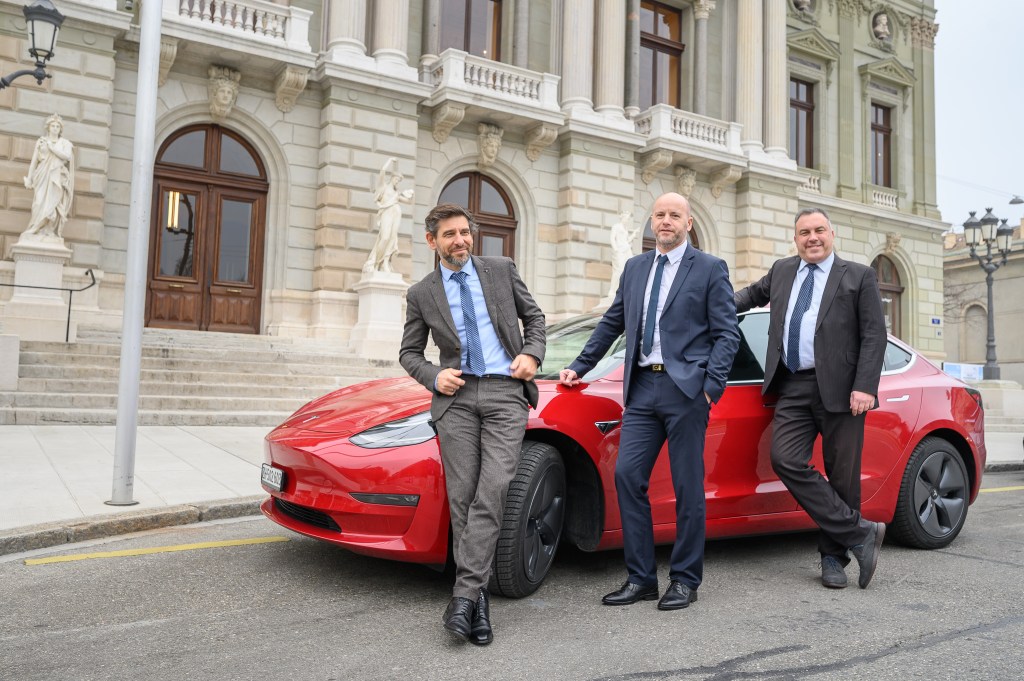
Pilotage avec Laurent & Hendrick

La première occasion, c’est la soirée des pilotes executifs à Genève.

Avec Laurent et Hendrick, nous vous avons préparé un programme pour parler de capital humain, de maturité financière et de cohérence stratégique. Le tarif préférentiel « Early Bird » est ouvert jusqu’au samedi 29 février, à 90- au lieu de 120- sur le lien suivant:

Pour tout savoir, et pour réserver votre place, voici le lien.

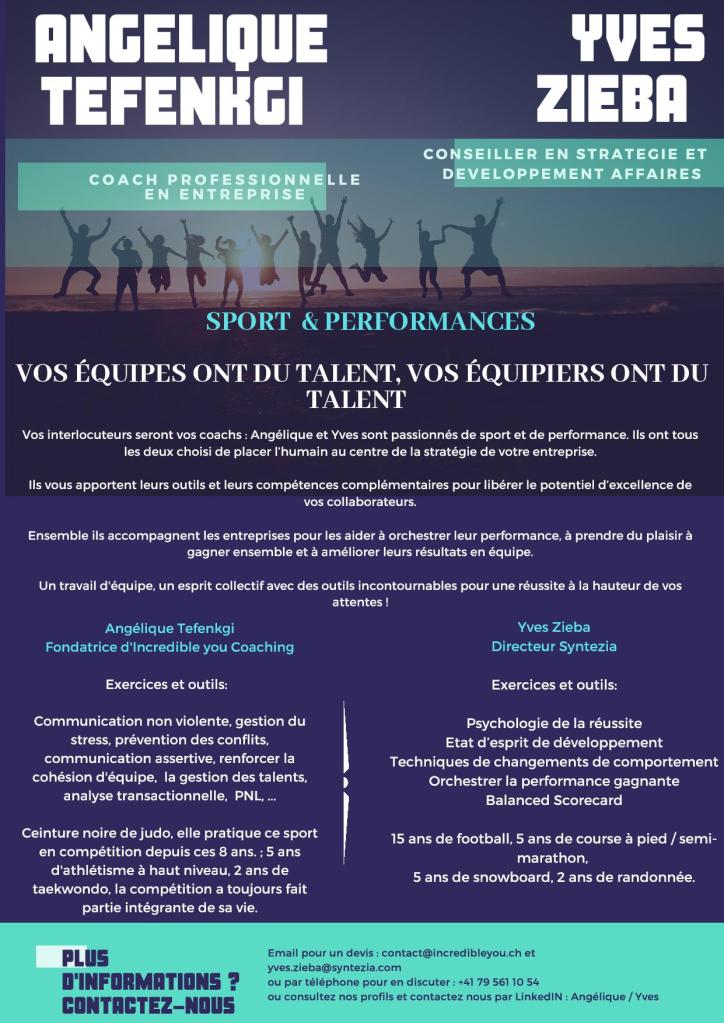
Sport et performance avec Angélique

La seconde occasion, nous vous la proposons avec Angélique Tefenkgi, avec une approche inédite de la performance et de l’état d’esprit, à travers des parallèles avec le sport de haut niveau.

Hackons la mode avec vous tous !

La troisième occasion, ce sera le samedi 21 Mars au Campus Biotech, le temps d’un hackathon sur la mode durable pendant le festival d’innovation ouverte Open Geneva. L’évènement est gratuit pour les participants, l’inscription est obligatoire sur ce lien, qui vous permettra de mettre en lumière votre profil et de découvrir les challenges que nous vous proposons de relever.

Vous pouvez aussi nous soutenir en devenant sponsor. Il suffit de me contacter pour en savoir plus.

Bref, un magnifique printemps en perspective, j’espère que nous pourrons nous voir lors de ces séminaires.

Rendez-vous pour sauver les océans et la biodiversité marine

Mardi prochain, le 4 février 2020, j’ai le plaisir de participer au BlueInvest Day 2020, qui se déroulera à Bruxelles.

  • Comment la nouvelle Europe post-Brexit va-t-elle s’y prendre pour mettre en place le nouveau Green Deal ?
  • Quelles sont les start-ups et les scale-ups qui vont briller lors du concours de pitch ?
  • Quels seront les dispositifs clés d’accompagnement de l’innovation pour l’économie bleue ?

Nous découvrirons cela sur des sujets aussi importants que :

L’énergie propre de l’océan.

Solutions, procédés et technologies innovants dans le domaine des énergies renouvelables et de l’énergie des océans.


L’océan intelligent.

Technologies, produits et solutions numériques de la prochaine génération dans le domaine de l’intelligence artificielle, de la robotique, des ports et terminaux intelligents, de la télédétection et de la navigation.


Nourriture et aliments pour animaux provenant de l’océan.

Nouvelles denrées alimentaires et nouveaux aliments pour animaux innovants issus de l’aquaculture et de ressources biologiques aquatiques renouvelables.


Bioéconomie bleue et solutions vertes.

Nouveaux produits, nouvelles technologies, solutions innovantes et processus ingénieux issus de ressources biologiques aquatiques renouvelables, y compris les emballages et les produits médicaux/pharmaceutiques. Elle couvre également les solutions visant à « écologiser » les industries maritimes traditionnelles, les déchets marins, l’économie circulaire, la gestion du capital naturel/des ressources océaniques, entre autres.

Le BlueInvest Day se tiendra à Bruxelles le 4 février 2020. Vous pouvez nous y rencontrer le jour de l’évènement ou les jours suivants à Bruxelles en dehors de l’événement. Nous serons heureux de vous parler de votre projet, de votre portefeuille d’investissement, de votre idée innovante ou de votre dernière entreprise. Cette journée annuelle BlueInvest Day 2020 réunira des innovateurs, des entrepreneurs, des investisseurs business coach et des facilitateurs de la Blue Economy. Notre objectif sera de vous offrir de nouvelles opportunités commerciales concrètes et une visibilité accrue.

20 des meilleures start-ups et PME européennes de l’économie bleue se présenteront sur la scène principale devant un jury d’investisseurs pour les BlueInvest Awards. Rencontrez les fondateurs de produits, solutions et technologies de nouvelle génération, hautement innovants et perturbateurs pour l’économie bleue.

La journée BlueInvest offrira également de nombreuses opportunités pour des solutions, des projets et des initiatives qui favorisent l’économie circulaire, la décarbonisation, la lutte contre le changement climatique ou qui sont en rapport avec les objectifs de développement durable, que vous soyez ou non sur la scène principale.

Les présentations seront diffusées en direct pour une exposition maximale aux clients et partenaires potentiels. Les finalistes bénéficieront d’un coaching et d’un retour d’information de la part de nos spécialistes du secteur avant l’événement.

Pendant l’évènement, vous pourrez entrez en contact avec des capitaines d’industrie, des investisseurs d’impact et des représentants de haut niveau du gouvernement, du secteur public, du secteur privé, des PME, des extrapolations et des start-ups. Parmi les sujets dont nous aimerions discuter avec vous, citons notamment :

  • Environnement, action climatique, durabilité, énergies renouvelables, technologies propres et affaires maritimes
  • Transformation numérique, respect de la vie privée dès la conception, nouveaux écosystèmes IoT, intelligence artificielle, robotique
  • Eau, hydrogène, yacht, navigation de plaisance, poisson, aquaculture, agroalimentaire, algues, protection des plages et du littoral
  • Observation de la Terre, imagerie satellitaire, aperçu et navigation
  • Intelligence collective, innovation ouverte, modèles économiques
  • Ville intelligente, énergie décarbonisée, laboratoire de mobilité urbaine

Pour nous rencontrer à Bruxelles pendant la semaine, contactez Yves Zieba par email: yves.zieba@syntezia.com ou par téléphone +41795611054.

Swim when others sink !

Markets have become more unpredictable, especially for fast-moving technology based industries. This workshop on « Achieving Strategic Agility » will suggest a serie of practical steps to increase the organisation’s ability to execute flexibly and rapidly while adopting new holistic management models.

3220372095_90dae1d571_b

It will help company founders to deal with an increasingly complex environment.

During this workshop, you will learn:

  • How to create value in unpredictable markets
  • How to seize emerging opportunities and anticipate threats
  • How to stay ahead of competition

and much more about « Achieving Strategic Agility »

sink

To register for March 22nd « Brown Bag Lunch » workshop at EPFL Innovation Park, in Lausanne, please click here.

If you would like some information or organise a re-run of this workshop, please get in touch or email me (yveszieba@gmail.com)

← Retour

Merci pour votre réponse. ✨