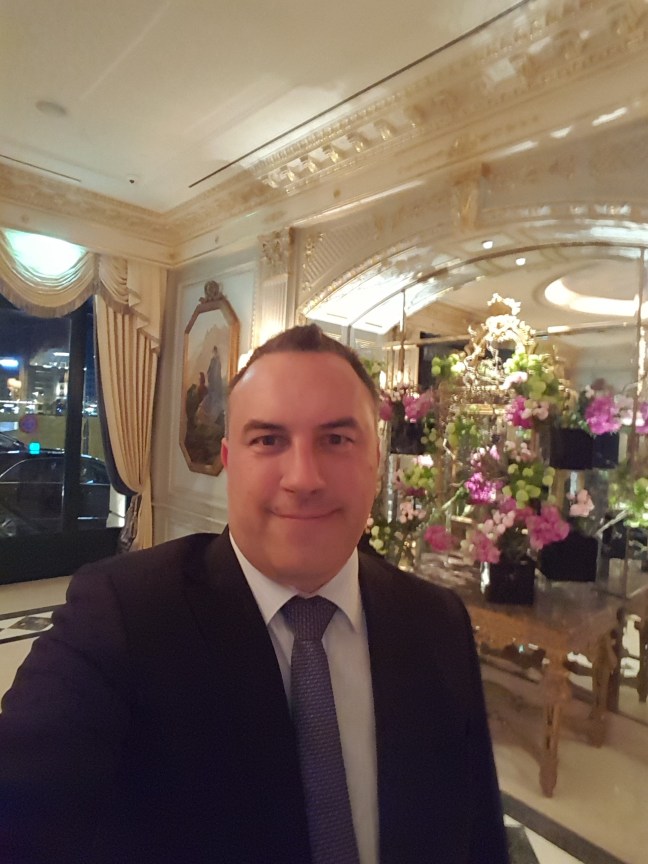
I’m thrilled to share some exciting news — Achiever Magazine has featured me among “The 10 Most Visionary Business Leaders Making Waves in Industry, 2026.”
This recognition is much more than a personal milestone. It reflects the incredible journey of Syntezia Sàrl and the communities of values AgileNetup and Hack Your Style that believes in blending innovation, human creativity, and sustainability to build a better business future.
Being acknowledged alongside such forward-thinking leaders is both humbling and energizing.
It’s a reminder of why purpose-driven innovation matters — not just for growth, but for shaping meaningful progress that benefits people and the planet.
A heartfelt thank you to the Achiever Magazine team for showcasing these inspiring stories and for giving a voice to entrepreneurs and leaders who are making a difference in their fields.
FabLabs, those vibrant hubs of digital fabrication, creativity, and community, have exploded in popularity worldwide. Born from MIT’s vision to democratize access to tools for invention, they offer a unique space where ideas blossom into tangible prototypes, and learning happens through doing. But beyond the buzz of 3D printers and laser cutters, a crucial question remains for many: how does a FabLab become financially sustainable?
The answer isn’t always straightforward, as the very essence of a FabLab often blends social mission with practical application. However, by strategically approaching their operations, FabLabs can absolutely find viable business models. Here’s how:
The FabLab Ethos: Balancing Openness and Revenue
At their core, FabLabs are about open access, knowledge sharing, and empowering individuals to « make almost anything. » This commitment to public good is enshrined in the Fab Charter. However, providing state-of-the-art equipment, maintaining the space, and supporting a team all come with costs. The key lies in finding the sweet spot where accessibility and community engagement can coexist with diverse revenue streams.
Diversifying Your Income Streams: More Than Just Memberships
Relying solely on membership fees or donations often isn’t enough for long-term sustainability. Successful FabLabs typically employ a multi-faceted approach:
Membership Tiers & Access Fees:
Tiered Memberships: Offer different levels of access, machine time, and support based on membership fees. This could range from basic access for hobbyists to premium plans for entrepreneurs needing dedicated time and advanced training.
Pay-per-use: For casual users, a system where they pay for machine time or material usage can be effective.
Corporate Memberships: Businesses can pay for access for their employees, using the FabLab for R&D, prototyping, or team-building workshops.
Workshops & Training Programs:
Skill-building Workshops: Teach foundational skills in 3D printing, laser cutting, CNC milling, electronics, and design software. These can be priced individually or bundled into courses.
Specialized Training: Offer advanced or industry-specific training for professionals looking to upskill or incorporate digital fabrication into their work.
Educational Partnerships: Collaborate with schools, universities, and vocational programs to offer hands-on learning experiences and curricula. This provides a steady stream of participants and can often secure grant funding.
Prototyping & Production Services:
Custom Fabrication: Offer design and fabrication services to individuals, startups, and small businesses who need prototypes or small-batch production but don’t have the equipment or expertise themselves.
Consultancy: Leverage the expertise of your lab managers and skilled members to offer consulting services on product development, design for manufacturing, or material selection.
« Made in FabLab » Products: Develop and sell unique products designed and manufactured within the FabLab, showcasing the capabilities of the space and generating revenue. This could include bespoke items, educational kits, or locally-sourced goods.
Grants & Public Funding:
Government & Municipal Support: Many local, regional, and national governments recognize the value of FabLabs in fostering innovation, education, and local economies. Explore grants for community development, technology education, or entrepreneurship.
Research & Development Grants: Partner with universities or research institutions on projects that align with the FabLab’s capabilities.
Cultural & Social Impact Grants: Position the FabLab as a force for social good, offering access to marginalized communities or addressing local challenges.
Corporate Partnerships & Sponsorships:
Equipment Sponsorship: Hardware and software companies might sponsor equipment in exchange for visibility or use as a testing ground for new technologies.
Program Sponsorship: Companies can sponsor specific workshops, events, or outreach programs.
Innovation Challenges: Collaborate with businesses to host innovation challenges, where the FabLab provides the tools and expertise for participants to develop solutions.
Key Considerations for Success:
Define Your Niche: While FabLabs are designed to « make almost anything, » identifying a specific focus (e.g., sustainable design, robotics, textile innovation, community engagement) can help attract a dedicated user base and funding.
Strong Leadership and Management: A passionate and skilled team is crucial for both technical support and community building.
Community Engagement: Foster a vibrant and supportive community. Engaged members are more likely to utilize services, recommend the FabLab, and even contribute their own skills.
Strategic Location: Accessibility is key. Consider proximity to educational institutions, business incubators, or residential areas.
Clear Value Proposition: Articulate what makes your FabLab unique and valuable to different user segments.
Transparent Costing: Be clear about pricing for services, memberships, and materials.
Case Studies in Sustainability:
Embedded FabLabs: Many successful FabLabs are embedded within larger organizations like universities (e.g., Fab Lab Barcelona at IAAC), libraries, or science parks. This often provides a stable infrastructure and administrative support.
Social Enterprises: Some FabLabs operate as social enterprises, balancing their social mission with generating revenue to sustain operations, often through services for local businesses or educational programs.
Collaborative Models: FabLabs forming co-ops or partnerships with local businesses (like Fablab013 in the Netherlands) can create a shared ownership model that bridges non-profit and for-profit structures.
Finding a viable business model for a FabLab is an iterative process. It requires creativity, adaptability, and a deep understanding of your community’s needs and the broader market.
By embracing diverse revenue streams, fostering a strong community, and continuously demonstrating your value, your FabLab can not only survive but thrive, becoming a powerful engine for innovation and empowerment in your region.
I share with you more examples to help your fablab become viable in this ebook.
Dans l’environnement de recherche dynamique d’aujourd’hui, notamment en ce qui concerne les ateliers interactifs et les Living Labs, la notion d’« objets frontières » joue un rôle de plus en plus crucial.
Il s’agit d’un concept qui peut sembler académique à première vue, mais dont l’application pratique est profonde. Cet article de blog explore ce que sont les objets frontières et comment ils facilitent la collaboration et l’innovation dans ces espaces.
Objets frontières : des catalyseurs pour la collaboration
Que sont les objets frontières ?
Le concept d’objets frontières a été introduit pour la première fois par la sociologue des sciences Susan Leigh Star. Essentiellement, un objet frontière est quelque chose qui est à la fois assez robuste pour maintenir son identité à travers différents mondes sociaux et suffisamment malléable pour être adaptable aux besoins locaux de chacun. En d’autres termes, ce sont des artefacts qui peuvent être interprétés différemment par divers groupes, tout en conservant une signification ou une structure centrale qui permet la communication et la coordination entre ces groupes.
Pensez-y comme à un langage commun ou un point de référence partagé qui transcende les jargons spécifiques à une discipline, les hypothèses et les objectifs. Il peut s’agir de :
Documents : rapports, plans de projet, fiches techniques.
Objets physiques : maquettes, outils, spécimens.
Systèmes numériques : tableaux de bord, bases de données, plateformes logicielles.
Pourquoi sont-ils si importants dans les ateliers interactifs ?
Les ateliers interactifs, par leur nature même, réunissent des personnes issues de diverses disciplines, avec des expertises variées et des perspectives différentes. Qu’il s’agisse de concepteurs, d’ingénieurs, de scientifiques, d’utilisateurs finaux ou de décideurs, chacun arrive avec son propre « monde » de compréhension. Sans un mécanisme pour combler ces lacunes, la communication peut s’enliser dans des malentendus ou des impasses.
C’est là que les objets frontières brillent :
Faciliter la compréhension mutuelle : Un prototype physique, par exemple, permet à un ingénieur de discuter de sa faisabilité technique, à un concepteur d’évaluer son ergonomie, et à un utilisateur potentiel de visualiser son application, le tout à partir du même point de référence.
Ancrer la discussion : Au lieu de débats abstraits, les objets frontières offrent un point d’ancrage concret. Ils aident à concentrer la conversation, à identifier les points d’accord et de désaccord, et à faire avancer le travail.
Favoriser la co-création : Les objets frontières sont souvent des outils que les participants peuvent manipuler, modifier ou annoter ensemble, favorisant ainsi un sentiment de propriété et de co-création.
Documenter le processus : Ils servent également de documentation vivante du processus de collaboration, enregistrant l’évolution des idées et des décisions.
Le rôle des objets frontières dans les Living Labs
Les Living Labs sont des environnements de recherche et d’innovation réels, où les utilisateurs finaux sont impliqués dans tout le cycle d’innovation, de la co-création à l’expérimentation et à l’évaluation. La complexité des Living Labs réside dans la multiplicité des acteurs (entreprises, universités, organismes publics, citoyens) et la nature évolutive des problèmes abordés.
Dans ce contexte, les objets frontières deviennent encore plus critiques :
Naviguer la complexité et l’incertitude : Les Living Labs opèrent souvent dans des situations floues et complexes. Un objet frontière, comme une carte de flux de services ou un scénario d’utilisation, peut aider à visualiser les interdépendances et à gérer l’incertitude.
Construire des ponts entre la recherche et la pratique : Ils permettent aux chercheurs de traduire leurs découvertes en quelque chose de compréhensible et d’utilisable par les praticiens, et aux praticiens de communiquer leurs besoins et leurs observations aux chercheurs.
Engager les utilisateurs : En Living Labs, les objets frontières peuvent être des outils d’engagement puissants. Des maquettes interactives ou des prototypes à petite échelle peuvent permettre aux utilisateurs finaux de tester, de commenter et de façonner activement les solutions.
Soutenir l’expérimentation itérative : Les objets frontières sont parfaits pour les cycles d’expérimentation rapides et itératifs. Un prototype peut être rapidement modifié en fonction des retours d’expérience, puis testé à nouveau, alimentant ainsi un processus d’amélioration continue.
Mettre en œuvre les objets frontières dans votre pratique
Pour tirer parti de la puissance des objets frontières dans vos ateliers et Living Labs, considérez les points suivants :
Identifiez les lacunes de communication : Où les différents groupes ont-ils du mal à se comprendre ? C’est là qu’un objet frontière pourrait être le plus utile.
Concevez l’objet frontière avec soin : Il doit être suffisamment flexible pour différentes interprétations, mais assez stable pour maintenir sa signification centrale.
Encouragez l’interaction : Les objets frontières ne sont pas statiques ; ils sont destinés à être manipulés, discutés et modifiés.
Soyez conscient de leurs limites : Si les objets frontières sont de puissants facilitateurs, ils ne remplacent pas une communication claire et une confiance mutuelle.
En conclusion, les objets frontières sont des outils indispensables pour naviguer dans la complexité de la collaboration multidisciplinaire. En les utilisant stratégiquement dans les ateliers interactifs et les Living Labs, nous pouvons non seulement améliorer la communication, mais aussi stimuler une innovation plus significative et plus pertinente. C’est en reconnaissant et en exploitant le pouvoir de ces artefacts partagés que nous pouvons véritablement construire des ponts entre les idées, les personnes et les mondes.
Announcing « Sustainable IT Use Cases: A Comprehensive Framework » by Yves Zieba
Are you ready to transform your organization’s IT into a powerful force for environmental sustainability and economic resilience? In an era where digital transformation accelerates alongside the urgent demand for climate action, IT stands at a critical crossroads. Traditional IT practices contribute significantly to carbon emissions, e-waste, and resource depletion. But what if your technology infrastructure could become a cornerstone of your sustainability strategy, driving both ecological responsibility and profound business value?
We are thrilled to announce the upcoming e-book, « Sustainable IT Use Cases: A Comprehensive Framework, » by acclaimed author Yves Zieba. This groundbreaking work is set to revolutionize the way organizations approach their digital future, providing a definitive guide to achieving the crucial balance between technological advancement and environmental stewardship.
Yves Zieba distills complex concepts into 100 actionable use cases, offering a complete blueprint for implementing Green IT across every layer of your enterprise.
From strategic governance and data center optimization to software development, cloud management, and end-user engagement, this book covers it all.
Inside, you will discover:
Strategic Roadmaps: Master Green IT governance, policy development, and carbon footprint measurement to embed sustainability at your organization’s core.
Operational Excellence: Optimize data centers with advanced cooling, virtualization, and DCIM systems for unparalleled energy efficiency.
Software & Data Solutions: Learn how to write green code, minimize data storage, and leverage AI for sustainable outcomes.
Circular Economy Integration: Implement responsible e-waste management and embrace circular procurement for IT hardware.
Future-Proofing: Explore emerging trends like green digital twins, ethical AI, and IT disaster recovery for climate resilience.
Tangible Benefits: Uncover how Green IT not only reduces your environmental impact but also cuts costs, boosts efficiency, enhances reputation, and ensures regulatory compliance.
Whether you’re a CIO, IT manager, sustainability lead, or a tech professional passionate about making a difference, « Sustainable IT Use Cases: A Comprehensive Framework » empowers you with the practical knowledge and proven strategies to build a truly sustainable and resilient digital future.
Stop viewing IT as an environmental burden and start leveraging it as your greatest asset for sustainability. Get ready to transform your organization’s IT landscape and contribute to a greener, more resilient world.
Today is the official release date of « Sustainable IT Use Cases: A Comprehensive Framework » and prepare to unlock the power of Green IT!
Transform your IT, transform your future !
You can access the e-book in Kindle format by clicking here:
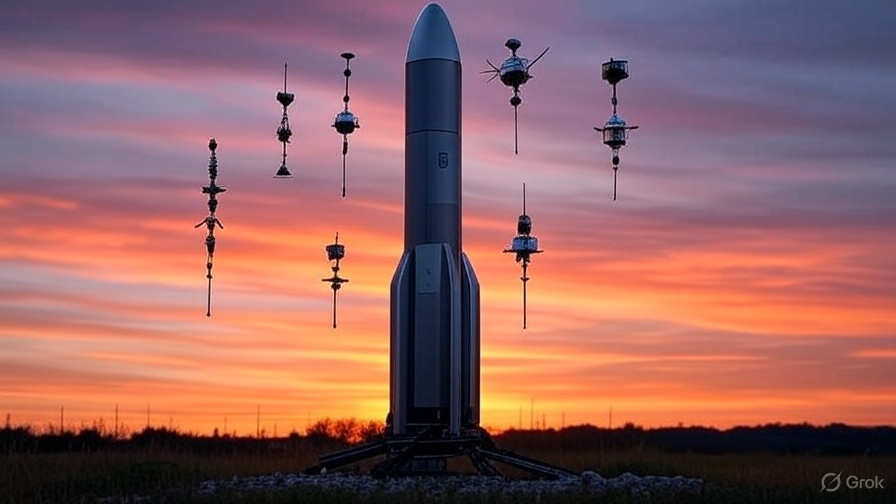
Les Mini-Satellites, Lanceurs Français et l’Innovation du New Space 🚀
Le Salon International de l’Aéronautique et de l’Espace du Bourget 2025 a été le théâtre d’innovations qui façonnent l’avenir de l’industrie spatiale.
Cette édition a clairement mis en lumière la montée en puissance des mini-satellites, l’ingéniosité des lanceurs français, l’effervescence des fusées du New Space, et des avancées technologiques marquantes.
La Révolution des Mini-Satellites : plus petits, plus agiles, plus stratégiques
Ces dernières années, le concept de mini-satellite, ou petits satellites (Cubesats, microsatellites), a cessé d’être une simple curiosité pour devenir un pilier de la stratégie spatiale. Leur petite taille, leur coût de développement réduit et leur capacité à être déployés en constellations ouvrent des perspectives inédites :
Connectivité mondiale : Des constellations comme Starlink (même si non française) ont montré la voie, mais de nombreuses entreprises françaises et européennes développent leurs propres réseaux pour l’IoT, la 5G, et l’accès à internet dans les zones reculées.
Observation de la Terre : Des capteurs miniaturisés permettent une surveillance environnementale, agricole et climatique à haute fréquence, offrant des données cruciales pour la gestion des ressources et la prévention des catastrophes.
Défense et Sécurité : La discrétion et la capacité de déploiement rapide des mini-satellites en font des outils précieux pour la surveillance stratégique et la résilience spatiale.
Au Bourget 2025, nous avons pu constater la maturité de ces technologies, avec des démonstrateurs en vol, des partenariats industriels renforcés et des solutions clés en main pour l’accès à l’espace via ces plateformes compactes.
Les Lanceurs Français et l’Élan du New Space : Une compétition féroce, une créativité décuplée
La France, avec sa longue histoire spatiale, est à l’avant-garde du New Space européen. Si Ariane est le vaisseau amiral de notre industrie, une nouvelle génération de lanceurs et de fusées françaises émerge, portée par des start-ups agiles et innovantes :
Réutilisabilité et Coût : L’une des tendances les plus fortes est la recherche de la réutilisabilité pour réduire drastiquement les coûts de lancement. Plusieurs acteurs français ont présenté des avancées significatives sur des démonstrateurs de premiers étages réutilisables ou des concepts de lanceurs modulaires et économiques.
Micro-lanceurs dédiés : Pour répondre aux besoins spécifiques des mini-satellites, des micro-lanceurs sont en développement. Ces fusées plus petites offrent une flexibilité et une réactivité accrues pour des mises en orbite dédiées, évitant l’attente et les contraintes des grands lanceurs.
Propulsion Innovante : Des projets axés sur de nouvelles formes de propulsion, plus écologiques ou plus performantes (propulsion électrique, biocarburants spatiaux, etc.), ont également été mis en avant, signe d’une volonté d’innover sur toute la chaîne de valeur.
Le Bourget 2025 a été l’occasion de voir des maquettes grandeur nature, des prototypes de moteurs, et des annonces de levées de fonds significatives pour ces acteurs qui bousculent les codes établis.
Les Innovations Marquantes du Salon du Bourget 2025 : Au-delà de l’Orbital
Au-delà des lanceurs et des satellites, le Salon du Bourget 2025 a mis en lumière plusieurs innovations qui témoignent de la vitalité et de la diversité de l’écosystème spatial et aéronautique :
Avionique de nouvelle génération : Des avancées en matière d’intelligence artificielle embarquée pour la gestion de vol, de systèmes de navigation autonomes et de cybersécurité aéronautique ont montré comment l’IA transforme la sécurité et l’efficacité des opérations aériennes et spatiales.
Matériaux avancés et fabrication additive : L’utilisation croissante de matériaux composites ultra-légers et résistants, ainsi que l’impression 3D pour des pièces complexes et optimisées, réduit les coûts et les délais de production, tout en améliorant les performances.
Gestion du trafic spatial et débris : Face à la prolifération des satellites, des solutions innovantes de surveillance du trafic spatial, de désorbitation active et de recyclage des débris spatiaux ont été présentées, soulignant l’importance croissante de la durabilité spatiale.
Mobilité aérienne urbaine (UAM) : Si cela ne relève pas directement de l’espace, les avancées dans les eVTOLs et drones de livraison ont des synergies technologiques fortes avec l’aérospatiale, notamment en matière de motorisation électrique et de gestion de l’espace aérien. Des démonstrations ont confirmé l’accélération de ce secteur.
L’avenir est en marche
Le Salon du Bourget 2025 a une nouvelle fois prouvé que l’industrie spatiale et aéronautique française et européenne est dynamique, innovante et résolument tournée vers l’avenir. La synergie entre les acteurs établis et les start-ups du New Space est cruciale pour maintenir notre position de leader et relever les défis de la conquête spatiale, de la connectivité mondiale et de la durabilité.
Nous avons hâte de voir ces innovations se concrétiser et de suivre les prochaines étapes de cette aventure passionnante !
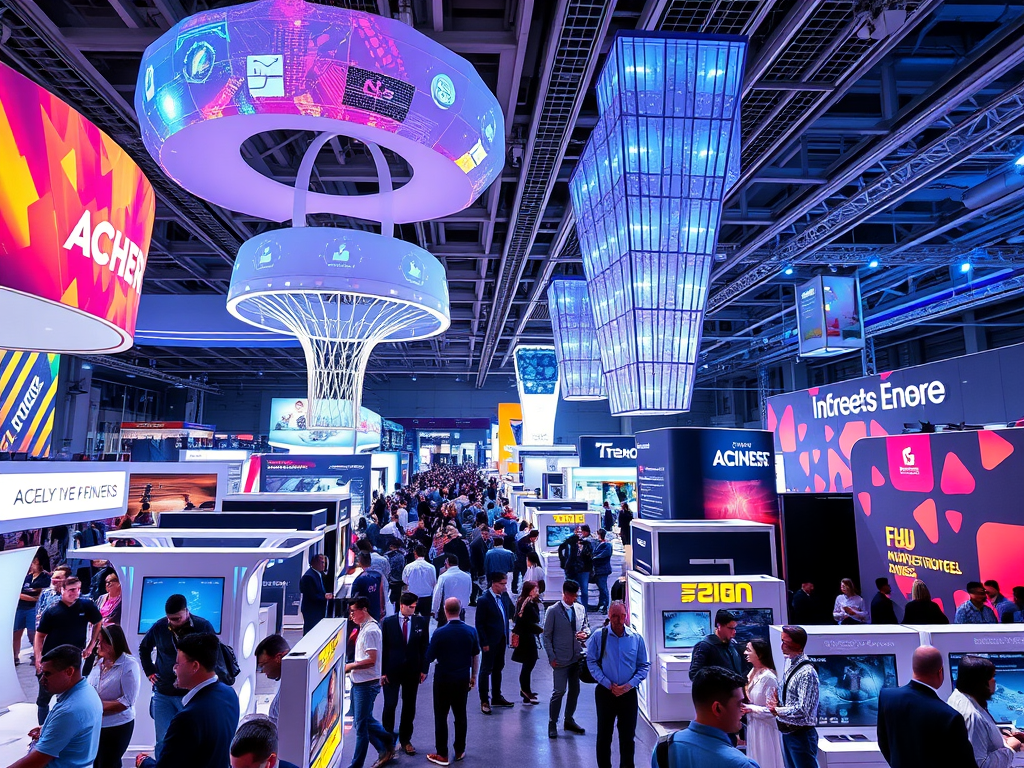
Le salon Vivatech 2025 vient de fermer ses portes, laissant derrière lui une impression durable de progrès technologique et d’innovation foisonnante.
Cette édition a une fois de plus démontré la capacité du salon à se positionner comme un carrefour mondial de l’innovation, attirant des géants de la technologie, des startups prometteuses et des délégations internationales venues présenter leurs avancées.
L’Intelligence Artificielle en chef de file
Sans surprise, l’Intelligence Artificielle (IA) a dominé les conversations et les démonstrations. Omniprésente, elle s’est manifestée sous diverses formes : de l’IA générative capable de créer du contenu textuel et visuel en un clin d’œil, aux systèmes d’IA embarqués améliorant l’efficacité énergétique ou la détection précoce de maladies.
De nombreuses entreprises ont mis en avant leurs solutions basées sur l’IA pour optimiser les processus industriels, personnaliser l’expérience client ou encore proposer des assistants virtuels toujours plus performants.
L’accent a été mis sur des IA plus éthiques et transparentes, avec un effort collectif pour adresser les préoccupations liées à la confidentialité des données et aux biais algorithmiques.
L’occasion idéale pour lancer mon e-book sur les 100 cas d’usage de l’IA en entreprise :
La Réalité Virtuelle et Augmentée : Une immersion toujours plus réelle
La Réalité Virtuelle (RV) et la Réalité Augmentée (RA) ont également eu leur part de projecteurs, offrant des expériences immersives bluffantes. Les progrès en matière de matériel ont permis des casques plus légers, des résolutions d’écran améliorées et des interactions plus naturelles.
Le Meta Quest a notamment attiré l’attention avec des démonstrations de ses dernières avancées, montrant comment la RV peut transformer le divertissement, l’éducation et même la collaboration professionnelle.
Les applications en RA, notamment pour l’assistance à la maintenance industrielle ou l’amélioration de l’expérience d’achat en magasin, ont également été très présentes.
Les géants français à l’honneur
Les grands groupes français ont une nouvelle fois démontré leur engagement en faveur de l’innovation :
L’Oréal a présenté des innovations de pointe en matière de beauté augmentée et personnalisée, grâce à l’IA et à la data. On a pu voir des diagnostics de peau basés sur l’IA, des simulateurs de maquillage en réalité augmentée et des solutions pour des produits cosmétiques ultra-personnalisés.
LVMH, fidèle à sa réputation, a exposé des innovations alliant luxe et technologie. De la traçabilité des produits via la blockchain à des expériences client immersives en magasin grâce à la RA, le groupe a montré comment la technologie peut sublimer l’artisanat et l’expérience haut de gamme.
Orange a mis en avant ses avancées en matière de connectivité 5G et 6G, essentielles pour le déploiement de l’IA et de la RV. Leurs démonstrations incluaient des solutions de cybersécurité avancées, des services de cloud edge et des applications de l’IoT pour les villes intelligentes.
TotalEnergies et Engie ont souligné leurs efforts pour accélérer la transition énergétique grâce à la technologie. Les innovations présentées portaient sur l’optimisation de la production d’énergies renouvelables via l’IA, le stockage d’énergie, les solutions de mobilité électrique et la gestion intelligente des réseaux énergétiques.
L’effervescence des startups
Vivatech est avant tout le salon des startups, et cette édition n’a pas dérogé à la règle. Des milliers de jeunes pousses venues du monde entier ont présenté leurs idées disruptives, couvrant un large éventail de secteurs : la santé connectée, l’agritech, la fintech, l’edtech, les RH et bien d’autres.
La diversité des solutions proposées, souvent axées sur la durabilité et l’impact social, a démontré la vitalité de l’écosystème entrepreneurial mondial.
Les espaces dédiés aux pitchs et aux rencontres investisseurs étaient particulièrement animés, soulignant l’importance de Vivatech comme tremplin pour ces entreprises en devenir.
Les pavillons des pays : Un aperçu de l’innovation mondiale
Les différents pavillons des pays présents ont offert un panorama fascinant des stratégies nationales en matière d’innovation. Chaque pavillon mettait en lumière les forces technologiques spécifiques de son pays, des initiatives gouvernementales en faveur de la recherche et développement, et les startups les plus prometteuses.
On a pu observer des délégations venues d’Europe, d’Asie, d’Amérique du Nord, d’Afrique et du Moyen-Orient, chacune présentant des innovations uniques, des technologies vertes développées en Scandinavie aux solutions de smart cities proposées par les pays asiatiques.
Cette diversité a renforcé le caractère international de Vivatech et a favorisé les échanges interculturels et les partenariats mondiaux.
En conclusion, Vivatech 2025 a confirmé sa position de rendez-vous incontournable pour l’innovation.
En mettant en lumière les dernières avancées en IA et RV, en présentant les efforts des grands groupes pour se réinventer, et en offrant une scène aux startups du monde entier, le salon a esquissé les contours d’un futur toujours plus connecté, intelligent et, espérons-le, durable.
Unlocking potential: multiple use cases for corporates to leverage AI
Artificial Intelligence (AI) is no longer a futuristic concept; it’s a transformative force reshaping the corporate landscape. Businesses across various industries are harnessing AI to streamline operations, enhance customer experience, and drive innovation. In this article, we’ll explore the multiple use cases for corporates to leverage AI, unlocking new possibilities for growth and efficiency.
1. Customer Service Automation
Chatbots and Virtual Assistants
AI-powered chatbots are revolutionizing customer service by providing instant responses to inquiries, resolving issues, and guiding users through processes. Virtual assistants can handle a variety of tasks, from scheduling appointments to providing product recommendations, enhancing customer satisfaction while reducing operational costs.
2. Predictive Analytics
Data-Driven Decision Making
Companies can utilize AI to analyze historical data and predict future trends. This capability allows businesses to make informed decisions regarding inventory management, marketing strategies, and resource allocation. By anticipating customer behavior and market shifts, organizations can stay ahead of the competition.
3. Personalized Marketing
Tailored Customer Experiences
AI enables companies to create personalized marketing campaigns by analyzing consumer data and preferences. Through targeted advertising and customized content, businesses can engage customers more effectively, resulting in higher conversion rates and improved customer loyalty.
4. Fraud Detection and Risk Management
Enhanced Security Measures
Financial institutions and e-commerce platforms are leveraging AI to detect fraudulent activities in real-time. Machine learning algorithms can analyze transaction patterns and identify anomalies, allowing companies to mitigate risks and protect their assets with greater accuracy.
5. Supply Chain Optimization
Streamlined Operations
AI can optimize supply chain processes by predicting demand, managing inventory, and improving logistics. By analyzing various factors, such as market trends and consumer behavior, businesses can enhance efficiency, reduce costs, and ensure timely delivery of products.
6. Human Resources Management
Efficient Recruitment Processes
AI tools can streamline the recruitment process by screening resumes, assessing candidate fit, and even conducting initial interviews. This allows HR teams to focus on strategic initiatives and enhance the overall candidate experience.
7. Product Development
Accelerated Innovation
AI can aid in product development by analyzing market trends and consumer feedback. Companies can utilize AI to simulate product performance, identify potential improvements, and accelerate the development cycle, ensuring that new products meet customer needs effectively.
8. Financial Analysis
Intelligent Financial Insights
AI can assist finance teams in automating routine tasks, such as data entry and report generation. Additionally, advanced algorithms can provide insights into financial health, budgeting, and forecasting, enabling better financial decision-making.
9. Natural Language Processing
Enhanced Communication
Natural Language Processing (NLP) allows businesses to analyze and understand human language. This technology can be used for sentiment analysis, enabling companies to gauge customer opinions from reviews and social media, thereby informing marketing strategies and product improvements.
10. Workplace Productivity
Intelligent Automation
AI can automate repetitive tasks, freeing up employees to focus on higher-value work. From scheduling meetings to managing emails, intelligent automation enhances overall productivity and job satisfaction.
Conclusion
The possibilities for leveraging AI in corporate environments are vast and varied. By embracing these technologies, businesses can unlock new levels of efficiency, innovation, and customer satisfaction. As the landscape continues to evolve, companies that adapt and integrate AI into their strategies will be well-positioned to thrive in an increasingly competitive market.
To enable your organisation to use AI and optimize, here is my e-book with more information and a free review:
Les visites se succèdent, on a viré x fois nos commerciaux, mais rien n’y fait, plus personne ne veut venir dans nos bureaux…
Comment booster l’attractivité d’un espace vide ?
Comment attirer puis fidéliser la GenZ à venir voir puis à rester ?
Comment rester dans le coup et anticiper les tendances quand on est propriétaire des murs ?
Depuis la crise du COVID19, de nombreux employés ne sont pas retournés à 100% sur leur lieu de travail. Désormais, leurs attentes ont énormément changé.
N’est-ce pas cool de changer de bureaux (devrais-je dire lieu ?) tous les jours ?
C’est très agréable comme style de vie, mais cela a des conséquences (risque d’isolement, instabilité, absence de relations sociales régulières…). Et puis, quand on commence un nouveau projet ambitieux, on a envie d’un bel endroit pour se poser avec son équipe.
Ce nomadisme des slashers a pour conséquence l’augmentation des surfaces de bureaux peu ou pas occupées. Cela challenge le modèle économique des acteurs de l’immobilier commercial.
La plupart des employeurs visent le retour des employés (mais ils rament), et les promoteurs s’emploient à remplir de nouveau les surfaces de bureau, mais aujourd’hui, une table, des chaises, le wifi et du café, sont devenus des « commodités banales » que l’on trouve partout ou presque, autrement dit nécessaire, mais pas suffisant ni différentiant pour attirer les personnes, et encore moins les bons projets.
S’improviser « fablab » ou « makerspace » ou « hackerspace » avec une imprimante 3D dans un coin de la cave. cela ne fonctionne plus vraiment (à part pour les quelques puristes du Do It Yourself (DIY) et de la culture libre). Qui a envie de vivre au milieu des machines et de leurs fumées dans des zones industrielles insipides et reculées ou dans des vieux sous-sols sombres et humides ?
Même la proximité et le marketing de lieux ne suffisent plus, car les occupants sont devenus des cibles mobiles.
Deux grandes possibilités s’offrent aux promoteurs immobiliers : soit on métamorfose (en habitation) si c’est autorisé, soit on revoit sa copie pour proposer des espaces mieux positionnés, qui offrent une valeur ajouté.
Alors que faire pour muscler son genre et augmenter l’attractivité d’un lieu d’innovation, faciliter l’émergence de communauté de valeurs et d’intérêt, initier les échanges entre locataires des surfaces si on a des m2 vides (le chrono tourne et les loyers ne rentrent pas) ?
Équipements Spécialisés vs. Polyvalence :
Ateliers Spécialisés : Si l’on cherche à attirer une expertise ou des équipements très spécifiques (comme des laboratoires de biotechnologie, des ateliers de haute couture technologique, ou des centres de recherche avancée en physique), ces lieux jouent alors sur la spécialisation et les technologies de pointe.
Accessibilité et Communauté :
Makerspaces Commerciaux : Des endroits comme TechShop (avant sa faillite :-)) offraient des formations professionnelles et une accessibilité 24/7, le modèle reste intéressant si l’on valorise la capacité d’accès et la formation structurée.
Incubateurs et Accélérateurs : Pour les startups et innovateurs, des incubateurs qui fournissent non seulement un espace de travail mais aussi du mentoring, des réseaux, et du financement, peuvent être attrayants pour lever des fonds et recruter des équipes.
Éducation et Formation :
Universités et Écoles Techniques : Si l’objectif est l’éducation formelle, les universités ou les écoles techniques avec des laboratoires intégrés offrent une structure éducative, des diplômes, et des ressources pédagogiques qui sont adaptés pour une formation académique ou professionnelle.
Innovation et Recherche :
Centres de Recherche et Développement (R&D) : Pour les projets de recherche avancée ou l’innovation technologique, les centres de R&D avec des budgets substantiels pour la recherche permettent d’avoir une capacité d’innovation et de développement de prototypes très sophistiqués.
Accessibilité et Coût :
Services d’Imprimantes 3D à la Demande : Pour des personnes ou des petites entreprises qui n’ont pas besoin d’un accès constant mais plutôt de services ponctuels, des services en ligne ou des boutiques qui offrent des impressions 3D ou d’autres fabrications sur demande peuvent être très économiques et pratiques.
Flexibilité et Nomadisme :
Espaces de Travail Nomades : Avec l’avènement du travail à distance et de la technologie cloud, certains entrepreneurs pourraient trouver que des espaces de coworking avec un bar ou des bars avec un espace de coworking 🙂 selon la façon dont on voit les choses, sont suffisants et maximisent leur bonheur au travail. Des services à la demande de fabrication sur demande ou des espaces de fabrication mobile (comme des imprimantes 3D portables) adaptés à un mode de vie nomade ou très flexible.
Finalement, la clé dans tout cela, c’est d’anticiper les usages futurs, notamment ceux des nouvelles générations Z et Alpha.
Ma prédiction sur les communautés d’ « infidèles aux bureaux » semble se réaliser. Pour le moment, la GenZ veut surtout profiter de la vie et les vieux bureaux ne font pas partie de leurs plans.
Je fais le pari qu’ils voudront le meilleur des différents concepts et quelques playstations !!! On y travaille notamment avec AgileNetup et Syntezia Smart Building Automation 🙂
Et vous, quelles sont vos priorités quand vous choisissez vos lieux ?
Comment parvenez vous à garder vos surfaces bankables ?
Entre démocratisation de l’accès, amour du lowtech et accélération de l’IA, comment trouver les bons équilibres dans votre fablab ?
Faut-il foncer sans trop réfléchir pour saisir les opportunités de l’IA ou plutôt attendre le temps de bien cerner les risques ?
L’intelligence artificielle (IA) est une technologie en plein essor qui a le potentiel de révolutionner de nombreux domaines, dont celui de la fabrication numérique. Dans un fablab, l’IA peut être utilisée pour améliorer la productivité, la créativité et l’innovation.
Améliorer la productivité
L’IA peut être utilisée pour automatiser des tâches répétitives et chronophages, telles que la conception, la fabrication et le contrôle qualité. Cela peut libérer les utilisateurs du fablab pour se concentrer sur des tâches plus créatives et stratégiques.
Par exemple, un logiciel d’IA peut être utilisé pour générer des modèles 3D à partir de descriptions textuelles, ce qui peut réduire le temps nécessaire à la conception d’un objet. Une machine à commande numérique (CNC) peut être équipée d’un système d’IA pour suivre automatiquement les contours d’un objet, ce qui permet d’éliminer les erreurs de découpe. Un système de vision artificielle peut être utilisé pour contrôler la qualité des produits fabriqués, ce qui permet de détecter les défauts et de les corriger rapidement.
Favoriser la créativité
L’IA peut être utilisée pour aider les utilisateurs du fablab à explorer de nouvelles idées et à créer des objets plus innovants.
Par exemple, un logiciel d’IA peut être utilisé pour générer des suggestions de design, en fonction des préférences de l’utilisateur ou des contraintes techniques. Un système d’IA peut être utilisé pour analyser des données historiques afin de trouver des tendances ou des corrélations qui peuvent inspirer de nouveaux projets. Une plateforme d’IA peut être utilisée pour permettre aux utilisateurs de partager leurs créations et d’obtenir des commentaires des autres.
Développer l’innovation
L’IA peut être utilisée pour aider les utilisateurs du fablab à résoudre des problèmes complexes et à développer de nouvelles technologies.
Par exemple, un logiciel d’IA peut être utilisé pour simuler le comportement de matériaux ou de systèmes, ce qui peut aider les utilisateurs à concevoir des objets plus performants. Un système d’IA peut être utilisé pour rechercher de nouvelles solutions à des problèmes techniques, en explorant un espace de solutions plus vaste que ce que les humains pourraient faire seuls. Une communauté d’IA peut être utilisée pour fédérer des experts de différents domaines afin de collaborer sur des projets innovants.
Les différentes applications de l’IA dans un fablab
L’IA peut être utilisée dans de nombreux domaines différents dans un fablab, notamment :
La conception : l’IA peut être utilisée pour générer des modèles 3D, concevoir des circuits électroniques, ou créer des prototypes de produits.
La fabrication : l’IA peut être utilisée pour automatiser des tâches de fabrication, telles que la découpe, le soudage ou le collage.
Le contrôle qualité : l’IA peut être utilisée pour détecter les défauts de fabrication ou pour assurer la conformité des produits aux normes.
La maintenance : l’IA peut être utilisée pour diagnostiquer les pannes d’équipement ou pour proposer des solutions d’optimisation.
La gestion : l’IA peut être utilisée pour suivre les stocks, gérer les commandes ou analyser les données.
Les avantages de l’utilisation de l’IA dans un fablab
L’utilisation de l’IA dans un fablab présente de nombreux avantages, notamment :
Une augmentation de la productivité : l’automatisation des tâches permet de libérer les utilisateurs pour se concentrer sur des tâches plus créatives et stratégiques.
Une amélioration de la créativité : l’IA peut aider les utilisateurs à explorer de nouvelles idées et à créer des objets plus innovants.
Un développement de l’innovation : l’IA peut aider les utilisateurs à résoudre des problèmes complexes et à développer de nouvelles technologies.
Les défis de l’utilisation de l’IA dans un fablab
L’utilisation de l’IA dans un fablab présente également quelques défis, notamment :
La complexité de l’IA : l’IA peut être une technologie complexe à maîtriser, ce qui peut nécessiter une formation et un accompagnement spécifiques.
La disponibilité des données : l’IA nécessite des données pour s’entraîner et fonctionner, ce qui peut être un défi dans certains cas.
L’éthique de l’IA : l’utilisation de l’IA soulève des questions éthiques, telles que la discrimination ou la sécurité.
L’IA est une technologie prometteuse qui a le potentiel de révolutionner la fabrication numérique. Dans un fablab, l’IA peut être utilisée pour améliorer la productivité, la créativité et l’innovation.
Le meilleur parc machines pour un fablab dépend de plusieurs facteurs, notamment de la taille du fablab, de ses objectifs et de son budget. Cependant, certains équipements sont essentiels à tout fablab, notamment :
Une imprimante 3D : l’imprimante 3D est l’équipement le plus populaire dans les fablabs. Elle permet de créer des objets en trois dimensions à partir d’un modèle numérique.
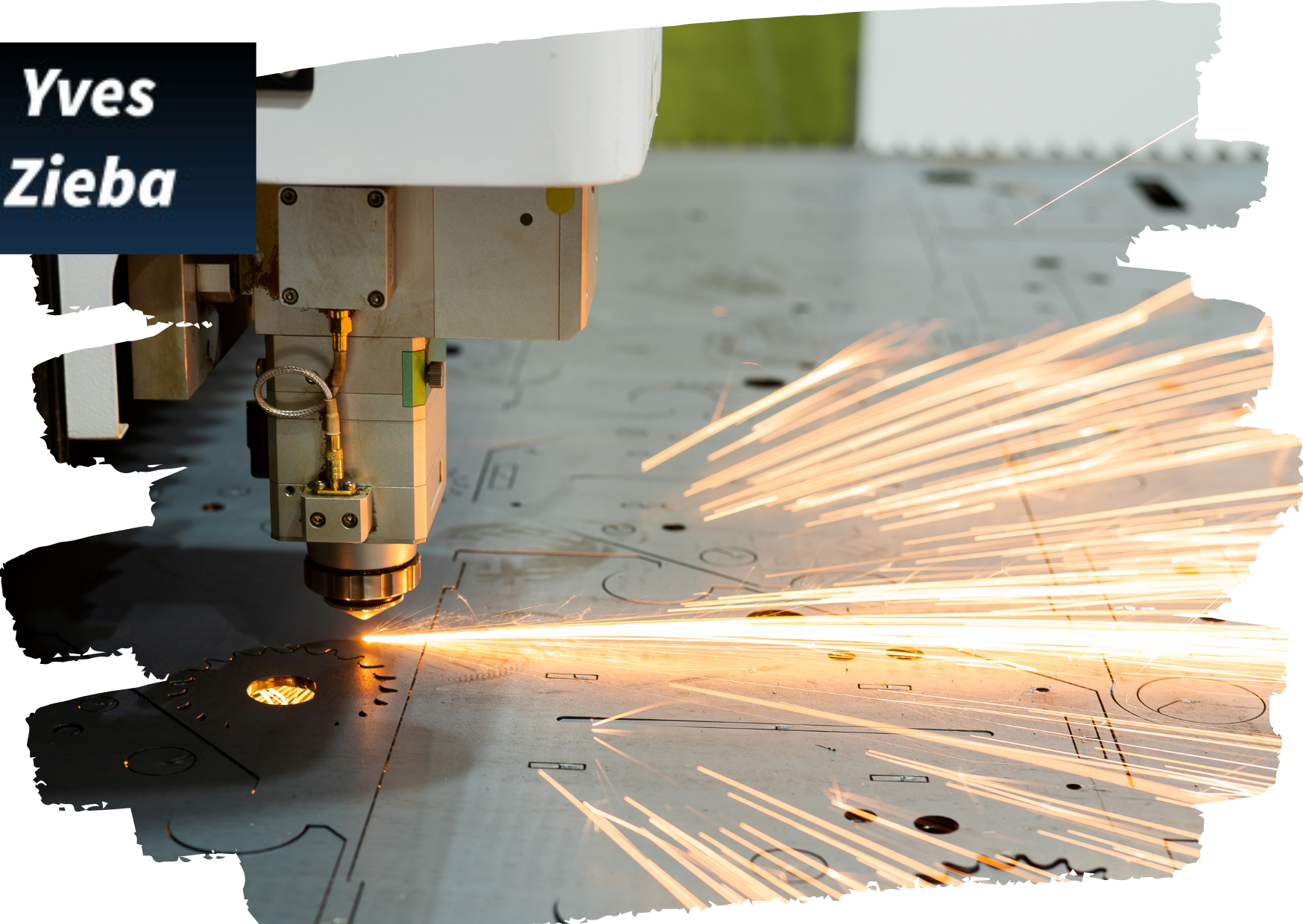
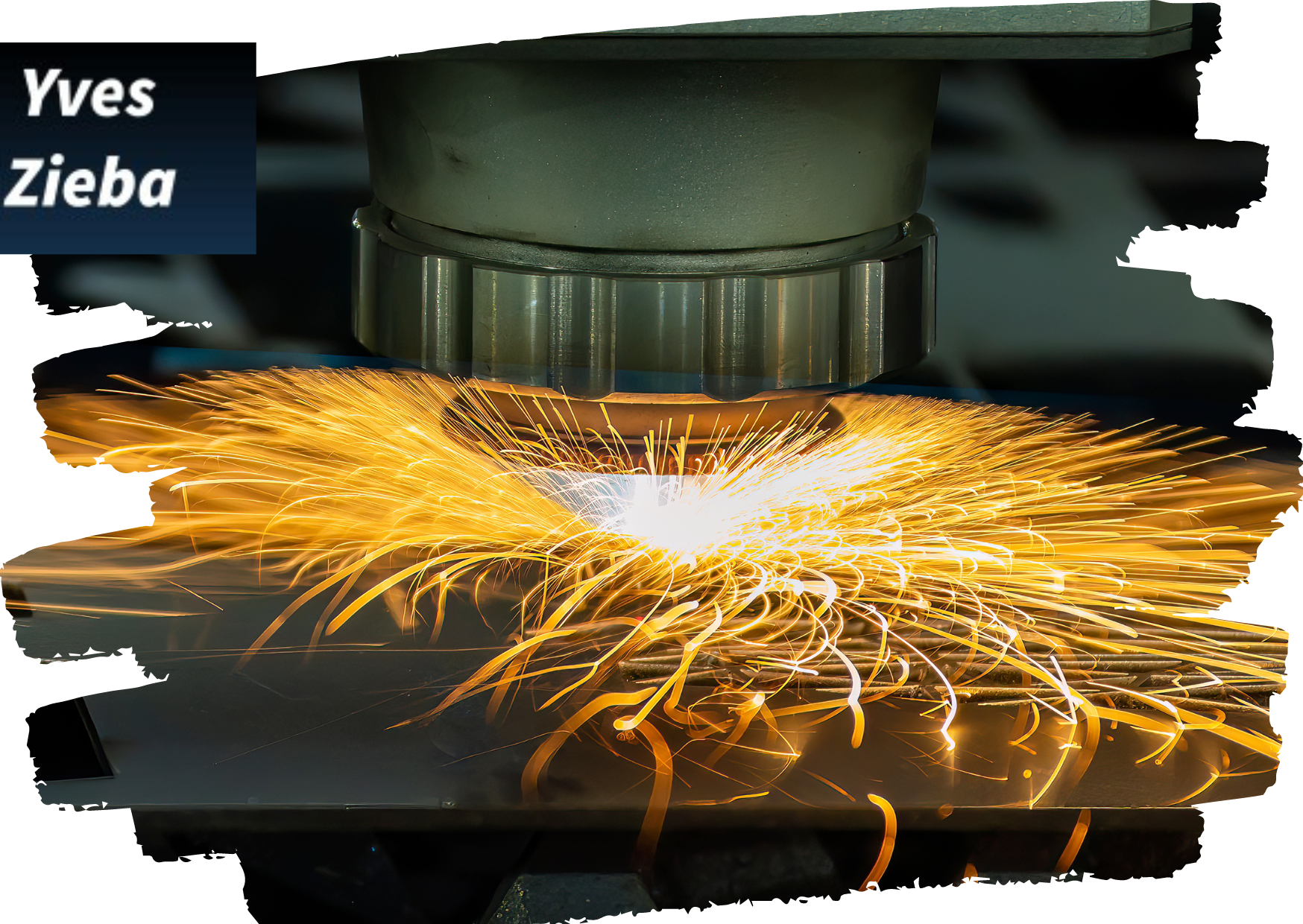
Une découpeuse laser : la découpeuse laser permet de couper et de graver des matériaux tels que le bois, le plastique, le cuir ou le tissu.
Une fraiseuse CNC : la fraiseuse CNC permet de fraiser et de percer des matériaux tels que le bois, le métal ou le plastique.
Un scanner 3D : le scanner 3D permet de numériser un objet physique en trois dimensions.
En plus de ces équipements essentiels, les fablabs peuvent également investir dans d’autres équipements, pour se distinguer et se différencier les uns des autres, tels que :
Une brodeuse : la brodeuse permet de broder des motifs sur des textiles.
Une découpeuse vinyle : la découpeuse vinyle permet de découper des motifs dans du vinyle autocollant.
Une table de découpe : la table de découpe permet de découper des matériaux tels que le papier, le carton ou le tissu.
Une imprimante 2D : l’imprimante 2D permet d’imprimer des documents et des images sur du papier, souvent grand format.
Le coût d’un parc machines pour un fablab varie en fonction de la taille et de la qualité des équipements. En général, le coût d’une imprimante 3D se situe entre 500 et 5 000 euros, celui d’une découpeuse laser entre 1 000 et 10 000 euros, et celui d’une fraiseuse CNC entre 5 000 et 50 000 euros.
Le coût des autres équipements est également variable.
Les investissements sont conséquents, les cas d’usage souvent à inventer, c’est pour cela que mutualiser les machines, les compétences et les ressources est clé pour réussir.
L’intelligence artificielle (IA) peut être utile dans un fablab de différentes manières, notamment :
Pour automatiser des tâches répétitives et chronophages, telles que la conception, la fabrication et le contrôle qualité. Cela peut libérer les utilisateurs du fablab pour se concentrer sur des tâches plus créatives et stratégiques.
Pour aider les utilisateurs à explorer de nouvelles idées et à créer des objets plus innovants. L’IA peut être utilisée pour générer des suggestions de design, analyser des données historiques ou encore fédérer des experts de différents domaines afin de collaborer sur des projets innovants.
Pour résoudre des problèmes complexes, telles que la conception de nouveaux matériaux ou de nouveaux systèmes. L’IA peut être utilisée pour simuler le comportement de matériaux ou de systèmes, ou encore pour rechercher de nouvelles solutions à des problèmes techniques.
Voici quelques exemples concrets d’applications de l’IA dans un fablab :
Un logiciel d’IA peut être utilisé pour générer des modèles 3D à partir de descriptions textuelles, ce qui peut réduire le temps nécessaire à la conception d’un objet.
Une machine à commande numérique (CNC) peut être équipée d’un système d’IA pour suivre automatiquement les contours d’un objet, ce qui permet d’éliminer les erreurs de découpe.
Un système de vision artificielle peut être utilisé pour contrôler la qualité des produits fabriqués, ce qui permet de détecter les défauts et de les corriger rapidement.
Un logiciel d’IA peut être utilisé pour générer des suggestions de design, en fonction des préférences de l’utilisateur ou des contraintes techniques.
Un système d’IA peut être utilisé pour analyser des données historiques afin de trouver des tendances ou des corrélations qui peuvent inspirer de nouveaux projets.
Une plateforme d’IA peut être utilisée pour permettre aux utilisateurs de partager leurs créations et d’obtenir des commentaires des autres.
Le choix de l’IA à utiliser dans un fablab dépend des besoins et des objectifs spécifiques du fablab. Cependant, les technologies d’IA qui sont les plus susceptibles d’être utiles dans un fablab sont celles qui peuvent automatiser des tâches, aider à la créativité et résoudre des problèmes complexes.
L’IA est déjà dans les fablabs.
Voici quelques exemples d’IA déjà utilisées dans les fablabs :
Autodesk Fusion 360 : un logiciel de conception 3D qui utilise l’IA pour générer des suggestions de design, détecter les erreurs de conception et améliorer la productivité.
Cura : un logiciel de tranchage pour imprimantes 3D qui utilise l’IA pour optimiser le temps d’impression et la qualité des impressions.
Slic3r : un autre logiciel de tranchage pour imprimantes 3D qui utilise l’IA pour les mêmes objectifs que Cura.
OpenCV : une bibliothèque de logiciels open source de vision artificielle qui peut être utilisée pour des tâches telles que le contrôle qualité, la reconnaissance de formes et la détection de mouvement.
TensorFlow : un framework de machine learning open source qui peut être utilisé pour développer des modèles d’IA personnalisés pour des tâches spécifiques.
Ces technologies sont déjà utilisées dans une variété de fablabs, à travers le monde. Elles sont notamment utilisées pour :
Automatiser la conception 3D
Améliorer la qualité des impressions 3D
Contrôler la qualité des produits fabriqués
Développer de nouveaux matériaux et systèmes
L’utilisation de l’IA dans les fablabs est en pleine croissance, et de nouvelles applications sont développées en permanence.
Et vous, comment votre communauté utilise-t-elle l’IA dans votre fablab ?
Comment créer la rencontre entre les soignants, les patients et les « innovateurs » ?
Comment orchestrer cette collaboration pour qu’elle soit fructueuse en terme d’idées et de projets ?
Quelles avancées concrètes peuvent ressortir d’une telle initiative ?
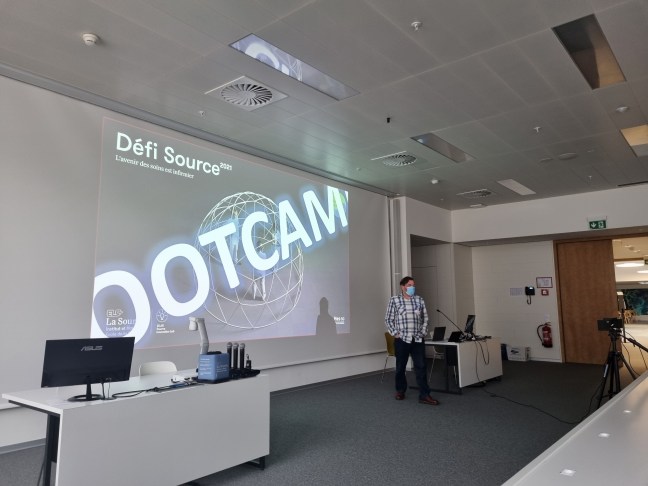
Je me posais ces questions et quelques autres avant d’aller participer le week-end dernier au Defisource 2021 organisé par Silab et l’Ecole La Source à Lausanne (#defisource #silab #ecolelasource).
Sans préjuger des résultats du Day D (aujourd’hui!) et du format de pitch de 4 minutes qui se déroulera aujourd’hui en live sur YouTube, je peux déjà témoigner du niveau d’engagement des équipes, du bon sens (qui manque parfois cruellement dans d’autres format purement « tech ») et de l’originalité de leur propositions.
Lorsque le « groupe cible » se trouve être des patients ou des soignants ou les deux (modèle bi-face), évidemment cela raisonne fort et on se retrouve assez logiquement en posture d’empathie, les besoins semblent parfois évidents et avérés.
Cela ne nous a pas empêché de travailler sur les mêmes modèles (faisabilité, viabilité économique, attractivité de la proposition de valeur, segmentation des groupes clients, modèle économique, préparation au pitch).
Côté technologique, ce ne sont pas les options qui manquent, objets connectés pour détecter et alerter, réalité virtuelle, format moderne de transformation de compétences (lorsque l’on doit changer de fonction très rapidement et assimiler de nouveaux savoirs et de nouvelles compétences en un temps éclair), robotique, scan et impression 3D pour le médical, pour ne citer que quelques options technologiques, croisées pendant ce camp d’entraînement intensif pour l’apprentissage de différents types de compétences.
C’était également une sorte de « rentrée des classes » présentielles des coachs de l’écosystème et donc forcément un vrai plaisir pour moi de les retrouver. Difficile d’imaginer meilleure ambiance et meilleures conditions pour co-créer, développer, tester et expérimenter ses idées que le Silab.
L’autre bonne nouvelle, c’est que vous pouvez vous aussi participer à l’aventure, rien de plus simple, il vous suffit de vous connecter sur YouTube pour voir les pitchs de 4 minutes (les équipes ont travaillé très dur pour en arriver là).
Sans spoiler les projets, je crois bien que l’équipe du défi source a trouvé la formule gagnante, et je vous promet que cela promet (sic) !
Entretien qui sera diffusé aujourd’hui à 10h40, 12h40, 16h40 sur 92.2
En répondant aux questions de Karine Pollien, j’ai pu revenir sur la genèse du projet initié pendant le hackathon Resilience Hack d’open geneva, la recherche de partenaires, la sélection des meilleures solutions, la préparation de la campagne et la recherche des 20 récompenses (objets, ateliers, parcours, coaching en ligne, rencontres) que nous proposons en contreparties jusqu’au 7 novembre 2020 pour encourager les genevoises et les genevois à soutenir les créatrices et les créateurs de mode durable et de luxe durable.
Au delà de la campagne, notre objectif est de métamorphoser les genevoises et les genevois en consommactrices et en consammacteurs en leur faisant découvrir ou redécouvrir toute la qualité de ce qui existe localement, avec des circuits courts et sans déchet.
Vous pouvez nous aider de nombreuses façons, en nous présentant des designers, en nous aidant à trouver un espace, avec votre temps, vos compétences, vos machines ou vous pouvez nous aider financièrement en échange de récompenses.
Nous interviewons volontiers les consommatrices et les consommateurs qui ont déjà modifié leurs habitudes de consommation.
Nous cherchons également des partenaires technologiques, médias et financiers pour pouvoir mettre en oeuvre les solutions de résilience que nous avons préparé en réponse à la crise du COVID19.
Parce que les structures porteuses des designers sont parfois de petite taille, il est parfois facile de croire que peu d’emplois sont en jeu. Après nos entretiens, nous savons qu’au contraire, de nombreux emplois sont directement et indirectement concernés.
C’est pour cela que notre équipe se mobilise.
Découvrez les récompenses jusqu’au 7 Novembre 2020 sur ces liens :
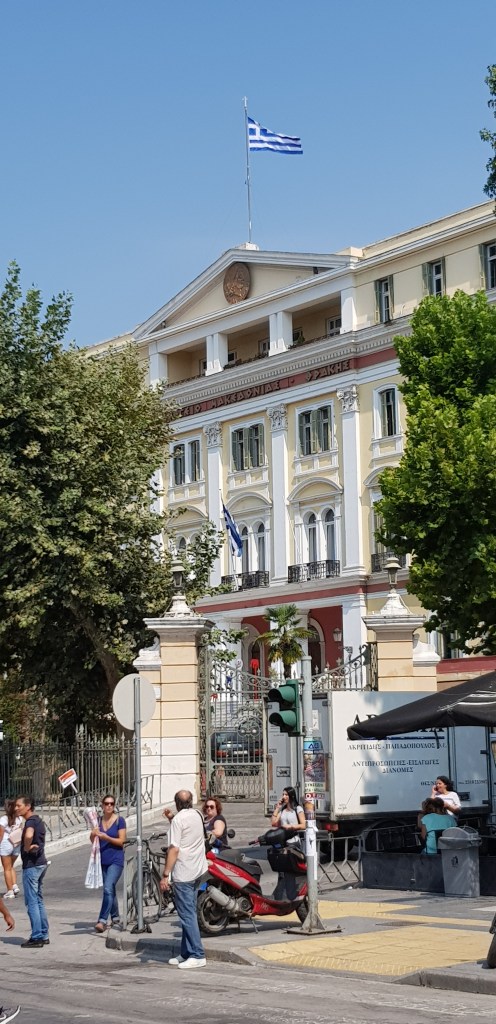
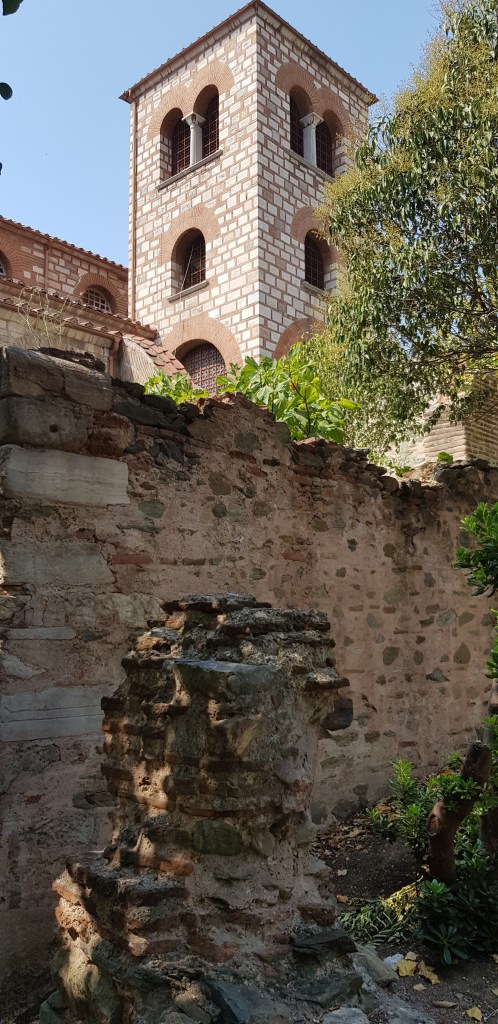
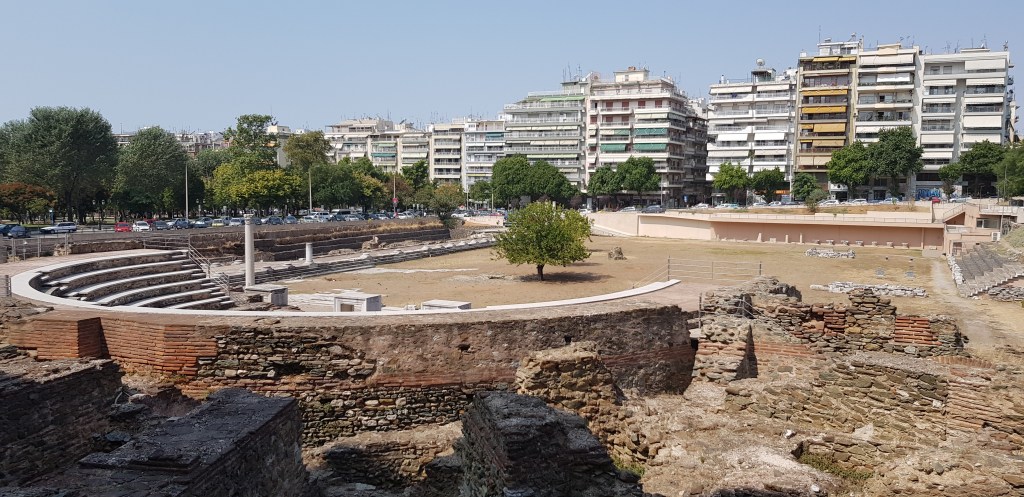
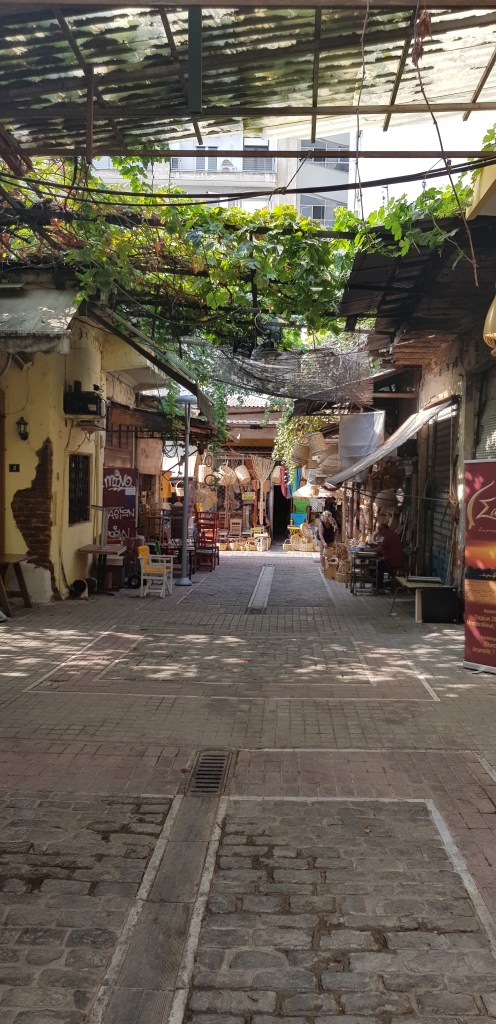
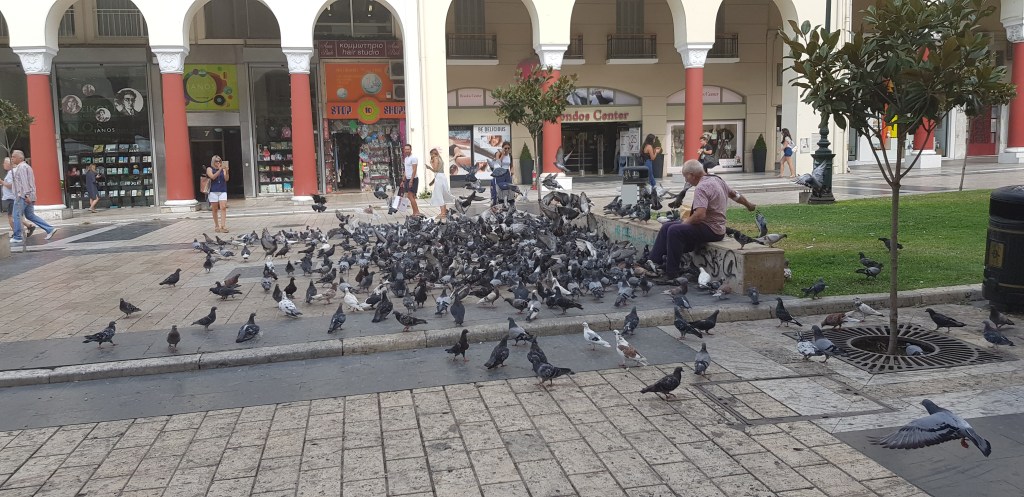
Arrivée matinale. Passage devant la Tour emblématique de la ville. Ici, c’est la Macédoine !
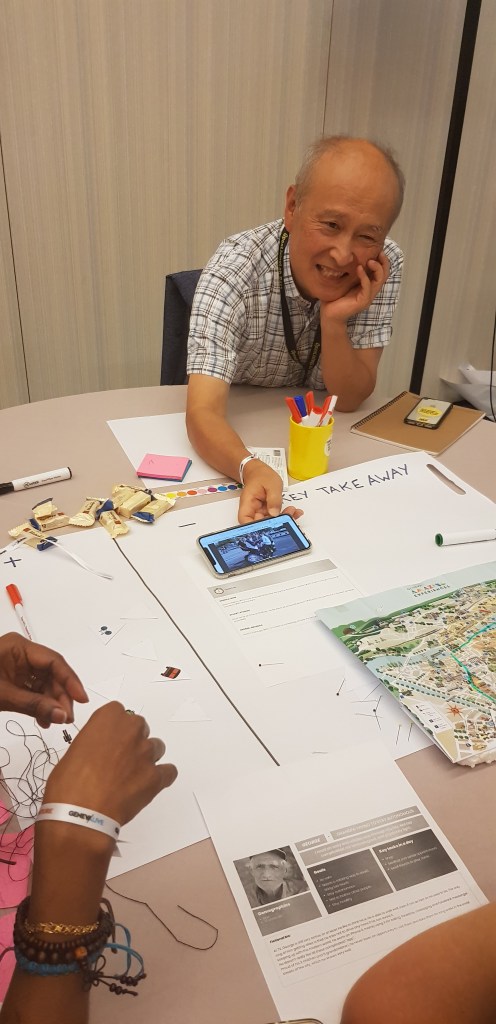
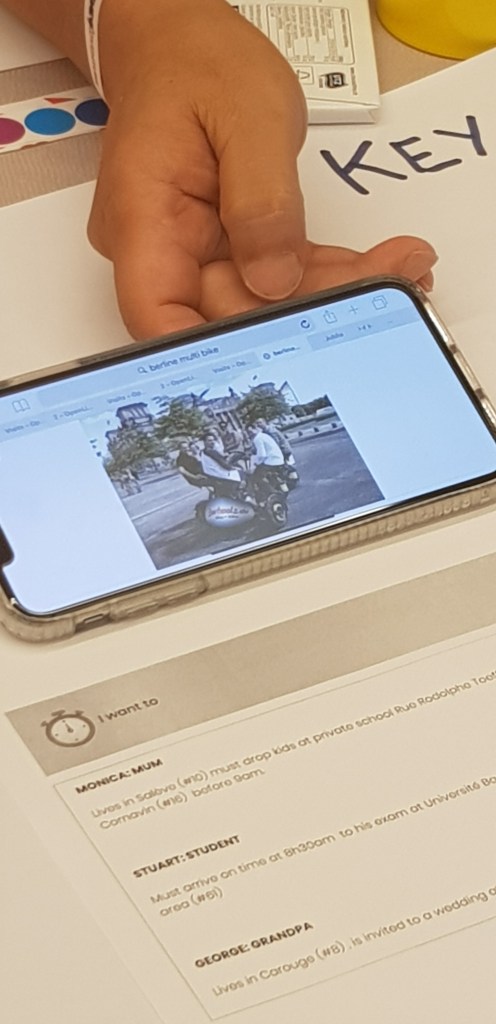
La découpe laser a tourné à plein régime, pour illustrer nos modes de transport en triangle pour co-créer des solutions de mobilité urbaine dans les centres villes pour l’expérience du « Last mile » de demain.
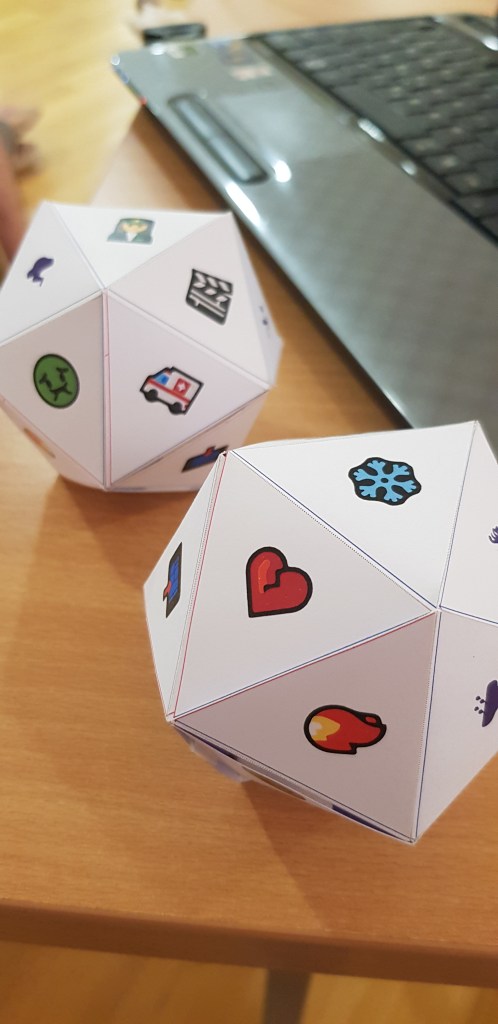
Métamorphose de la table de ma chambre en « fablab éphémère »: carte, ficelle, scotch, et bien sûr Icosahedrons, qui ne me quittent plus.
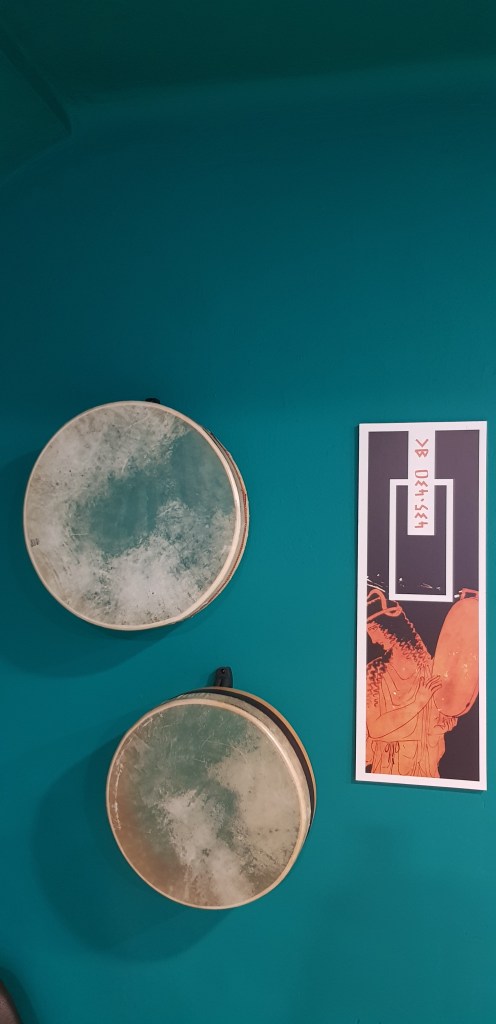
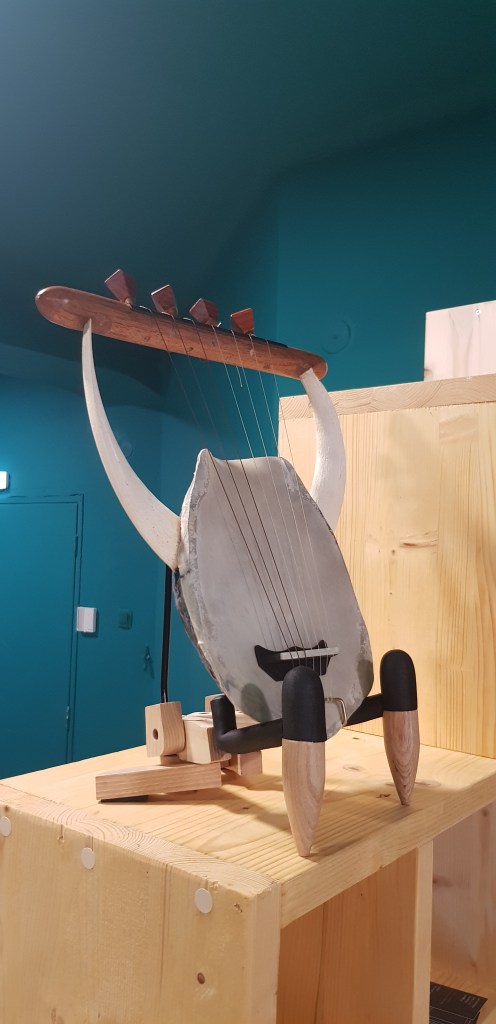
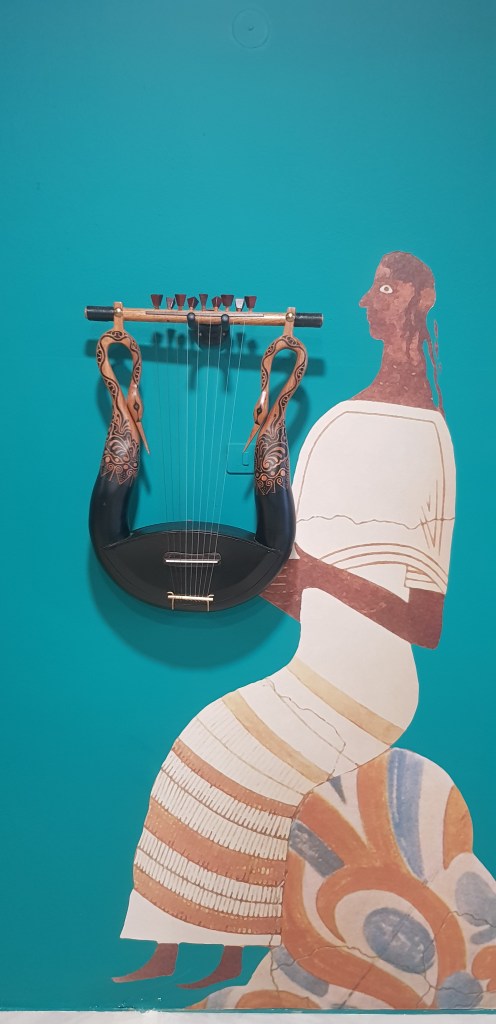
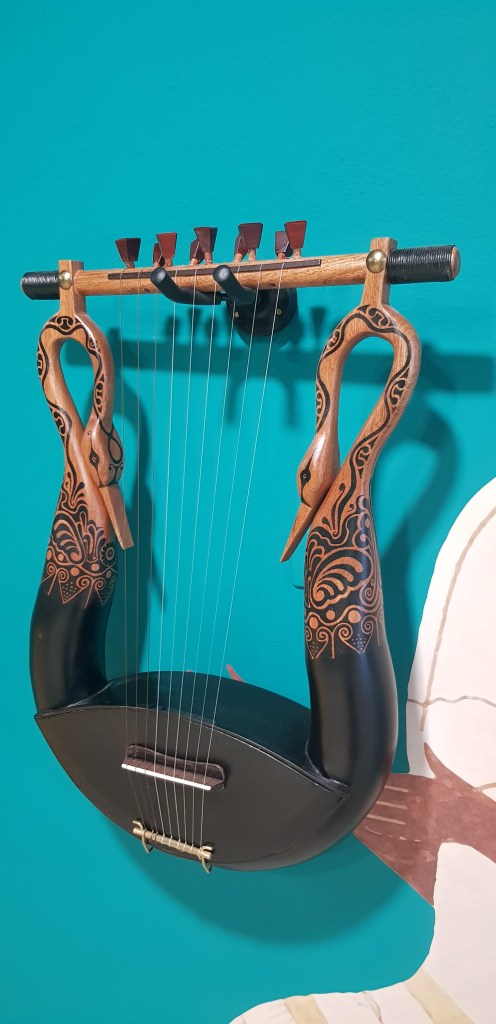
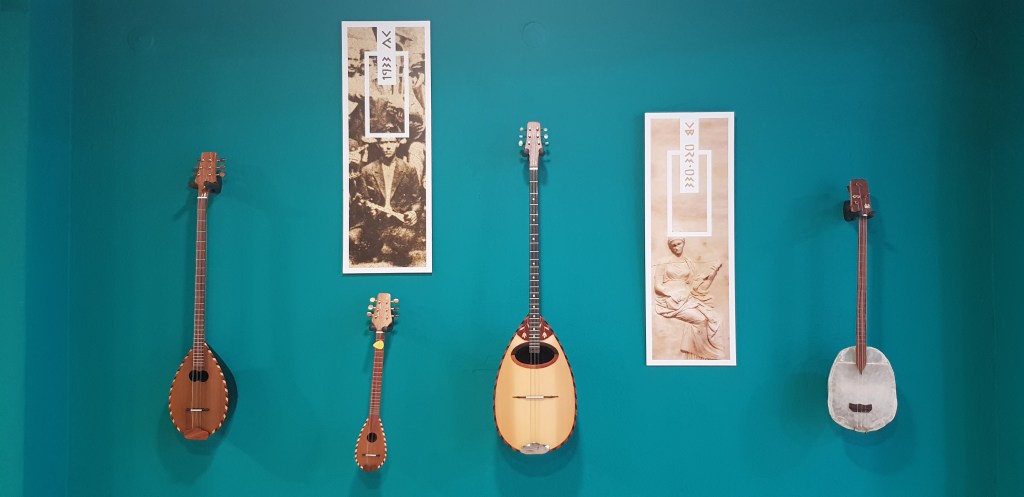
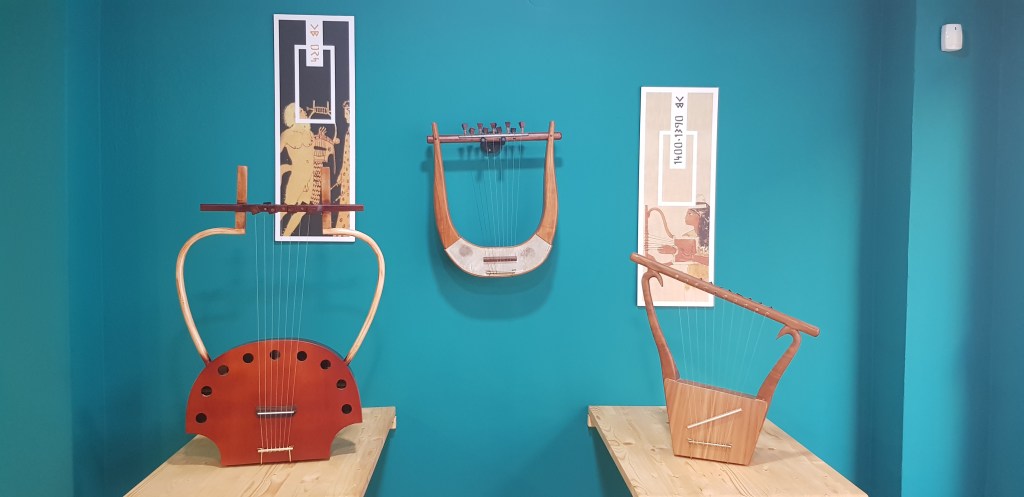
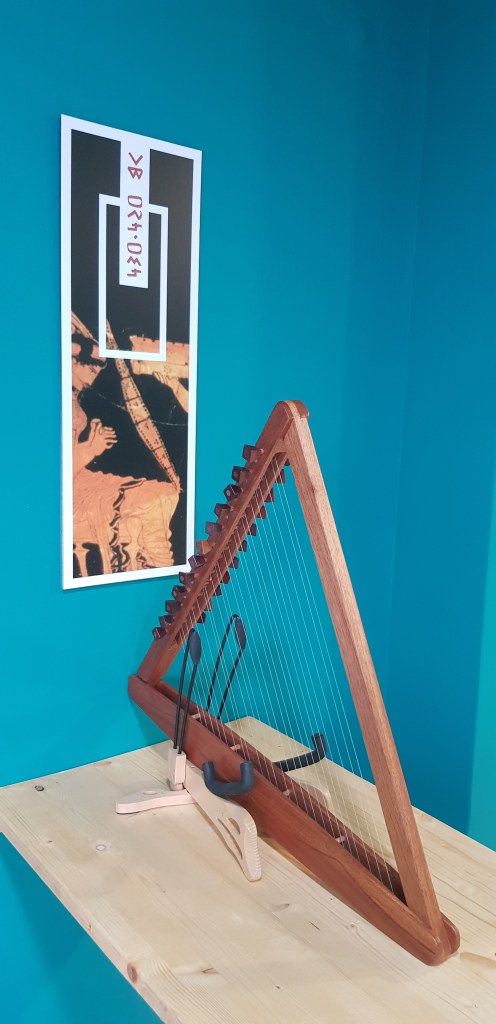
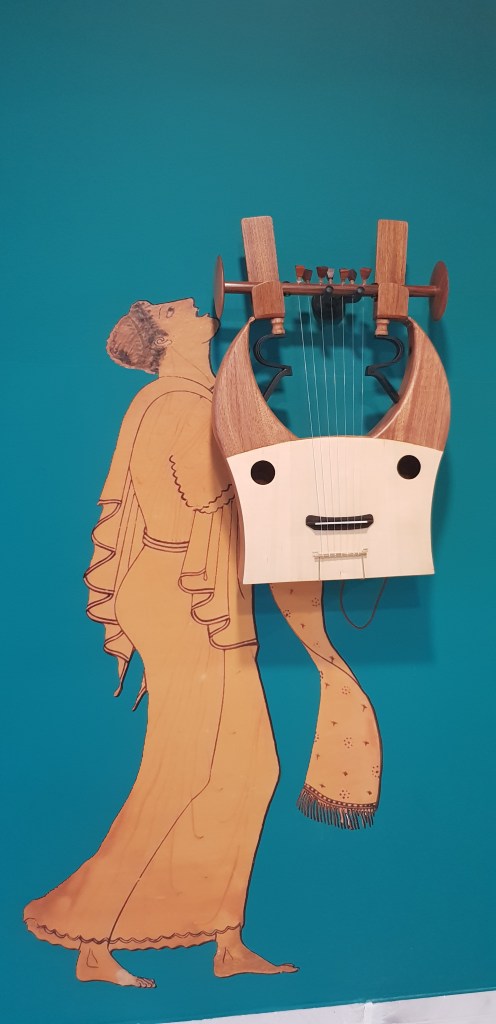
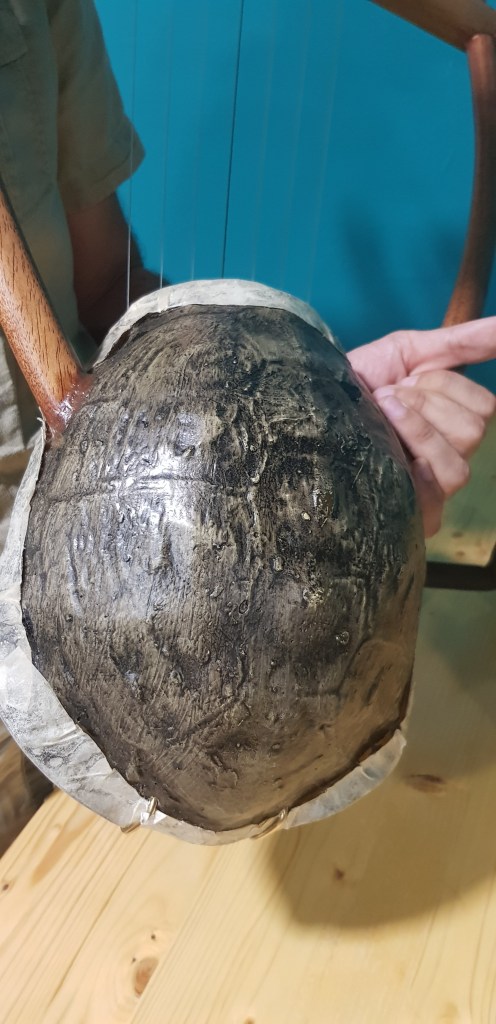
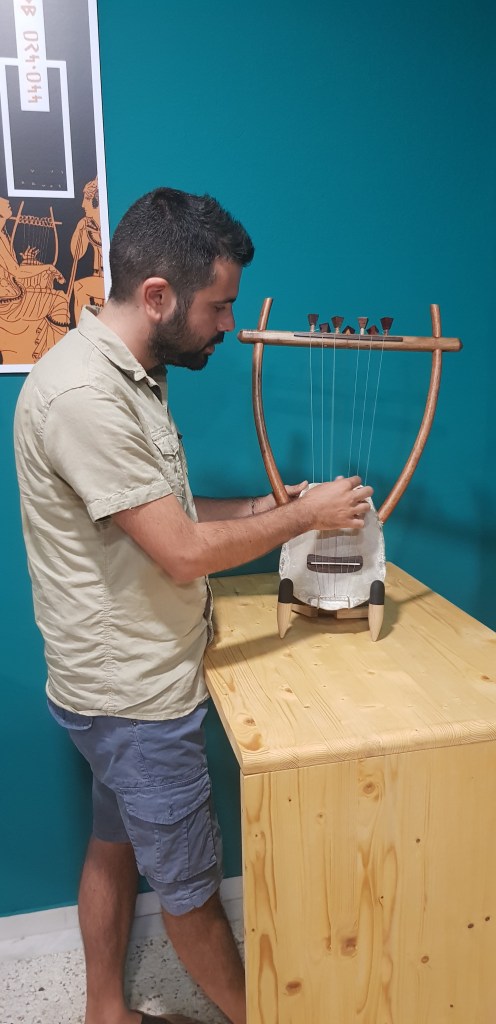
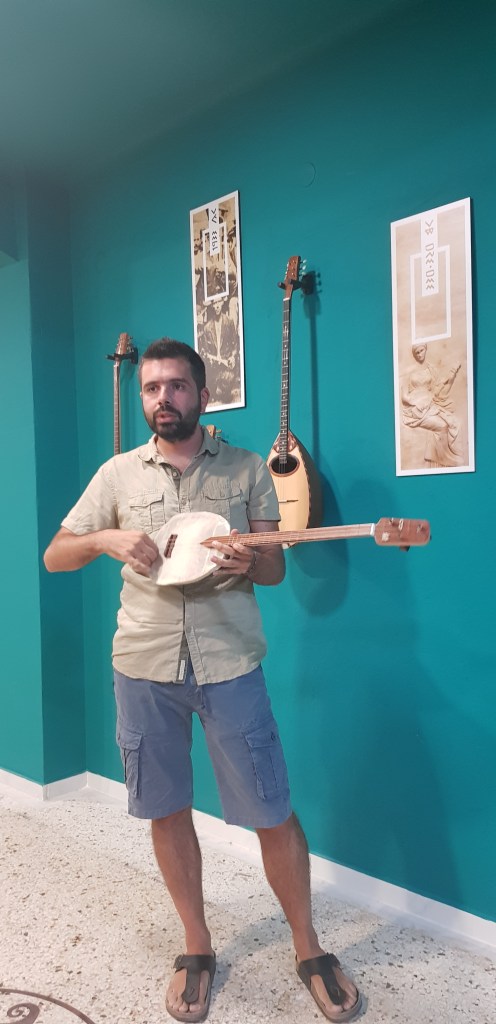
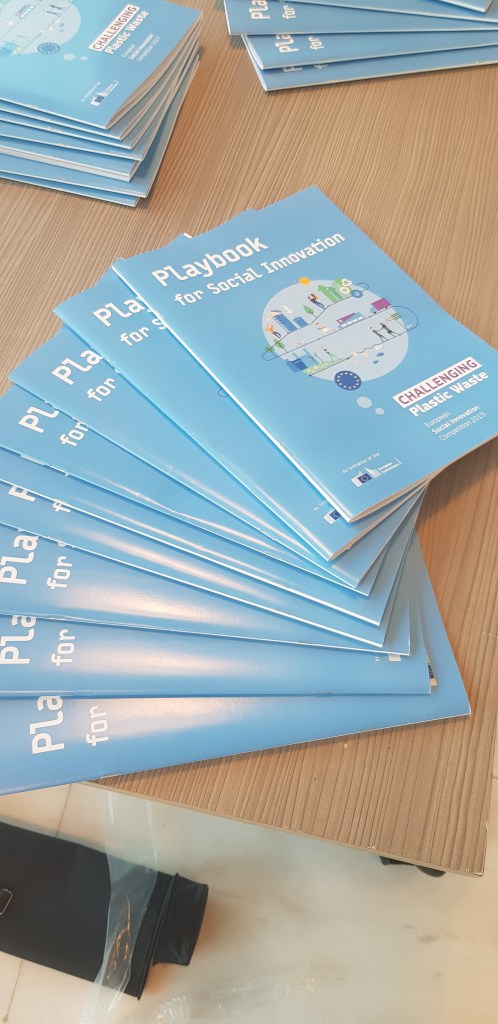
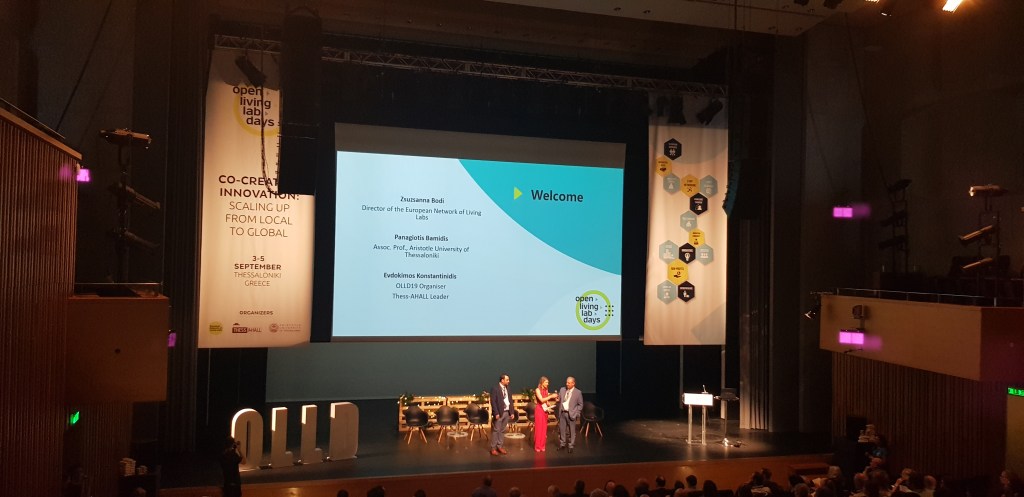
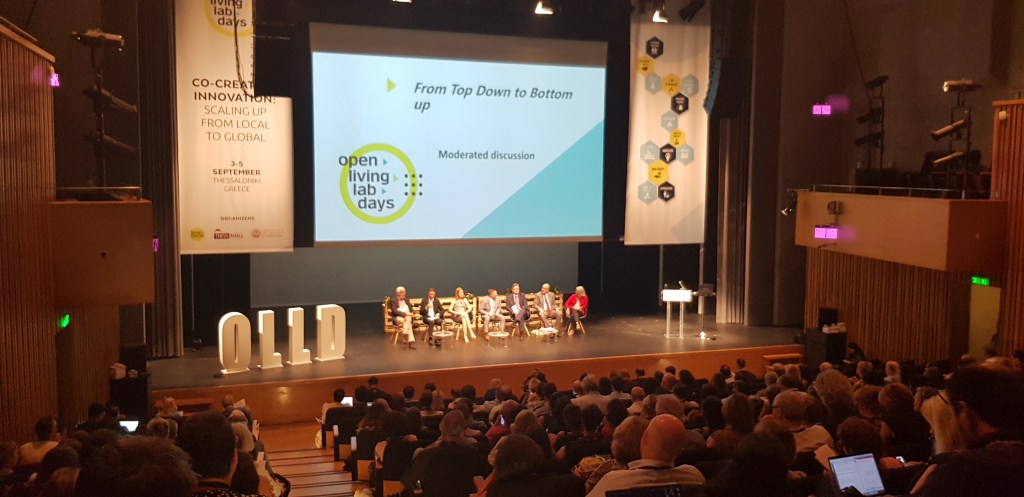
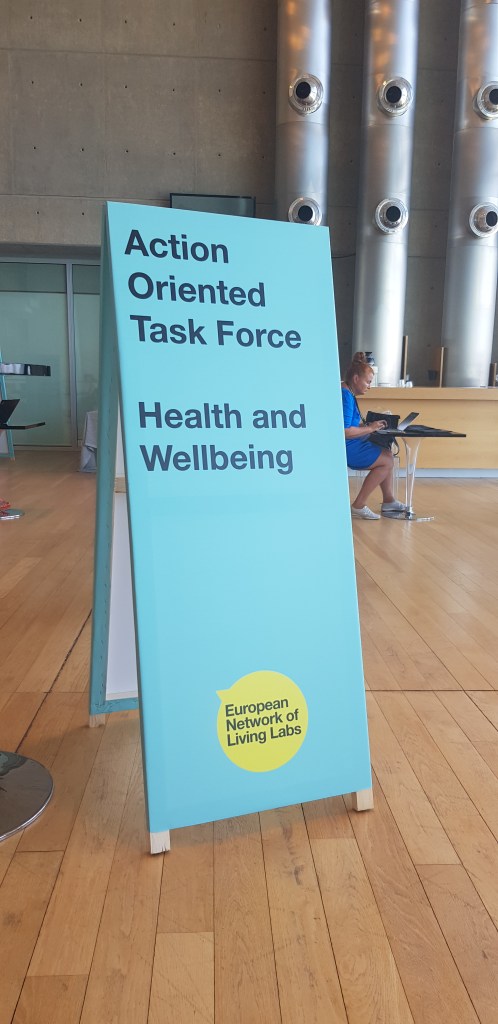
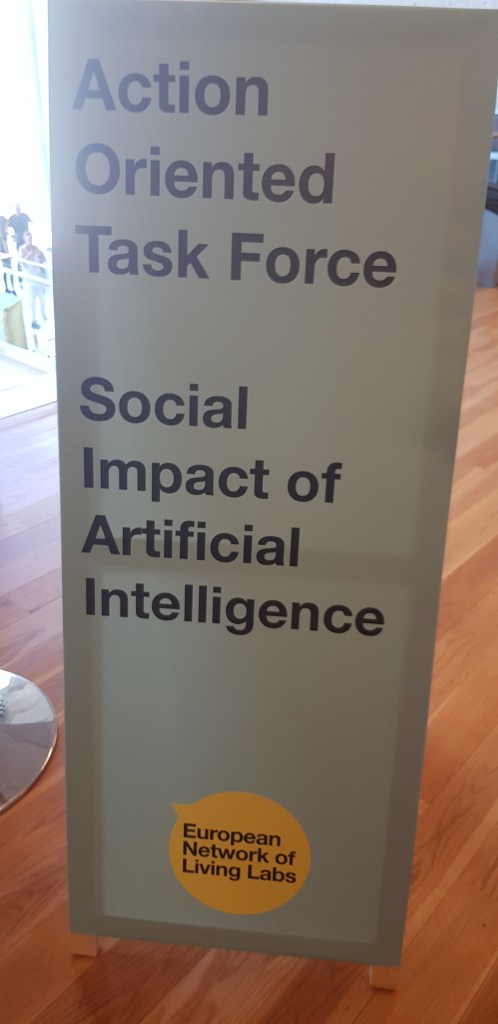
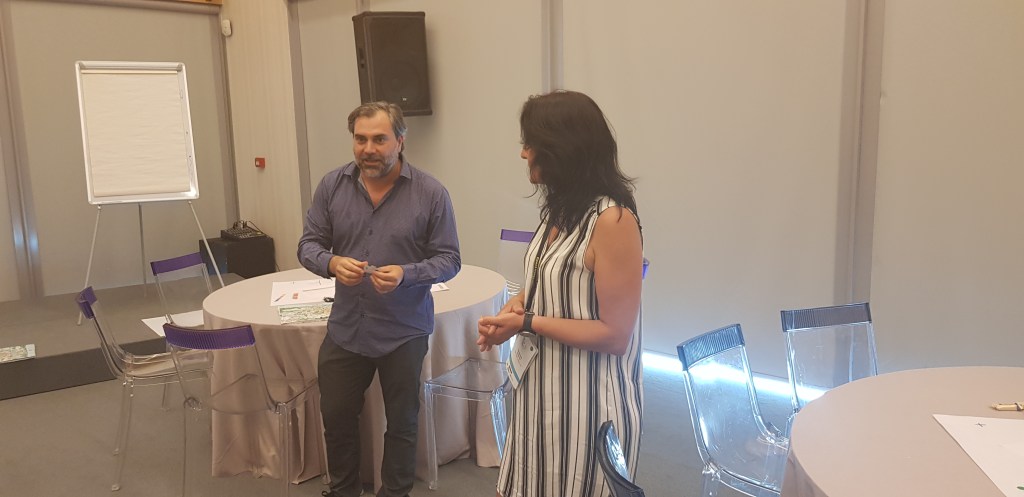
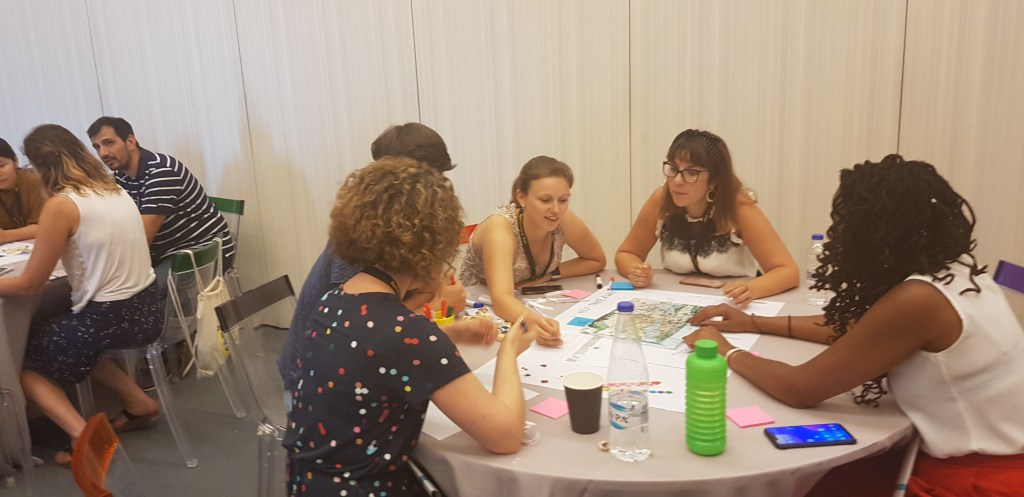
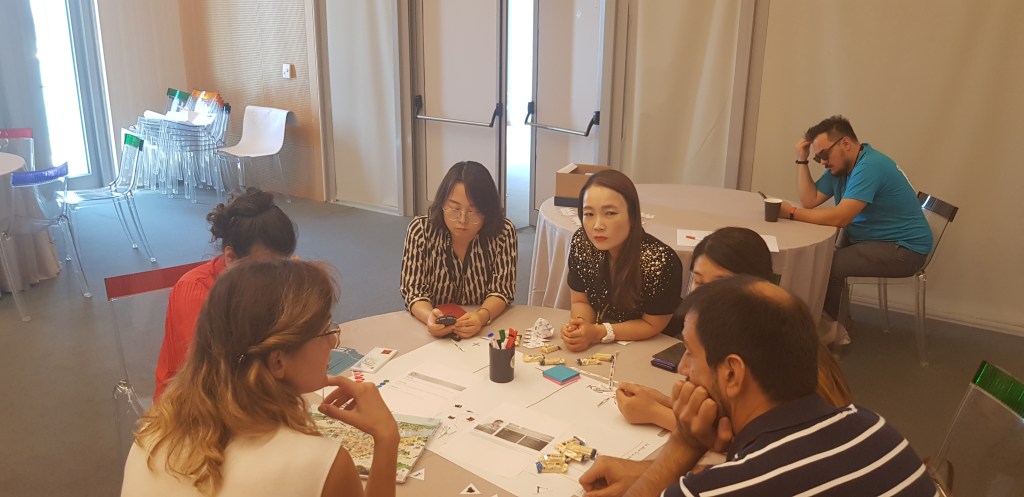
Avant d’animer l’atelier sur le « futur de la mobilité des centres urbains » pour de vrai, on le teste avec nos amis des francophonies Living Lab.Restaurants, bar, terrasse, c’est dehors que cela se passe à Thessalonique !Visite du musée des instruments de musique grecs anciens: passionnant et envoûtant à écouter.Thessalonique, la nuit. Vie étudiante, musique et petit vent marinThessaloniki Concert Hall, networking « with a view ». L’occasion de rencontrer les acteurs des différents groupes de travail: « santé », « ruralité », « énergie, eau & environnement », « intelligence artificielle », « innovation sociale ».The « future of urban center mobility » workshop, où comment trouver des parcours pour chacun dans un hypercentre surchargé d’automobiles. Super moment. Nous avons aussi co-animé un atelier sur la démocratie avec le Genève Lab.En haut, avec Zsuzsanna Bodi et Seth Schultz pour co-animer des ateliers. #OLLD19#actionorientedtaskforces#scaleup#community#rural#health#socialinnovation#AI#energy@openlivinglabs Research and Innovation round table sessions and lotus game. #HLEG high level report #Enoll#EASME#resilience#water#energies#sustainablecities#mayors .
En bas, présentation des meilleurs documents de recherche et d’innovation, disponibles dans les conférences proceedings, et pour l’action task force et l’atelier sur « Energies et environnement ».
Notre papier de recherche, co-rédigé avec Isis Gouédard, a été sélectionné, notre présentation a permis de proposer à notre audience de considérer que l’on peut être sérieux tout en utilisant les mécanismes des jeux.
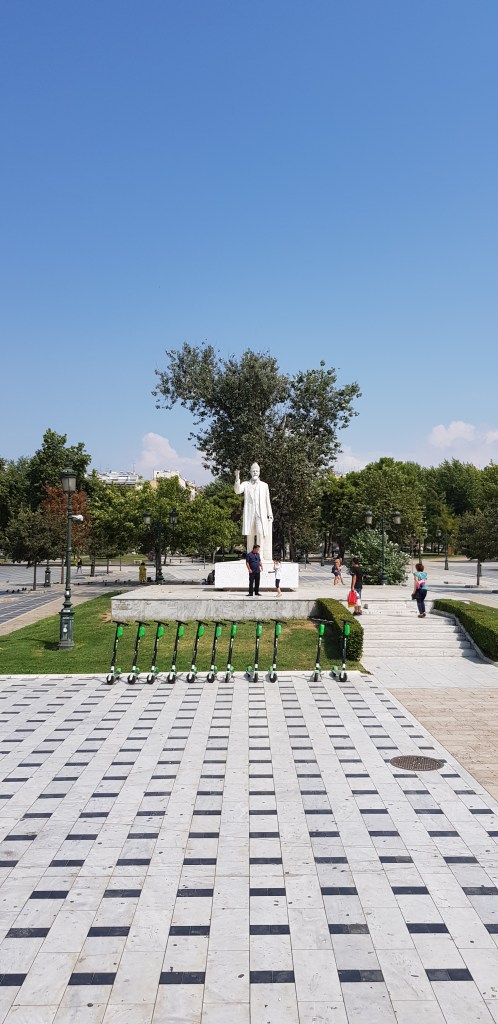
Dernier tour de cette magnifique ville avant de reprendre l’avion pour Genève et éviter le blocage causé par la venue du premier ministre grec le jour de notre retour (visiblement attendu avec quelques revendications!)
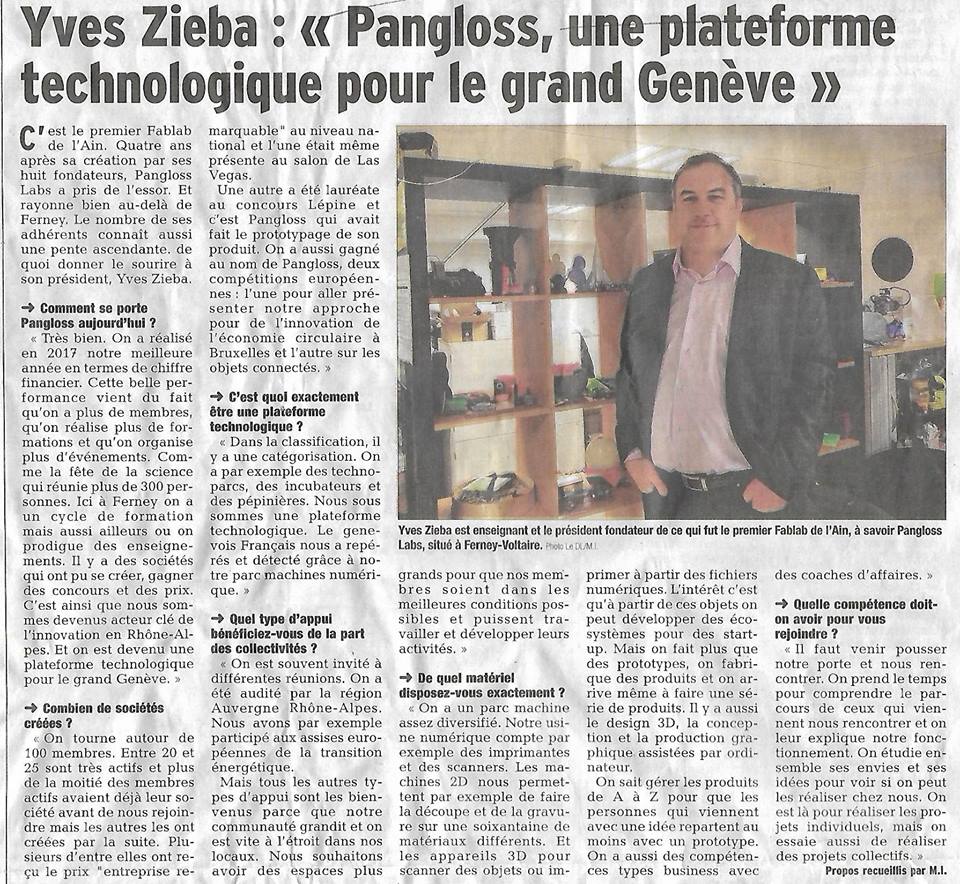
Merci au Dauphiné pour cet article sur notre plateforme technologique, et sur la possibilité de co-designer de nouveaux projets grâce à elle.
L’occasion de faire un retour sur les 3 dernières années d’activité de notre association, de nos principaux succès (la Fête de la Science, le bootcamp entrepreneurial, des cours de design thinking ou de découpe/gravure laser, nos campagnes de financement participatif, nos activités de création de jeux vidéos ou les initiations à la robotique), de nos différentes étapes vers la croissance, en utilisant les principes de l’innovation ouverte et aussi et surtout de remercier toute l’équipe qui a contribué à ce beau parcours collectif.
L’occasion aussi de faire un peu de prospective et d’inventer ensemble, en utilisant l’intelligence collective de notre groupe, comment nous allons faire émerger de nouveaux écosystèmes innovantes, en capitalisant sur les parcours de chacun et la combinaison de compétences pour aller vers de nouveaux succès.
Le prototypage rapide a le vent en poupe en ce moment.
Pourquoi cela intéresse-t-il de plus en plus les départements d’innovation ? Dans quel secteur le prototypage rapide est pertinent ? Où trouver les acteurs et les compétences pour couvrir les besoins ?
Une opportunité pour recréer un écosystème local d’acteurs économiques innovants ?
Avec les turbulences économiques, de nombreuses entreprises doivent se réinventer, et pour se réinventer, elles se tournent vers l’innovation de services, de process et de produits. Une opportunité s’offre à elle dans cette nouvelle phase. Celle du prototypage rapide. En effet, il est désormais plus facile, plus rapide et souvent moins cher de prototyper, notamment en passant par un fablab, déjà équipé.
Besoin de valider une option parmi plusieurs ? Besoin de créer une petite série pour tester un concept, la barrière de l’achat de la machine, et de la mise en place de tout le dispositif 3D de production n’est plus une barrière. Vous pouvez désormais trouver tout ou presque tout dans un fablab.
Cela intéresse-t-il tout le monde dans tous les secteurs ?
Bien sûr, l’industrie, en général, et les entreprises qui produisent déjà des produits sont en première ligne. Automobile, aérospatial, énergie, industrie du bois, mais aussi produits de grande consommation et administrations publiques, y voient de plus en plus des opportunités d’achats locaux et responsables et redécouvrir l’intérêt de la proximité et de la discussion avec un fournisseur local.
Comment savoir si cela a un intérêt pour mon entreprise ou si cela n’a d’intérêt que pour les autres ?
Nous avons préparé quelques questions pour vous aider à y voir plus clair et à articuler vos besoins. En quelques minutes, vous allez savoir si vous pouvez gagner du temps et de l’argent grâce au prototypage rapide, ou si c’est réservé aux autres ! Cliquez ici !
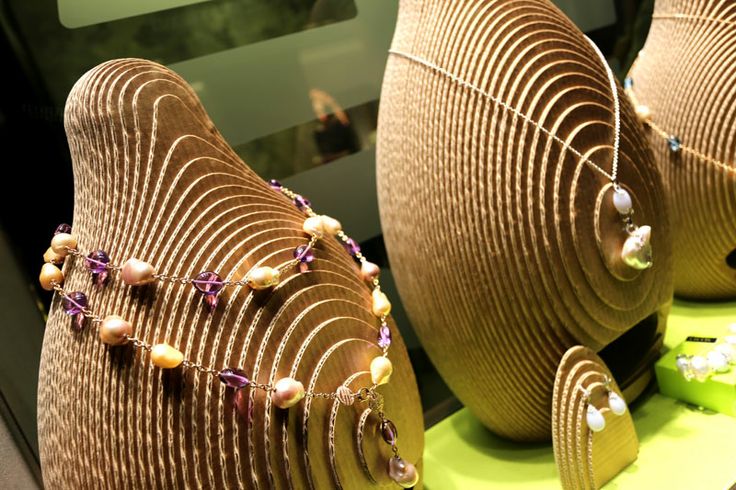
Nous avons acquis une découpe laser, qui vous attend dans notre espace à Ferney-Voltaire, près de Genève. Grâce à cette machine, nous avons la possibilité de découper et de graver des matériaux avec une quasi infinité d’applications pour une quasi infinité infinité d’objet ou de packaging.
Pour vous donner quelques idées, voici la liste de matériaux possibles à utiliser avec notre machine, avec pour chaque matériau des idées et des photos de créations possibles:
Pour venir vous aussi apprendre, co-créer vos objets avec nous, ou simplement nous demander conseil pour produire ce qui vous fait envie, n’hésitez pas à me contacter (Skype: yveszieba, France: 0033952118168, Suisse: 41795611054)





























































 Shaping tomorrow
Vous devez être connecté pour poster un commentaire.