Entretien qui sera diffusé aujourd’hui à 10h40, 12h40, 16h40 sur 92.2
En répondant aux questions de Karine Pollien, j’ai pu revenir sur la genèse du projet initié pendant le hackathon Resilience Hack d’open geneva, la recherche de partenaires, la sélection des meilleures solutions, la préparation de la campagne et la recherche des 20 récompenses (objets, ateliers, parcours, coaching en ligne, rencontres) que nous proposons en contreparties jusqu’au 7 novembre 2020 pour encourager les genevoises et les genevois à soutenir les créatrices et les créateurs de mode durable et de luxe durable.
Au delà de la campagne, notre objectif est de métamorphoser les genevoises et les genevois en consommactrices et en consammacteurs en leur faisant découvrir ou redécouvrir toute la qualité de ce qui existe localement, avec des circuits courts et sans déchet.
Vous pouvez nous aider de nombreuses façons, en nous présentant des designers, en nous aidant à trouver un espace, avec votre temps, vos compétences, vos machines ou vous pouvez nous aider financièrement en échange de récompenses.
Nous interviewons volontiers les consommatrices et les consommateurs qui ont déjà modifié leurs habitudes de consommation.
Nous cherchons également des partenaires technologiques, médias et financiers pour pouvoir mettre en oeuvre les solutions de résilience que nous avons préparé en réponse à la crise du COVID19.
Parce que les structures porteuses des designers sont parfois de petite taille, il est parfois facile de croire que peu d’emplois sont en jeu. Après nos entretiens, nous savons qu’au contraire, de nombreux emplois sont directement et indirectement concernés.
C’est pour cela que notre équipe se mobilise.
Découvrez les récompenses jusqu’au 7 Novembre 2020 sur ces liens :
Avec la crise du COVID19, nous avons toutes et tous dû passer une grande partie de nos activités en ligne, lorsque c’était possible.
Les séminaires sont devenus des webinaires, les formations se sont transformées en cours en ligne, les réunions se sont presque toutes transformées en vidéo-conférence. Très bien. Nous en avons presque une overdose aujourd’hui, tellement « tout est passé en ligne ».
Malheureusement, pour certains formats d’évènements, passer 100% n’est pas évident. Les grands rassemblements, pas évident de les passer en ligne, sans perdre au passage un peu de l’expérience, un peu de la qualité d’échange, un peu de la convivialité que nous cherchons tous dans des évènements. Je croyais que pour les hackathons, c’était difficile de les organiser en ligne. Pas de lieu iconique, pas de pause café/croissant, pas de possibilité de rendez vous face to face pour approfondir les centres d’intérêt commun, pas de bons petits plats… bref tout passer en ligne, me semblait complexe. Et bien, je me suis trompé.
L’équipe d’organisation d’open geneva nous a concocté un programme sur plusieurs jours, qui s’est révélé très attrayant et efficace.
Parmi les moments clés que j’ai vécu, la possibilité de parler à un conseiller d’état, les conseils de nombreux coachs hyper compétent, une séance de méditation à distance le dimanche matin au réveil, et la découverte des campagnes de crowdsupport.
Evidemment pas de possibilités de partager les repas, mais l’équipe d’organisation avait prévu des cours de cuisine en ligne et aussi un spectable vidéo de stand-up pour se détendre.
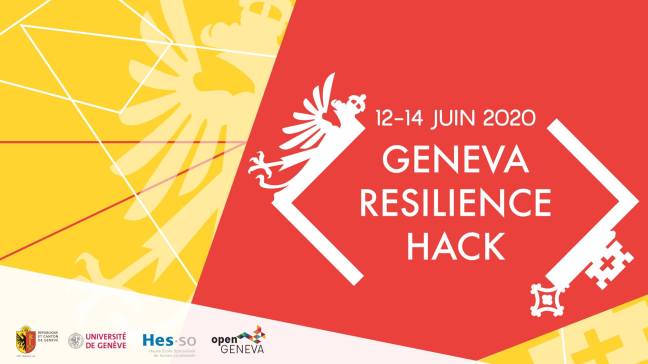
Le reste des fondammentaux est resté, à savoir la constitution des équipes par thème (9 sujets qui contribuent à la résilience de Genève), l’usage des outils classiques (interviews, proposition de valeur, modèle économique, coaching et pitch de 120 secondes).
Nous avons donc participé à cette co-opétition avec un projet dans la catégorie « Expression, culture, sport, danse, musique et mode durable.
Pour accéder à l’espace collaboratif de notre projet d’autonomisation économique des créateurs et des créatrices de mode, il vous suffit d’accéder à ce sparkboard.
Vous pouvez nous soutenir et soutenir les créatrices et les créateurs de mode en votant pour notre projet dès 18h aujourd’hui.
Pour voter pour notre projet et aider les créatrices et les créateurs de mode, votez pour notre projet en votant pour le projet numéro 6.2, Hack Your Style en accédant à ce site.
Cela ne vous a pas échappé, de nombreux enfants ont exulté au moment de l’annonce de la fermeture des écoles, collèges, lycées et universités.
C’est compréhensible, nous avons aussi été enfants ! Oui mais voilà, nous ne sommes pas en vacances.
Nous voilà donc en situation de parent, mais aussi d’apprenti-enseignant à la maison, et « professeur particulier » de nos propres enfants (tout en travaillant), cela va être un magnifique défi.
Comme de nombreux parents, j’ai fait quelques recherches et voici des ressources pédagogiques qui me semblent utiles. Il y a des super idées en France, en Suisse et ailleurs. Une petite sélection de bonnes ressources peut aider.
Ce moment particulier va nous permettre de jongler entre les instructions envoyées par les institutions, mais aussi d’avoir plus de dialogues avec nos enfants.
Comment trouver le juste milieu entre se préparer aux métiers du futur et contrôler le temps devant les écrans ?
Commençons par le temps passé devant les écrans. Comment on fait pour décoller les enfants des écrans ? Facile à dire, pas facile à faire. Ces choses là peuvent avoir des effets addictifs.
Maintenant que le temps devant les écrans est bien contrôlé, on peut passer en revue les ressources pédagogiques.
Les ressources des éditeurs
Certains éditeurs ont eu le bon réflexe de mettre à disposition des ressources en ligne.
C’est le cas notamment des éditions Bordas, qui donne un accès libre à l’ensemble de leurs manuels numériques de primaire et de collège disponibles sur le Canal numérique des Savoirs, afin d’assurer une continuité pédagogique pour les élèves concernés : https://www.cns-edu.com
Tous les manuels du CP à la 3e disponibles sous forme numérique sont désormais accessibles d’un simple clic sur le site : https://adistance.manuelnumerique.com
Pour la programmation, nous avons misé sur Scratch et Unity.
Pour Scratch, je vous recommende la version 3, et voici des ressources éducatives pour les parents.
Découvrir Python, cela pourrait aussi être une très bonne idée. Les métiers de l’intelligence artificielle sont très demandeurs.
Pour les moments de récréation, Minecraft reste une valeur sûre pour apprendre la conception en 3D. Le site éducatif de Minecraft est vraiment très bien conçu.
Comment organiser une journée type ?
Ce site vous donne des pistes intéressantes. Gérer les rythmes d’apprentissage et de pause, ce n’est pas si évident.
Les temps d’attention sont importants (25 minutes max), et beaucoup de pauses ludiques et sportives !!!
Pour aller plus loin et être utile pour l’avenir de nos enfants
Vous pourriez me dire, oui, c’est bien gentil tout cela, mais c’est du jeu, et cela ne mène pas à vrai à un vrai job, vraiment sérieux, comme avocat ou médecin ou éventuellement notaire 😉
Le site LePole.Education est très complet, avec des ressources variées et gratuites en français et en anglais.
Souhaitez-vous connaître les 10 compétences à avoir en 2020 ? Cette infographie vous aide. Pour le sens de la négociation, je parie que vos enfants sont déjà très doués 😉
Korben vous propose de télécharger des livres gratuitement.
Regardez cette vidéo de Cadremploi qui explique ce que seront les métiers du futurs et quelles compétences seront utiles.
Les musées sont fermés ? Très bien, visitez-les virtuellement !
Voici plusieurs ressources pour visiter des endroits de rêve, tout en restant calfeutré à la maison.
Dernier point, chemin faisant, il n’est pas impossible que les parents y trouvent aussi leur compte et découvre de nouvelles passions.
La fête de la science, c’est tous les jours à la maison !!!
La fête de la science, c’est en Octobre chaque année. Les activités sont documentées de façon très bien faite. Vous avez 30 ans d’historique à consulter.
Apprendre en s’amusant, et sans être isolé.
Enfin et surtout, c’est beaucoup plus drôle d’apprendre tout cela à plusieurs, de pouvoir poser des questions, y répondre, de pouvoir partager ses créations, ce que l’on a aimé ou pas.
Si les enfants peuvent se regrouper en petit groupe, c’est bien (tant que c’est possible).
Parmi les nouveautés que ce #COVID19 nous apporte, il va falloir apprendre à vivre à la maison, en famille, avec les enfants et faire en sorte que tout cela ne parte pas complètement en vrille !!!
Comment faire en sorte que la petite fille ne vienne pas voir avec qui papa parle dans l’ordinateur ? Comment éviter que le petit garçon souhaite absolument gouter au moment où la vidéo-conférence de maman commence ? Comment demander au chat de ne pas miauler pendant qu’on négocie un contrat important avec un client ?
« Où est ma tablette ? Qui a pris mon smartphone ? Tu as fini tes devoirs ? J’ai pas le temps, je suis en « call » avec mon chef. Quand est-ce qu’on mange ? Tu n’as pas vu mon dossier, c’est hyper urgent. J’ai perdu mon cahier. Il n’y a plus de wifi ? Tu as fait les courses ? Mon PC plante. La commande est arrivée ? »
Papa est sur Skype, Maman est sur Zoom, et les enfants hurlent parce que ça laggue sur la PS !!!
Avec les nouvelles invitations à rester à la maison pour les enfants, et à opérer en télétravail pour les parents, comment allons-nous nous en sortir ?
Y-a-t-il assez de téléphones pour tout le monde ?
C’est vrai que nous devons tous travailler, faire nos devoirs, prendre des nouvelles de la famille et des amis, ne serait-ce que pour s’assurer qu’ils vont bien. En plus, on n’a plus l’habitude d’être 24/24 tous à la maison. Cela nous arrive encore parfois pendant les vacances, mais là, c’est autre chose, panique à la maison, il faut travailler, étudier, surveiller les jeunes et garder un oeil aussi sur les anciens qui vont se sentir super isolés ?
Comment va se dérouler cette cohabitation inédite ?
Commençons par les horaires, on ne va plus se faire gronder par la gentille directrice, si on arrive en retard au portail de l’école. Mais bon, on ne va quand même pas passer la matinée en pyjama ni jouer à la PS toute la nuit avec nos amis américains sur Fortnite. Il va falloir mettre des nouvelles règles simples de vie en commun. Qui va surveiller le frigo ? A quelle heure on mange si la vidéoconférence de maman se termine après que celle de papa commence ?
Techniquement, le dispositif va-t-il tenir ?
On avait pris l’habitude de se passer les téléphones, les tablettes, de parler chacun son tour au téléphone… et là soudainement, nous allons tous avoir besoin de tout, en même temps.
La bande passante va-t-elle être suffisante ? Le réseau va-t-il tenir ? Qui va devoir se déconnecter si on ne peut pas tous être connectés en même temps ?
« Tu y comprends quelque chose, toi, au VPN ? »
Si on est tous à la fois en vidéoconférence, sur Netflix, la PS4 et la Wii, nous risquons d’avoir des problèmes. On a pas tous un service IT à la maison, cela risque de se voir…
Alors quoi, on se met au tricot, à la belote et au Scrabble ?
Peut-être pas, mais on peut songer à inventer le « smart home office/smart home schooling » phygital, avec des plages horaires pour se reposer les yeux des uns, pendant que les autres utilisent la bande passante.
Cela n’existait pas, il va falloir l’inventer. J’imagine que dans ce nouveau contexte, de nouveaux usages vont émerger. Les entrepreneurs et les slashers ont sans doute un avantage… ils ont pris l’habitude de ces agendas irréguliers, de ce mélange vie privée / vie professionnelle.
Gardons le sourire, restons positif, cela va sans doute permettre aux familles de passer du temps ensemble, de gérer des problèmes ensemble, et pour tous les coachs qui prônent le juste équilibre entre vie professionnelle et vie familiale, tout en recommendant de faire des coupures nettes entre les deux, il va falloir être créatif. Par exemple, faire des pauses ensemble toutes les 25 minutes, sanctuariser la pause de midi, se replonger dans les programmes scolaires des enfants, se mettre à suivre un MOOC ensemble avec un parent et un enfant. Il y a moyen de passer des bons moments, on va gagner du temps de qualité en étant moins dans les transports. C’est aussi une opportunité pour les enfants de découvrir le métier de leur parent, et de les voir en action. Tout cela, c’est inédit, et espérons-le, une fois dans la vie. Une belle expérience à inventer.
Finalement, certes cette situation est plus subie que voulue, mais c’est peut-être aussi cela le « lifestyle » du 21ème siècle. Ce méchant virus va nous forcer à nous organiser, à travailler et à étudier différemment. On va apprendre en s’amusant ensemble, et cela c’est plutôt une bonne nouvelle. C’est peut-être le début d’un « nouveau contrat de famille ».
En tout cas, je vous souhaite un joyeux méli-mélo dans votre « smart home phygital » à vous !!!
Le mois de mars arrive à grands pas, et avec lui le printemps. Nous vous avons préparé trois belles occasions de se rencontrer, et d’échanger, avec des séminaires à taille humaine pour pouvoir avoir des temps d’interaction privilégiés.
Pilotage avec Laurent & Hendrick
La première occasion, c’est la soirée des pilotes executifs à Genève.
Avec Laurent et Hendrick, nous vous avons préparé un programme pour parler de capital humain, de maturité financière et de cohérence stratégique. Le tarif préférentiel « Early Bird » est ouvert jusqu’au samedi 29 février, à 90- au lieu de 120- sur le lien suivant:
Pour tout savoir, et pour réserver votre place, voici le lien.
Sport et performance avec Angélique
La seconde occasion, nous vous la proposons avec Angélique Tefenkgi, avec une approche inédite de la performance et de l’état d’esprit, à travers des parallèles avec le sport de haut niveau.
Hackons la mode avec vous tous !
La troisième occasion, ce sera le samedi 21 Mars au Campus Biotech, le temps d’un hackathon sur la mode durable pendant le festival d’innovation ouverte Open Geneva. L’évènement est gratuit pour les participants, l’inscription est obligatoire sur ce lien, qui vous permettra de mettre en lumière votre profil et de découvrir les challenges que nous vous proposons de relever.
Vous pouvez aussi nous soutenir en devenant sponsor. Il suffit de me contacter pour en savoir plus.
Bref, un magnifique printemps en perspective, j’espère que nous pourrons nous voir lors de ces séminaires.
Pour bien commencer cette nouvelle décennie, prenons le temps de faire le point pour établir le bon constat sur la performance de votre organisation.
Nous vous proposons trois regards externes et singuliers sur la performance de votre organisation !
Avez-vous la bonne feuille de route pour les prochaines années ?
Etes vous entouré du bon équipage ?
Les valeurs, les données et les analyses des causes de succès et d’échecs sont-elles bien en place ?
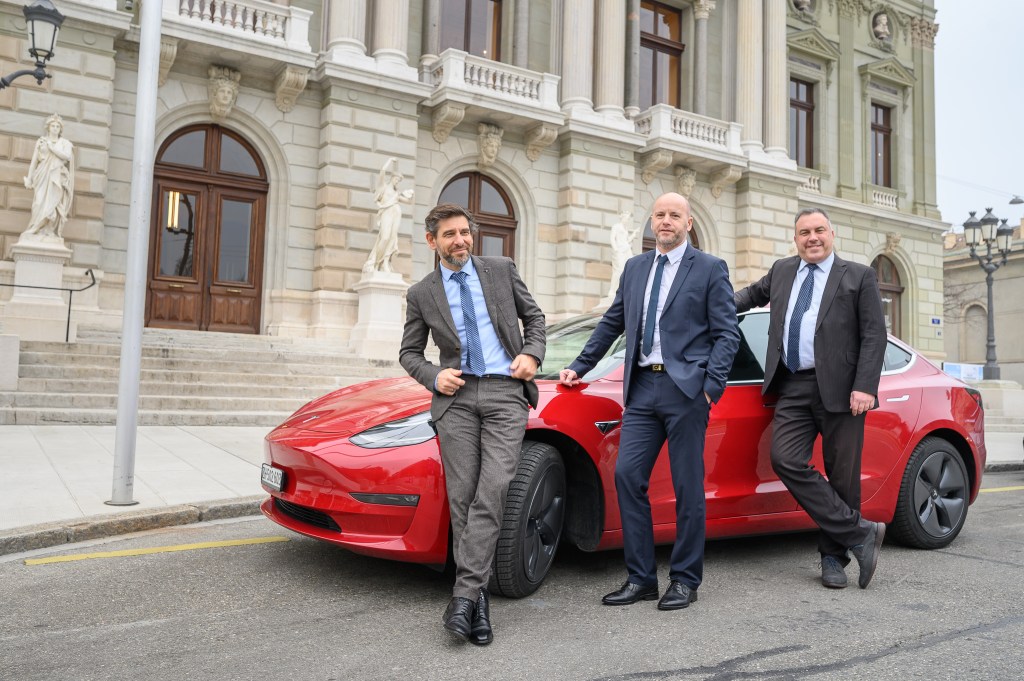
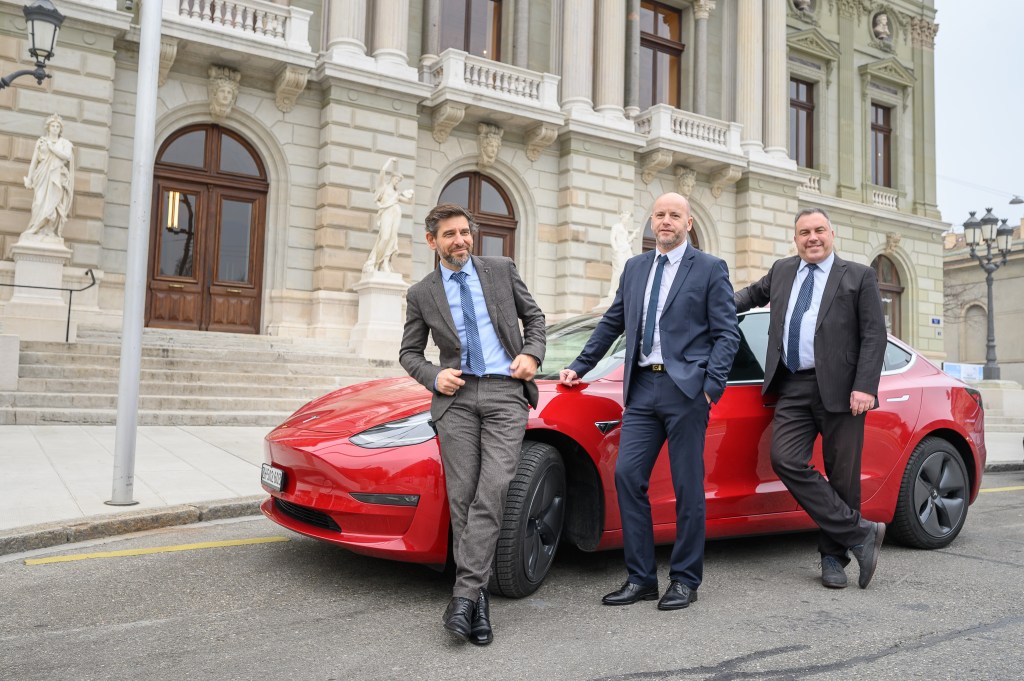
Parce que la destination des entreprises est multiple, parce que le « code du business » évolue très vite, parce que les routes de la performance sont encombrées et surtout parce que la vision des dirigeants n’est plus assez claire… une mise à jour de votre permis de conduite des entreprises s’impose ! Les Pilotes Exécutifs se réunissent en comité, Hendrick Monnier sera votre co-pilote en charge du management et du capital humain aux côtés de Laurent Tauriac notre co-pilote expert en maturité financière. J’interviendrai sur la cohérence et l’organisation stratégique.
Crédits photographies: Tomek Gola
N’hésitez plus, foncez pour acheter votre billet pour cette belle soirée du 11 mars 2020 à Genève et participer à cette première soirée, vous pouvez réserver votre place en cliquant sur ce lien.
Remerciements: Tesla Genève pour les test-drives du Model 3 mémorables et Tomek Gola pour la qualité incroyable de toutes les photos créatives et de tous les portraits.
Mardi prochain, le 4 février 2020, j’ai le plaisir de participer au BlueInvest Day 2020, qui se déroulera à Bruxelles.
Comment la nouvelle Europe post-Brexit va-t-elle s’y prendre pour mettre en place le nouveau Green Deal ?
Quelles sont les start-ups et les scale-ups qui vont briller lors du concours de pitch ?
Quels seront les dispositifs clés d’accompagnement de l’innovation pour l’économie bleue ?
Nous découvrirons cela sur des sujets aussi importants que :
L’énergie propre de l’océan.
Solutions, procédés et technologies innovants dans le domaine des énergies renouvelables et de l’énergie des océans.
L’océan intelligent.
Technologies, produits et solutions numériques de la prochaine génération dans le domaine de l’intelligence artificielle, de la robotique, des ports et terminaux intelligents, de la télédétection et de la navigation.
Nourriture et aliments pour animaux provenant de l’océan.
Nouvelles denrées alimentaires et nouveaux aliments pour animaux innovants issus de l’aquaculture et de ressources biologiques aquatiques renouvelables.
Bioéconomie bleue et solutions vertes.
Nouveaux produits, nouvelles technologies, solutions innovantes et processus ingénieux issus de ressources biologiques aquatiques renouvelables, y compris les emballages et les produits médicaux/pharmaceutiques. Elle couvre également les solutions visant à « écologiser » les industries maritimes traditionnelles, les déchets marins, l’économie circulaire, la gestion du capital naturel/des ressources océaniques, entre autres.
Le BlueInvest Day se tiendra à Bruxelles le 4 février 2020. Vous pouvez nous y rencontrer le jour de l’évènement ou les jours suivants à Bruxelles en dehors de l’événement. Nous serons heureux de vous parler de votre projet, de votre portefeuille d’investissement, de votre idée innovante ou de votre dernière entreprise. Cette journée annuelle BlueInvest Day 2020 réunira des innovateurs, des entrepreneurs, des investisseurs business coach et des facilitateurs de la Blue Economy. Notre objectif sera de vous offrir de nouvelles opportunités commerciales concrètes et une visibilité accrue.
20 des meilleures start-ups et PME européennes de l’économie bleue se présenteront sur la scène principale devant un jury d’investisseurs pour les BlueInvest Awards. Rencontrez les fondateurs de produits, solutions et technologies de nouvelle génération, hautement innovants et perturbateurs pour l’économie bleue.
La journée BlueInvest offrira également de nombreuses opportunités pour des solutions, des projets et des initiatives qui favorisent l’économie circulaire, la décarbonisation, la lutte contre le changement climatique ou qui sont en rapport avec les objectifs de développement durable, que vous soyez ou non sur la scène principale.
Les présentations seront diffusées en direct pour une exposition maximale aux clients et partenaires potentiels. Les finalistes bénéficieront d’un coaching et d’un retour d’information de la part de nos spécialistes du secteur avant l’événement.
Pendant l’évènement, vous pourrez entrez en contact avec des capitaines d’industrie, des investisseurs d’impact et des représentants de haut niveau du gouvernement, du secteur public, du secteur privé, des PME, des extrapolations et des start-ups. Parmi les sujets dont nous aimerions discuter avec vous, citons notamment :
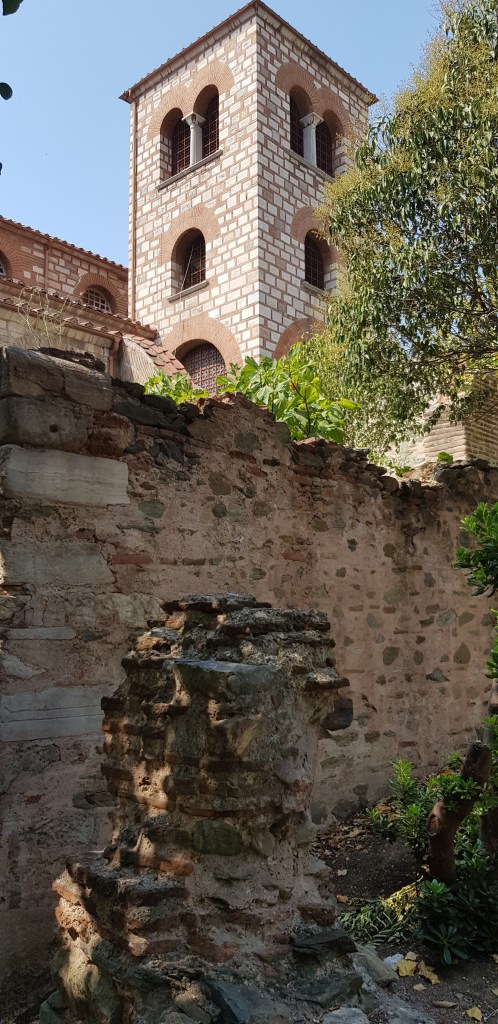
Arrivée matinale. Passage devant la Tour emblématique de la ville. Ici, c’est la Macédoine !
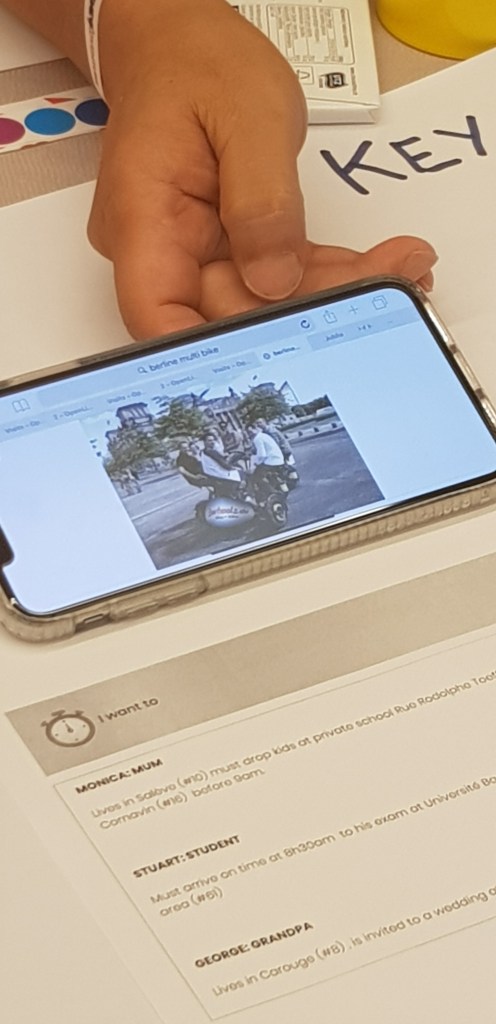
La découpe laser a tourné à plein régime, pour illustrer nos modes de transport en triangle pour co-créer des solutions de mobilité urbaine dans les centres villes pour l’expérience du « Last mile » de demain.
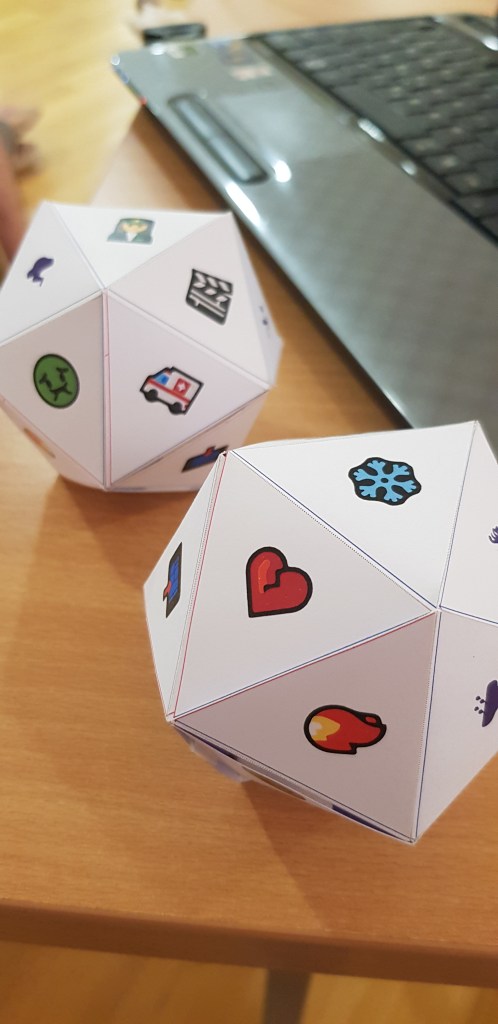
Métamorphose de la table de ma chambre en « fablab éphémère »: carte, ficelle, scotch, et bien sûr Icosahedrons, qui ne me quittent plus.
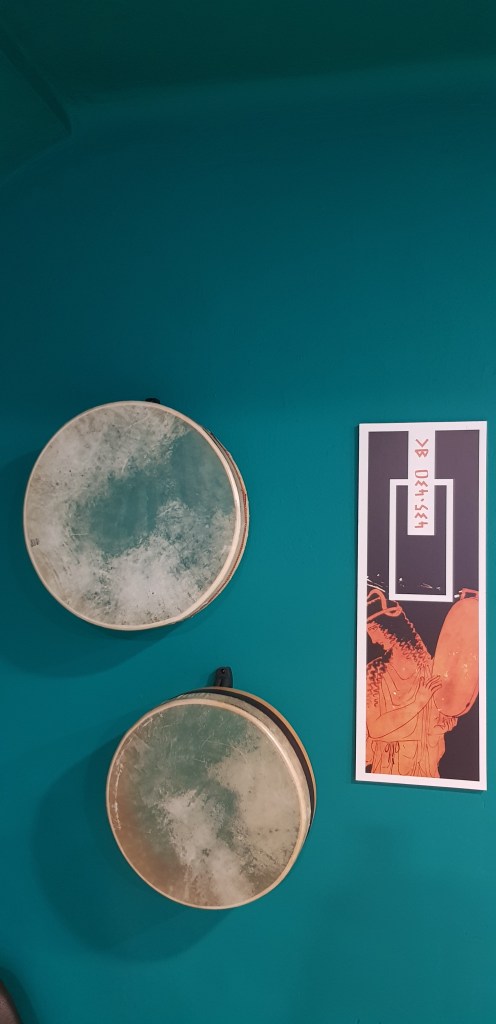
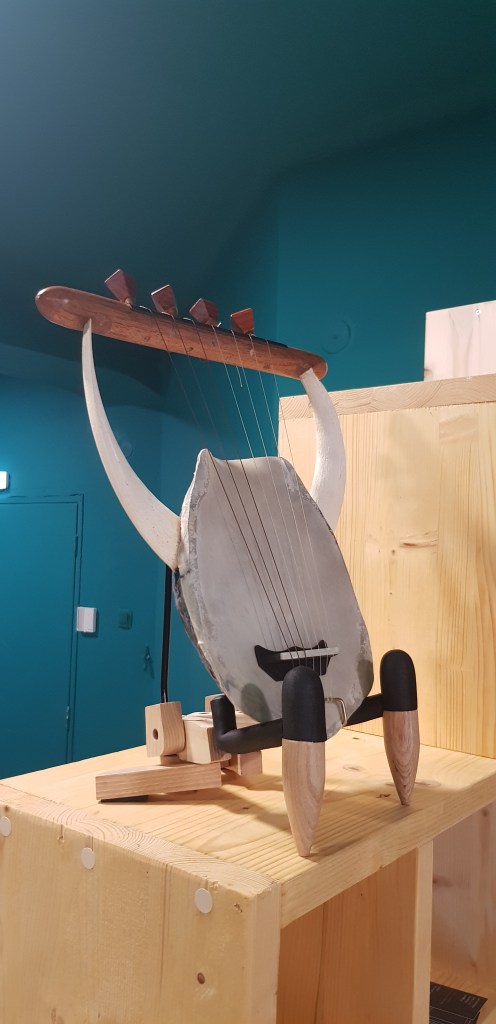
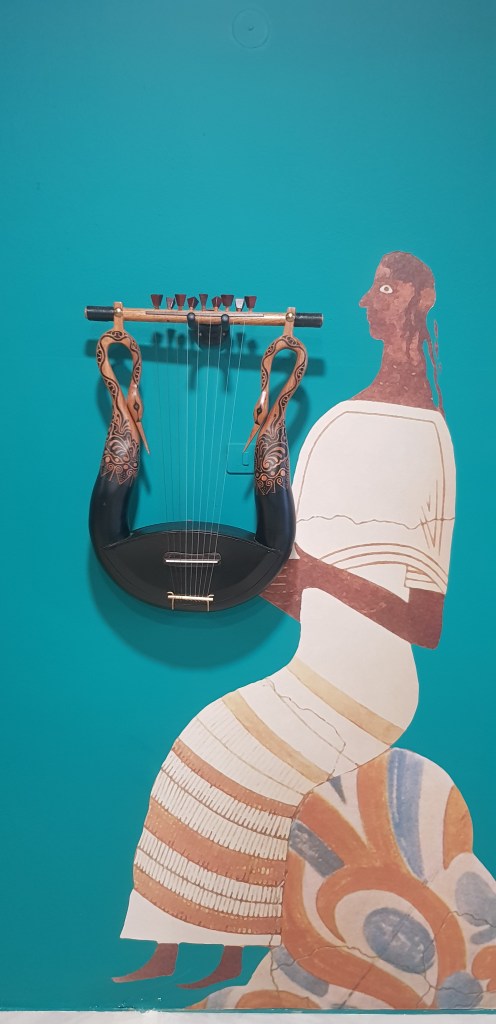
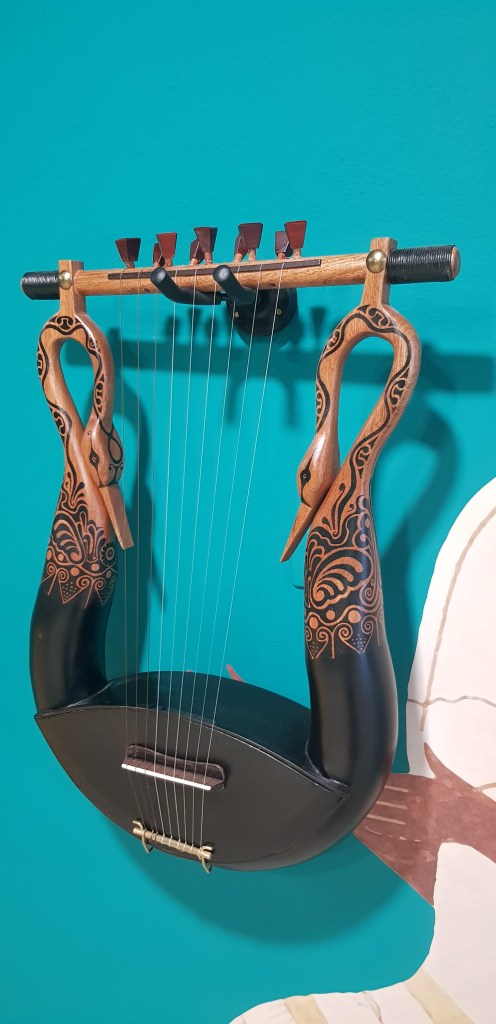
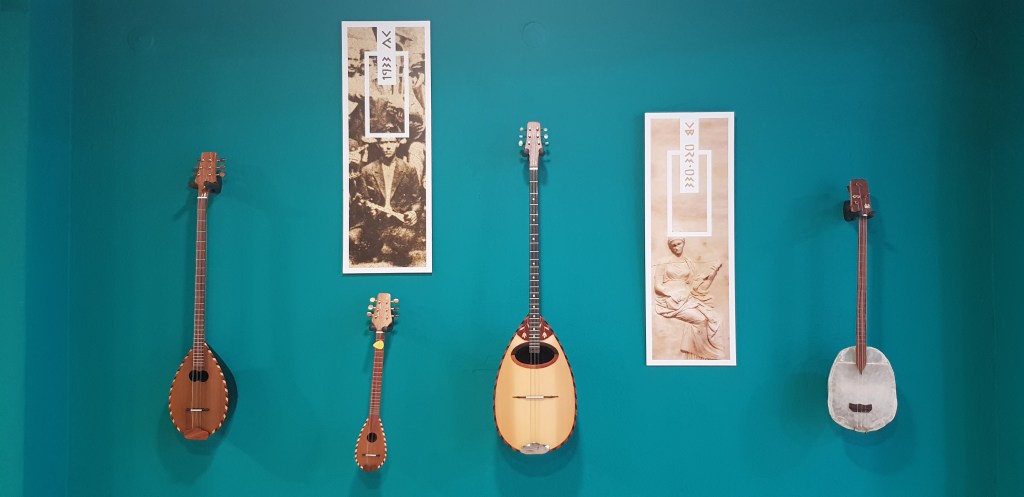
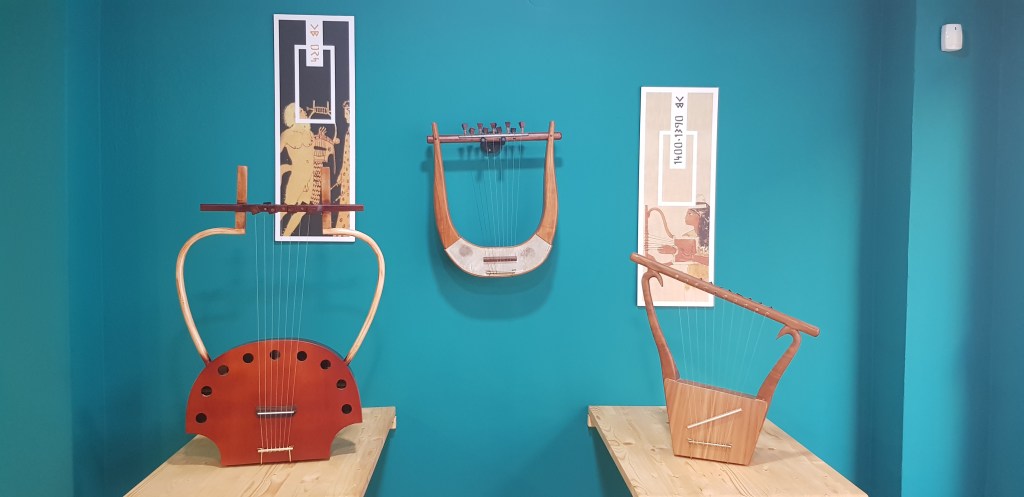
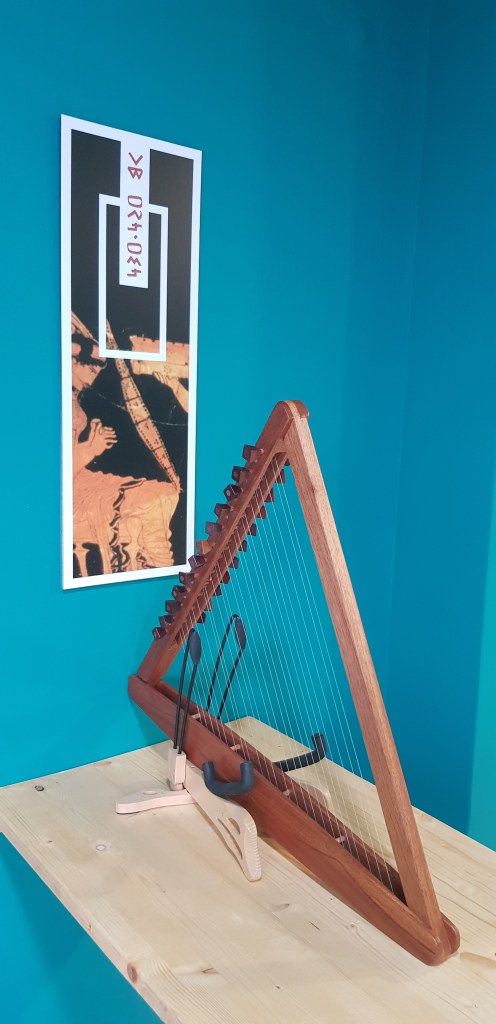
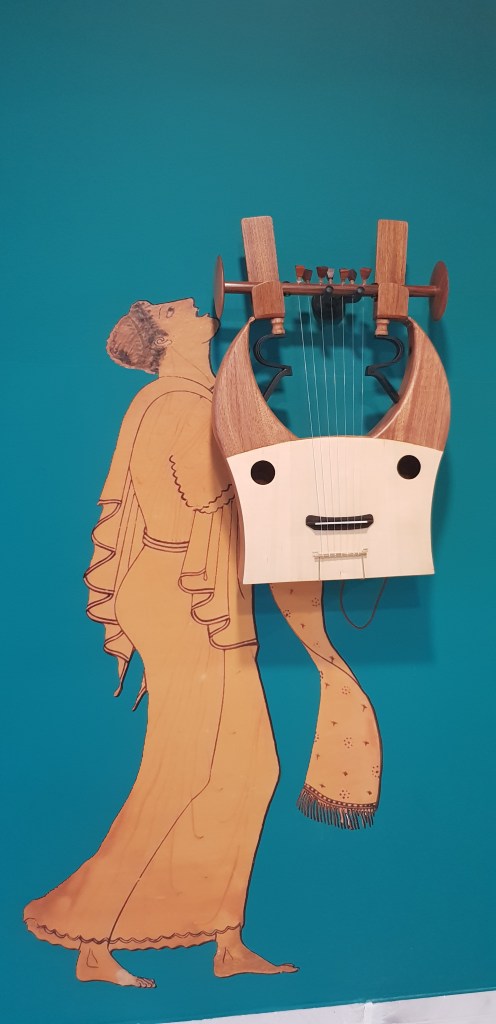
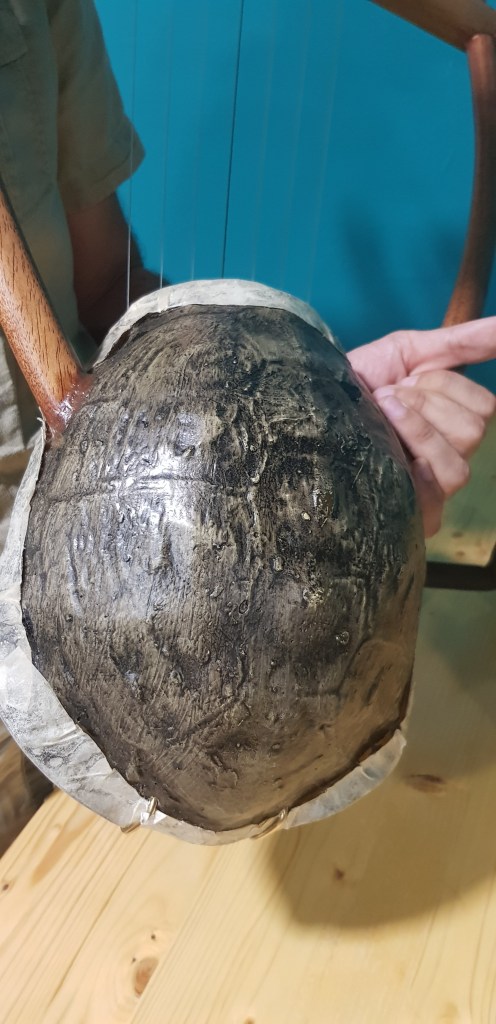
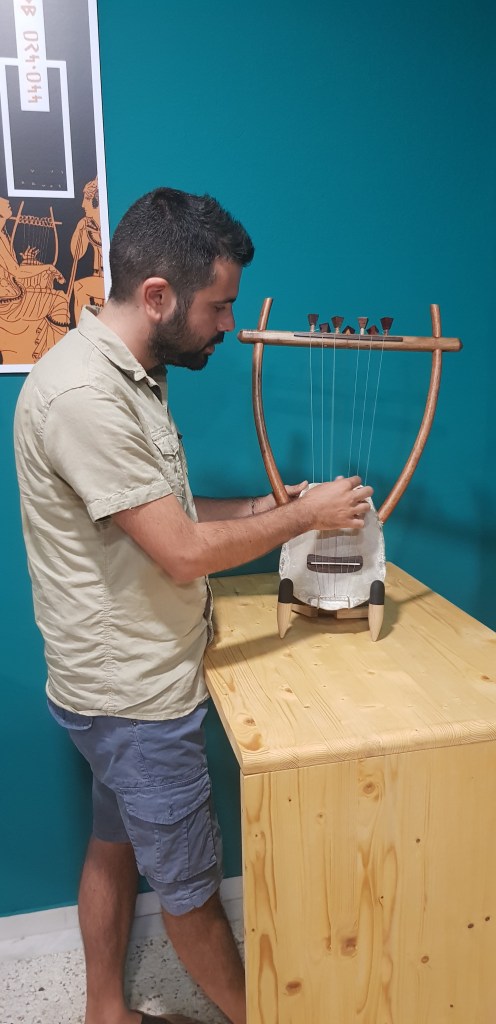
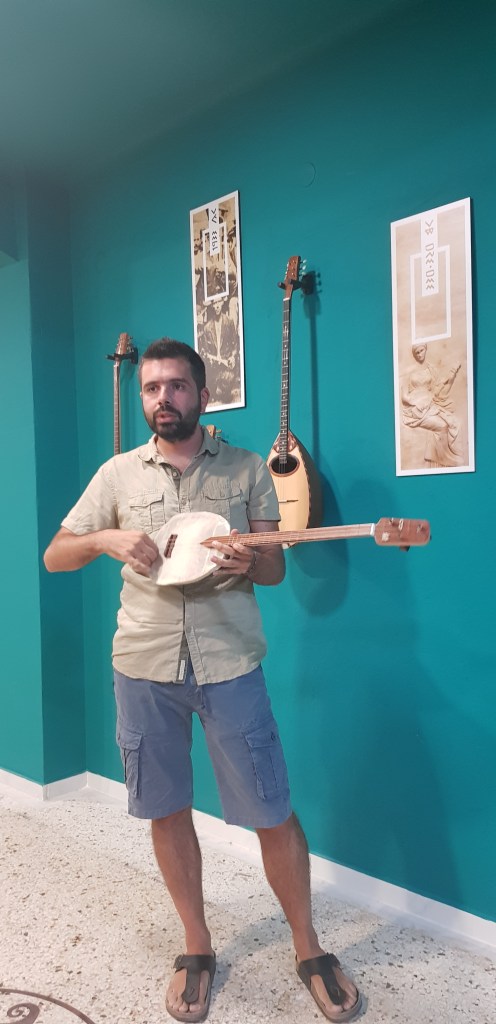
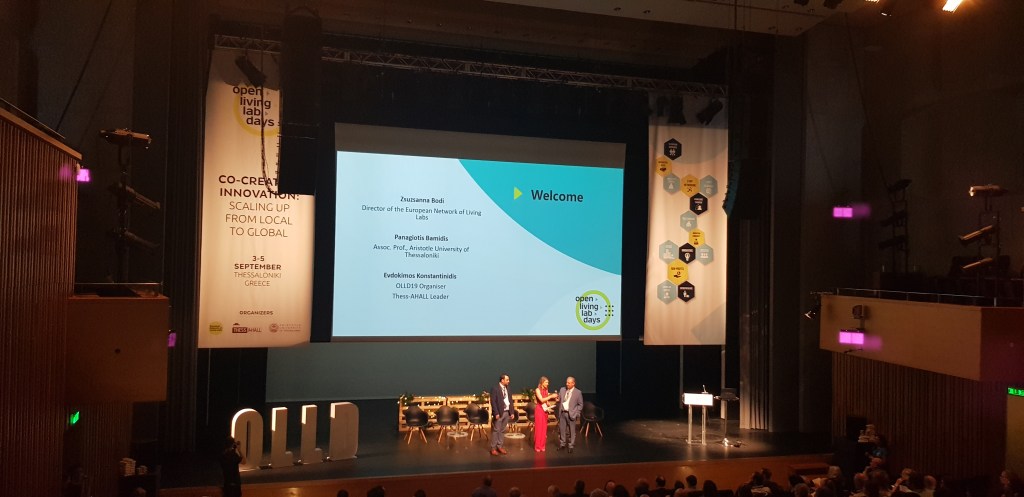
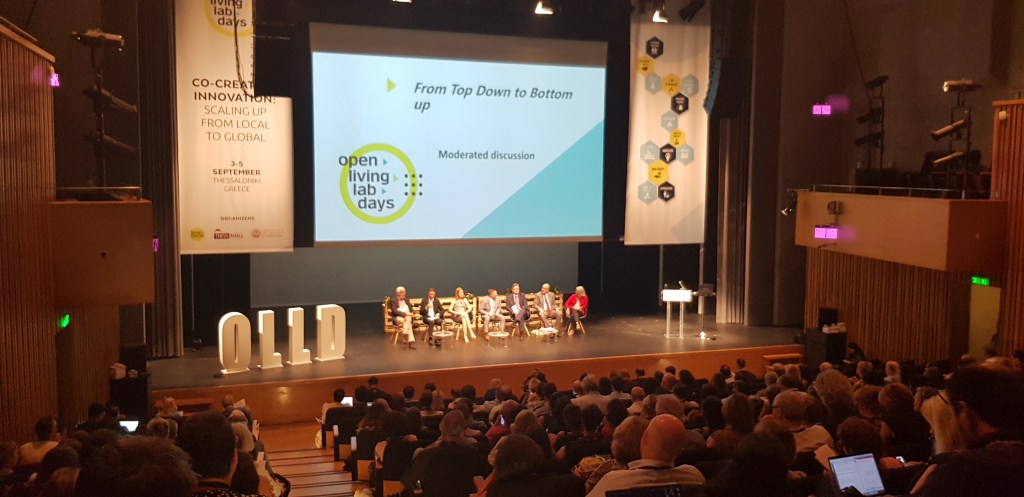
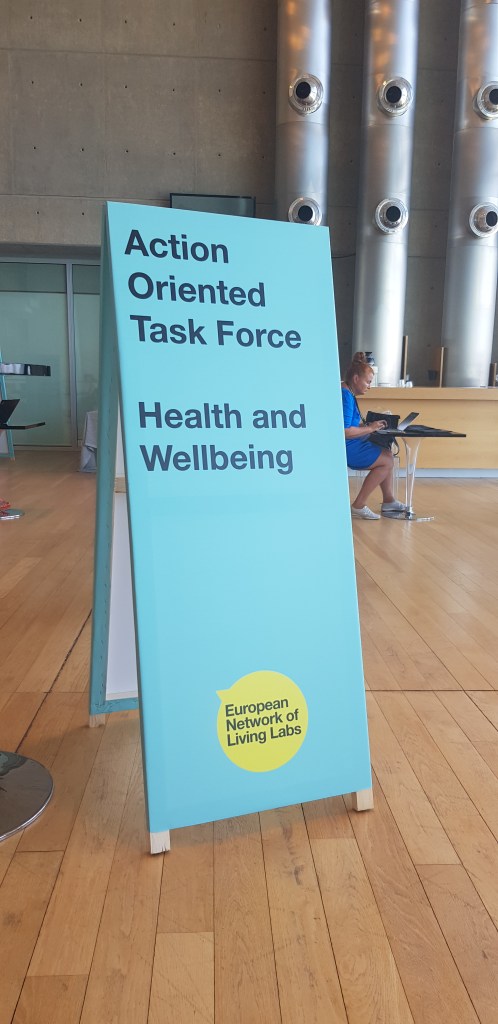
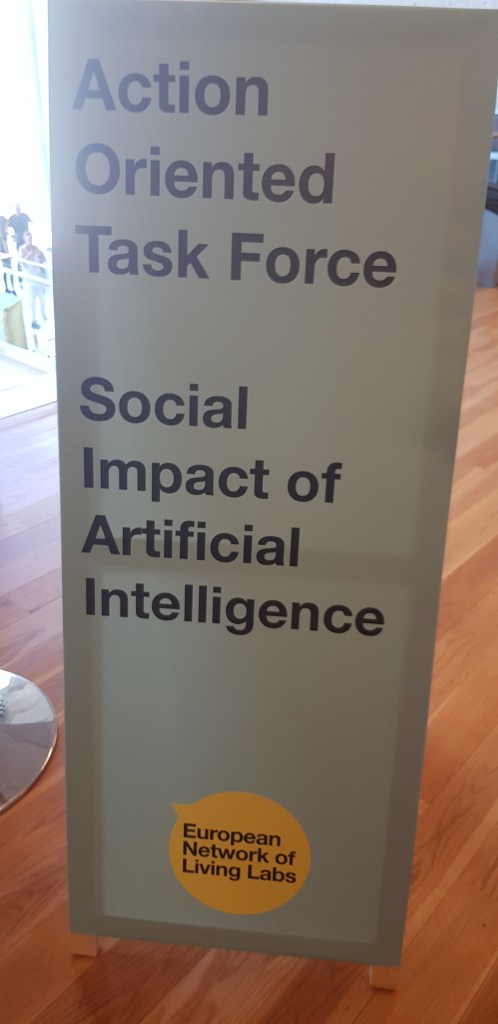
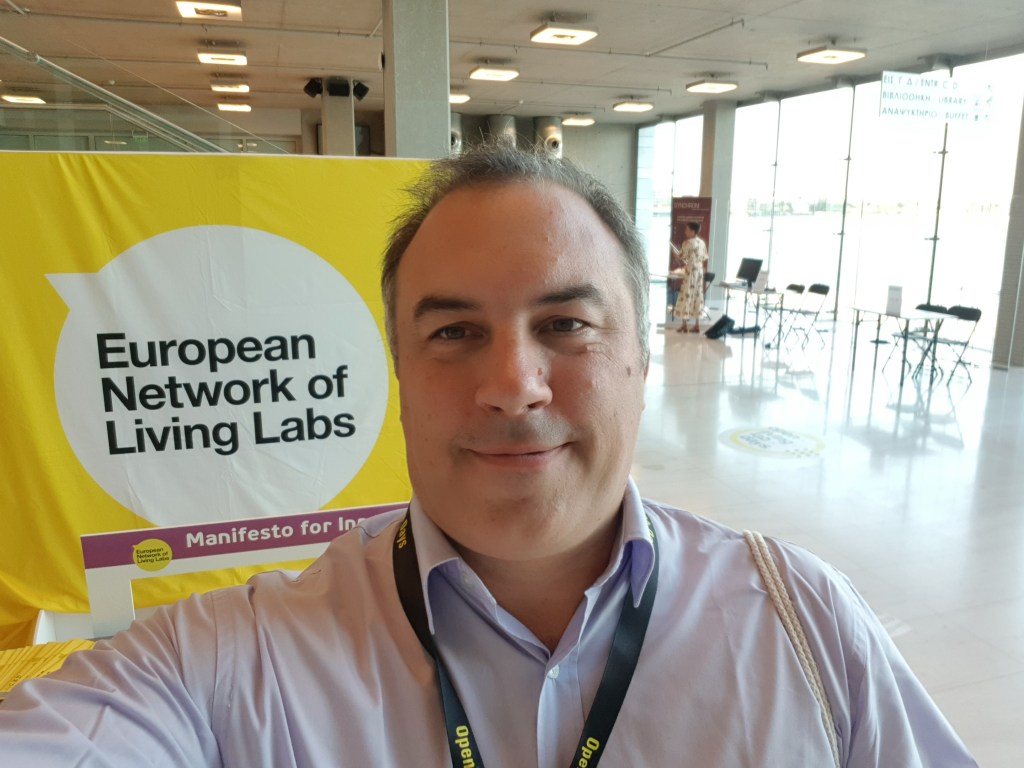
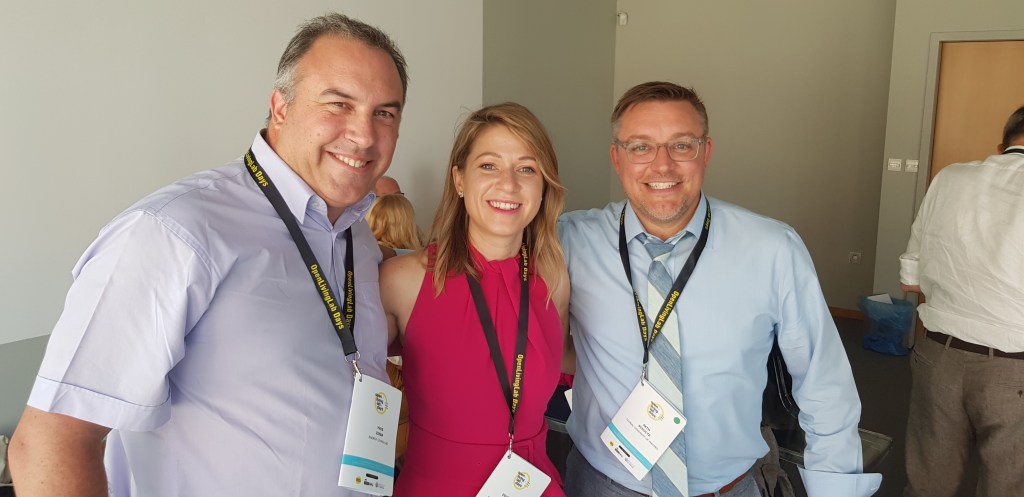
Avant d’animer l’atelier sur le « futur de la mobilité des centres urbains » pour de vrai, on le teste avec nos amis des francophonies Living Lab.Restaurants, bar, terrasse, c’est dehors que cela se passe à Thessalonique !Visite du musée des instruments de musique grecs anciens: passionnant et envoûtant à écouter.Thessalonique, la nuit. Vie étudiante, musique et petit vent marinThessaloniki Concert Hall, networking « with a view ». L’occasion de rencontrer les acteurs des différents groupes de travail: « santé », « ruralité », « énergie, eau & environnement », « intelligence artificielle », « innovation sociale ».The « future of urban center mobility » workshop, où comment trouver des parcours pour chacun dans un hypercentre surchargé d’automobiles. Super moment. Nous avons aussi co-animé un atelier sur la démocratie avec le Genève Lab.En haut, avec Zsuzsanna Bodi et Seth Schultz pour co-animer des ateliers. #OLLD19#actionorientedtaskforces#scaleup#community#rural#health#socialinnovation#AI#energy@openlivinglabs Research and Innovation round table sessions and lotus game. #HLEG high level report #Enoll#EASME#resilience#water#energies#sustainablecities#mayors .
En bas, présentation des meilleurs documents de recherche et d’innovation, disponibles dans les conférences proceedings, et pour l’action task force et l’atelier sur « Energies et environnement ».
Notre papier de recherche, co-rédigé avec Isis Gouédard, a été sélectionné, notre présentation a permis de proposer à notre audience de considérer que l’on peut être sérieux tout en utilisant les mécanismes des jeux.
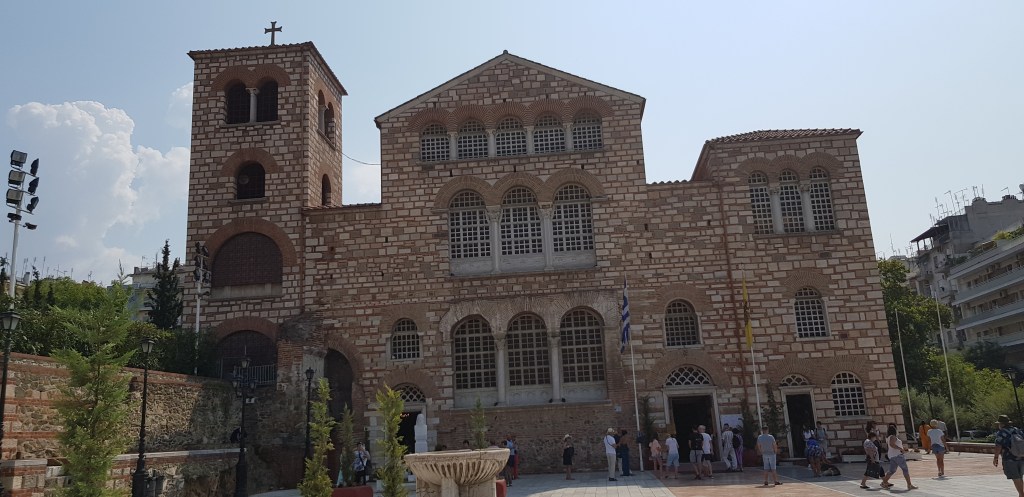
Dernier tour de cette magnifique ville avant de reprendre l’avion pour Genève et éviter le blocage causé par la venue du premier ministre grec le jour de notre retour (visiblement attendu avec quelques revendications!)
Peut on collaborer sur tout ? Oui, on peut collaborer sur tout, mais pas avec n’importe qui (clin d’oeil évidemment à Coluche, on a les références qu’on peut).
De pair à pair ? Ok, mais pas avec toi !
Tout le monde parle de l’économie collaborative au niveau « macro », c’est certain, cela va être un carton, oui mais personne ne nous a vraiment bien expliqué comment collaborer au niveau « micro ».
A l’heure où l’on voit bien que nous allons devoir collaborer de plus en plus plutôt que d’entrer en compétition systématique, où l’on se rend compte que les modèles économiques qui reposaient sur une asymétrie de l’information, ou un accès privilégié aux ressources naturelles, doivent se réinventer, et où intelligence artificielle, blockchain, automatisme et objets connectés prennent une place grandissante dans notre vie, comment faire pour bien s’entourer ? Avec qui allons-nous être compatible, complémentaire et avec qui allons nous avoir envie et plaisir à collaborer ?
Qui es-tu bel(le) inconnu(e) ? Es-tu compatible et complémentaire avec moi ?
Jusqu’à présent, il était clairement établi que l’on ne choisissait pas les personnes avec qui on travaille, ni son chef, ni ses collègues, ni ses clients. Il faut faire avec. Mais, cela, c’était avant !
Désormais, nous tendons vers une société où nous serons toutes et tous, à la fois plus indépendants, plus résilients, mais vraisemblablement moins fidèles à nos employeurs, car moins fidélisés.
Dès lors, trouver les bons associés, les bons amis, les bons partenaires devient encore plus important.
Comment faire pour trouver les bons et les garder ?
Comment les chercher, comment les trouver, comment se mettre d’accord et comment durer ensemble pour former une belle équipe d’associés.
Vaste question, large débat.
Les modèles d’association et autre pacte d’actionnaire existent depuis bien longtemps, mais ce n’est pas de cela dont il s’agit.
Pour que l’économie soit collaborative, il faut trouver les bonnes personnes avec qui on peut collaborer.
Ce n’est pas uniquement une question de proximité. Ce n’est pas uniquement la fréquentation d’un même lieu qui va tout faire et qui va permettre la collaboration. Les lieux, aussi agréables soient-ils, ont par ailleurs aussi des hauts et des bas, voir ce qui arrive à WeWork. Nous pensions qu’ils allaient manger tout cru tous les espaces sympas de coworking, il y a quelques mois, et les voilà en difficulté.
Alors les réseaux sociaux peut-être? Le monde virtuel créateur de lien. Et bien, non. N’importe qui contacte n’importe qui d’autre pour tout un tas de mauvaise raisons, notamment pour leur vendre ce qu’ils n’ont pas vraiment demandé. Il suffit de payer un peu pour pouvoir envoyer un message direct à quasiment n’importe quelle personne cible dans LinkedIN. Sans présentation, sans intermédiaire, sans briser la glace, sans même devoir prendre un café !!!
C’est sans doute beaucoup plus subtile que cela. Trouver les bonnes personnes (de préférence) avant de s’associer, c’est en fait un travail de longue aleine. C’est de plus en plus complexe et multi-dimensions et c’est précisemment pour cela que cela devient intéressant.
Etre 100% nomade et sans attache alors ? Et bien, non plus. Voir les mésaventures de The Shared Brain, uberisateur uberisé ? pourtant super prometteur à leurs débuts.
Il doit bien y a quelques pistes intéressantes pour ne pas se tromper. Je pense notamment à The Slicing Pie pour proposer une méthode fair et équitable pour s’associer.
Ah oui, en plus de trouver les bonnes personnes, il faut aussi que le modèle collaboratif (contribution & rétribution) soit équitable, sinon, personne n’a envie d’être le dindon de la farce. Ensuite il faut se mettre d’accord sur les rôles, les responsabilités. Après cela ne fonctionne quasiment jamais comme prévu…
Bref, tout cela pour dire que je n’ai pas encore trouvé la solution. En design thinking, j’ai appris que ce n’est pas grave, et que l’essentiel, c’est de passer plus de temps dans la phase d’empathie. Finalement, cette phase d’empathie est plutôt agréable, voire carrément très agréable.
On rencontre des personnes toutes plus intéressantes les unes que les autres. C’est en tout cas ce qui m’arrive en 2019, et c’est super agréable !
Notamment en cette période de rentrée avec notamment notre petit groupe de réflection sur les communautés d’intérêt, et de valeurs, la mise en place de la SBA Suisse, l’organisation du Global Goals Jam à Genève, le déplacement à Thessalonique pour les Open Living Lab Days, l’initiative Isynnov, le Living Lab de Mobilité Douce SnailMobLab, le hackaton, le défilé de mode éthique et responsable, la célébration du bicentenaire de l’ESCP à Genève, et tous nos petits groupes de travail secrets. Bref, un belle liste d’expériences magnifiques et de rencontres inspirantes. Pourvu que cela dure !
Et si le bon modèle, c’était chacun chez soi et on se rencontre quand on en a besoin ?
Tous indépendants ? tous autonomes ? tous interdépendants ? C’est probablement ce vers quoi nous nous dirigeons dans notre merveilleux monde des MeetUps, des start-ups, des scale-ups et des entrepreneurs (« wannabe », « dontwannabe » et « nottoosureyet » entrepreneurs).
Des associations de petits groupes à géométrie variable, le temps d’un projet qui se passe bien. Sans doute pas plus. Nous nous dirigerions donc vraisemblablement vers de nouvelles formes de collaboration. Finies les réunions inutiles et interminables (tant mieux), et découvrons ces milles endroits où nous allons réinventer le monde !
Une mauvaise expérience ? Arrêtons tout de suite et plus jamais cela.
Un ego surdimensionné, un mauvais payeur, un incompétent ? Aujourd’hui cela se sait très vite. Savoir qui éviter, c’est devenu aussi très important.
Evidemment que lorsque l’on croise quelqu’un et que cela se passe mal, on a désormais beaucoup plus de latitude pour ne plus jamais perdre de temps avec cette personne. (évidemment cela ne vaut que si ce n’est pas votre chef ou votre client principal), mais disons à minimum que nous pouvons chercher plus facilement des alternatives.
Une bonne expérience ? Cela donne envie de recommencer et d’aller plus loin dans la collaboration.
Alors que retenir de tout cela ? Faisons quelques hypothèses prospectives.
Peut-être que les nouvelles formes de gouvernance, plus horizontales, moins centralisées, plus participatives, plus simples, vont elles-aussi se développer et trouver leurs places. A condition que cela n’empêche pas d’avancer. N’a t-on pas trop entendu l’adage : « Tout seul, on va plus vite, ensemble on va plus loin. » Peut-être mais cela dépend aussi avec qui ? Aucune envie d’aller plus loin plus longtemps avec des personnes qui ne sont même pas drôles !!! C’est un peu comme choisir avec qui on va passer nos prochaines vacances. Vaut mieux bien s’entendre.
Peut-être que les communautés de valeur et d’intérêt vont se faire et se défaire plus rapidement, au fur et à mesure que l’on clarifie les visions que l’on croyait partagées, et que l’on explicite les divergences émergentes.
Peut-être aussi que les espaces d’innovation vont se remplir et se vider encore plus rapidement que ce que nous pensions.
Avant, nous travaillons pour un employeur toute sa vie, et on travaillait avec les mêmes collègues toute sa vie. Il fallait faire avec les bons et les moins bons ! Je ne sais pas si c’était la panacée, mais c’était en tout cas relativement stable et prévisible. Nous avions le temps de les évaluer, de es apprivoiser, de créer la relation de confiance et de trouver nos affinités dans le temps long.
Aujourd’hui, et sans doute encore plus demain, nous devons nous préparer à collaborer avec beaucoup plus de personnes différentes dans des temps beaucoup plus courts.
Alors comment choisir, comment filtrer, comment sélectionner ?
Les hard-skills ? CEO/CFO/CTO… ? Mouais. C’est bien mais cela ne suffit pas pour constituer une équipe de rock-stars. Cela implique que nous devons déveloper nos aptitudes de flexibilité et notre capacité à accorder sa confiance et à tolérer l’autre beaucoup plus vite, voire instantanément et a priori.
Là encore, pas certain que nous y soyons toutes et tous bien préparés.
Existe-t-il des canaux, des formations, des livres pour ne pas se tromper, pour faire les bons choix ? Plus important que du recrutement, plus important que de la prospection commerciale. Comment trouver l’oiseau rare, en qui avoir confiance ?
Et toi, quel est ton pipeline d’associés potentiels ?
Si choisir ses associés, c’est au moins aussi important que trouver son prochain client, comment mettre en place une veille active pour faire appel aux bonnes personnes au bon moment ?
Je rêve de trouver celles et ceux qui me font avancer, qui me font aller plus loin, et que je peux aider et soutenir. Et vous, comment vous y arrivez comment ? 🙂
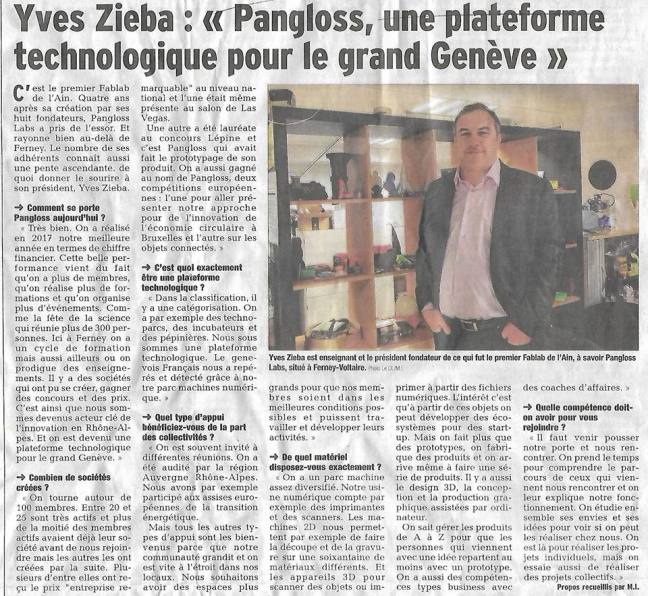
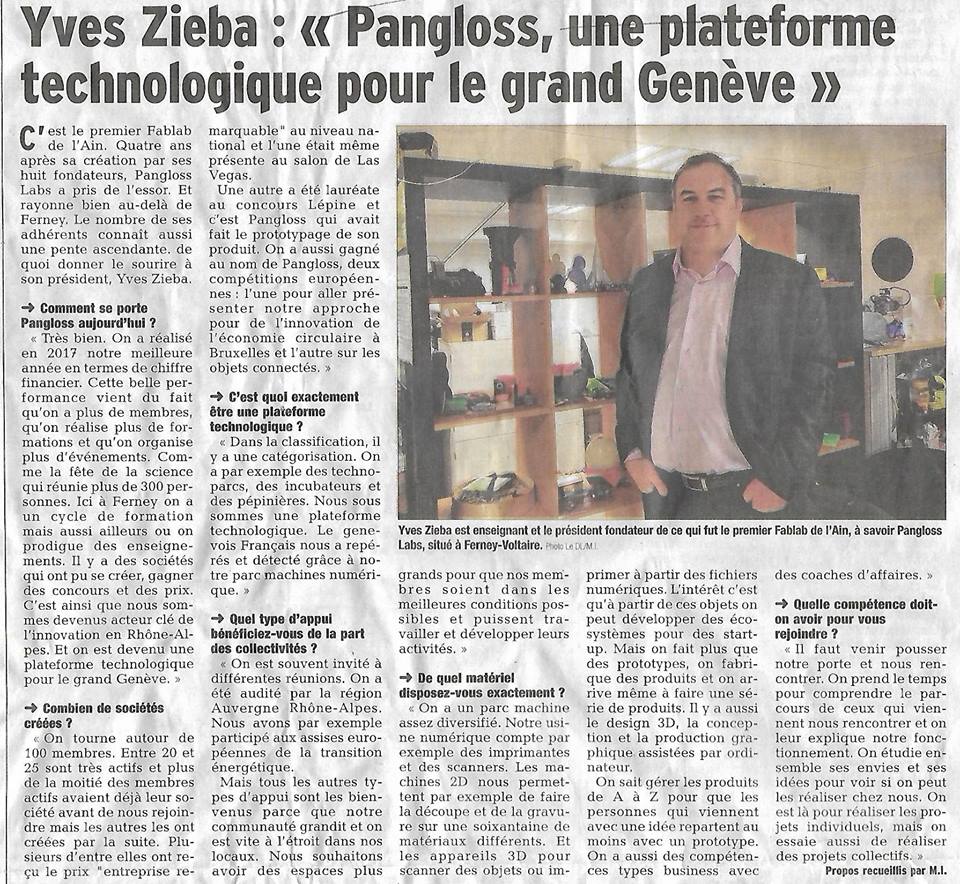
Merci au Dauphiné pour cet article sur notre plateforme technologique, et sur la possibilité de co-designer de nouveaux projets grâce à elle.
L’occasion de faire un retour sur les 3 dernières années d’activité de notre association, de nos principaux succès (la Fête de la Science, le bootcamp entrepreneurial, des cours de design thinking ou de découpe/gravure laser, nos campagnes de financement participatif, nos activités de création de jeux vidéos ou les initiations à la robotique), de nos différentes étapes vers la croissance, en utilisant les principes de l’innovation ouverte et aussi et surtout de remercier toute l’équipe qui a contribué à ce beau parcours collectif.
L’occasion aussi de faire un peu de prospective et d’inventer ensemble, en utilisant l’intelligence collective de notre groupe, comment nous allons faire émerger de nouveaux écosystèmes innovantes, en capitalisant sur les parcours de chacun et la combinaison de compétences pour aller vers de nouveaux succès.
Vous souhaitez démarrer votre activité ou l’étendre en Suisse ou en France ? Ni trop tôt, ni trop tard. C’est un investissement conséquent en temps, et un risque certain à assumer. Nous vous conseillons dans les moments clés sur vos choix importants (votre stratégie, la meilleure forme juridique pour réaliser votre projet, le choix de la localisation d’enregistrement). Si vous cherchez une solution clé en main, rapide et flexible, vous frappez à la bonne porte !
Augmenter votre crédibilité pour augmenter vos ventes
Pour vos clients, partenaires et fournisseurs, pouvoir disposer d’une adresse postale, d’une adresse de gestion, d’une domiciliation, d’un numéro de téléphone local (ligne classique ou VOIP), ou d’un bureau de représentation professionnel avec des personnes qui connaissent le marché local, pourra vous permettre de voir de nouvelles portes s’ouvrir.
Trouver le bien immobilier approprié
La recherche de locaux dans une zone où le prix de l’immobilier peut être très élevé, est un facteur clé de succès de votre implantation, c’est souvent la première ligne de coût fixe. Nous avons des solutions modulaires pour vous aider à démarrer. Si vous souhaitez être orienté dans votre recherche de locaux (bureaux, coworking, fablab, living lab, sites de production, sites de stockage) ou dans votre recherche de services et de compétences, nous sommes là pour vous appuyer.
Gérer votre filiale pour vous aider à croître mieux
Vous souhaitez vous implanter dans le Grand Genève, nous pouvons vous aider en vous facilitant les démarches administratives (tenue de la comptabilité, tenue de comptes, bonne gestion fiscale et conformité aux lois locales sur le travail, bonne gestion salariale, récupération de la TVA, représentation fiscale).
Pour toute information, et pour ne pas rester seul dans ces démarches, n’hésitez pas à nous contacter par email (yveszieba@gmail.com) pour planifier un appel gratuit.
Le prototypage rapide a le vent en poupe en ce moment.
Pourquoi cela intéresse-t-il de plus en plus les départements d’innovation ? Dans quel secteur le prototypage rapide est pertinent ? Où trouver les acteurs et les compétences pour couvrir les besoins ?
Une opportunité pour recréer un écosystème local d’acteurs économiques innovants ?
Avec les turbulences économiques, de nombreuses entreprises doivent se réinventer, et pour se réinventer, elles se tournent vers l’innovation de services, de process et de produits. Une opportunité s’offre à elle dans cette nouvelle phase. Celle du prototypage rapide. En effet, il est désormais plus facile, plus rapide et souvent moins cher de prototyper, notamment en passant par un fablab, déjà équipé.
Besoin de valider une option parmi plusieurs ? Besoin de créer une petite série pour tester un concept, la barrière de l’achat de la machine, et de la mise en place de tout le dispositif 3D de production n’est plus une barrière. Vous pouvez désormais trouver tout ou presque tout dans un fablab.
Cela intéresse-t-il tout le monde dans tous les secteurs ?
Bien sûr, l’industrie, en général, et les entreprises qui produisent déjà des produits sont en première ligne. Automobile, aérospatial, énergie, industrie du bois, mais aussi produits de grande consommation et administrations publiques, y voient de plus en plus des opportunités d’achats locaux et responsables et redécouvrir l’intérêt de la proximité et de la discussion avec un fournisseur local.
Comment savoir si cela a un intérêt pour mon entreprise ou si cela n’a d’intérêt que pour les autres ?
Nous avons préparé quelques questions pour vous aider à y voir plus clair et à articuler vos besoins. En quelques minutes, vous allez savoir si vous pouvez gagner du temps et de l’argent grâce au prototypage rapide, ou si c’est réservé aux autres ! Cliquez ici !
« Papa travaille beaucoup en ce moment, il rentre stressé du travail après 3 semaines de déplacements professionnels. Je ne l’ai pas vu depuis longtemps, et quand il est là, je n’ai pas le droit de jouer ni d’utiliser l’ordinateur parce qu’il ne comprend pas que c’est mon rêve de faire ça comme métier. Le pire, c’est que maman est d’accord avec lui. »
Témoignage entendu hier par un jeune collégien, qui voulait rejoindre notre club de gaming, mais n’en avait pas le droit. Du coup, je trouve important de partager avec les enfants, les enseignants et les parents ces 7 conseils pour permettre une saine utilisation des écrans.
D’un coté, c’est vrai que les lumières bleues peuvent altérer le sommeil, et que les phénomènes d’addiction peuvent exister dans le gaming.
D’un autre coté, interdire purement et simplement l’usage des écrans, c’est prendre un risque envers l’avenir des enfants, en leur donnant des années de retard sur de nombreux sujets. Aucun parent ne souhaite empêcher son enfant d’explorer l’espace, de rêver, de jouer à plusieurs, d’interagir, d’utiliser leurs sens, d’être créatif, de développer leur langage, d’apprendre des langages (le coding et la programmation en sont).
Alors que faire ? Comment trouver le juste milieu et le bon équilibre ? Quel contenu autoriser ? Combien de temps est un temps de jeu raisonnable ? Avec qui est-il acceptable de laisser votre enfant jouer ? Quand doit il pouvoir jouer ? Uniquement pendant les vacances ? Après les devoirs ? Jamais ?
Nous vous proposons ces quelques pistes pour les utiliser comme outil de dialogue intergénérationnel et faire la part des choses entre mythe et réalité.
1- Le temps passé devant l’écran ne doit pas se substituer au jeu libre, à l’activité physique et veillez à maintenir les interactions avec l’entourage et les amis, notamment en favorisant le jeu en équipe ou en club.
2- Mettez des règles simples en place pour trouver un dialogue et un équilibre. Faites le dès le jeune age. Pas d’écran avant 3 ans, ce n’est pas négociable. Ensuite, on discute.
3- Respectez les âges indiqués sur les jeux, applications ou programmes. Si c’est moins de 18 ans, c’est moins de 18 ans. Le contenu est créé pour un certain âge. Il doit être visionné par le même groupe d’âge. Donc attention à l’influence des grandes sœurs et des grands frères, et attention aux Youtubers, qui ne respecteraient pas cela. Avoir un œil sur les YouTubers préférés de vos enfants et vous assurer qu’ils respectent cela, est très important. Soyons présents, à l’écoute de nos enfants et échangeons sur le contenu visionné.
4- Privilégier les contenus interactifs pour éviter l’isolement du gamer. Pour savoir si le contenu est interactif, demandez avec qui joue votre enfant et consultez le forum de gaming pour vous faire votre propre opinion.
5- Les lumières bleues ont des effets sur le sommeil. On évite donc les écrans le soir, et la nuit.
6- Encourager votre enfant à partager ce qu’il aime (quel jeu, quel Youtuber…), ce qu’il ressent, ce qu’il voit, avec qui il joue. Dans un même jeu, il peut y avoir des mods différents, certains sont plus créatifs que d’autres.
7- Soyez vous-même un modèle, (facile à dire !) limiter votre propre utilisation d’écrans, surtout en présence d’enfants. Après tout, difficile de lui demander de respecter des règles que vous ne respectez pas vous-même. Il vous le fera rapidement comprendre.
Difficile de ne pas en avoir entendu parler, la 3D est partout, c’est le thème à la mode du moment. Essayons de comprendre le phénomène en le décomposant simplement.
Dans un dispositif 3D, que cherchons nous à mettre en place ?
Comment choisir vos matériaux ?
Comment choisir vos machines ?
Comment y voir clair dans les différents procédés ?
Quel logiciel doit-on apprendre pour pouvoir maîtriser toute la chaîne des compétences clé ?
Nous ne sommes pas tous nés ingénieurs en science des matériaux. Par contre, il est facile de comprendre que selon les caractéristiques de votre objet, son contexte d’utilisation, qui va le manipuler, son usage, sa fonctionnalité, les propriétés que vous souhaitez que votre objet possède (solidité, résistance à la température, flexibilité, interaction avec d’autres matériaux…). Très schématiquement, pour un prototype, vous pouvez partir sur du bois ou du plastique, c’est le plus simple, les métaux sont rapidement plus honéreux.
Quitte à réindustrialiser, faisons le en recyclant !
Il est aussi important de réfléchir au recyclage de votre objet, une fois qu’il aura accompli sa mission. Des matériaux recyclés et/ou recyclables vous proposent des possibilités très variés d’objets. Pensez y !
En général, dans un fablab, pour l’impression 3D, on commence avec les plastiques.
Une fois les plastiques maitrisés, on évolue vers les matières naturels, les composites (par exemple mélange fibre de bois et plastique). Pour vous aider à vous y retrouver, voici une classification des plastiques, pour que vous redécouvriez le plaisir d’apprendre à connaître ces matériaux.
Vous y voyez plus clair en terme de matériau ? Les thermoplastiques, les thermodurcissables et les polymers n’ont plus de secrets pour vous ? Alors passons aux machines. Comment bien choisir vos machines 3D ? Vos imprimantes 3D, vos scanners 3D, vos machines d’usinage 3D.
Deux grands modèles s’offrent à vous. Le monde du libre et de l’open source d’une part, et le monde « Pro » d’autre part.
Le principe de toutes ces machines est le même: la machine produit bêtement ce que vous lui demander de produire. (typiquement l’imprimante 3D imprime le fichier .stl que vous lui demandez d’imprimer).
Comment avoir un bon fichier 3D ?
Vous pouvez concevoir chez vous, et réaliser votre pièce dans un fablab. Souvent on vous demande votre fichier .stl (souvent votre sésame, la garantie du succès de votre impression 3D) ?
.stl pour fichier de stéréolithographie. Pas de panique. La stéréolithographie n’est ni plus ni moins qu’un des procédés de l’impression 3D (un de ceux de la photopolymérisation en cuve). Les autres sont détaillés dans cette infographie (pour les plus curieux d’entre vous).
Vous pouvez piocher dans les librairies d’objets que d’autres ont créé avant vous, si ils ont décidé de le mettre en accès libre.
Une source d’idées quasi infinie (pour Noël et pour toute l’année)
Le site Thingiverse est une vraie caverne d’Ali Baba, une mine d’information pour trouver des designs de bonne qualité réalisés par d’autres.
Le fin du fin, c’est quand même de faire soi-même.
C’est à dire de partir de la feuille blanche, d’imaginer l’objet à partir de rien (ou presque rien), et de le concevoir vous-même.
C’est là que le choix des logiciels prend toute son importance. Parmi les logiciels de modélisation tridimensionnelle (logiciels de conception assistée par ordinateur), vous avez plusieurs choix, selon que vous êtes débutant, amateur, semi-pro ou professionnels. Pour la modélisation tridimensionnelle, voici une première grille de lecture, pour pousser la porte des fablabs avec quelques billes.
Il existe une multitude de logiciels de modélisation 3D. En voici quelques-uns :
Nous, on aime bien Blender, SketchUp, Rhino3D, AutoCAD, Solidworks et Catia. On vous conseille d’utiliser les mêmes logiciels que vos amis, histoire de pouvoir avancer ensemble !
L’impression 3D n’est qu’un des nombreux outils que vous retrouverez dans les fablabs. Vous y verrez aussi des scanners 3D, des machines d’usinage (fraiseuse numérique/CNC), des drones.
Bref, pas de limite, vous pouvez concevoir des objets, des sculptures, des personnages, des maisons, des villes, des bateaux, des avions… Rêvez grand, et ce sera réussi ! La 3D pour tous, c’est maintenant.
Alors voilà, il n’y a plus qu’à vous y mettre et de rejoindre le fablab le plus proche de chez vous pour vous aussi retrouver le goût d’innover et de réaliser vous même des dessins, de maitriser vous-même des logiciels de conception, et de repartir chez vous avec votre objet en pouvant dire:
Dans cet article publié par Le Pôle Education, nous explorons plusieurs pistes qui permettent aux enfants et aux adolescents de se rendre compte du style de vie des entrepreneurs, de leurs contraintes, de leurs challenges, de leur réussite, et nous les emmenons dans les innovations d’usage et de processus, afin qu’ils se rendent compte de l’intérêt de ce qu’ils apprennent à l’école, pour les métiers qu’ils devront inventer.
Alors oui, plutôt que de les laisser passifs devant leurs écrans, invitons les dans les tiers-lieux, emmenons les dans les fablabs, dans les living labs les plus proches de chez vous. C’est sans doute en partie dans ces espaces que s’inventent aujourd’hui, les métiers qui seront les leurs demain.
Une fois sur place, la diversité des projets et des compétences sur site, devrait les aider à éveiller leur curiosité suffisamment pour qu’ils souhaitent rapidement apprendre et développer leur propre projet de leur propre initiative, et retrouver le plaisir de réaliser quelque chose de concret, inventé, conçu et fabriqué de leurs propres mains.
Que ce soit pour les aider à s’orienter ou pour développer une de leur passion, cela va leur permettre de résoudre des problèmes, de travailler en équipe, de collaborer avec d’autres générations, et de « vivre la vie » des entrepreneurs proches d’eux.









































































 Shaping tomorrow
Vous devez être connecté pour poster un commentaire.