

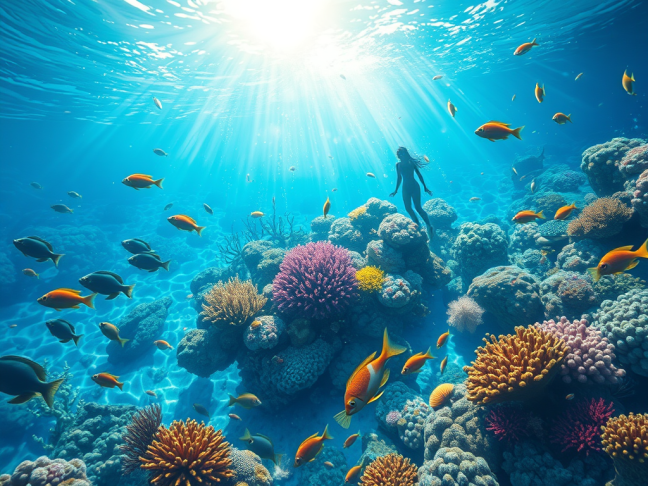
Why the Ocean’s Health is Your Health: The Essential Commitment
The health of humanity and the health of the ocean are not separate issues—they are inseparably linked. While my research didn’t pinpoint a specific organization named « Syntezia, » the global conversation around this vital connection highlights a core commitment that every individual and organization must embrace.
Our planet’s marine environment is not just a scenic backdrop; it is the blue heart of our climate, a source of sustenance, and an essential foundation for human well-being. Any meaningful commitment to a sustainable future must focus on protecting and restoring this resource.
Here is a look at the essential commitments driving the global movement to safeguard our oceans and, in turn, ourselves:
1. Recognizing the Inextricable Link
The first and most fundamental commitment is the recognition that a healthy ocean is a prerequisite for a healthy human population.
- Food and Medicine: The ocean provides a crucial source of protein for billions of people and is a vast, largely untapped resource for potential new pharmaceuticals and green technologies.
- Climate Regulation: As the planet’s largest carbon sink, the ocean absorbs vast amounts of CO2, regulating the global climate system that makes life on Earth possible.
- Mental and Physical Wellbeing: Access to « blue spaces »—healthy coasts and marine environments—is increasingly recognized by public health professionals for its positive impact on mental and physical health.
2. Addressing the Triple Threat to Marine Life
Protecting our oceans requires a proactive commitment to fight the major pressures they face—often referred to as the « triple planetary crisis »:
- Climate Change: A commitment involves addressing ocean acidification (caused by absorbing excess CO2) and ocean warming, which severely threatens biodiversity, particularly vulnerable ecosystems like coral reefs.
- Biodiversity Loss: This means implementing and enforcing policies that promote sustainable resource use and regulate harvesting to end destructive practices, illegal fishing, and overfishing.
- Pollution & Waste: A major focus is placed on preventing and significantly reducing all marine pollution, especially plastics and microplastics, which enter the food web and pose a known risk to both marine life and human health.
3. Action Areas for a Healthy Future
To translate commitment into real-world impact, global initiatives focus on these actionable pillars:
| Commitment Area | The Action | The Human Health Benefit |
| Ecosystem Restoration | Investing in the protection and restoration of critical habitats like mangroves, seagrass, and coral reefs. | These ecosystems act as natural storm buffers, protecting coastal communities from extreme weather and flooding. |
| Sustainable Practices | Promoting equitable and sustainable management of fisheries and marine tourism. | Ensures long-term food security for vulnerable communities and supports stable economic livelihoods. |
| Scientific Advancement | Funding interdisciplinary research to map, monitor, and predict threats from toxins (e.g., harmful algal blooms) and contaminants. | Leads to earlier detection and prevention of seafood-related illnesses and better public health guidelines. |
| Global Collaboration | Supporting international agreements and fostering partnerships among scientists, policymakers, and coastal communities. | Creates a holistic governance framework necessary for managing a shared, global resource effectively. |
The journey to secure a thriving planet demands that we all recognize our role as stewards of the ocean. By championing the health of the world beneath the water, we are fundamentally investing in the resilience and well-being of every person on Earth.
#WorldMaritimeDay





 Shaping tomorrow
Vous devez être connecté pour poster un commentaire.